Explora Atacama (Hotel de Larache)
All-inclusive lodge · €€€€The pioneering explorations lodge — an all-inclusive house of calm courtyards and pools, with a daily roster of guided hikes, rides and ascents into the desert.
22°55′S 68°12′W
The Atacama Desert is the driest non-polar desert on Earth, a high plateau stretching along northern Chile between the Pacific and the Andes. The hub town is San Pedro de Atacama, an adobe village at about 2,400 metres. Its astonishingly clear, dry air gives the Atacama some of the finest night skies on the planet — home to major observatories including ALMA and ESO’s Paranal.
The Atacama is a desert of superlatives, and the most quoted of them is also the truest: it is the driest non-polar place on Earth. Some weather stations here have never recorded a drop of rain. Hemmed between the cold Pacific to the west and the wall of the Andes to the east, this high northern plateau of Chile is a landscape stripped back to rock, salt and light — a terrain so Mars-like that NASA tests its instruments here.
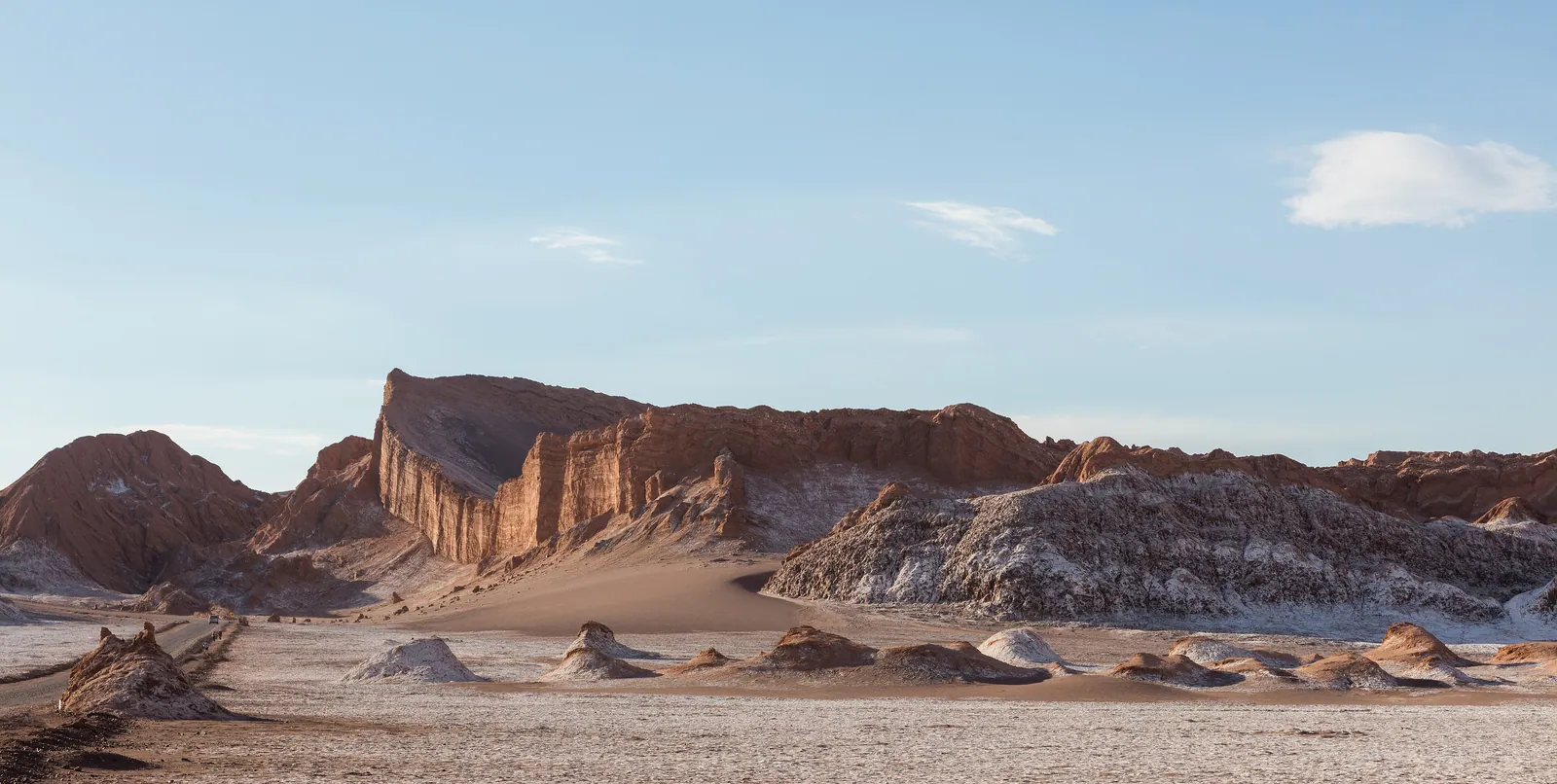
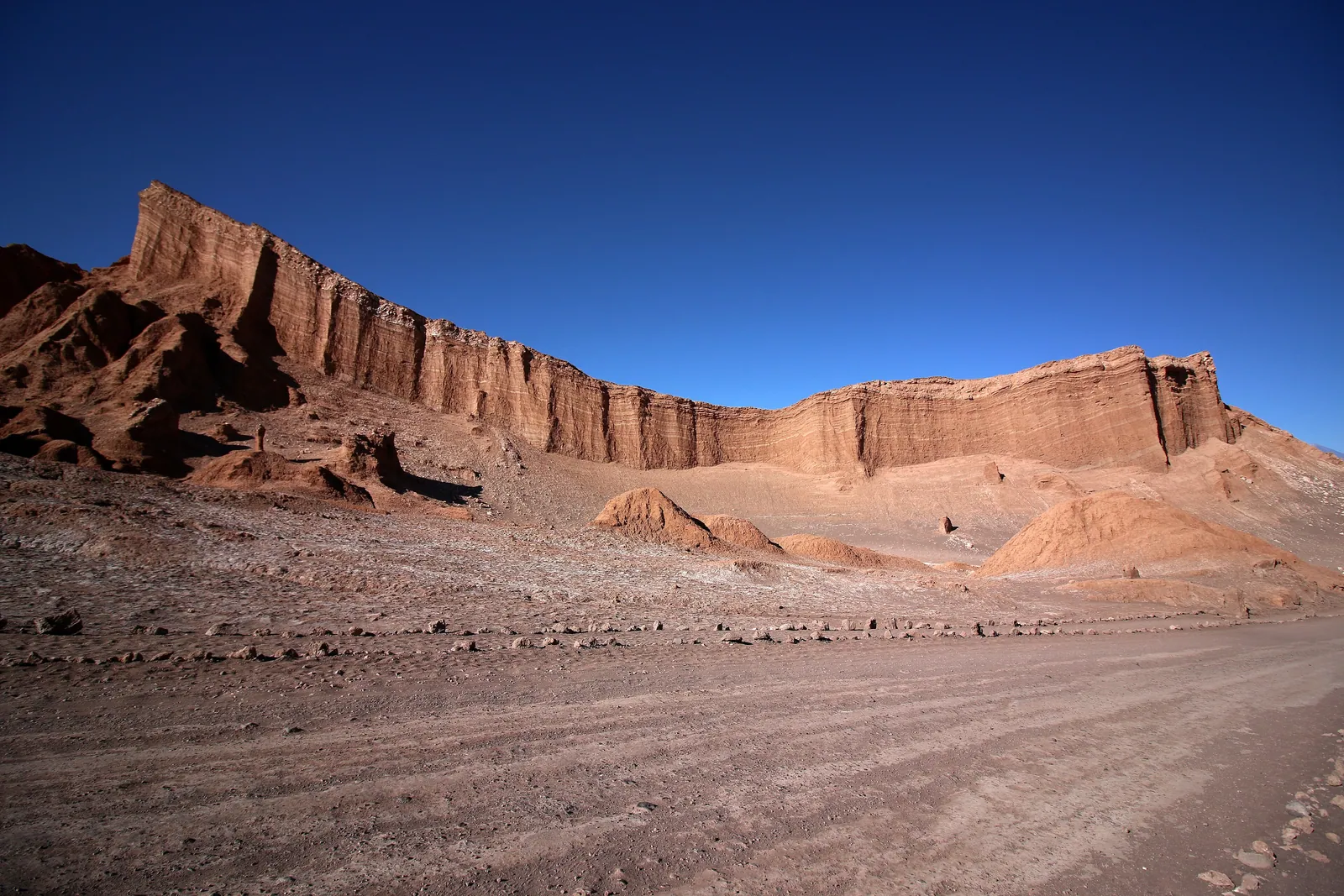
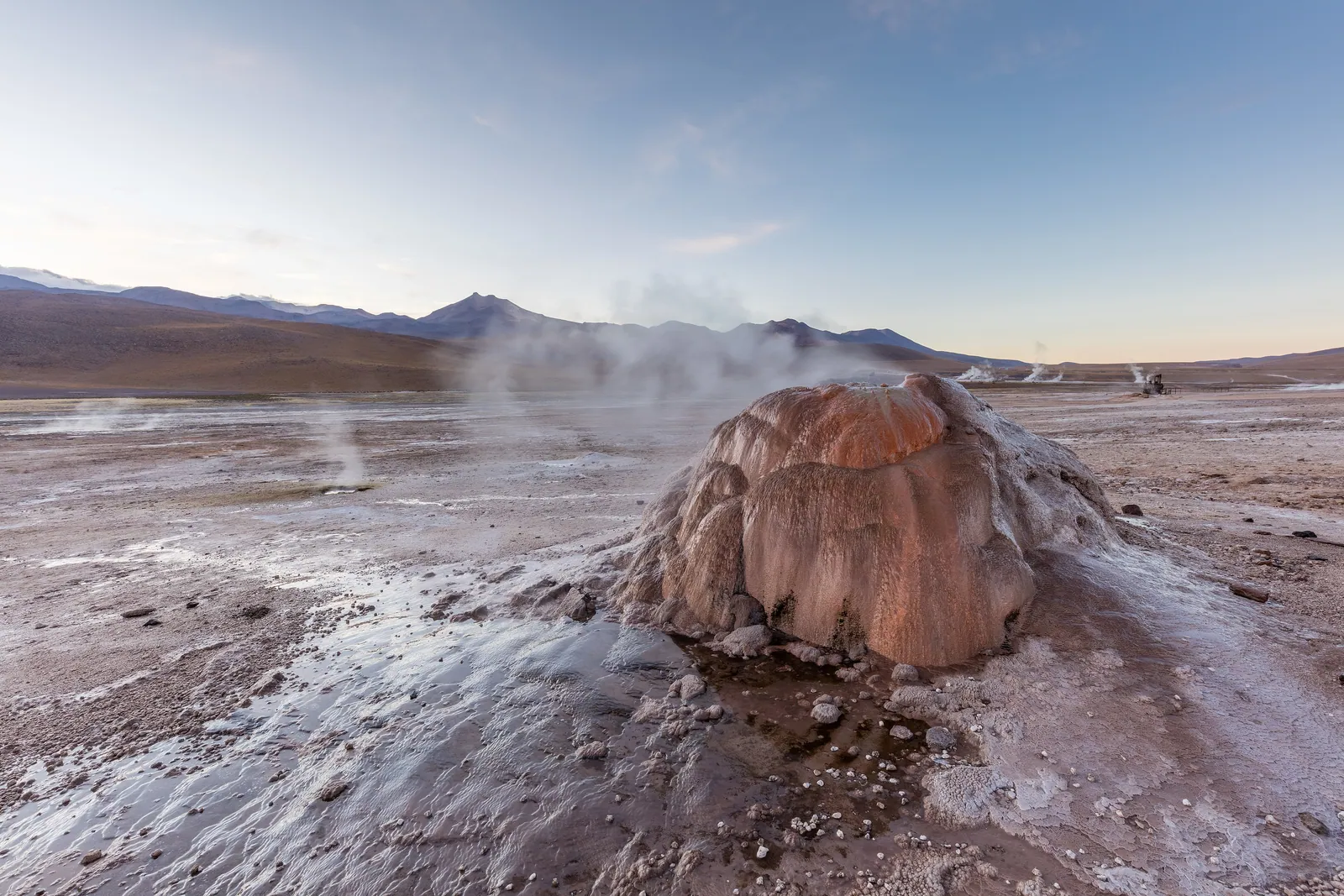
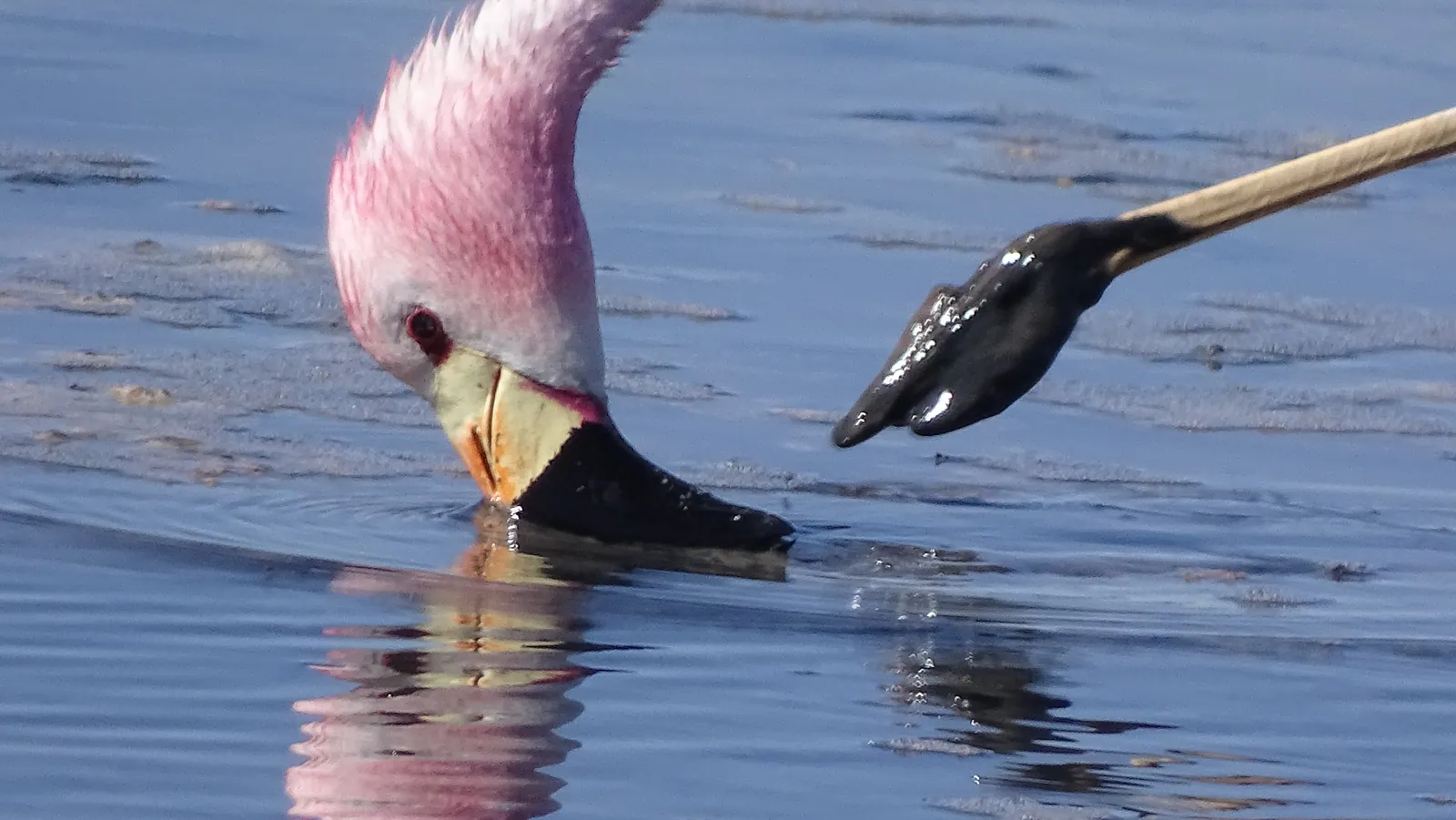
Travellers base themselves in San Pedro de Atacama, a low village of adobe walls and pepper trees at around 2,400 metres, and radiate out from it. In a single week you can walk through the wind-carved badlands of Valle de la Luna, stand among steaming fumaroles at the El Tatio geyser field at dawn, and watch flamingos stalk the brine of the world’s third-largest salt flat. And then there are the nights. With almost no humidity, no cloud and little light, the Atacama sky is so clear that the great observatories of the Southern Hemisphere have gathered here — and an ordinary evening with a telescope becomes one of the most memorable hours of the trip.
Watch the light go gold and then violet across the dunes and salt ridges of the Valley of the Moon — the classic, unmissable first evening in the Atacama.
Leave in the dark to reach the El Tatio geyser field at sunrise, when the cold air makes the fumaroles erupt in towering columns of steam at over 4,300 metres.
The Atacama’s dry, dark, high-altitude air gives some of the clearest skies on Earth — a guided stargazing session here is genuinely world-class.
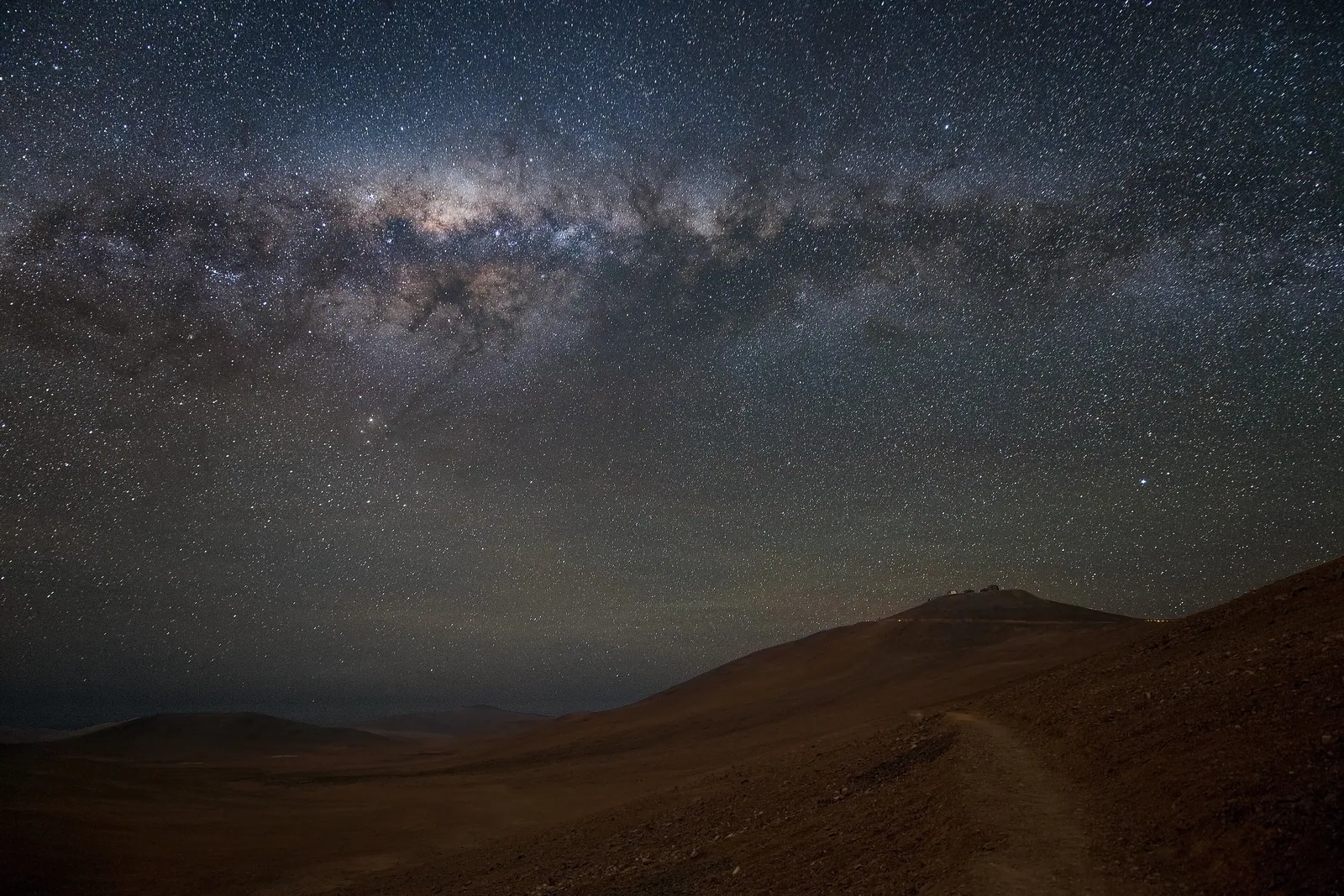
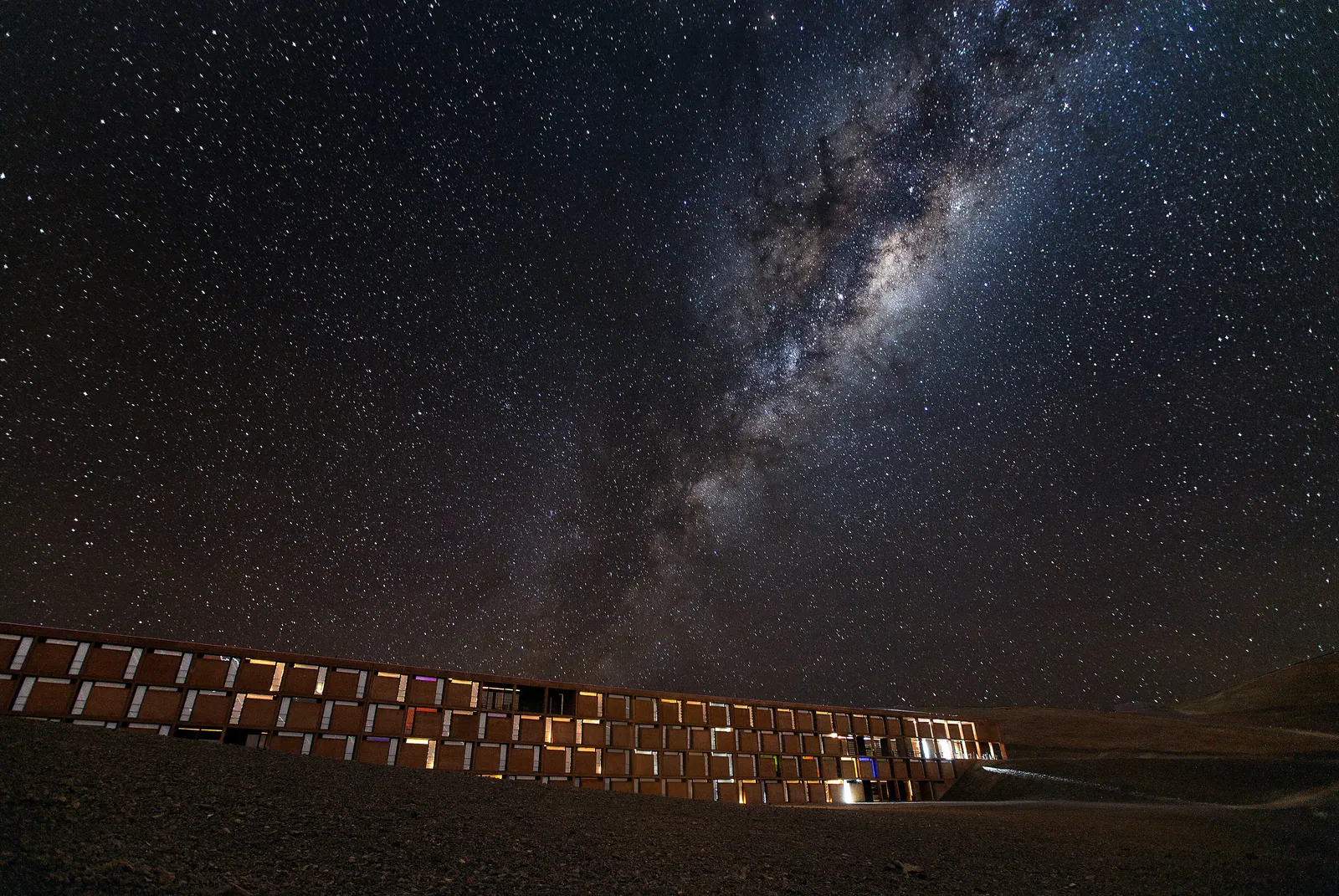
A short film to set the scene — sourced from YouTube and credited to its maker.
Hand-picked places to sleep, from the iconic to the characterful — each chosen for position as much as polish.
The pioneering explorations lodge — an all-inclusive house of calm courtyards and pools, with a daily roster of guided hikes, rides and ascents into the desert.
A serene, design-led lodge built around views of the Licancabur volcano, with a fine spa and a flexible programme of small-group desert excursions.
An intimate Relais & Châteaux property with only a handful of suites — and, unusually, a private guide and 4x4 assigned to each one for fully bespoke days.
The sights that earn their fame — and a few the crowds miss.
The Valley of the Moon — a surreal terrain of salt-streaked ridges, dunes and eroded rock just west of San Pedro, at its most extraordinary at sunset.
One of the highest geyser fields in the world, at over 4,300 metres. Arrive at sunrise, when the freezing air turns each vent into a column of steam.
The reserve at the heart of Chile’s largest salt flat, where Andean, Chilean and James’s flamingos feed in shallow brine against a volcanic horizon.
Two deep-blue lakes set above 4,000 metres in the altiplano, ringed by volcanoes — often paired with the red mineral shores of Piedras Rojas.
From landmark restaurants to the small rooms only locals mention.
One of San Pedro’s most refined kitchens, with a small tasting-style menu of contemporary Chilean cooking and Atacameño ingredients in a quiet courtyard.
A long-running San Pedro institution on the main street — an open fire, a sociable courtyard and dependable Chilean dishes that draw a crowd each night.
A warm, family-run favourite serving hearty, generous home cooking — a relaxed spot for cazuela, fresh juices and a proper Chilean breakfast.
| Location | Antofagasta Region, northern Chile, between the Pacific and the Andes |
|---|---|
| Famous for | Being the driest non-polar desert on Earth and having the world’s clearest night skies |
| Gateway town | San Pedro de Atacama, at roughly 2,400 metres above sea level |
| Astronomy | Home to major observatories, including ALMA on the Chajnantor plateau and ESO’s Paranal |
| Landscapes | Salt flats, altiplano lagoons, geyser fields, volcanoes and wind-carved valleys |
| Getting there | Fly to Calama (airport code CJC), then around a 90-minute drive to San Pedro |
Atacama Desert is a chapter of Andes to Antarctica · The Pacific Arc.
The Atacama is a year-round destination thanks to its reliably clear skies. April to June and September to November bring the most comfortable temperatures. The southern summer (December to February) is warmer by day but is the season of the brief ‘Bolivian winter’ rains, which can occasionally disrupt high-altitude excursions. Winter days are bright and pleasant, though nights are cold.
San Pedro de Atacama sits at about 2,400 metres, but several key excursions climb above 4,000 metres — El Tatio and the altiplano lagoons among them. The best approach is to take your first day or two gently, drink plenty of water, ease off alcohol, and schedule the highest trips later in the stay. Viajes Globales paces every itinerary to let you acclimatise comfortably.
Fly from Santiago to Calama (airport code CJC), a journey of roughly two hours, then transfer by road to San Pedro de Atacama — about 90 minutes through open desert. The drive itself is a fine introduction to the landscape, and we arrange the transfer as part of your guide.
Yes — it is among the very best on Earth. The combination of high altitude, almost no humidity, minimal cloud and very little light pollution gives the Atacama exceptionally clear, dark skies. That is precisely why major observatories such as ALMA and ESO’s Paranal are based here, and why a guided night with a telescope is a highlight of any visit.
Four to five nights is the sweet spot. That allows a gentle first day to acclimatise, then time for the essentials — Valle de la Luna, El Tatio, the Salar de Atacama and the altiplano lagoons — without rushing, plus at least one clear night set aside for stargazing. A longer stay opens up quieter valleys and high-desert hikes.
Travel here as a chapter of a grand journey, or as a trip of its own. We will tailor it to your dates and pace.