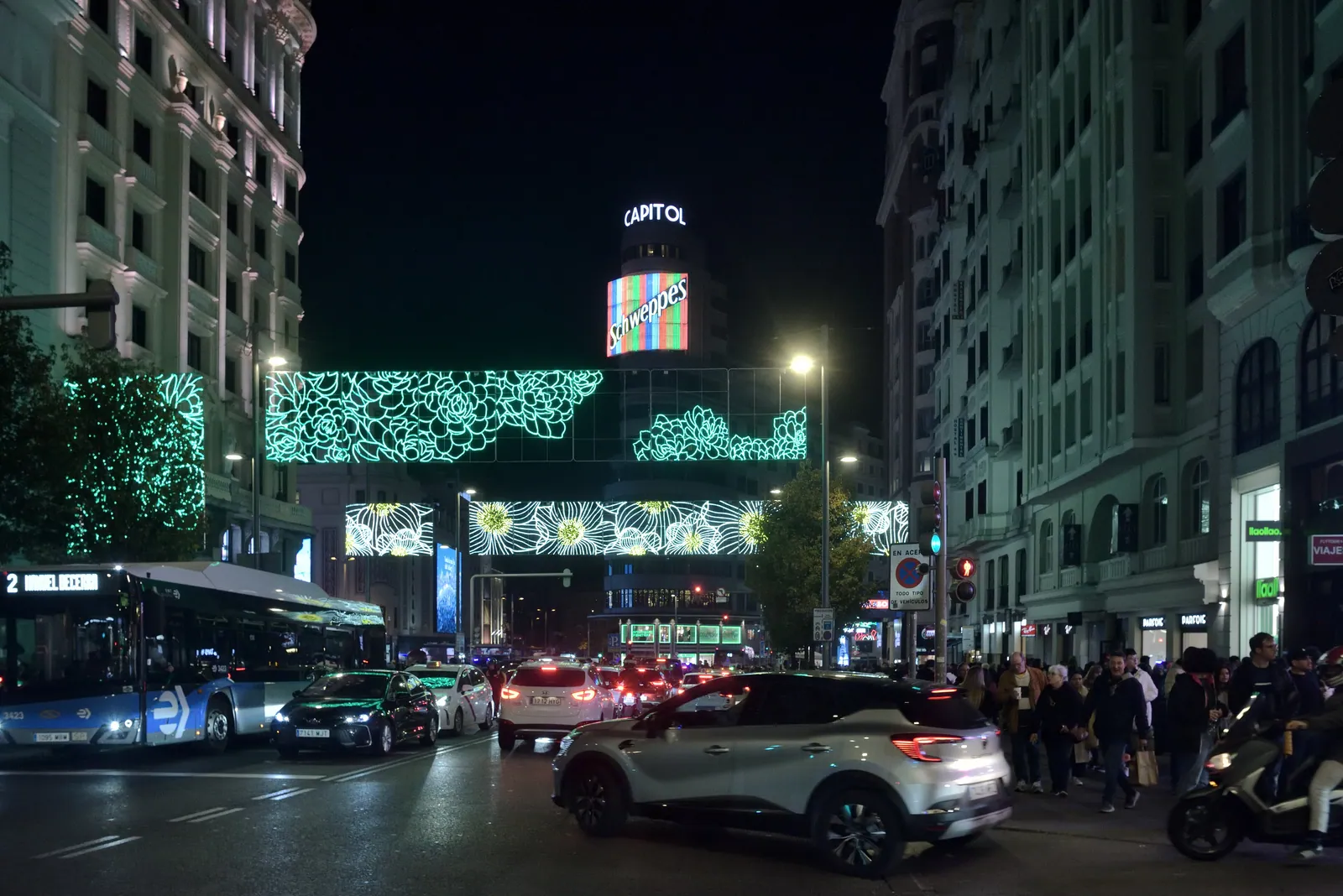
Days 1–6Madrid & Moorish Spain
The journey opens in Spain, the western edge of the old Islamic world. Madrid, then south through Andalusia’s Moorish cities — a deliberate reminder that East and West were never as separate as maps pretend.

Ninety days from Madrid to Kyoto along the old idea of the East — across the Strait of Gibraltar, the Nile, the Nabataean desert, the Caucasus, the Silk Road oases and the Himalaya.
40°25′N 3°42′W → 35°01′N 135°46′E
For most of history, “the East” was a direction, not a place — a horizon you walked toward and never quite reached. The Long Way East takes that horizon seriously. It begins in Madrid and ends, ninety days later, in Kyoto, having crossed the seam of three continents the slow way.
This is the most cultural of our grand journeys. You move through Moorish Spain and Morocco, the Nile valley, the rose-red canyons of Petra, the green Caucasus, the turquoise Silk Road cities of Uzbekistan, the Himalaya, and finally the temples of Japan. The thread is human: trade routes, pilgrim roads, and the places where civilisations rubbed against one another.
Ninety days sounds long until you are inside it. By Samarkand you will have stopped counting, and started living at the pace the route was always meant to be travelled.
Madrid, Spain → Kyoto, Japan
Scroll east through every leg of the route — drag, swipe or use the arrows. Each chapter is a place, a story, and where you sleep.
Days 1–6The journey opens in Spain, the western edge of the old Islamic world. Madrid, then south through Andalusia’s Moorish cities — a deliberate reminder that East and West were never as separate as maps pretend.
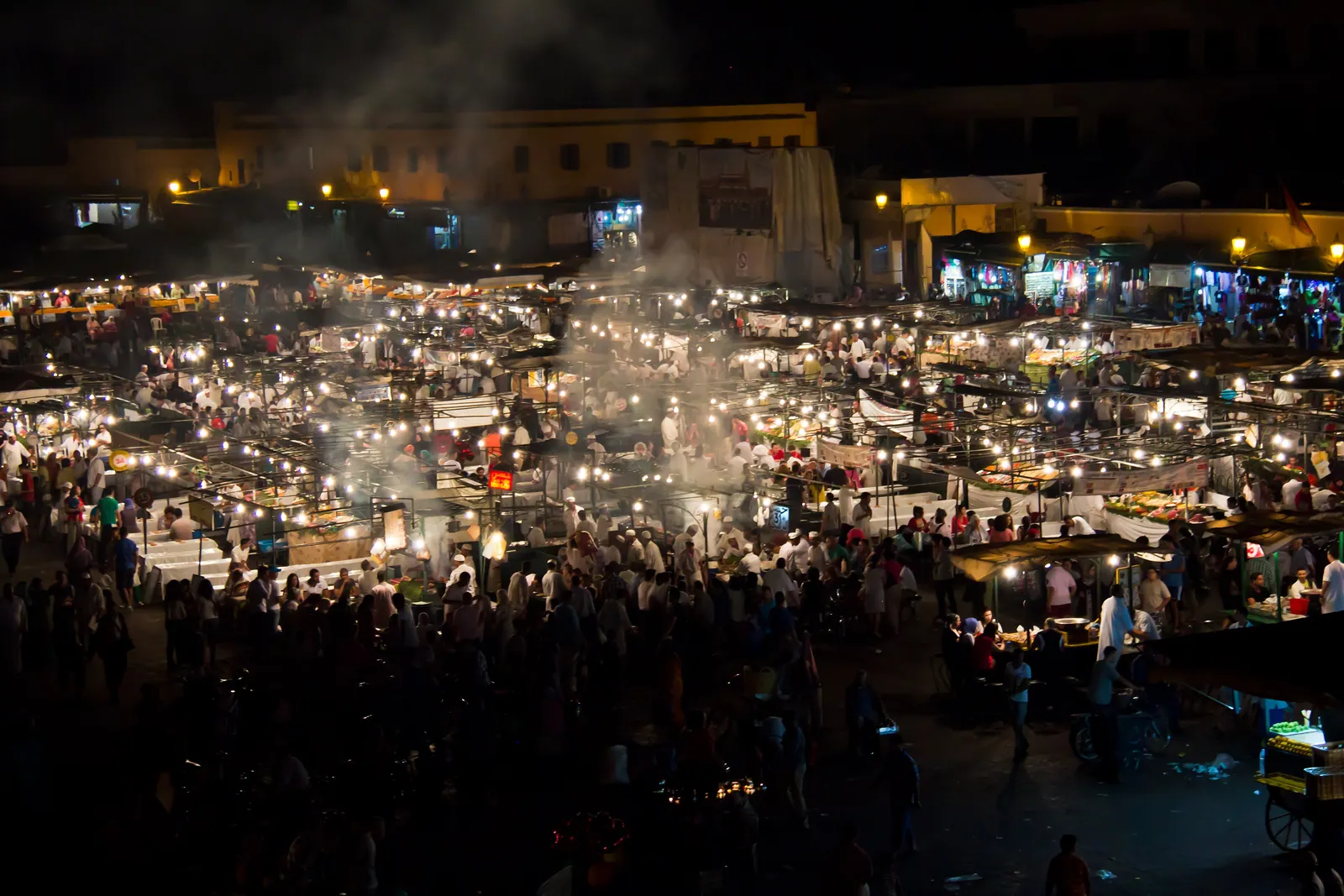
Days 7–14Across the Strait of Gibraltar into Africa. The souks and gardens of Marrakech, the snowline of the High Atlas, and your first true caravan city — where the storyteller’s circle in Jemaa el-Fnaa still draws a crowd at dusk.
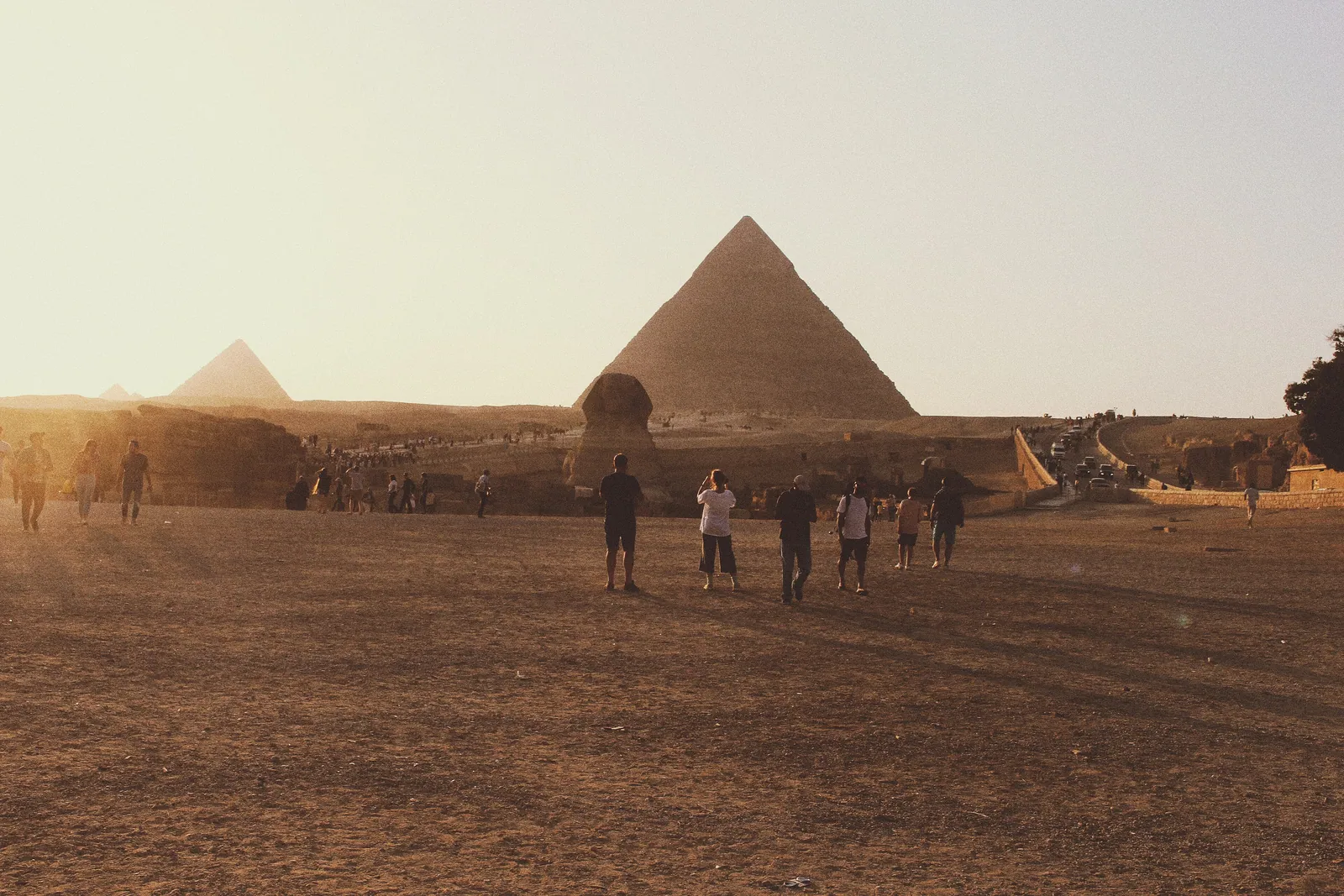
Days 15–24Egypt: the pyramids of Giza, the temples of Luxor, and several slow days on the Nile by traditional dahabiya. The oldest tourism on the planet, and still the most humbling.
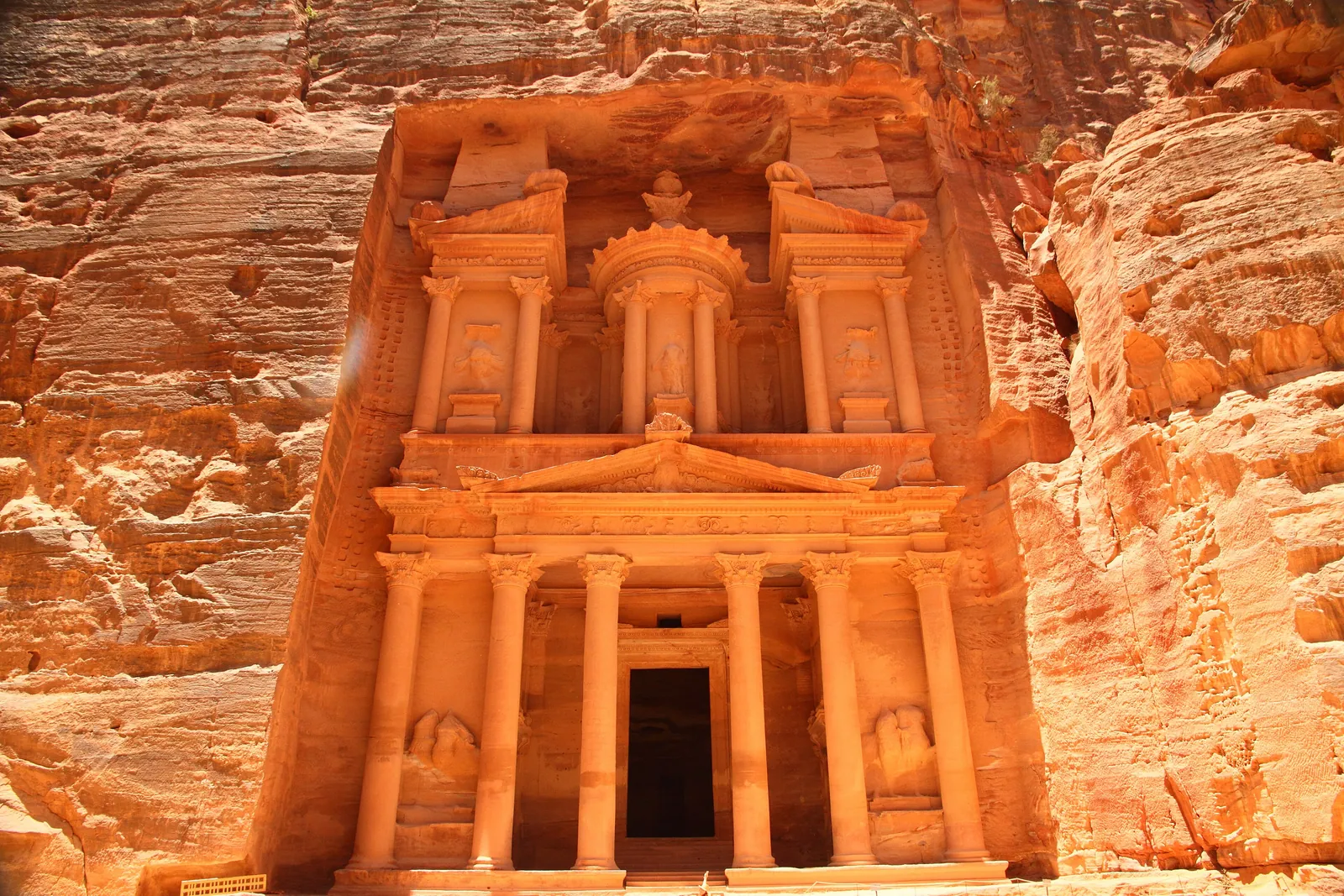
Days 25–31The Nabataean capital, carved into rose sandstone and reached only through a 1.2-kilometre slot canyon. Then a night under the stars in the desert of Wadi Rum.
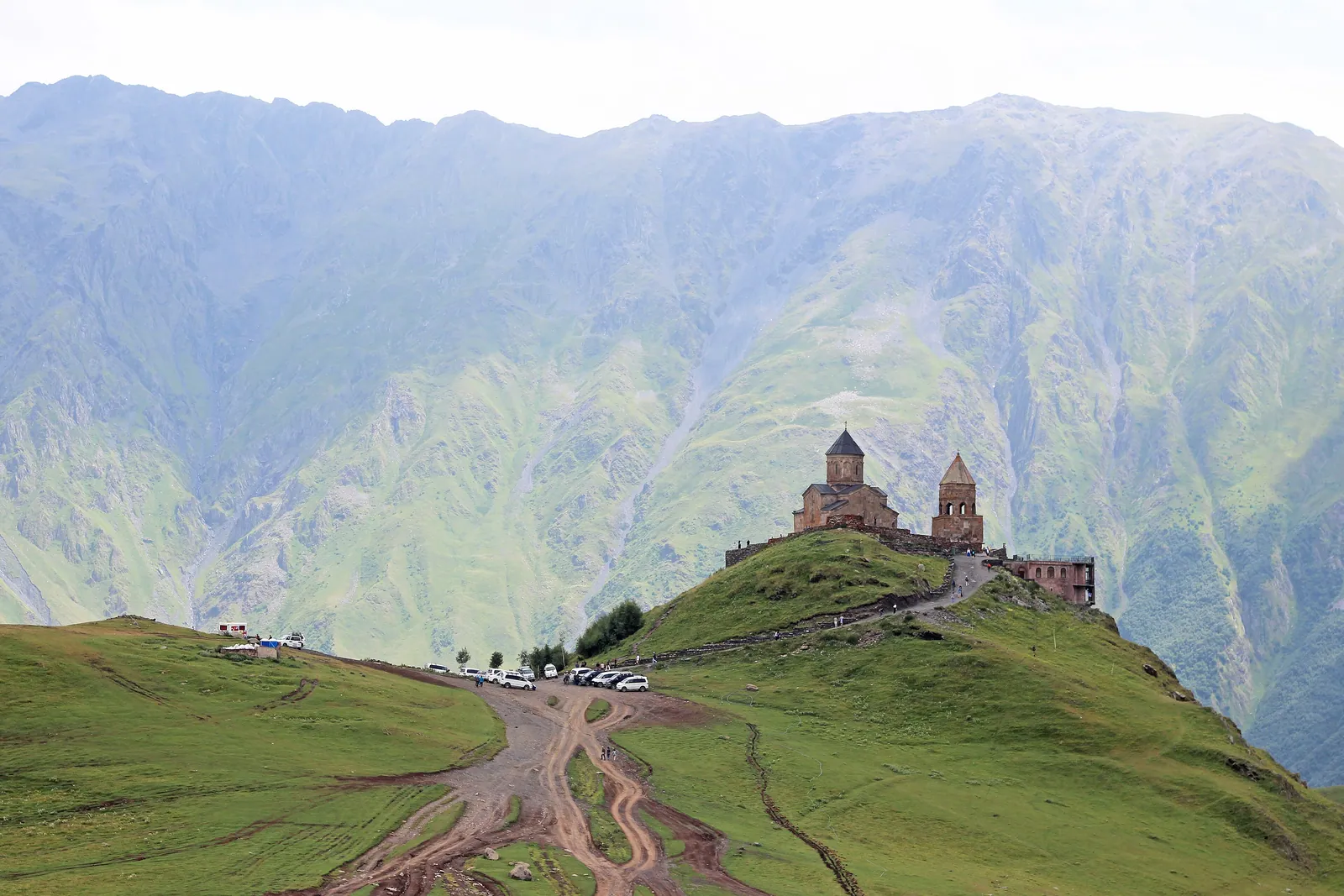
Days 32–42Up into Georgia — a green, vertical country of hilltop churches, ancient vineyards and a 8,000-year wine culture. The road to Kazbegi is one of the great mountain drives anywhere.
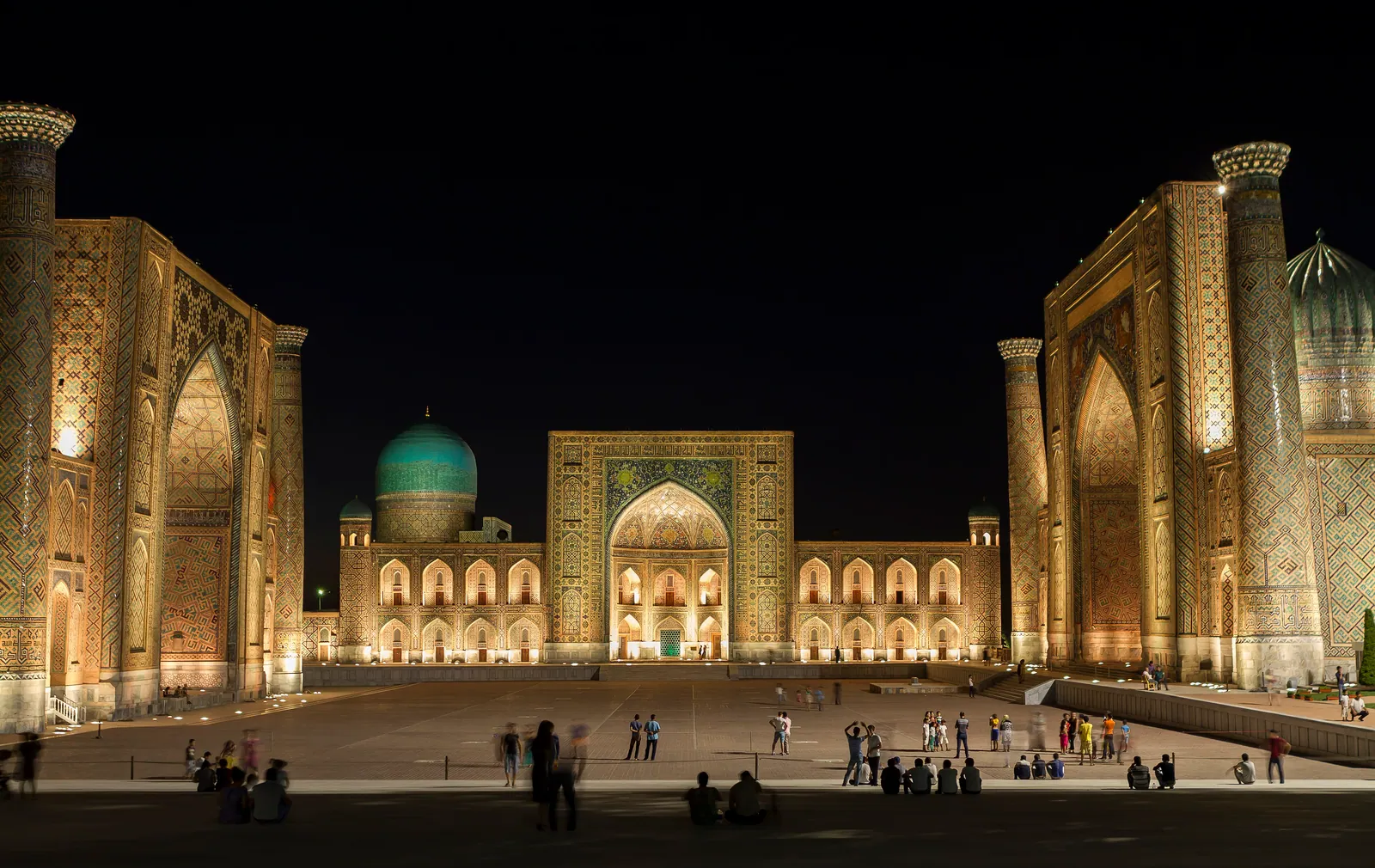
Days 43–56The heart of the journey — the turquoise-domed cities of Uzbekistan: Khiva, Bukhara, and Samarkand’s Registan, perhaps the single most beautiful public square ever built.
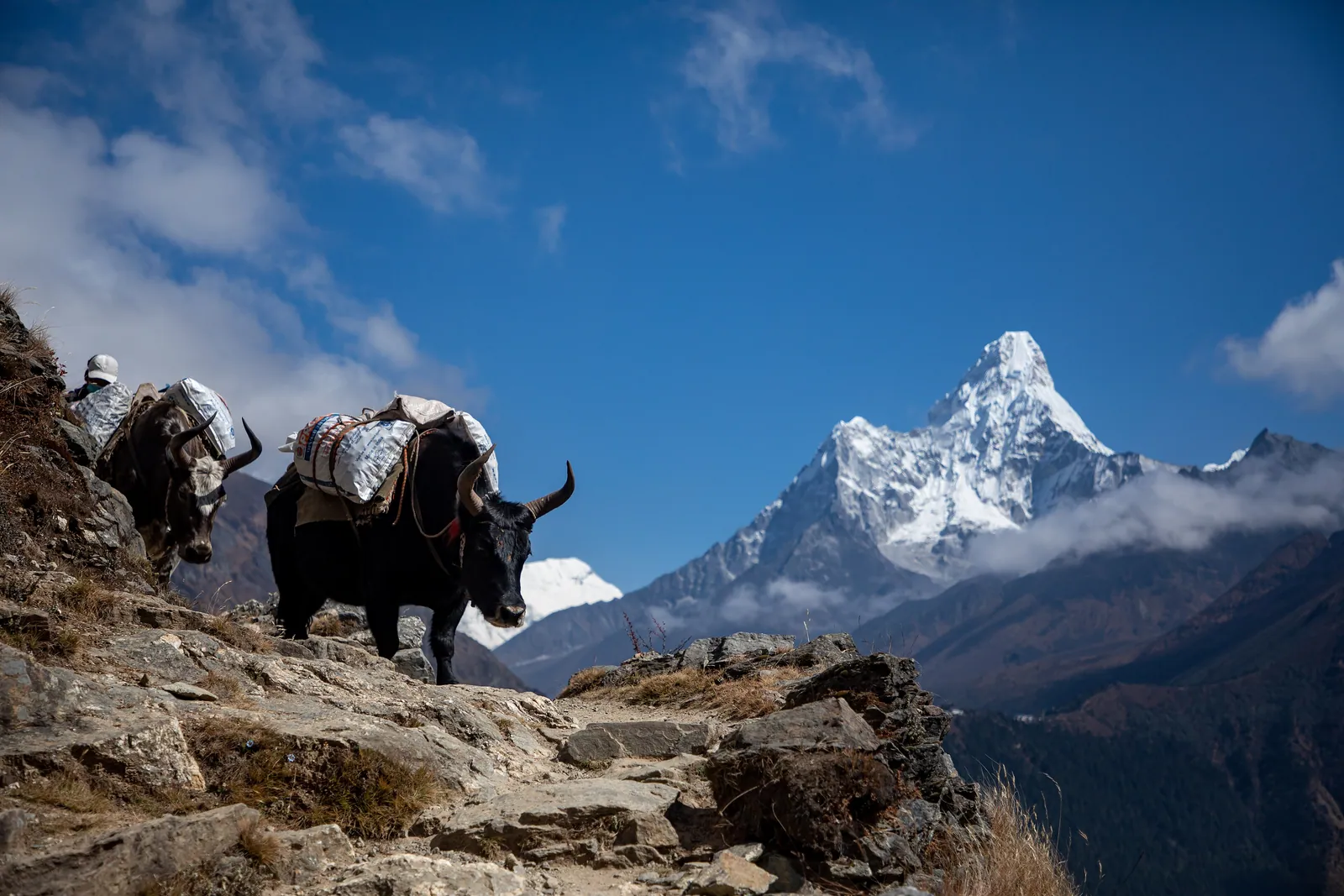
Days 57–72The roof of the world. You trek gently among the high peaks of the Khumbu — no summits, simply weeks of walking through the most vertical landscape on Earth, sleeping in fine mountain lodges.
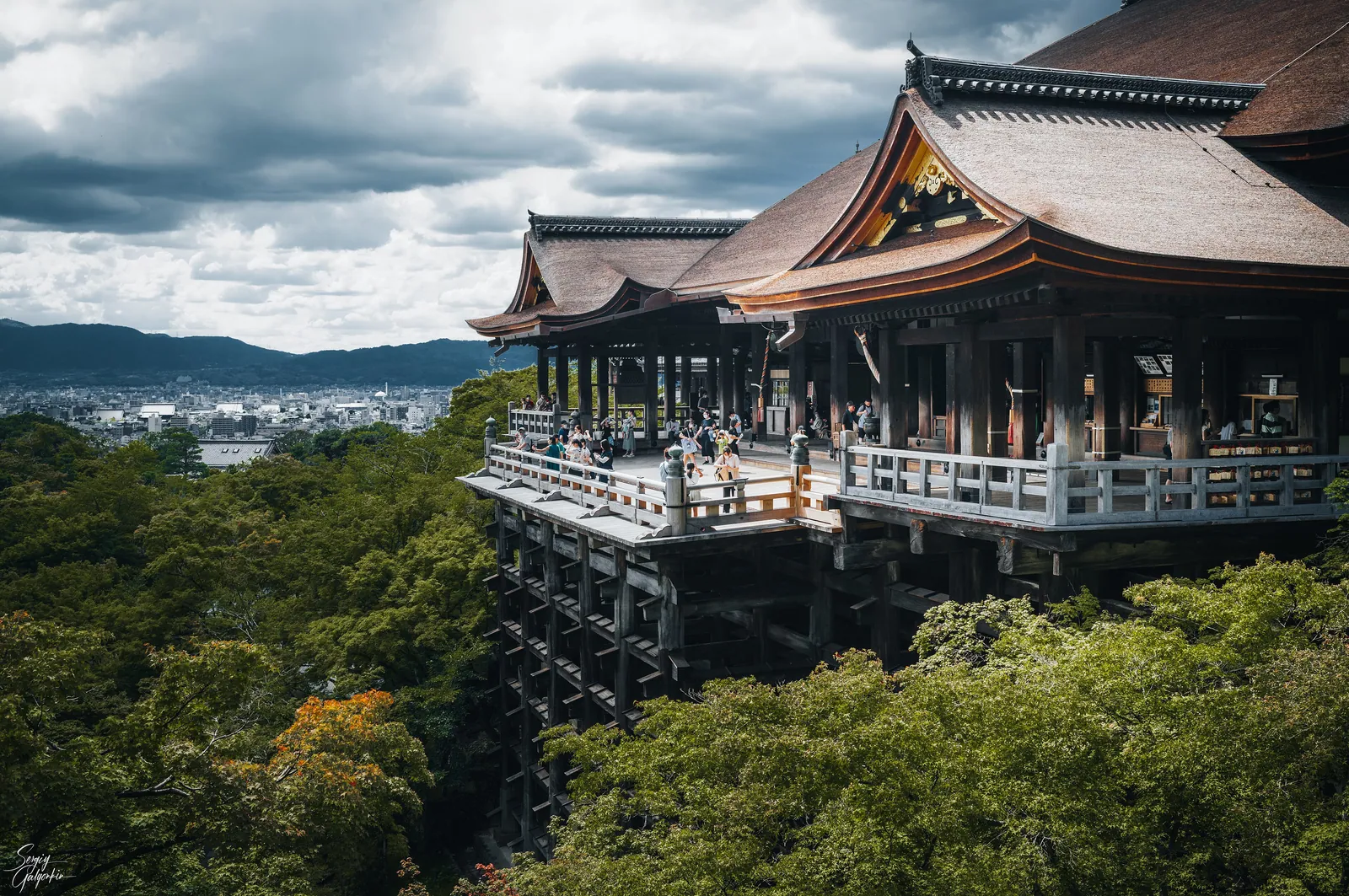
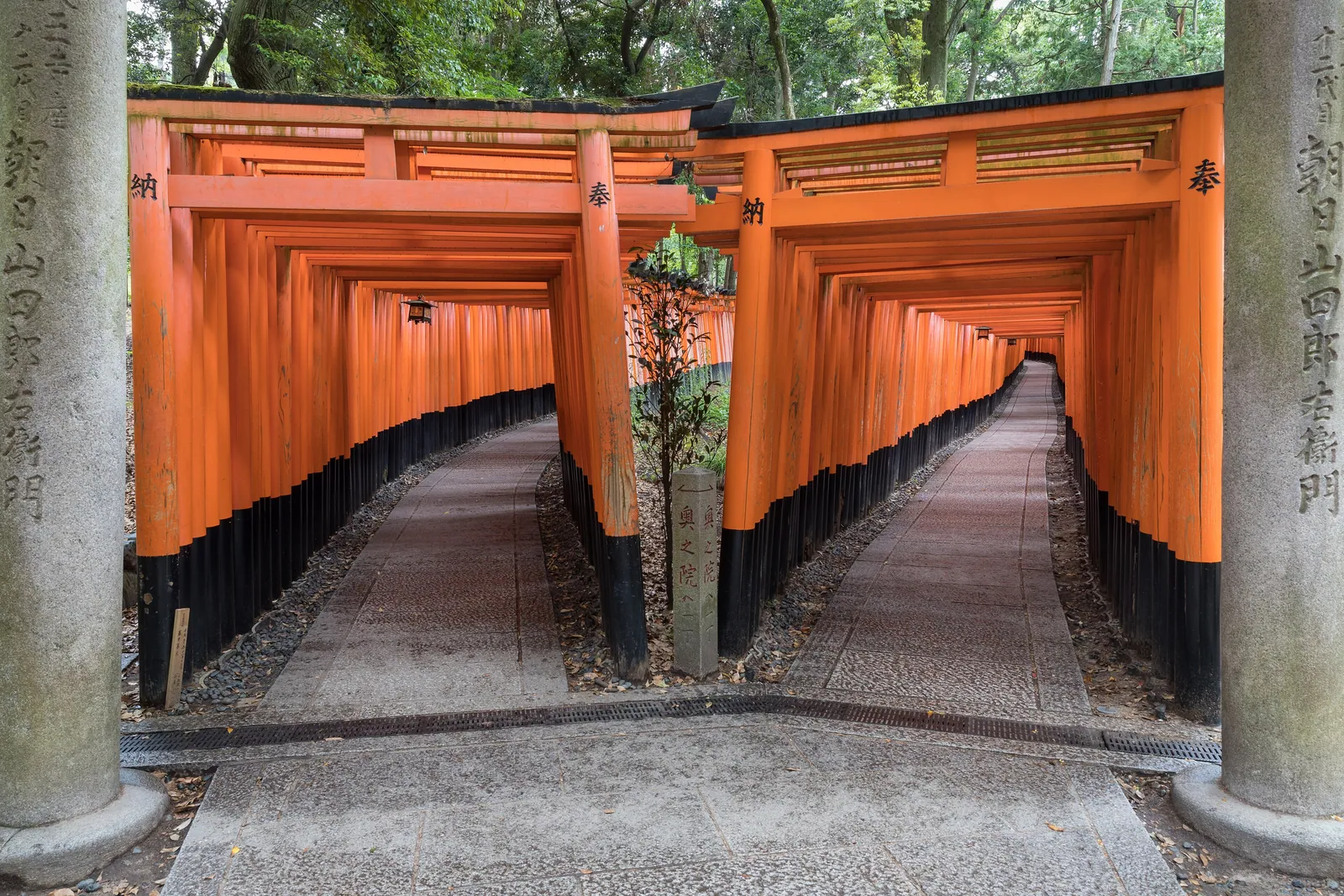
Days 73–90The journey ends in the old imperial capital of Japan — temples, tea, raked-gravel gardens and the slow ceremony of autumn. The far East, finally reached on foot, by sea and by rail.
| Begins | Madrid, Spain |
|---|---|
| Ends | Kyoto, Japan |
| Duration | 90 days — travelled in modules with rest days built in |
| Best season | Spring or autumn; the route avoids extreme heat and snow |
| Fitness | Moderate. A gentle two-week Himalayan trek; everything else is daily touring |
| Group size | Private, or small group of up to 10 |
| Included | All hotels and ryokan, the Nile cruise, rail and flights, guides, most meals, visas support |
Moderate — long, varied, culturally immersive
March to June, and September to November
From €54,000 per person
Comprehensive — hotels, internal travel, guiding, permits. International flights quoted separately.
No. The Long Way East is built as six modules of one to two weeks each. Many travellers join for a single module — Petra and the Caucasus, for example, or Samarkand and the Himalaya — and return for the rest in another year. The full ninety-day journey is the complete arc, but it is not all-or-nothing.
Viajes Globales manages every border crossing and prepares your visa paperwork for all nine countries. You receive a single document pack before departure and a local fixer meets you at each frontier. You are never left to navigate an unfamiliar border alone.
It is a moderate lodge-to-lodge trek, not an expedition. You walk three to five hours a day between comfortable mountain lodges, with no camping and no technical climbing. Porters carry your bags. The challenge is altitude and consistency rather than difficulty, and the schedule includes acclimatisation days.
Departures run in spring (March) and autumn (September). A spring start reaches the Himalaya before the summer monsoon and Kyoto for early autumn; an autumn start crosses the deserts in mild weather and arrives in Kyoto for peak maple season in late November.
Very much so. Roughly half of our Long Way East travellers come solo. The small-group departures are sociable without being relentless, single rooms are available throughout, and there is no forced-pairing single supplement on group dates.
JordanFull guideA guide to Petra, Jordan — the rose-red Nabataean city carved into sandstone. When to go, how to walk the Siq, and where to stay and eat in Wadi Musa.
JapanFull guideA guide to Kyoto, Japan — the former imperial capital and its 1,600 temples. When to go for cherry blossom and autumn colour, plus the finest ryokan and kaiseki tables.

Take the full arc, or a single chapter of it. Either way, the conversation is the first step.