Belmond Sanctuary Lodge
Iconic · €€€€The only hotel beside the citadel entrance. Its position — first in, last out — is unmatched anywhere in Peru.
13°09′47″S 72°32′44″W
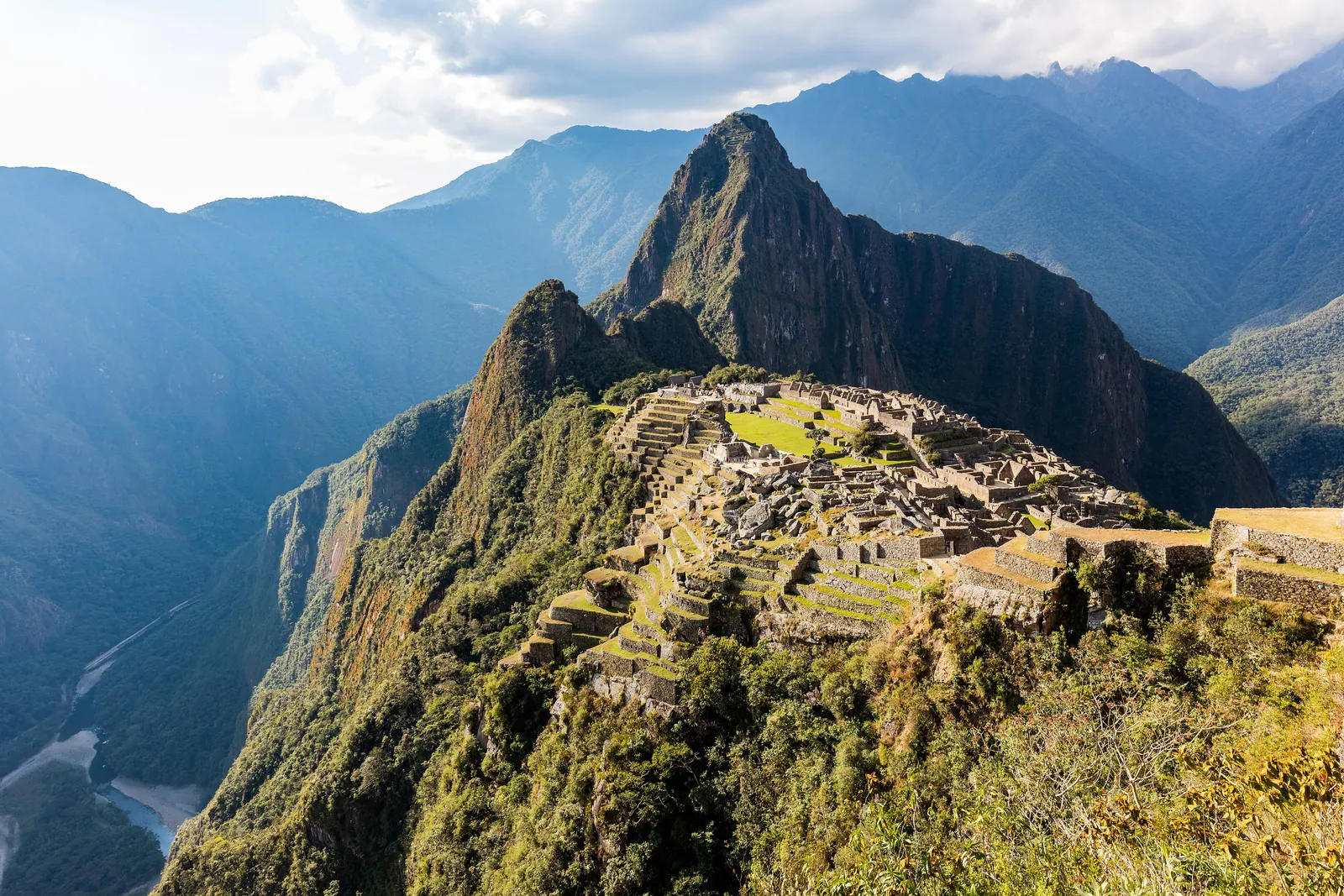
Machu Picchu is a 15th-century Inca citadel set on a mountain ridge at 2,430 metres (7,970 ft) in the Cusco Region of Peru. Built around 1450 under the emperor Pachacuti and abandoned roughly a century later, it is the best-preserved Inca site in the world, a UNESCO World Heritage Site since 1983, and one of the New7Wonders of the World.
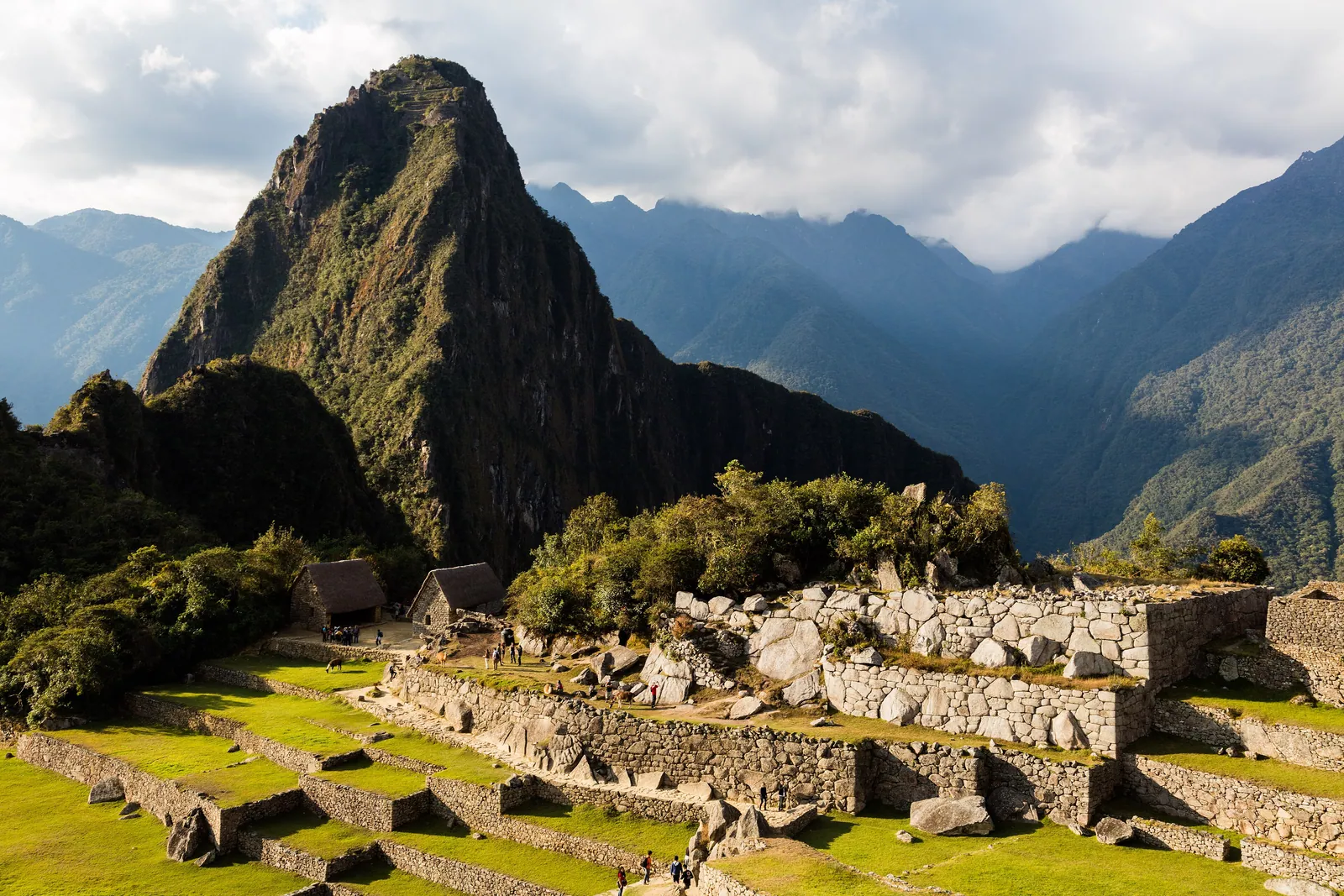
Machu Picchu is the most famous archaeological site in the Americas, and one of the few that genuinely exceeds its photographs. It sits on a narrow saddle of rock between two peaks, wrapped on three sides by the Urubamba River far below, and it was built without iron tools, the wheel, or mortar — its finest walls are cut so precisely that a blade will not fit between the stones.
For all its fame, Machu Picchu rewards travellers who slow down. The site is busiest in the late morning, when day-trippers arrive on the train from Cusco. Stay overnight in Aguas Calientes or at the gate, enter at dawn or in the quieter afternoon slot, and the citadel becomes a different, calmer place.
The first entry slot, before the day train from Cusco arrives, gives you the citadel in mist and near-silence. It is the single best decision you can make here.
Inti Punku, the Sun Gate, is the original Inca Trail entrance. The gentle hour-long climb gives the classic elevated view and far fewer people.
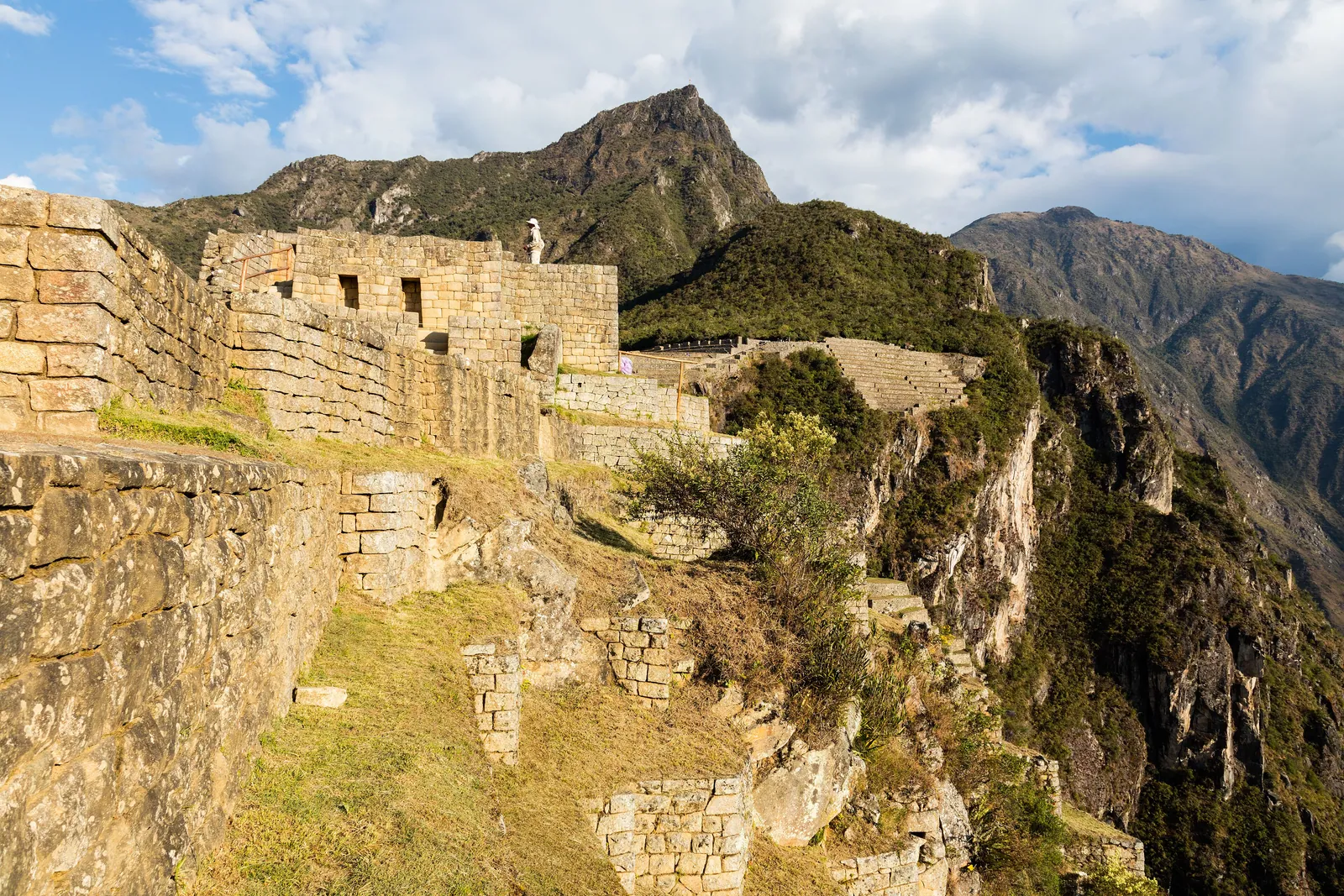
The Temple of the Sun, the Royal Tomb and the Intihuatana stone show Inca masonry at its peak — and reveal how the city tracked the solstices.
A short film to set the scene — sourced from YouTube and credited to its maker.
Hand-picked places to sleep, from the iconic to the characterful — each chosen for position as much as polish.
The only hotel beside the citadel entrance. Its position — first in, last out — is unmatched anywhere in Peru.
A cloud-forest village of casitas on the river’s edge, with one of the largest native orchid collections in the world.
A polished riverside base with strong Andean cuisine and an easy walk to the bus stop for the citadel.
The sights that earn their fame — and a few the crowds miss.
The steep peak in every classic photograph. A demanding hour up exposed Inca steps for a vertiginous view down onto the citadel. Tickets sell out months ahead.
The original Inca Trail gateway, about an hour’s gentle climb above the site, with the great elevated panorama and the morning light.
A short, flat trail to a heart-stopping cliff-edge log bridge — an original Inca defensive structure most visitors miss.
The ceremonial heart of Machu Picchu: a curved solar temple and the carved ritual stone aligned to the solstices.
From landmark restaurants to the small rooms only locals mention.
The most convenient good lunch at the citadel itself — a generous Andean buffet inside the gate-side lodge.
A long-running, much-loved Aguas Calientes institution — quirky nautical decor and a reliably excellent three-course menu.
A small, warm room serving refined Andean cooking — alpaca, river trout, Andean grains — and the best dinner in the town.
| Location | Cusco Region, Peru — on a ridge above the Urubamba (Vilcanota) River |
|---|---|
| Elevation | 2,430 metres (7,970 feet) above sea level |
| Built | Around 1450 CE, during the reign of the Inca emperor Pachacuti |
| Recognition | UNESCO World Heritage Site (1983); New7Wonders of the World (2007) |
| Gateway town | Aguas Calientes, also called Machu Picchu Pueblo |
| Annual visitors | Capped by timed-entry tickets; roughly 1.5 million per year |
Machu Picchu is a chapter of Andes to Antarctica.
The dry season, from May to September, offers the clearest skies and the most reliable mountain views. April and October are excellent shoulder months with green landscapes and fewer people. The wet season runs from November to March; the citadel stays open, but afternoon rain is common and the Inca Trail closes every February for maintenance.
There is no road to the citadel. Most travellers take a train from Cusco or the Sacred Valley to Aguas Calientes, then a short shuttle bus up the mountain. The alternative is to walk in on the classic four-day Inca Trail or the Salkantay trek, both of which require permits booked months in advance.
Yes. Entry to Machu Picchu requires a timed ticket bought in advance for a specific circuit and time slot, and all visitors must enter with a licensed guide. Tickets — especially for the Huayna Picchu and Machu Picchu Mountain add-ons — regularly sell out weeks or months ahead.
Plan at least two days. One overnight in Aguas Calientes lets you enter early or late, when the site is quiet, and gives a weather buffer if your first morning is cloudy. Travellers who want to climb Huayna Picchu or walk to the Sun Gate should allow a second entry ticket.
Less than many expect. At 2,430 metres, Machu Picchu is actually lower than Cusco (3,400 metres). The altitude challenge is really in Cusco and the Sacred Valley, where most itineraries spend a few days first — which is exactly the acclimatisation you want.
Travel here as a chapter of a grand journey, or as a trip of its own. We will tailor it to your dates and pace.