Andes to Antarctica — a grand journey from Lima, Peru to The Antarctic Peninsula
Grand Journey 01

Andes to Antarctica

Forty-five days down the spine of the Americas — from the Pacific desert of Peru to the white silence of Antarctica. Inca citadels, the world’s largest mirror, Patagonian granite, and the seventh continent.

12°03′S 77°02′W → 64°49′S 63°29′W

45Days, escorted
5Countries
9Chapters
9.2kKilometres
The route

Andes to Antarctica is the journey our founders built first, and the one they still call the truest. It follows a single, stubborn line south — from the fog-grey Pacific coast of Lima, up into thin Andean air, across an inland sea of salt, and down through Patagonia until the map simply runs out of land.

You travel the way the continent is actually shaped: slowly, and with altitude. Nine days are spent acclimatising before you ever see Machu Picchu. Two weeks later you are on the salt flats of Bolivia at 3,656 metres, watching the sky double itself in a sheet of water. The journey ends where almost no journey does — crossing the Drake Passage by expedition ship to stand on the Antarctic Peninsula.

Every night is booked into a hotel we have personally slept in. Every border is handled for you. You carry a daypack; we carry everything else.

LimaCuscoMachu PicchuTiticacaUyuniAtacamaTorres del PaineUshuaiaAntarctica

Lima, Peru  →  The Antarctic Peninsula

Chapter by chapter

The journey, told the way it is travelled.

Scroll east through every leg of the route — drag, swipe or use the arrows. Each chapter is a place, a story, and where you sleep.

Lima & the Pacific Fog — Lima, PeruDays 1–3
Lima, Peru · 12°03′S 77°02′W

Lima & the Pacific Fog

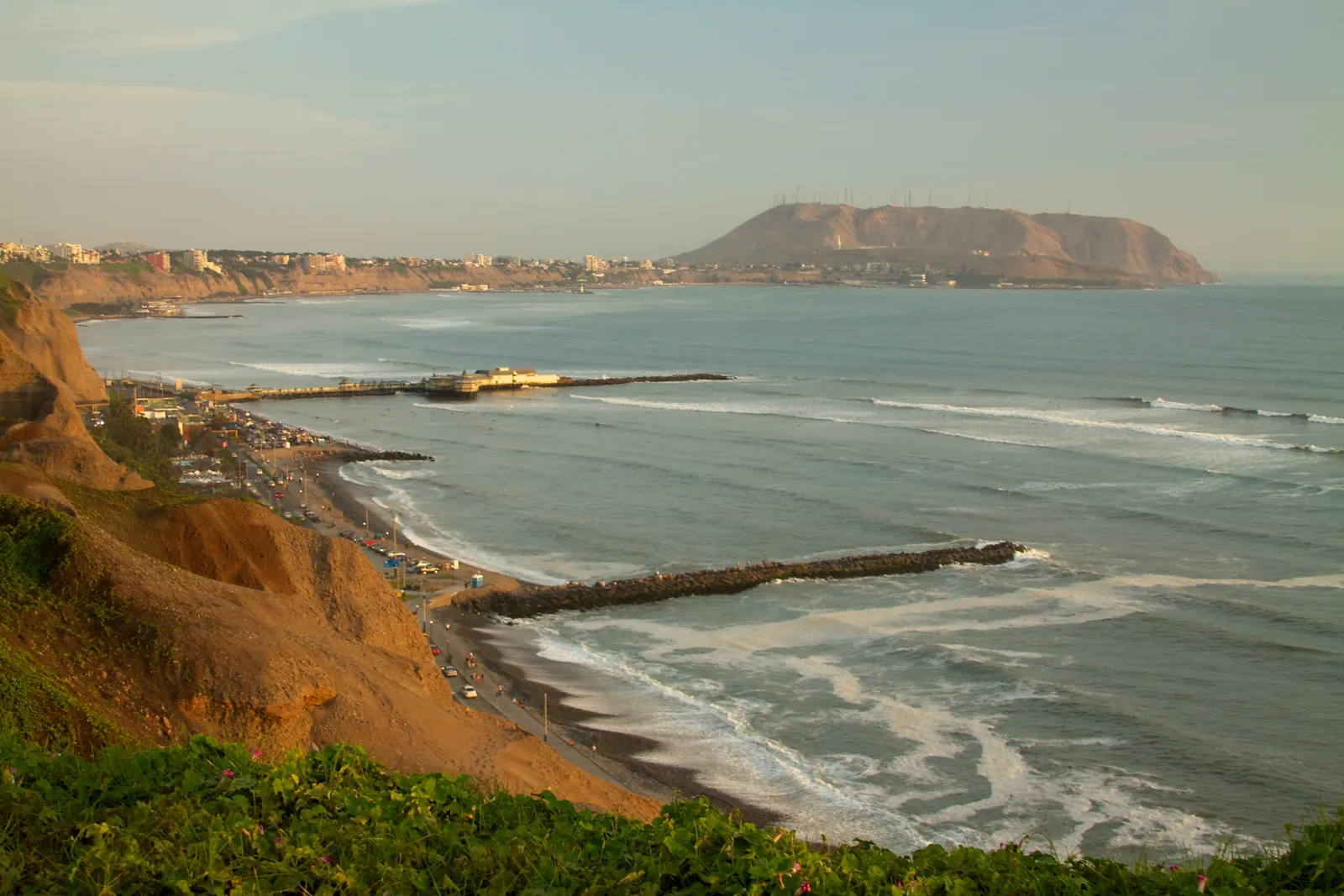
You begin at sea level, in a city that faces the cold Humboldt Current. Three unhurried days in Barranco and Miraflores let the journey find its rhythm — and let you eat, because Lima is one of the great food cities on Earth.

Altitude0–150 m
ClimateCoastal desert
StayHotel B, Barranco
Cusco & the Sacred Valley — Cusco, PeruDays 4–8
Cusco, Peru · 13°31′S 71°58′W

Cusco & the Sacred Valley

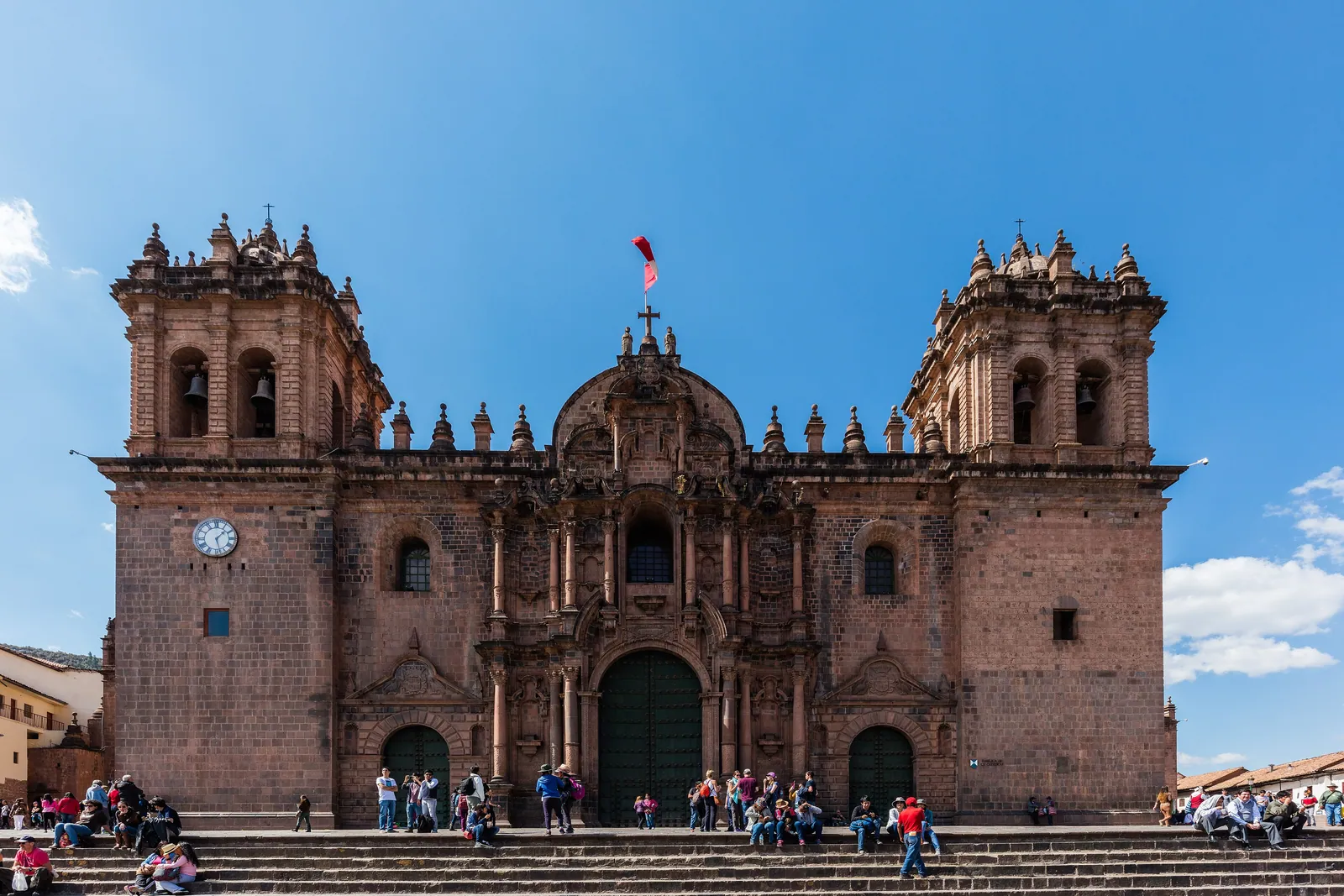
Fly inland and up to 3,400 metres — the former capital of the Inca world. You acclimatise gently among Andean markets and terraced ruins, sleeping low in the Sacred Valley where the air is kinder.

Altitude2,800–3,400 m
RegionCusco
StaySol y Luna, Urubamba
Machu Picchu — Machu Picchu, PeruDays 9–11
Machu Picchu, Peru · 13°09′47″S 72°32′44″W

Machu Picchu

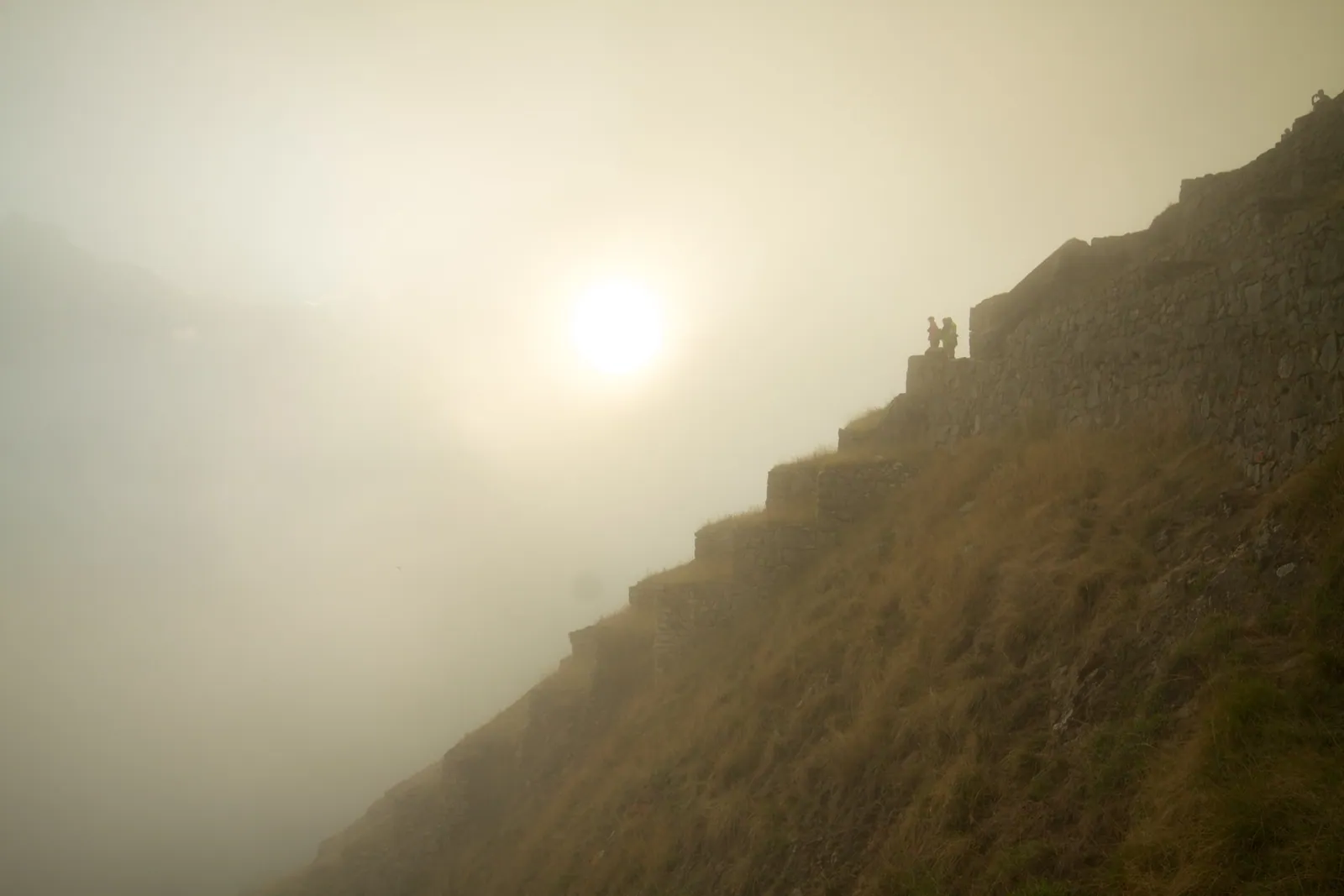
The citadel at dawn, before the day train arrives — mist lifting off the terraces, Huayna Picchu sharpening overhead. You have two visits: one to feel it, one to understand it, with an archaeologist alongside.

Altitude2,430 m
Builtc. 1450 CE
ListedUNESCO 1983
Lake Titicaca — Puno, PeruDays 12–14
Puno, Peru · 15°45′S 69°23′W

Lake Titicaca

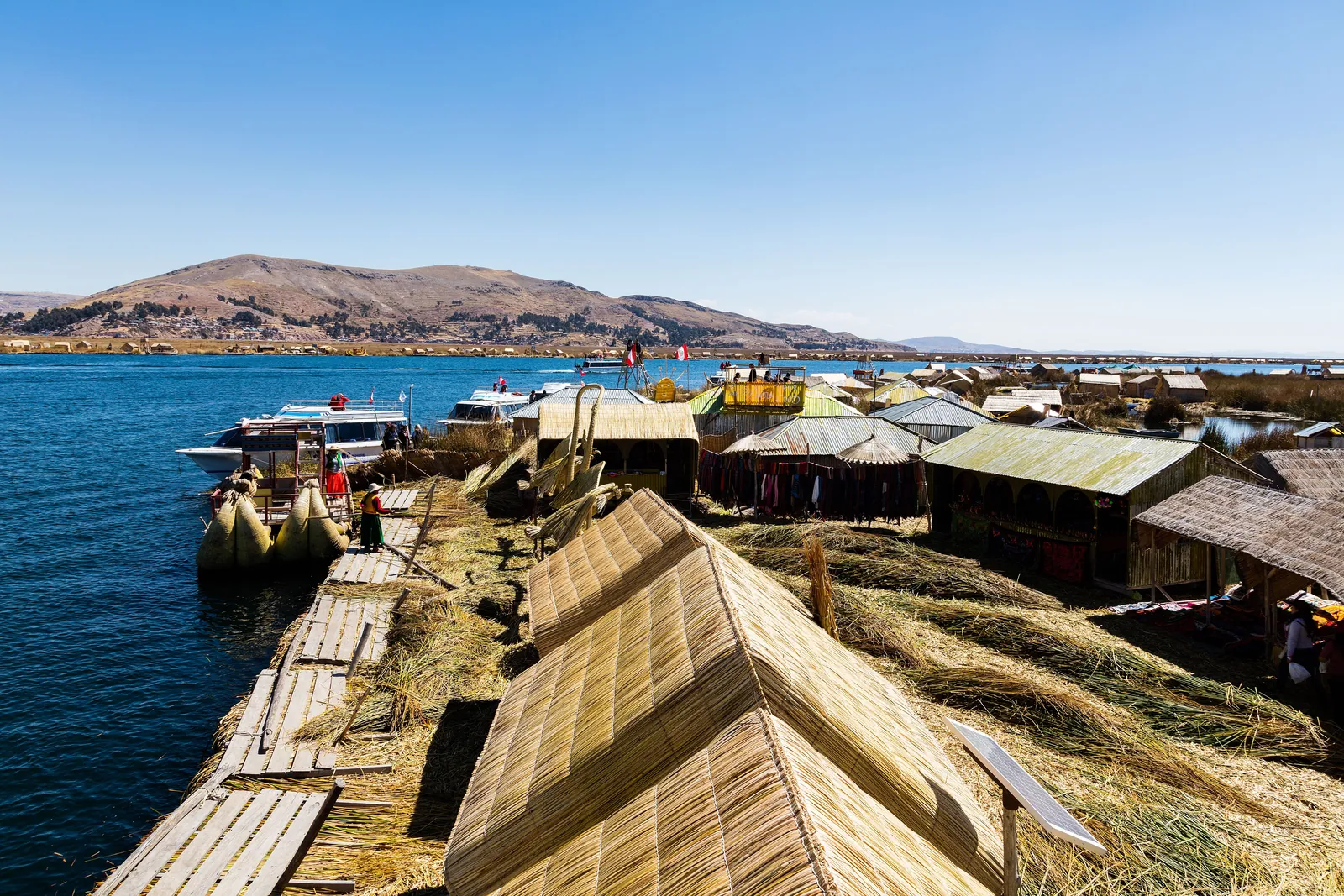
The highest large navigable lake on the planet, shared by Peru and Bolivia. You cross it by boat to the floating reed islands of the Uros and the weaving communities of Taquile before continuing south into Bolivia.

Altitude3,812 m
Surface8,372 km²
BorderPeru ↔ Bolivia
Salar de Uyuni — Uyuni, BoliviaDays 15–18
Uyuni, Bolivia · 20°08′S 67°29′W

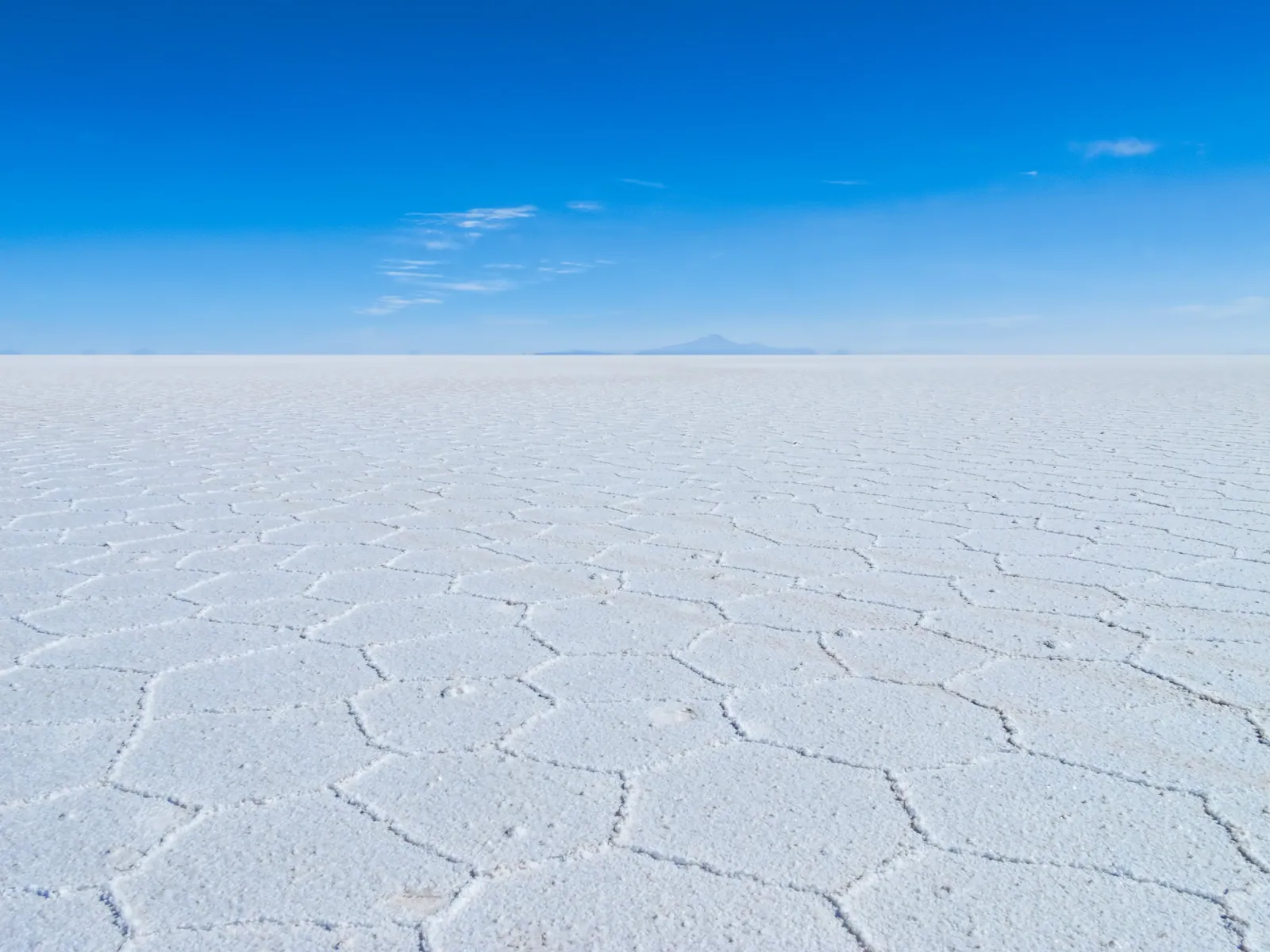
Salar de Uyuni

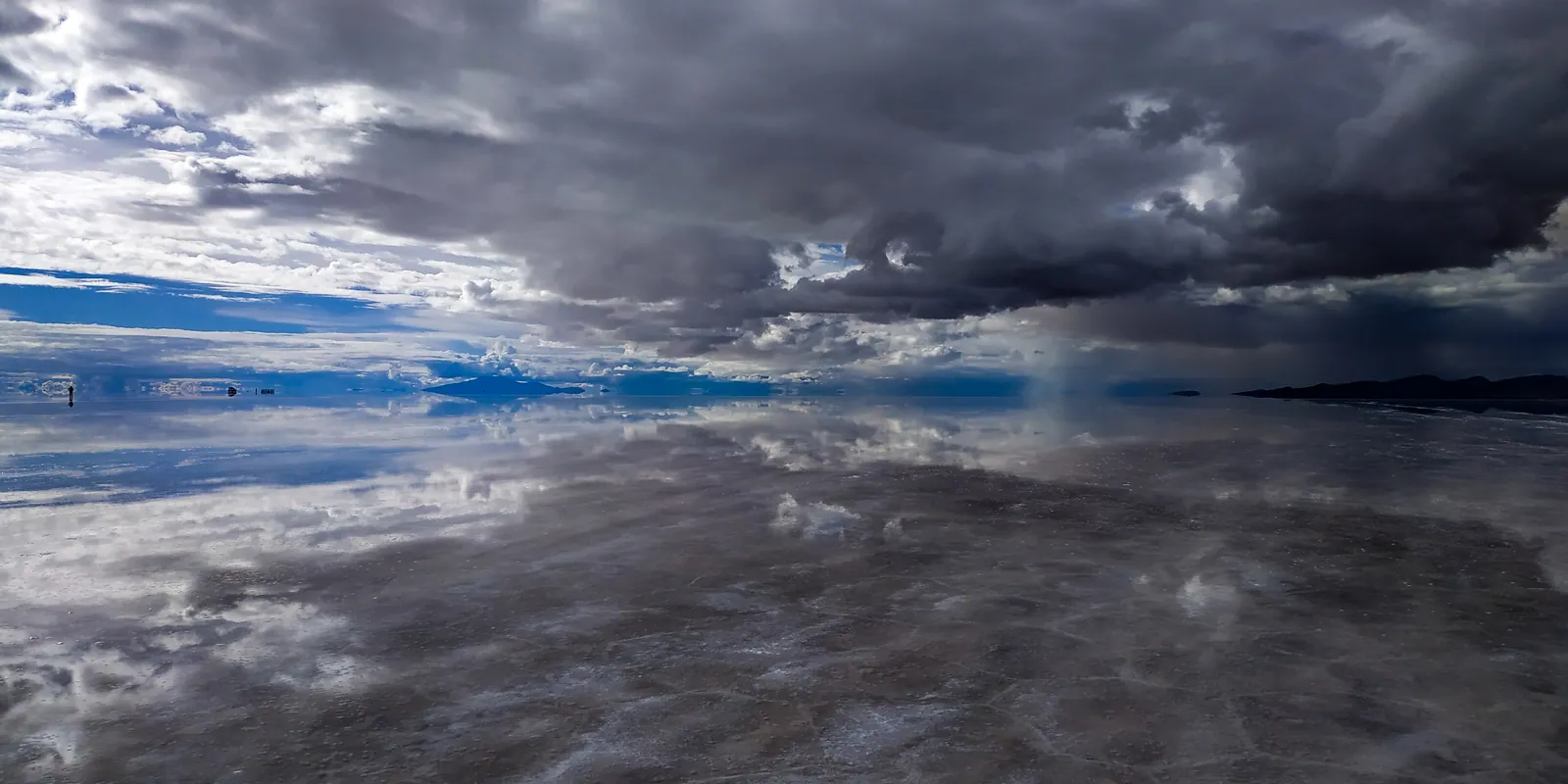
The largest salt flat on Earth — 10,582 square kilometres of blinding white. In the wet months a film of water turns the whole salar into a mirror that erases the horizon. You sleep in a hotel built of salt.

Altitude3,656 m
Area10,582 km²
StayKachi Lodge domes
The Atacama Crossing — San Pedro de Atacama, ChileDays 19–22
San Pedro de Atacama, Chile · 22°54′S 68°12′W

The Atacama Crossing

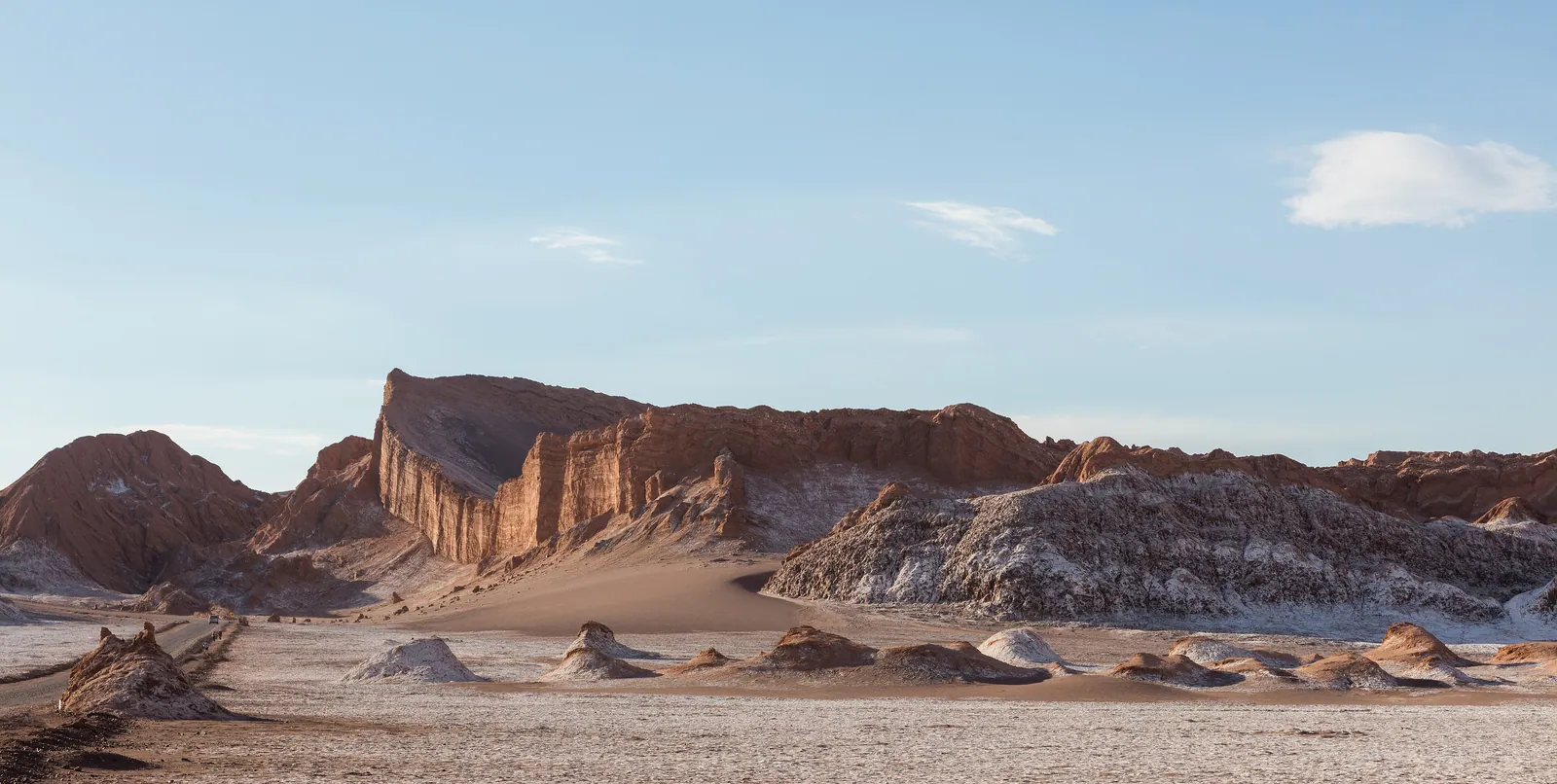
Over the altiplano lagoons and into the driest non-polar desert on Earth. Geysers at dawn, salt lagoons, and some of the clearest night skies anywhere — a fitting place to look up before the long flight south.

ClimateHyper-arid
SkiesDark-sky reserve
StayExplora Atacama
Torres del Paine — Patagonia, ChileDays 23–29
Patagonia, Chile · 50°56′S 73°24′W

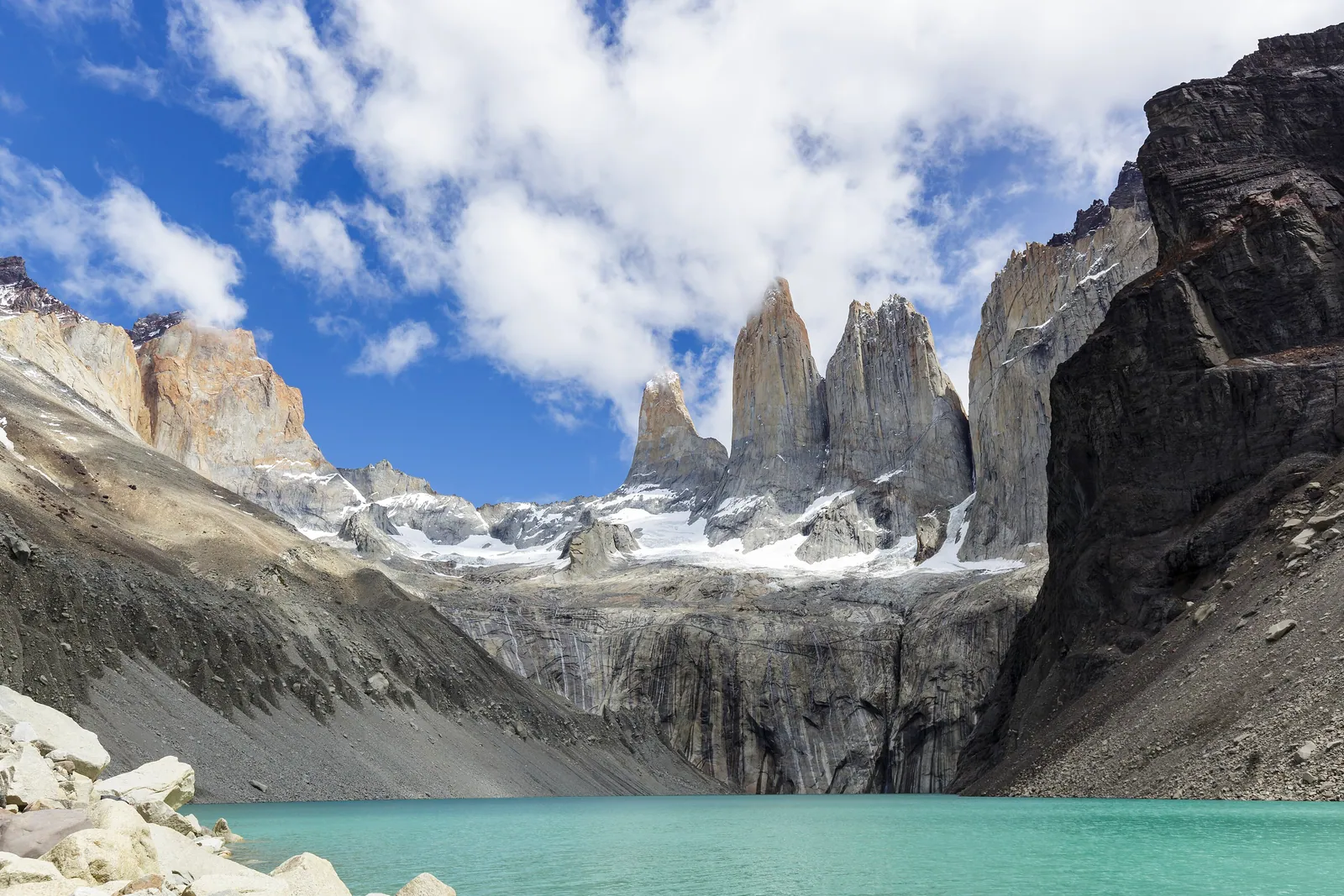
Torres del Paine

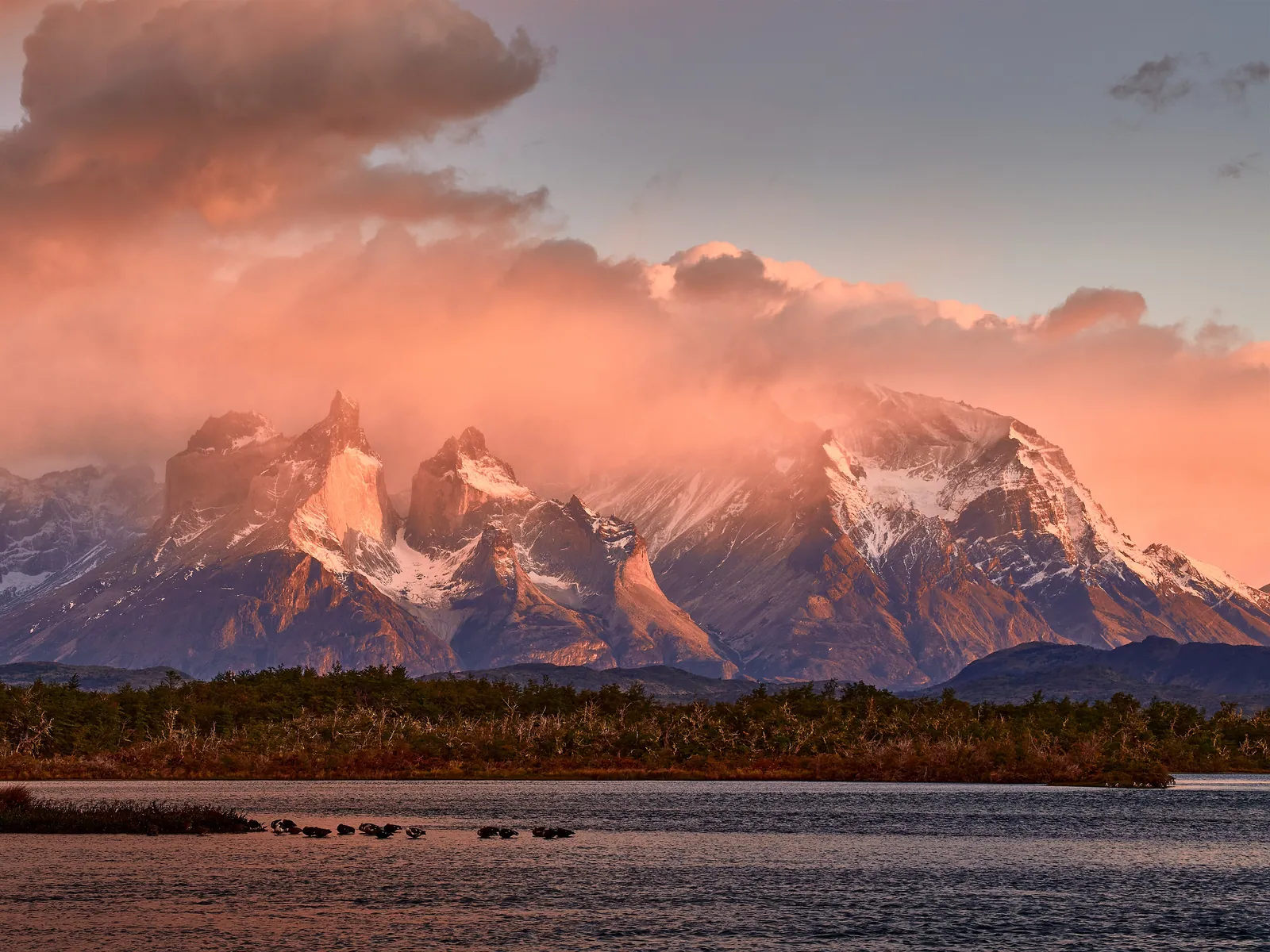
Patagonia proper. Three granite towers, the Cuernos, glaciers calving into milk-blue lakes, and the famous wind. You walk sections of the W route by day and return each evening to a warm lodge.

ParkTorres del Paine
Since1959
StayExplora / EcoCamp
Glaciers & the End of the Road — El Calafate & Ushuaia, ArgentinaDays 30–34
El Calafate & Ushuaia, Argentina · 54°48′S 68°18′W

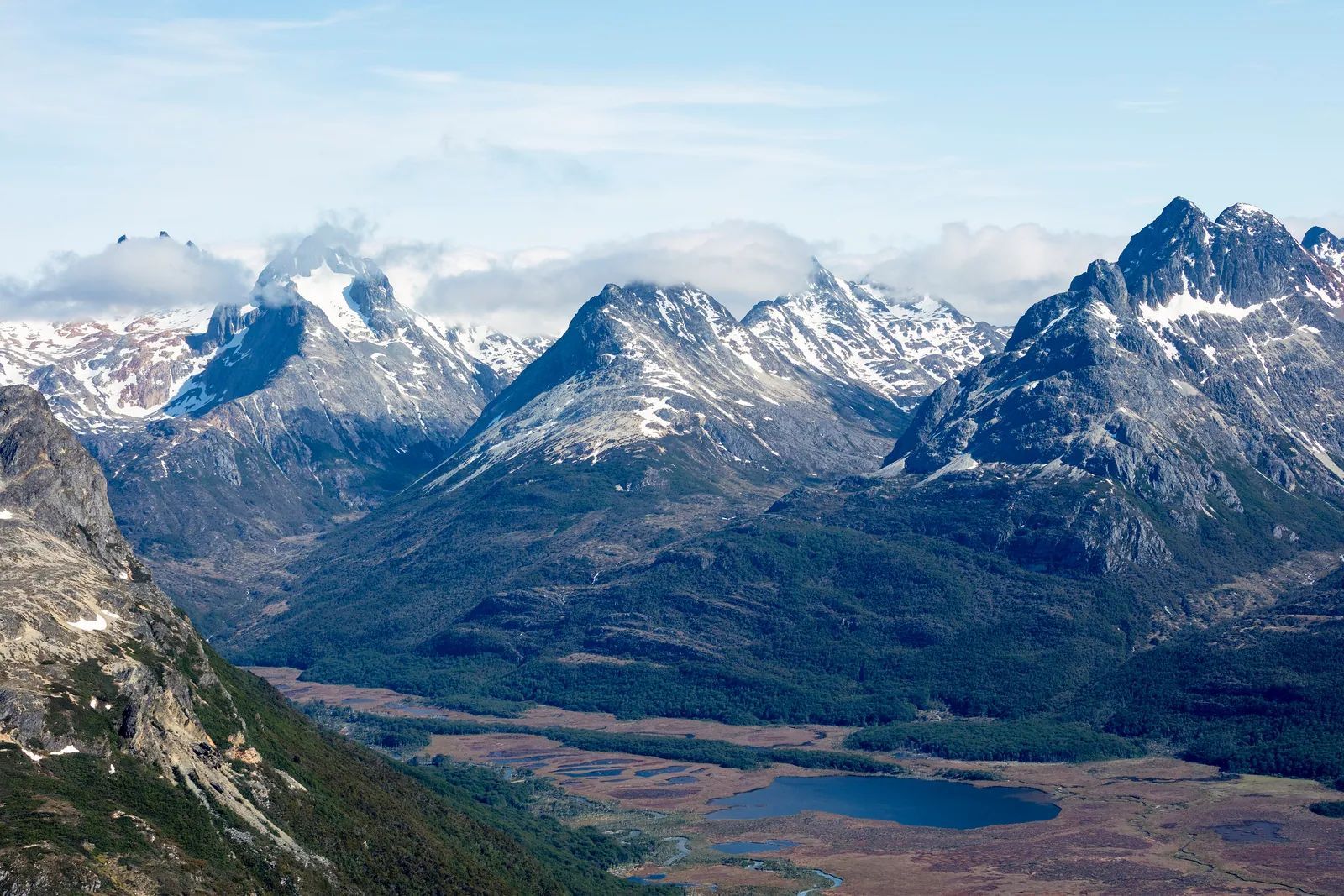
Glaciers & the End of the Road

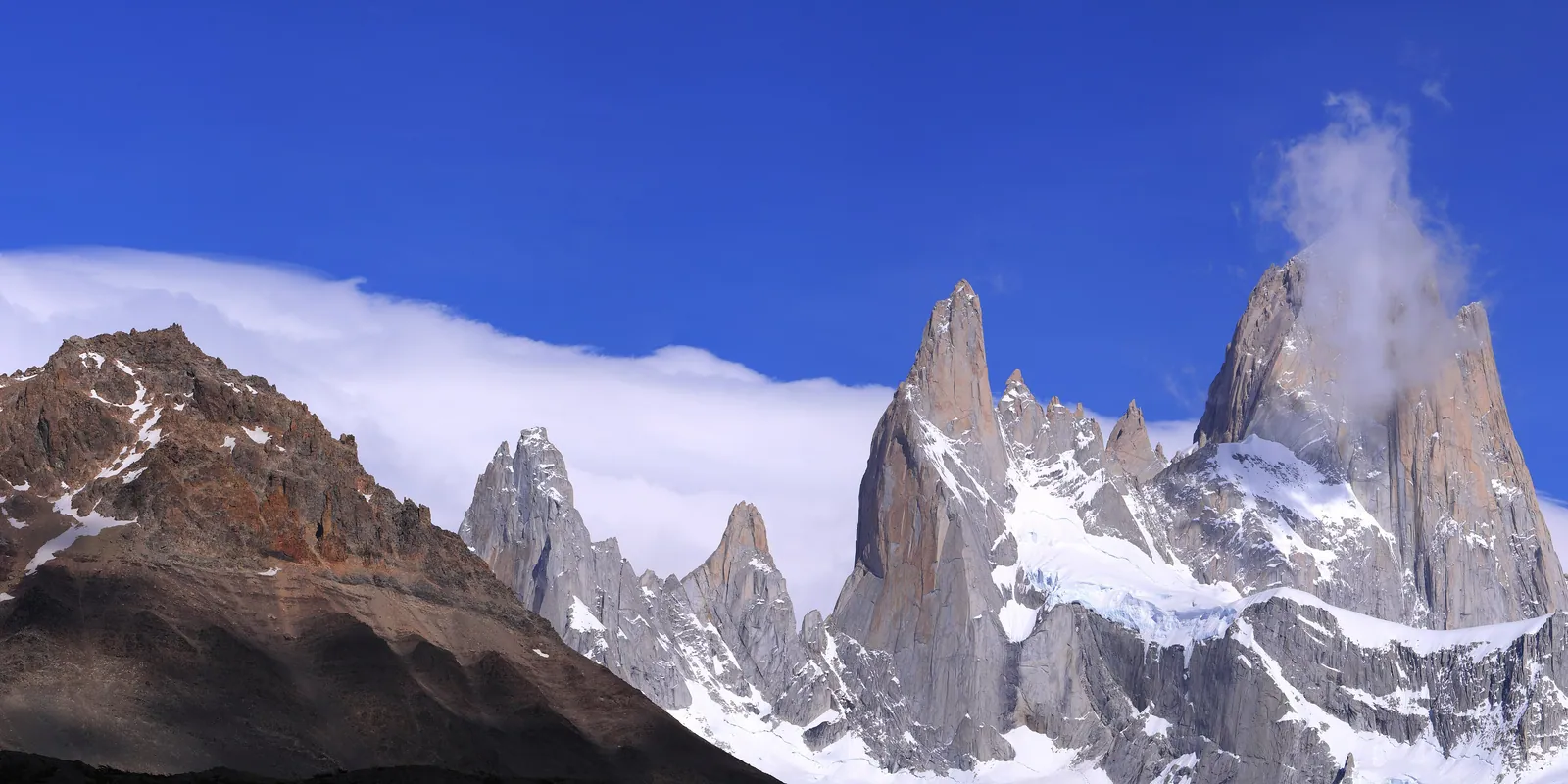
Cross into Argentina for the Perito Moreno glacier, then continue to Ushuaia — the southernmost city in the world, the place every road finally stops and the sea takes over.

GlacierPerito Moreno
TownUshuaia
NoteFin del Mundo
The Drake & Antarctica — Antarctic PeninsulaDays 35–45
Antarctic Peninsula · 64°49′S 63°29′W

The Drake & Antarctica

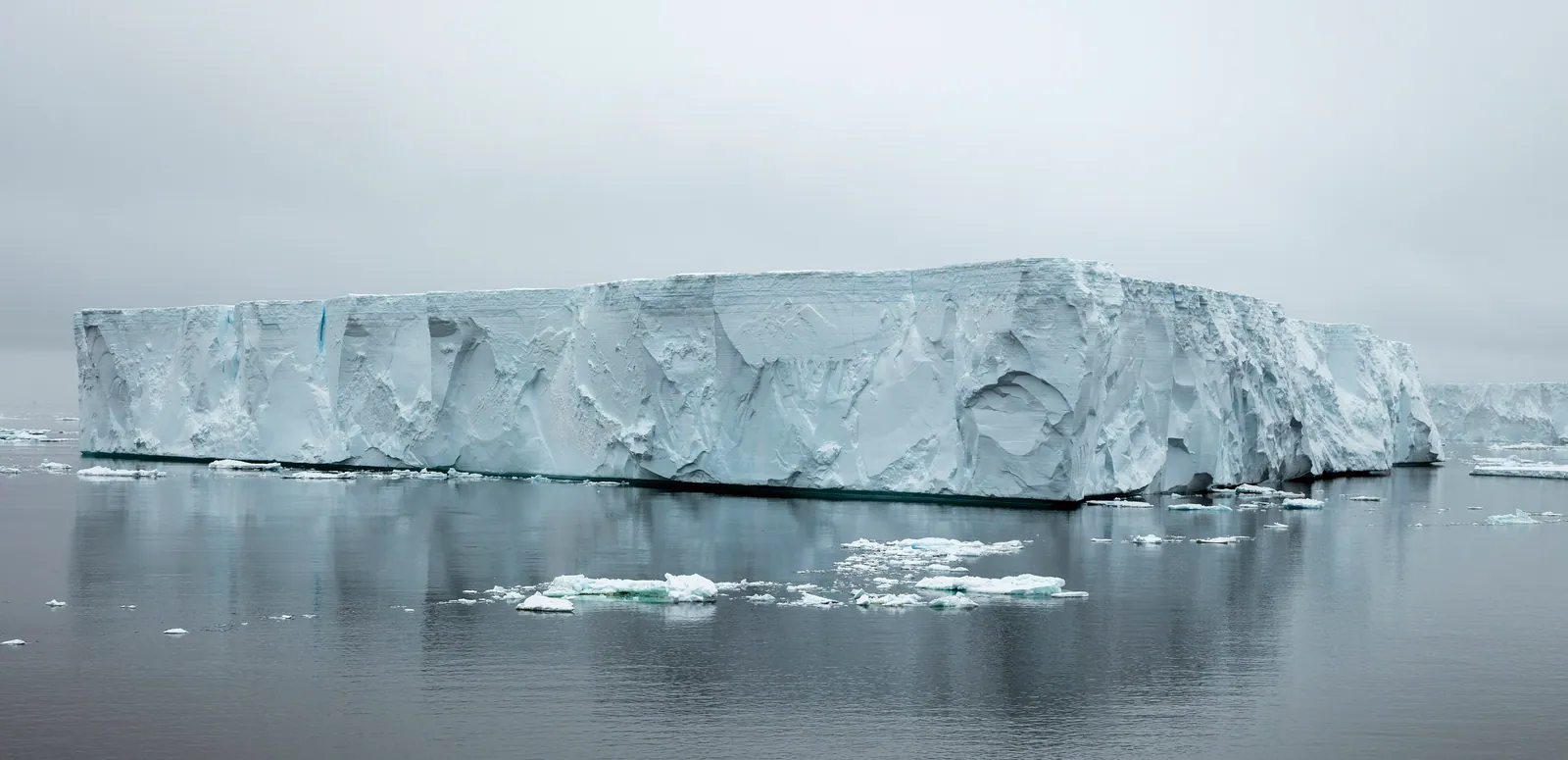
Two days across the Drake Passage by ice-strengthened ship, and then the seventh continent: tabular icebergs, gentoo colonies, humpbacks, and a silence with no equivalent. Zodiac landings every day weather allows.

CrossingDrake Passage
VesselExpedition ship
LandingsDaily by Zodiac
The practical line

Everything you need to weigh it up.

BeginsLima, Peru — arrive any day; we meet you at the airport
EndsUshuaia, Argentina, after the Antarctic voyage
Duration45 days, fully escorted
Best seasonNovember to March, when Antarctica is open
FitnessModerate. Daily walks of 2–6 hours; high altitude in weeks 1–3
Group sizePrivate, or small group of up to 12
IncludedAll hotels, the Antarctic voyage, internal flights, guides, most meals, all permits
Intensity

Moderate — high altitude + cold-water expedition

Best season

November to March (austral summer)

From

From €28,500 per person

Comprehensive — hotels, internal travel, guiding, permits. International flights quoted separately.

Field Notes

Andes to Antarctica — your questions

How fit do I need to be for Andes to Antarctica?

You need to be comfortable walking for two to six hours over uneven ground and managing altitude up to 3,800 metres. There is no technical climbing. The Antarctic landings involve stepping into Zodiac boats and walking on snow. Most reasonably active travellers in their 30s to 70s complete the journey comfortably.

How do you handle altitude sickness?

The itinerary is deliberately paced for acclimatisation: you spend the first eight days ascending gradually and sleep at lower elevations in the Sacred Valley. Our guides carry oximeters and oxygen, and a doctor reviews your medical form before departure. Travellers prone to altitude issues can pre-arrange medication with their physician.

Is the Drake Passage crossing rough?

It can be. The Drake Passage is open ocean and conditions vary from glassy calm to genuinely big seas. Our expedition vessels are modern, stabilised and ice-strengthened, and the crew adjusts timing around weather windows. Travellers concerned about seasickness can opt for a fly-the-Drake upgrade on selected departures.

When is the best time to do this journey?

Between November and March. The Antarctic Peninsula is only accessible in the austral summer, and this window also gives the best weather in Patagonia. November brings pristine snow and courting penguins; February and March offer whale activity and the warmest Patagonian hiking.

Can the 45-day journey be shortened?

Yes. The journey is built in modules. You can travel Lima to the Atacama as a 22-day Andean journey, or join only the Patagonia-and-Antarctica segment as a 16-day trip. Tell us your dates and we will build the version that fits.

Begin a journey

Travel Andes to Antarctica.

Take the full arc, or a single chapter of it. Either way, the conversation is the first step.