Tawaraya Ryokan
Legendary ryokan · €€€€A 300-year-old inn widely held to be the finest ryokan in Japan — eleven rooms, flawless service, and a quiet that money cannot usually buy in a city.
35°01′N 135°46′E
Kyoto is the former imperial capital of Japan, located in the Kansai region of central Honshu. It served as the seat of the emperor from 794 to 1868 and today holds around 1,600 Buddhist temples and 400 Shinto shrines. Seventeen of its monuments form a single UNESCO World Heritage Site, inscribed in 1994.
Kyoto was the capital of Japan for more than a thousand years, and it has never stopped behaving like one. While Tokyo rebuilt itself into the future, Kyoto kept its temples, its wooden machiya townhouses, its tea houses and its geisha districts — and quietly became the place the rest of Japan goes to remember what it is.
The city rewards a certain kind of attention. Its greatest pleasures are not single monuments but atmospheres: the tunnel of vermilion gates at Fushimi Inari at first light; a raked-gravel garden seen from a temple veranda; the particular hush of the Arashiyama bamboo at dawn; a kaiseki dinner that turns the season itself into a meal. Go slowly, book early, and let Kyoto set the pace.
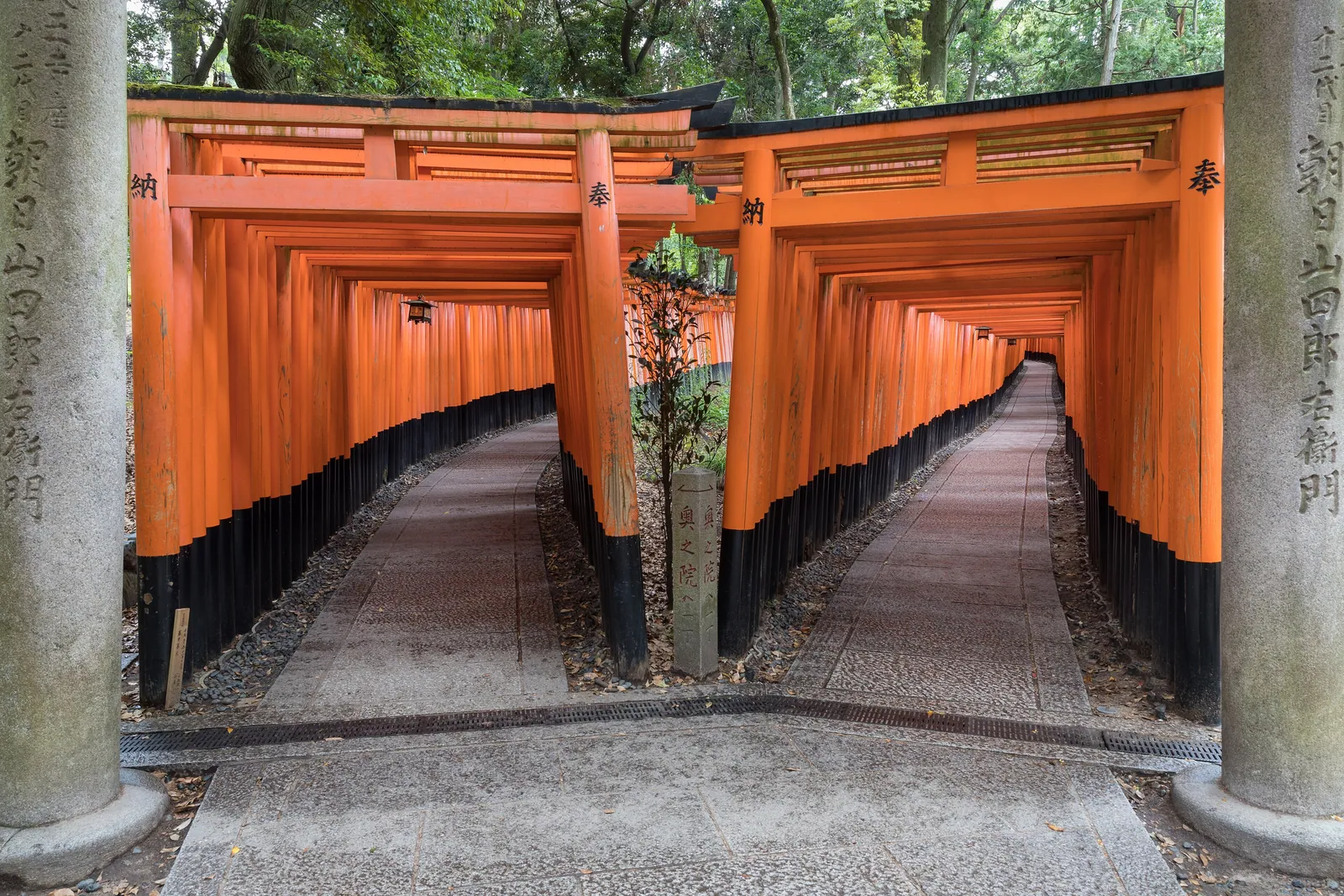
Thousands of vermilion torii gates climb the wooded slope of Inari mountain. Arrive before 7 a.m. and you can walk the tunnels nearly alone — the defining Kyoto experience.
Kyoto invented kaiseki, the seasonal multi-course meal that is closer to theatre than dinner. One booking — at Kikunoi or a fine ryokan — can be the highlight of a trip to Japan.
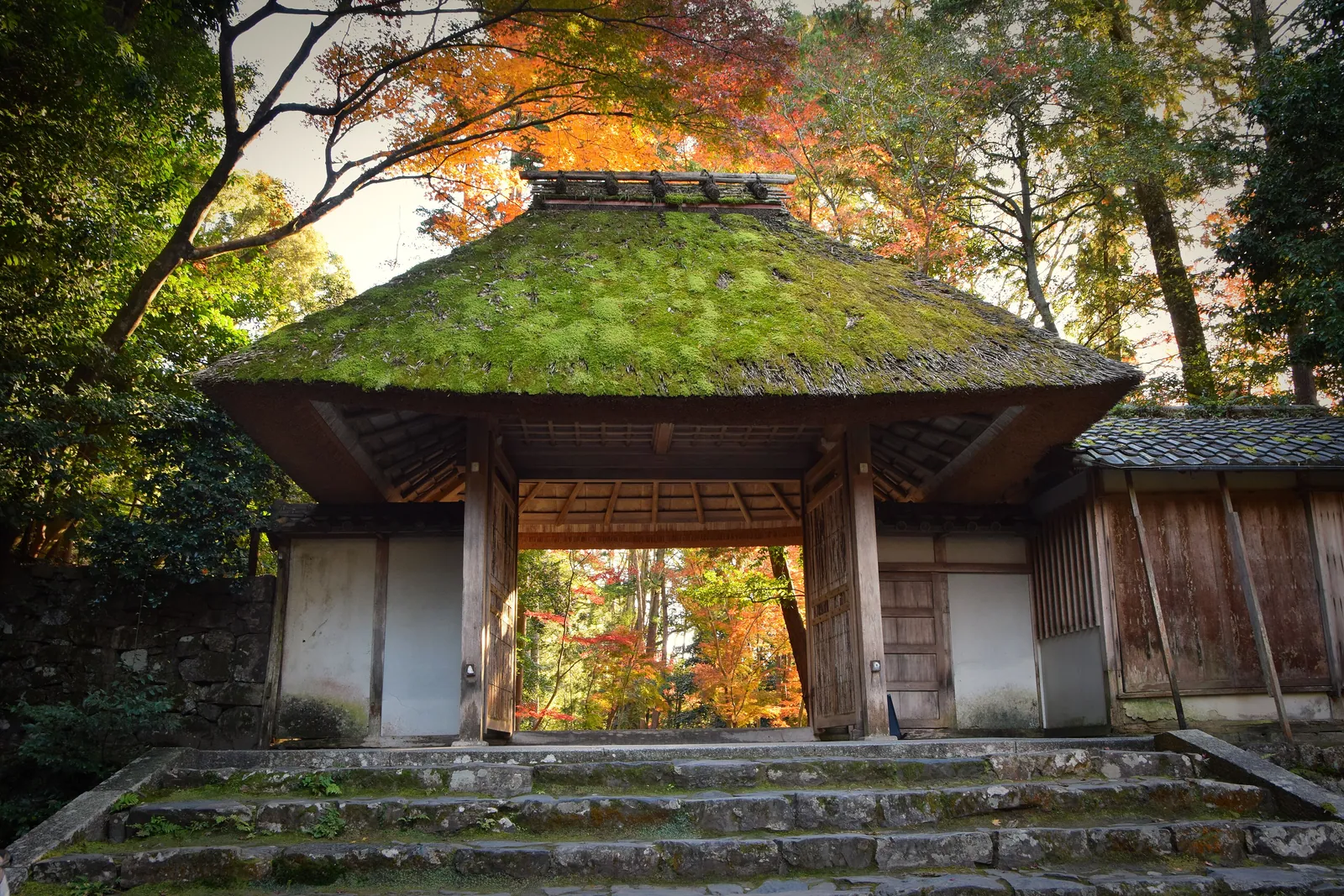
Ryōan-ji’s rock garden, Ginkaku-ji’s moss, the moss temple Saihō-ji — Kyoto’s gardens are designed to be sat with, not photographed and left.
A short film to set the scene — sourced from YouTube and credited to its maker.
Hand-picked places to sleep, from the iconic to the characterful — each chosen for position as much as polish.
A 300-year-old inn widely held to be the finest ryokan in Japan — eleven rooms, flawless service, and a quiet that money cannot usually buy in a city.
A serene contemporary retreat set in a secret moss garden in the forested hills, a short drive from the Golden Pavilion.
The most polished international hotel in the city, on the Kamo River, with a celebrated kaiseki restaurant and easy access to Gion.
The sights that earn their fame — and a few the crowds miss.
The shrine of the rice deity Inari, famous for thousands of donated vermilion torii gates winding up the mountain. Best walked at dawn or after dusk.
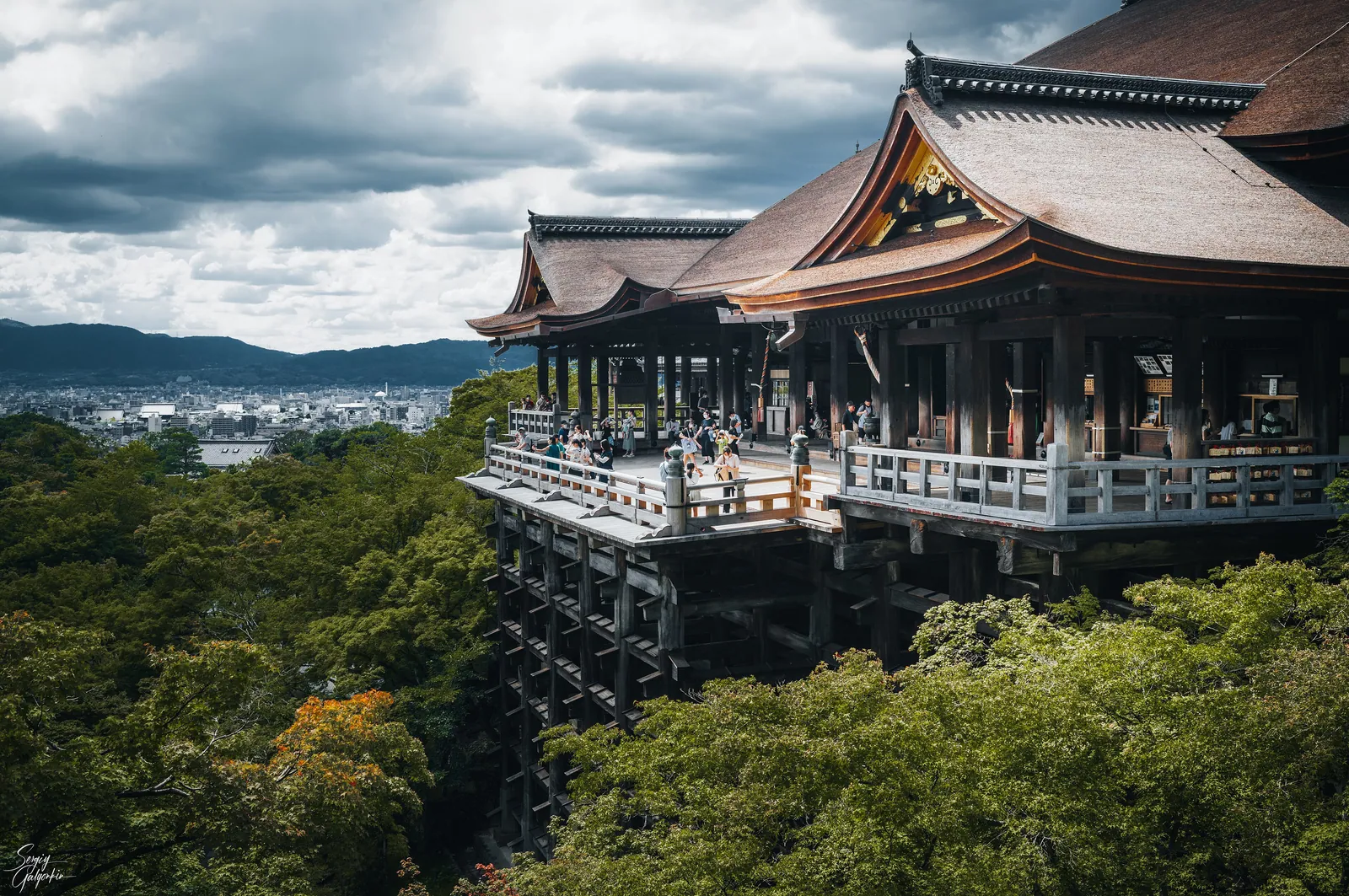
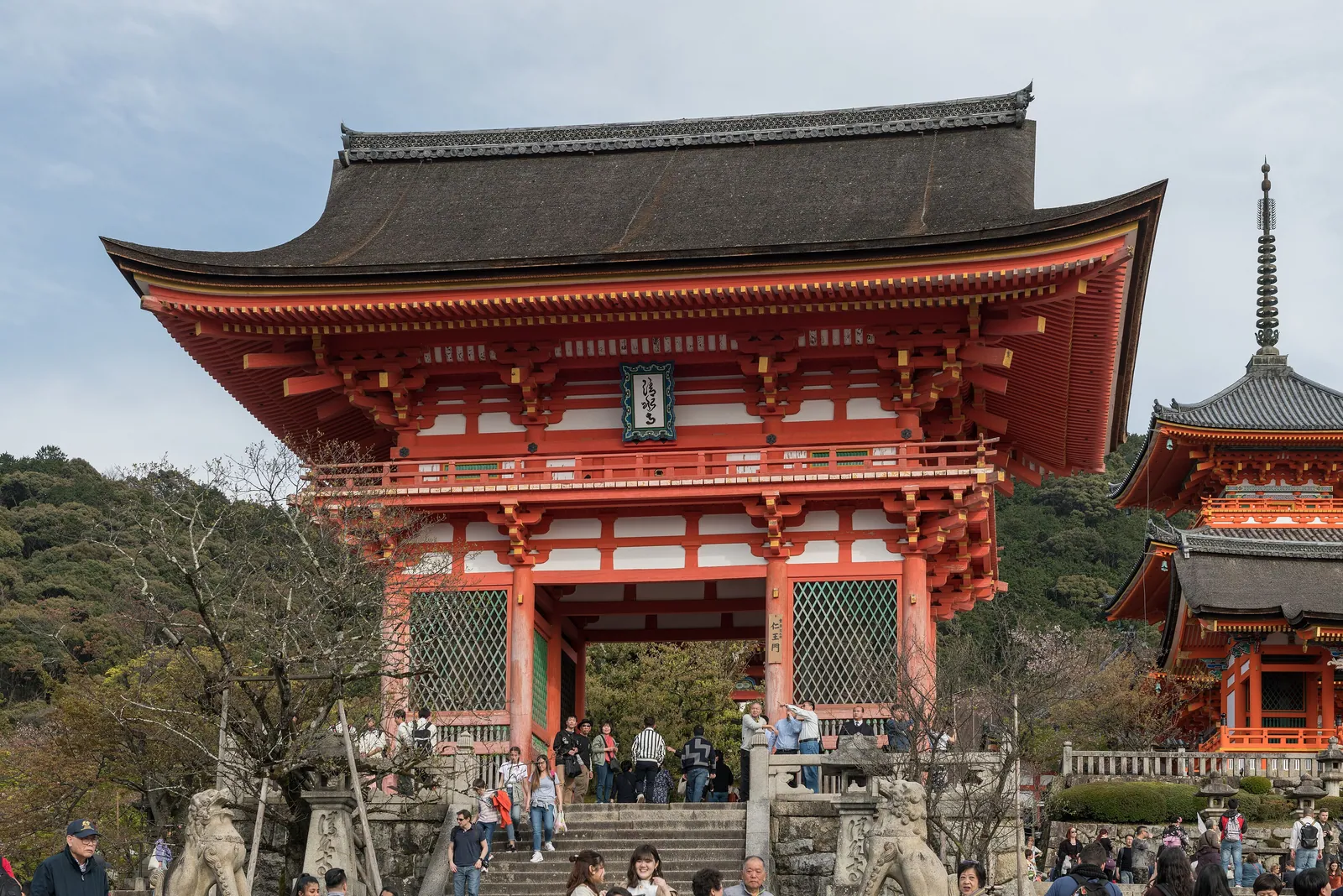
A hillside temple with a vast wooden stage projecting over the maple-filled valley — spectacular in autumn and during the cherry blossom.
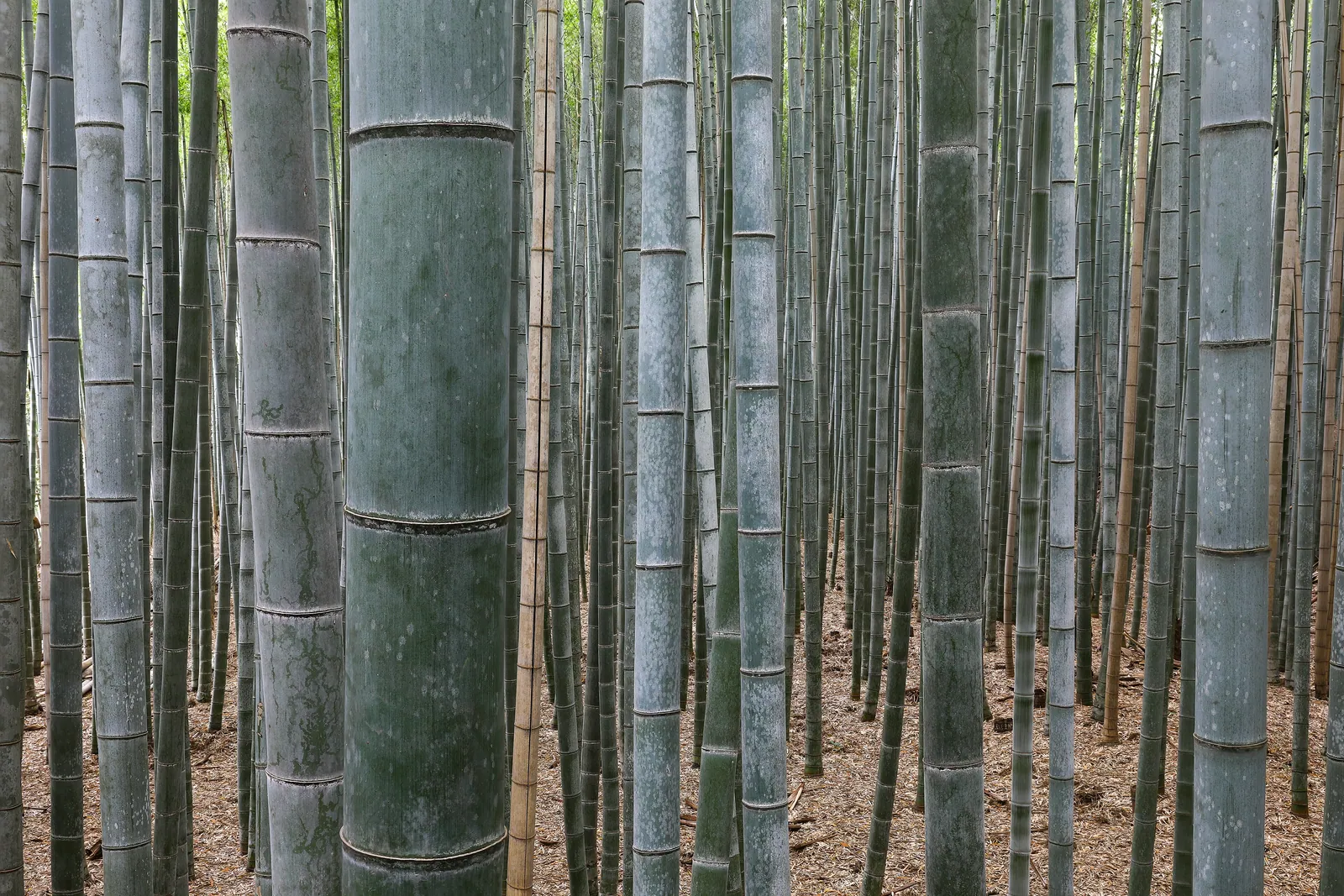
A path through towering bamboo on the city’s western edge. Combine it with the Ōkōchi-Sansō villa garden and an early start to beat the crowds.
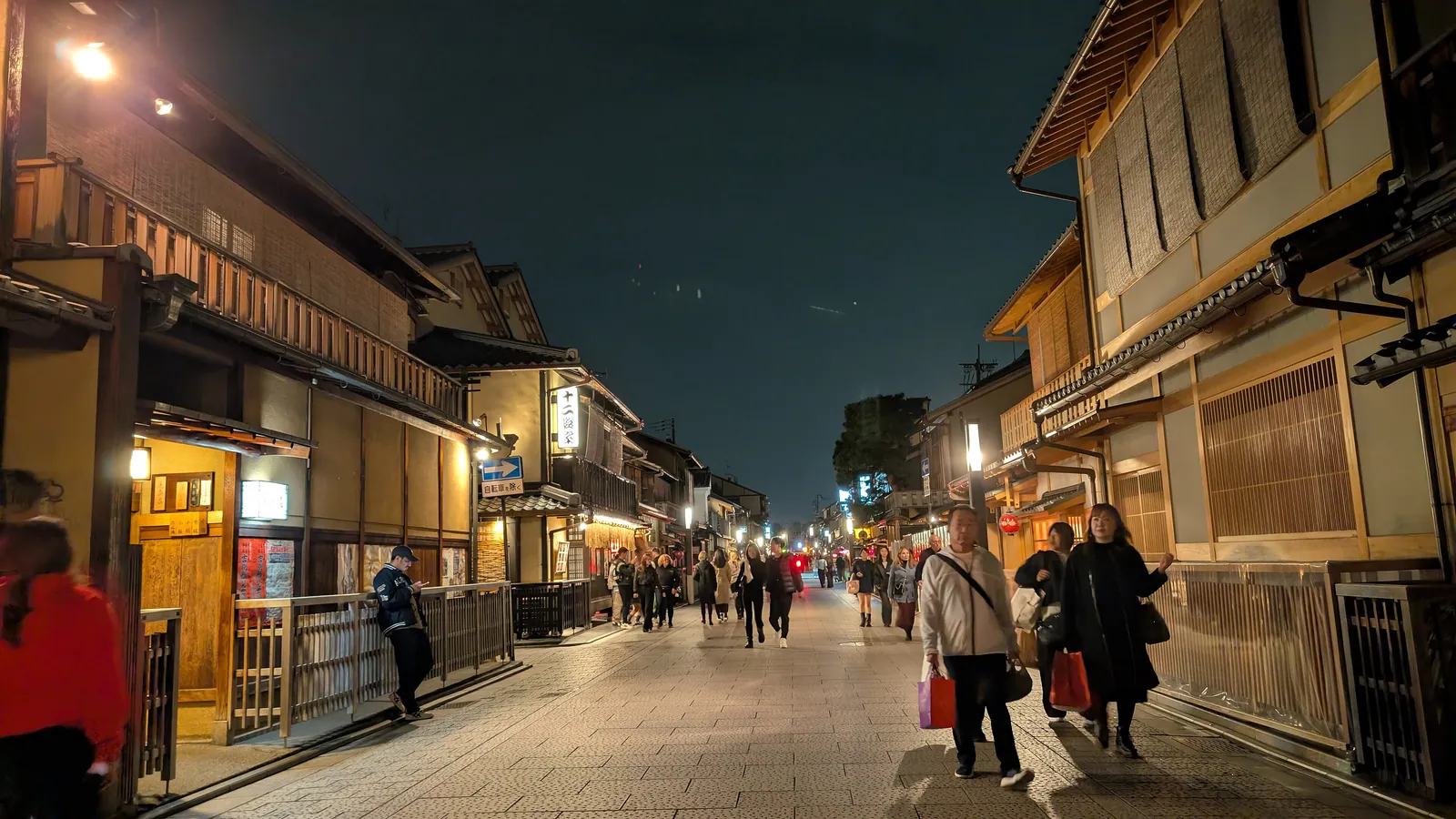
Kyoto’s most famous geisha district — lantern-lit lanes of wooden tea houses where, with luck and discretion, you may glimpse a maiko at dusk.
From landmark restaurants to the small rooms only locals mention.
The temple of Kyoto kaiseki, led by chef Yoshihiro Murata — a seasonal tasting menu regarded as one of the finest meals in Japan.
A 400-year-old restaurant beside Nanzen-ji that began as a tea house for temple pilgrims — famous for its breakfast and its soft-boiled “Hyotei egg”.
A narrow, 400-year-old covered market — “Kyoto’s kitchen” — for tofu, pickles, tamagoyaki and matcha sweets, eaten standing up.
| Location | Kansai region, central Honshu, Japan |
|---|---|
| Role | Imperial capital of Japan from 794 to 1868 (as Heian-kyō) |
| Temples & shrines | Around 1,600 Buddhist temples and 400 Shinto shrines |
| World Heritage | “Historic Monuments of Ancient Kyoto” — 17 sites, listed 1994 |
| Peak seasons | Cherry blossom in late March–early April; autumn colour in November |
| Getting there | About 2 hours 15 minutes from Tokyo by Tōkaidō Shinkansen |
Kyoto is a chapter of The Long Way East.
The two peak seasons are cherry blossom, usually late March to early April, and autumn foliage in November — both extraordinary and both very busy. For a quieter visit, early summer (June greenery) and winter (clear, cold days and occasional snow on the temples) are underrated. Avoid the humid heat of mid-July and August if you can.
Three full days is a sensible minimum, allowing one day each for the eastern temples, the Arashiyama area and the city centre with Fushimi Inari. Four or five days lets you slow down, add day trips to Nara or Uji, and see the famous sites early in the morning before the crowds.
Kyoto is on the main Tōkaidō Shinkansen line — about 2 hours 15 minutes from Tokyo and 15 minutes from Osaka. The nearest major airport is Kansai International (KIX), roughly 75 to 90 minutes away by the direct Haruka express train.
Yes — well in advance. The finest ryokan, such as Tawaraya, and top kaiseki restaurants like Kikunoi can be booked out months ahead, especially in cherry-blossom and autumn seasons. Many traditional restaurants also accept reservations only through a hotel concierge or a connection, which Viajes Globales arranges for you.
Yes. Kyoto’s geisha — known locally as geiko, and their apprentices as maiko — still work in districts such as Gion and Miyagawa-chō. Glimpsing one hurrying to an appointment at dusk is a matter of luck and respectful distance; a proper, guaranteed encounter means booking a private ozashiki dinner, which we can organise.
Travel here as a chapter of a grand journey, or as a trip of its own. We will tailor it to your dates and pace.