Explora Rapa Nui (Posada de Mike Rapu)
All-inclusive lodge · €€€€An all-inclusive explorations lodge set apart from town, with a daily roster of guided walks, rides and explorations across the island led by local guides.
27°07′S 109°22′W
Rapa Nui (Easter Island) is a remote Chilean island in the south-eastern Pacific, one of the most isolated inhabited places on Earth. It is famous for its roughly 900 monumental moai, the stone ancestor figures carved by the Rapa Nui people, and its Rapa Nui National Park has been a UNESCO World Heritage Site since 1995.
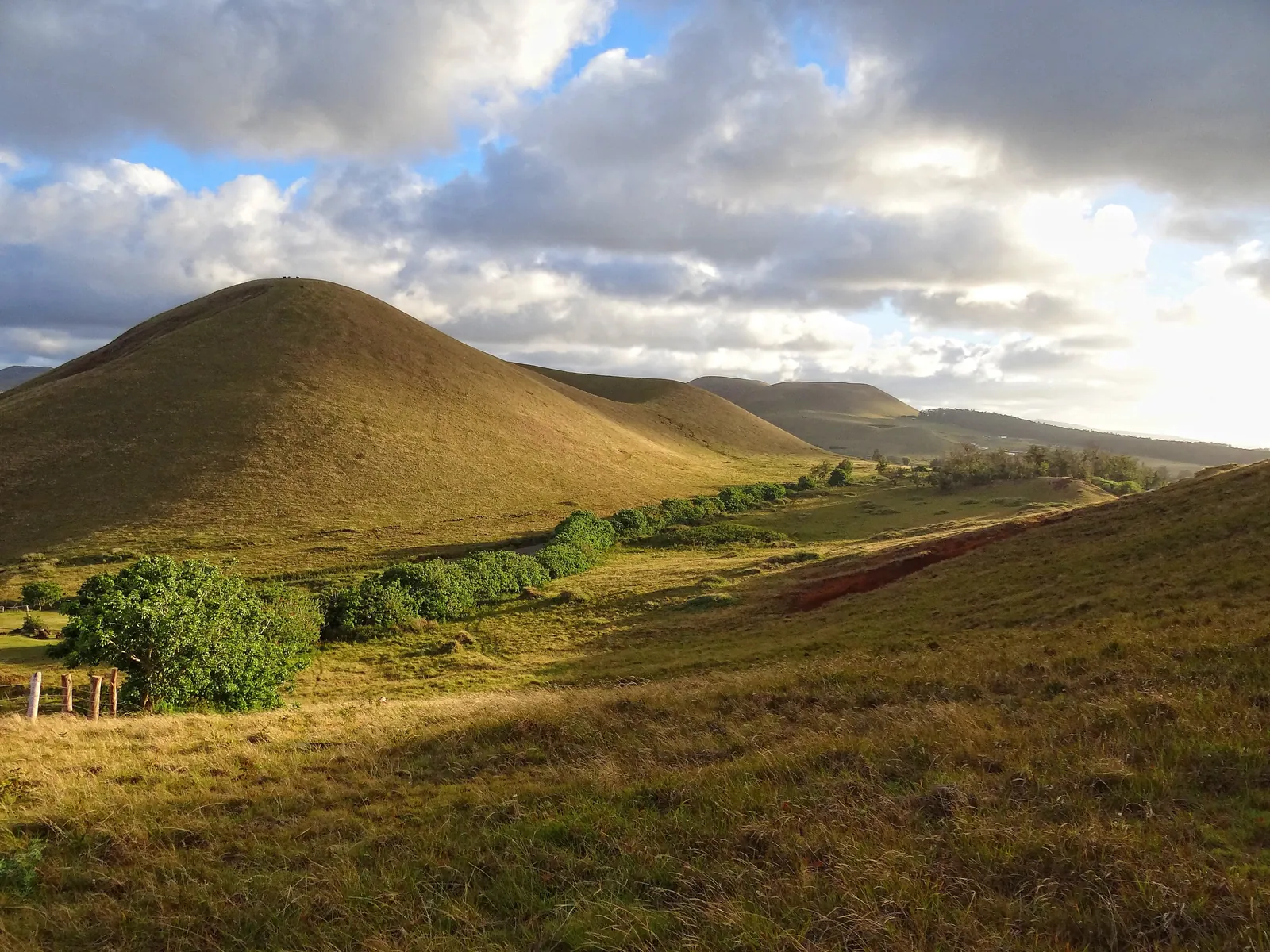
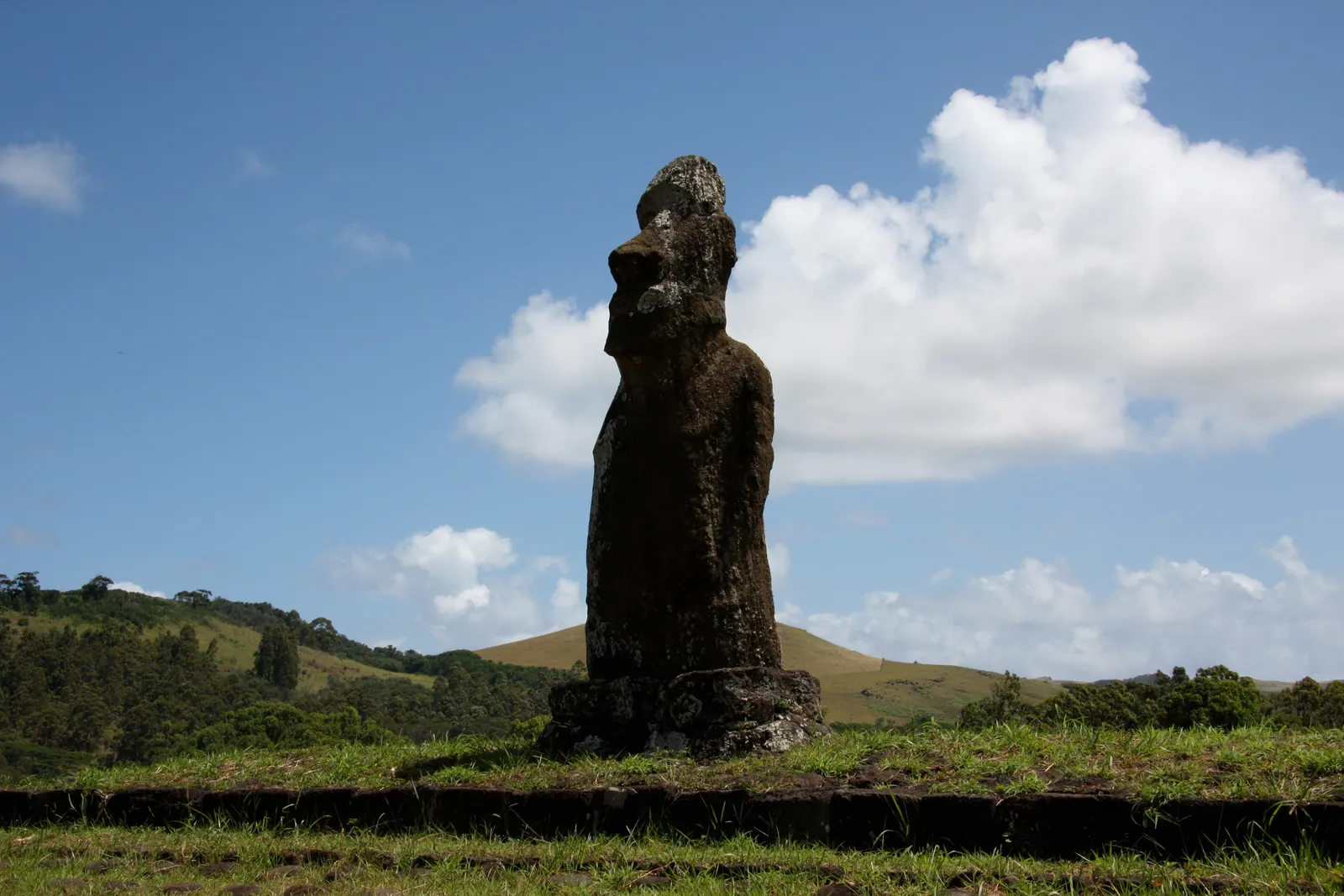
Rapa Nui is a triangle of volcanic land barely 24 kilometres across, set so far into the Pacific that the nearest inhabited shore — Pitcairn — lies some 2,000 kilometres away. Yet around a thousand years ago Polynesian voyagers found it, settled it, and over generations carved nearly 900 moai: vast stone figures that hold the faces of deified ancestors. To stand before them is to feel the reach of one of the great seafaring cultures in human history.
It is important to say plainly that Rapa Nui is not a ruin. It is a living island, home to the Rapa Nui people, whose language, songs, dance and ceremonies are very much alive — and who today co-manage their own heritage through Rapa Nui National Park. The moai are sacred ancestors, not photo props, and the ahu platforms they stand on are sites of deep significance. Travellers who come with patience and respect are rewarded with something rare: a culture that survived isolation, hardship and the wider world, and still speaks for itself.
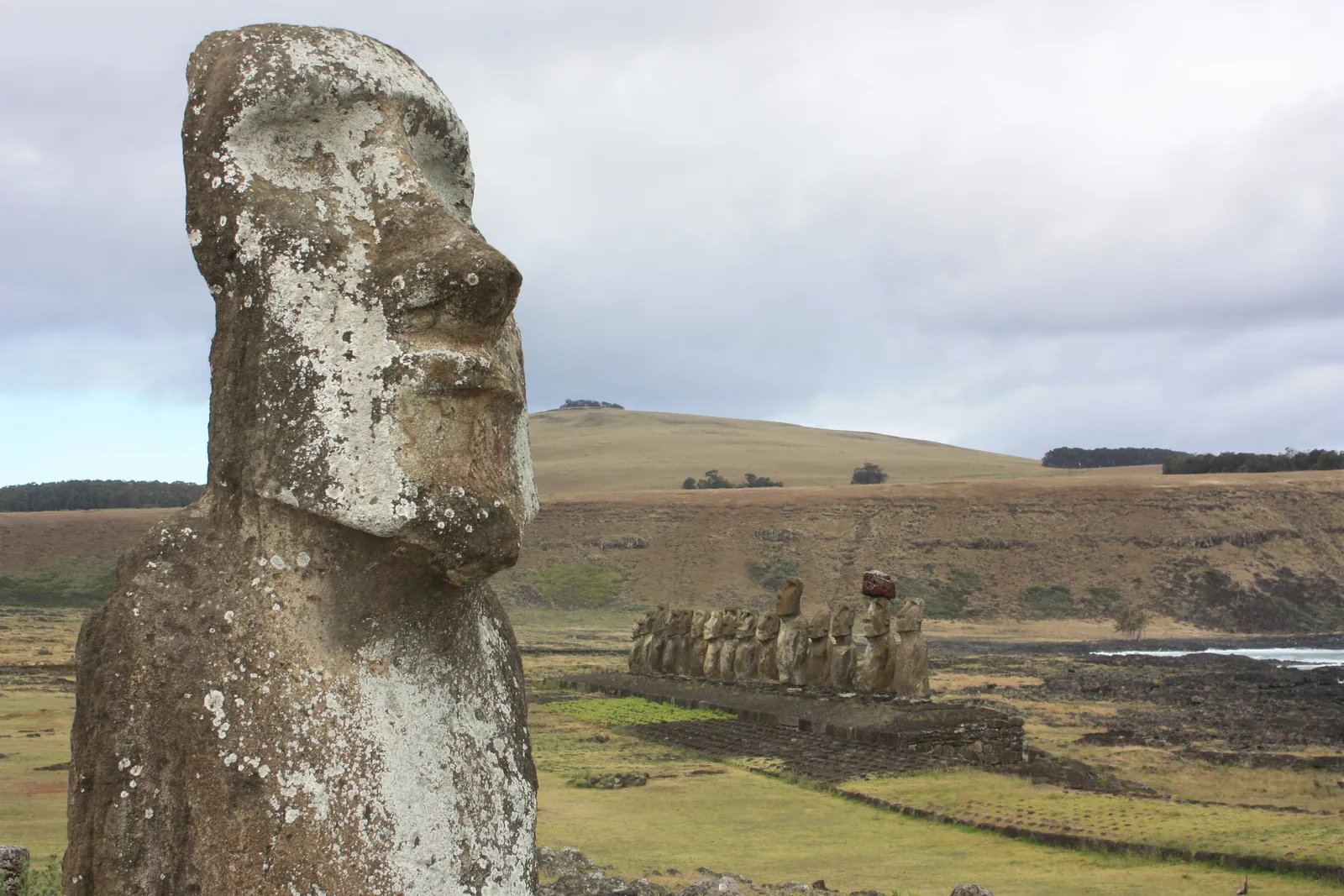
Watch the dawn light rise behind fifteen restored moai standing shoulder to shoulder above the sea — the largest ceremonial platform on the island, and an unforgettable first morning.
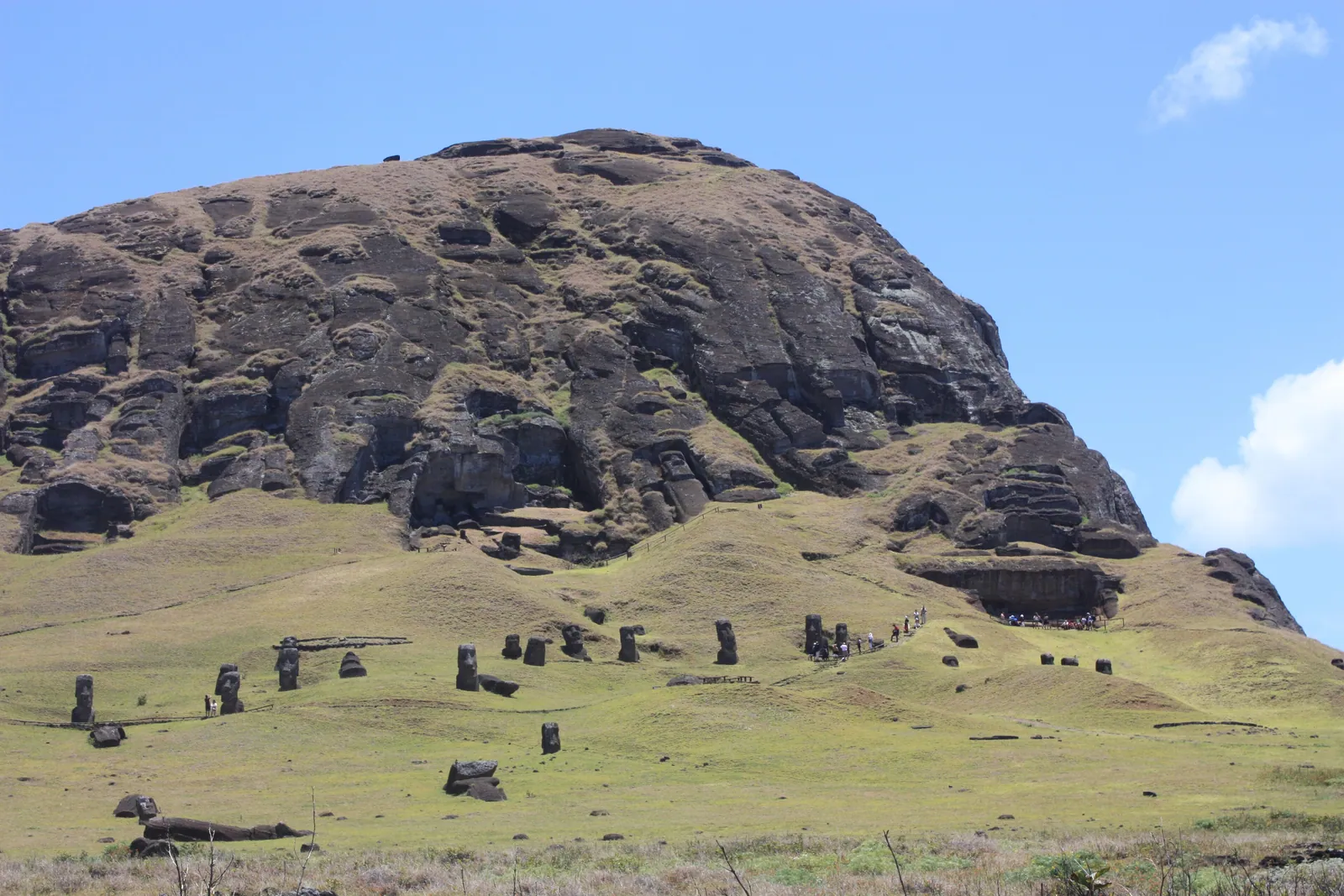
Walk the volcanic slope where almost every moai was carved, with hundreds of figures still half-buried or unfinished in the rock — the workshop of an entire culture.
Stand on the rim of Rano Kau crater at the restored ceremonial village of Orongo, where the tangata manu — the birdman ritual — once decided the island’s leadership each year.
A short film to set the scene — sourced from YouTube and credited to its maker.
Hand-picked places to sleep, from the iconic to the characterful — each chosen for position as much as polish.
An all-inclusive explorations lodge set apart from town, with a daily roster of guided walks, rides and explorations across the island led by local guides.
A striking property whose architecture draws on the form of the Orongo ceremonial village, with a spa, gardens and guided excursions into Rapa Nui culture.
A calm, intimate hotel of low bungalows set among tropical gardens, a short distance from town — a relaxed and personal base for exploring the island.
The sights that earn their fame — and a few the crowds miss.
The island’s grandest ahu — fifteen moai re-raised in a single line above the Pacific. Visited at sunrise, it is the defining image of Rapa Nui.
The volcanic quarry where nearly all the moai were carved. Hundreds of figures remain on its slopes, half-buried or unfinished, frozen mid-work.
A restored village of stone houses on the rim of the dramatic Rano Kau crater, centre of the tangata manu birdman cult that followed the moai era.
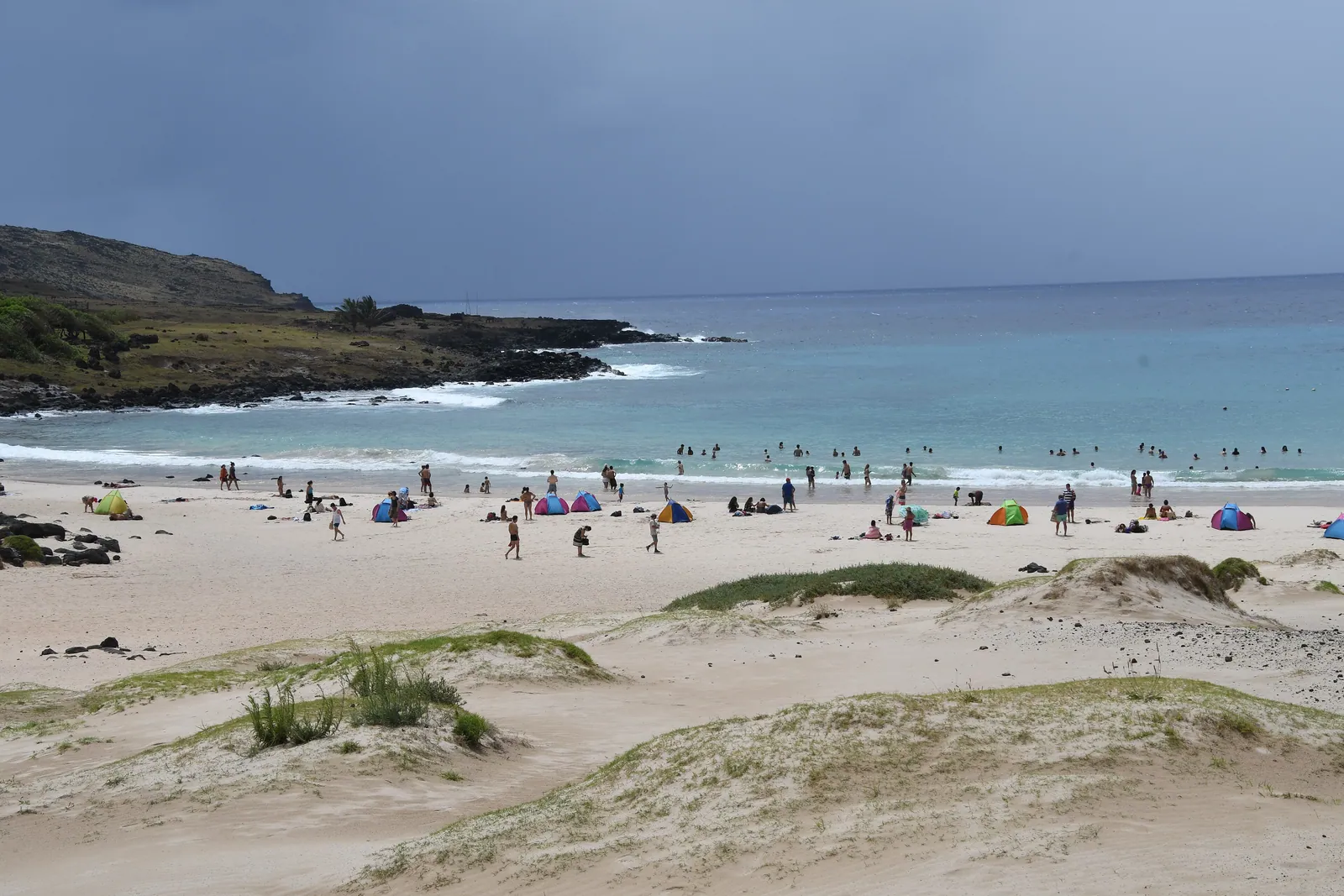
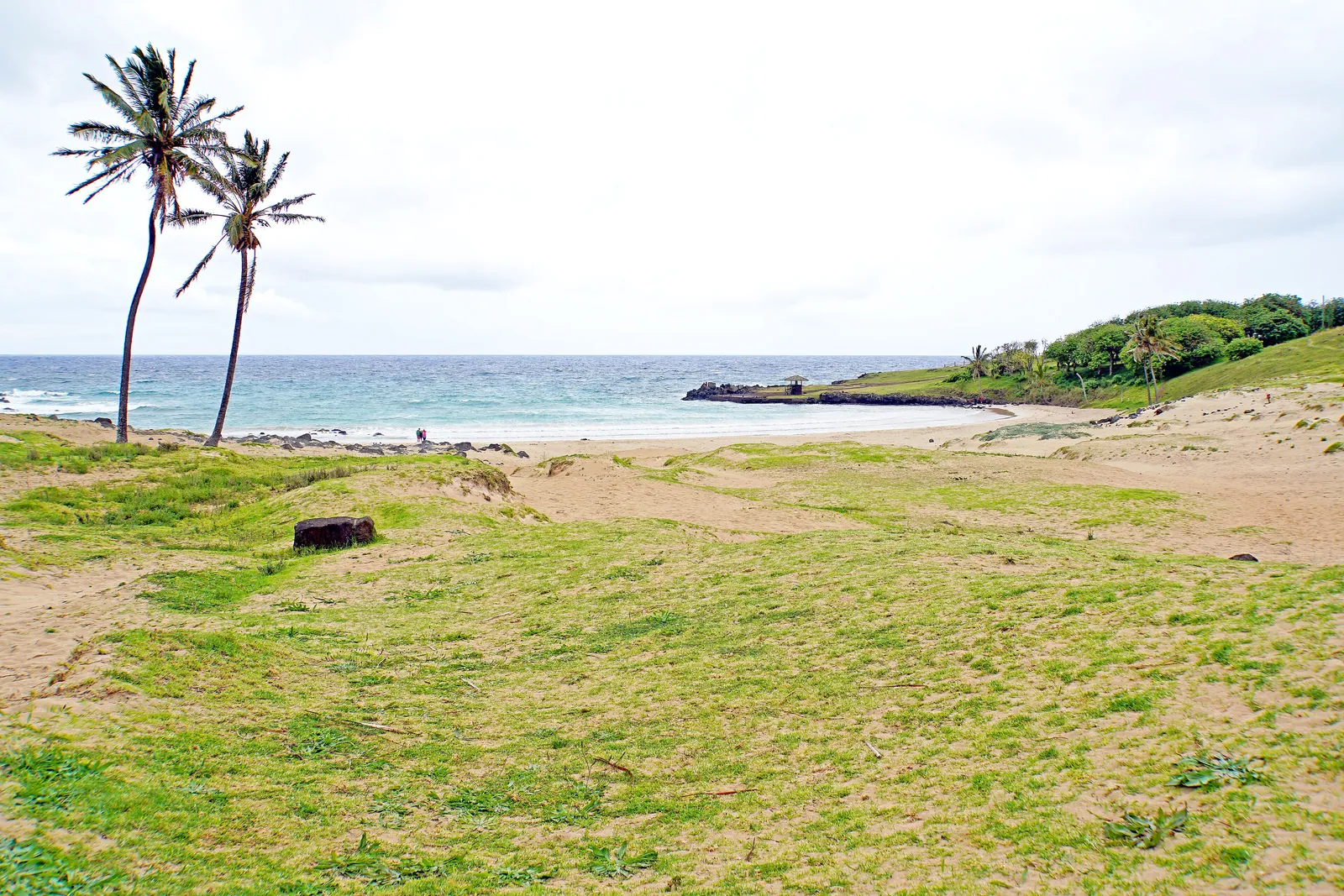
The island’s main white-sand beach, fringed by palms, with the moai of Ahu Nau Nau standing just behind it — traditionally the first landing place of the settlers.
From landmark restaurants to the small rooms only locals mention.
A long-favoured spot on the Hanga Roa seafront, with an open, breezy room, fresh local fish such as tuna and kana kana, and a fine sunset view.
A relaxed terrace overlooking the water in Hanga Roa, known for ceviche, grilled fish and unhurried lunches as the surf rolls in below.
A small, well-regarded Hanga Roa kitchen pairing the island’s fresh fish with Japanese and wider Asian technique — a change of pace from the seafront grills.
| Location | A Chilean island in the south-eastern Pacific, part of Polynesia |
|---|---|
| Famous for | Its roughly 900 monumental moai, carved by the Rapa Nui people |
| Recognition | Rapa Nui National Park — UNESCO World Heritage Site (1995) |
| Settled by | Polynesian voyagers, most likely around 1,000 years ago |
| Only town | Hanga Roa, on the south-west coast, where almost everyone lives |
| Getting there | A roughly 5.5-hour flight from Santiago, Chile (airport code IPC) |
Rapa Nui is a chapter of The Pacific Arc.
By air, and only from Chile. Flights depart Santiago for Mataveri Airport on the island (airport code IPC), a journey of roughly five and a half hours over open ocean. It is the sole scheduled route, so seats and connections are best booked well ahead — and Viajes Globales arranges the full journey for you.
Extraordinarily so. Rapa Nui is one of the most remote inhabited places on Earth: the nearest inhabited land, tiny Pitcairn, lies about 2,000 kilometres away, and continental Chile is some 3,500 kilometres east. That isolation is central to the island’s story — and to the singular culture that grew up here.
Rapa Nui is a year-round destination with a mild subtropical climate. October to April is warmer and is the swimming season. The cooler, wetter months from May to September are quieter and still pleasant for exploring. Early February brings Tapati Rapa Nui, the island’s great cultural festival — vivid, but a busy and much-booked time.
Three to four full days is the sweet spot. That is enough to see Ahu Tongariki at sunrise, the Rano Raraku quarry, Orongo, Anakena and Ahu Akivi at an unhurried pace, with time for the museum and the slower rhythm of Hanga Roa. Given the long flight to reach it, a rushed visit is a missed opportunity.
Yes. Almost every major site lies within Rapa Nui National Park, which requires a ticket bought on arrival, and many sites can only be entered with an accredited local guide. The rules exist to protect fragile, sacred heritage: visitors must keep to marked paths, never climb or touch the moai or their ahu platforms, and treat every site as the living ancestral ground it is.
Travel here as a chapter of a grand journey, or as a trip of its own. We will tailor it to your dates and pace.