Birdwatching on the Grand Journeys: A Continent-Crossing Guide
Every grand journey is also a birding journey, planned or not. Here is what to look for from the Andes to the African rift to the Silk Road — and how a pair of binoculars changes the way you travel.
Birds are the wildlife you cannot avoid. They are everywhere our journeys go — over the high Andes, across the African rift, along the Silk Road's oases, above the Southern Ocean — and they are active, visible and astonishingly varied. A traveller who learns to notice them gains a companion to every landscape, at no extra cost and on every single day.
You do not need to be a dedicated birder to enjoy this. A modest pair of binoculars, a little curiosity and a willingness to look up are enough to turn a transfer, a lunch stop or a quiet hour into something memorable. This guide runs through the birdlife of the six grand journeys, and the simple habits that bring it into focus.
Why birds reward the long traveller
A long journey across many habitats and climates is, by definition, a journey across many bird communities. Cross from rainforest to high paramo to coastal desert in a single Andean country and the birds change completely with each zone — far faster than the mammals do. The slow traveller, moving overland and lingering, sees this turnover in a way a single-destination trip never can.
Birds are also generous subjects. They are diurnal, often colourful, frequently vocal, and present in good numbers, so a sighting is rarely a matter of rare luck. And because birds migrate, watching them connects the places on an itinerary: a wader resting on a Rift Valley lake may breed in the Arctic, quietly stitching your journey into a far larger map.
The Andes and Patagonia: condors, flamingos and the high country
Andes to Antarctica is a birding journey of dramatic contrasts. The high country offers the Andean condor riding the ridges, while the altiplano's salt lakes hold three species of flamingo — Andean, Chilean and the rare James's — feeding in shallow brine. Cloud forest on the eastern slopes is famous for hummingbirds and, in places, the resplendent Andean cock-of-the-rock.
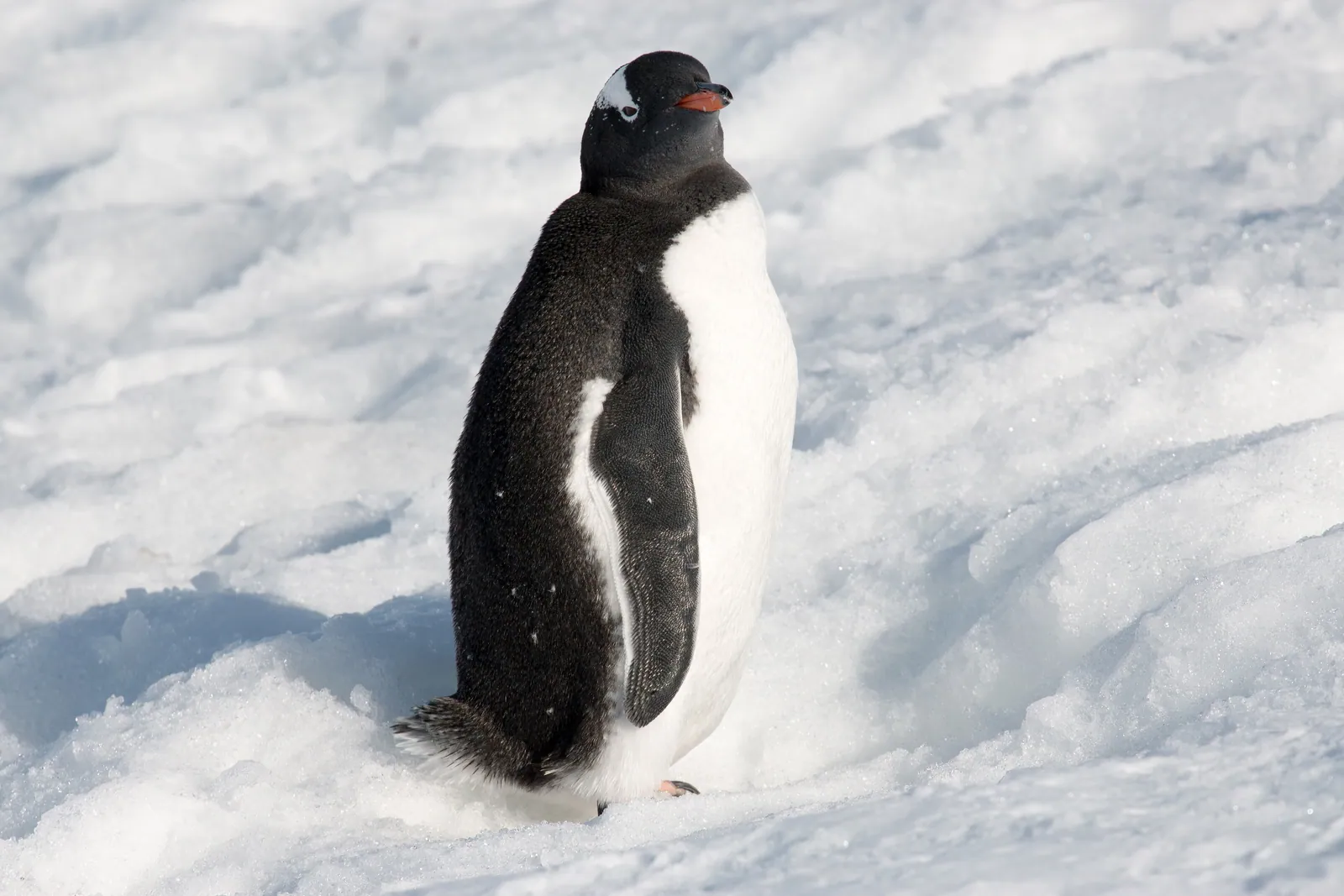
Further south, the Patagonian steppe brings the ostrich-like ñandú, upland geese and caracaras, and the forests hold the Magellanic woodpecker and austral parakeets. By journey's end, the seabirds take over — albatrosses and petrels shadowing the ship across the Drake Passage, a spectacle of effortless flight that many travellers remember above all else.
The Great Rift: Africa's birding heartland
East Africa is one of the richest birding regions on Earth, and The Great Rift passes through its core. The Rift Valley's alkaline lakes can hold flocks of lesser flamingo so vast they turn the shoreline pink — among the great avian gatherings of the continent. The savannas add ostrich, secretary bird, ground hornbill, and a parade of vivid bee-eaters, rollers and starlings.
Raptors are everywhere: eagles, vultures and harriers riding the warm air. Even travellers focused on the great mammals find the birds impossible to ignore — a single acacia at a lunch stop can hold a dozen species, and the camps themselves are alive with weavers, sunbirds and hornbills going about their day.
The Silk Road, the Pacific Arc and the seas
The Silk Road Reborn and The Long Way East cross deserts, steppes and mountains where birdlife is sparser but special — larks and sandgrouse of the arid plains, raptors over the ranges, and oases that act as magnets, concentrating migrants where there is water and shade. Central Asia sits beneath major flyways, so the season can transform a quiet wetland overnight.
On The Pacific Arc and Beyond the Blue, the coasts and islands bring a different cast: seabird colonies, frigatebirds and boobies, terns and tropicbirds, and the waders that work every shoreline. Time on or near the water almost always adds birds — and a calm crossing watched from the rail is a fine way to find them.
How to make birding part of your journey
Start with binoculars. A compact, reasonably bright pair — many travellers favour an 8x32 or 8x42 — is the single most useful thing you can carry, and it serves all wildlife watching, not just birds. Add a regional field guide or a good birding app, and you have everything you need.
Then build small habits. Be ready in the first hour after dawn, when birds are most active and most vocal. Keep your binoculars within reach at meals and on drives. Note what you see — a simple list deepens attention and becomes a record of the journey. And ask your guides; many are expert birders who will happily name what you are looking at and tell you its story.
Quick answers
Do I need to be an experienced birder to enjoy birdwatching on a journey?
Not at all. Birds are visible and active on every grand journey, and a beginner with binoculars and a little curiosity will see and enjoy a great deal. Many travellers find their interest grows simply by paying attention. Guides are often keen birders and happy to help you identify what you see.
Which grand journey is best for birdwatching?
The Great Rift, through East Africa, is outstanding for sheer diversity and the spectacle of flamingo flocks. Andes to Antarctica is superb for contrast, from high-altitude flamingos and condors to Southern Ocean albatrosses. In truth every journey offers rewarding birding, because each crosses many different habitats.
What binoculars should I bring for birdwatching?
A compact, good-quality pair around 8x32 or 8x42 magnification suits most travellers well: 8x gives a steady, wide view, and that size balances brightness against weight. The same binoculars serve for all wildlife watching, so a single decent pair is a worthwhile investment for any grand journey.

Let the reading become a route.
When an article sparks something, our planners are the next step. Tell us what you are dreaming of.