Climbing Kilimanjaro: Africa's Roof, One Step at a Time
Kilimanjaro is the highest point on the African continent and one of the Seven Summits — yet it requires no technical climbing. What it demands instead is time, patience, and the hardest lesson altitude teaches: slowness is strength.
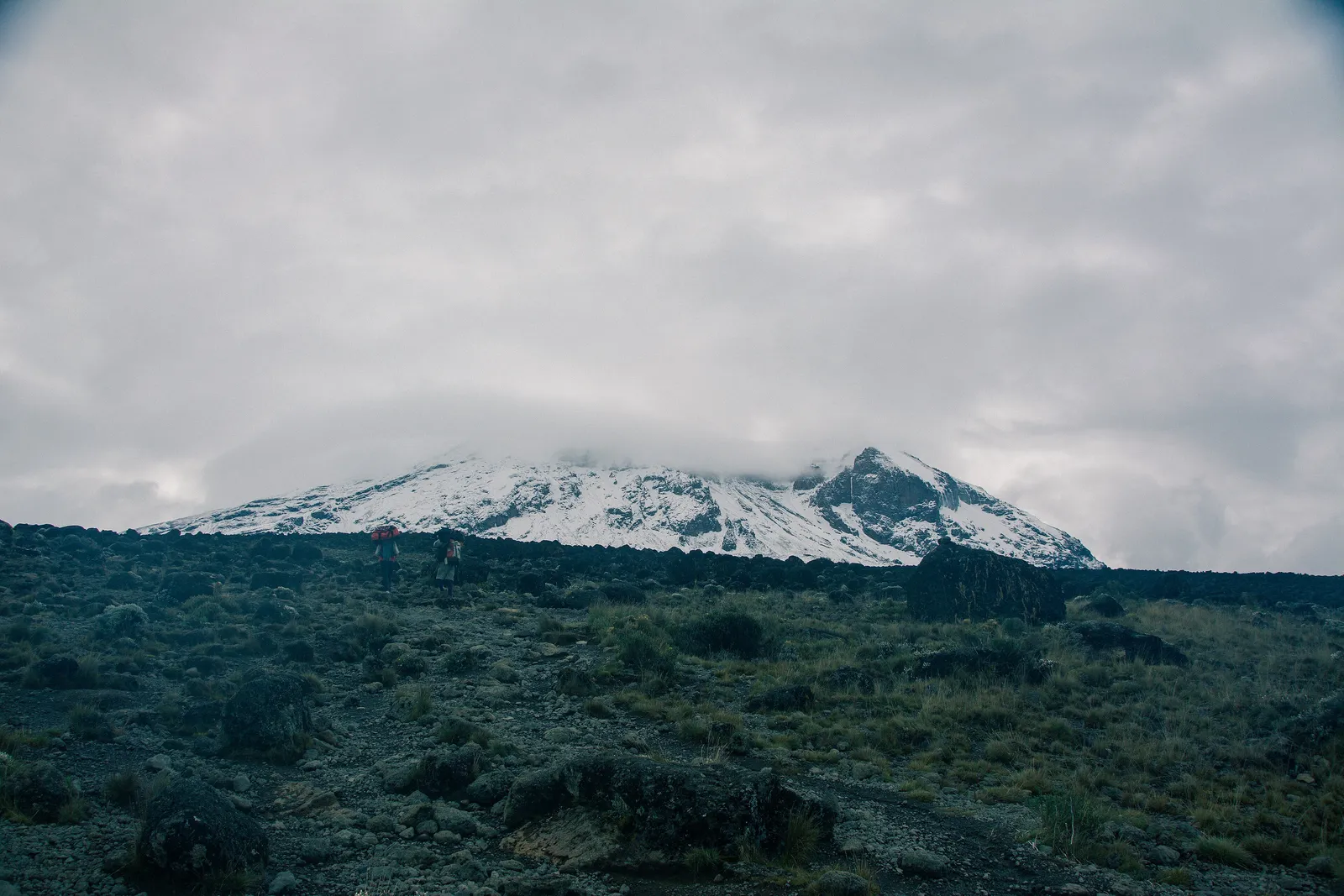
From the plains of Amboseli, the summit cone of Kilimanjaro rises so improbably from the flat savanna that the first European reports of a snow-capped equatorial mountain were dismissed as fantasy in London and Berlin. Ernest Hemingway put a leopard there, inexplicably frozen near the summit — a detail that captures something true about the mountain: it draws people toward it partly because it shouldn't exist where it does. At 5,895 metres, Uhuru Peak is the highest point in Africa, and its glaciers, though retreating, still gleam above a continent of heat and dust.
What makes Kilimanjaro singular among the Seven Summits is that it asks nothing technical of the climber — no ropes, no crampons on the standard routes, no previous mountaineering experience required. What it asks instead is time. The mountain is a lesson in vertical ecology: in five or six days you walk through equatorial forest alive with colobus monkeys and giant heather, across high moorland, through a surreal alpine desert, and finally onto the arctic summit zone. Every altitude-related rule the body knows is tested here, and the climbers who summit — roughly two in three who attempt it on well-organised expeditions — are those who walked slowly enough.
The routes: choosing your line of ascent
Six main routes lead to the crater rim. The Machame route, often called the Whiskey Route, is the most popular: a seven-day circuit that offers good acclimatisation through a high-low sleep profile and exceptional scenery across the Shira Plateau and the Barranco Wall. The Lemosho route is longer still — eight days is ideal — approaches from the west, and provides the mountain's finest traverse before joining Machame for the final push. Both are significantly more forgiving physiologically than the Marangu route, the so-called Coca-Cola Route, which has the mountain's only permanent huts and a direct line that offers less acclimatisation and therefore lower success rates.
The Rongai route, approaching from the north near the Kenyan border, is quieter and drier — a good option in the long rains when the southern-approach routes can be persistently wet. The summit night on any route follows the same formula: a midnight start in the deep cold, headlamps moving in single file up the volcanic scree of Kibo to the crater rim, arriving at Stella Point and then the final forty-five minutes across the crater's edge to Uhuru. Experienced guides read the mountain's weather patterns daily, and their advice on timing the summit attempt is worth following without question.
Altitude and acclimatisation on a walk-up peak
Kilimanjaro's reputation as a 'walkable' summit can be misleading. The summit altitude is higher than Everest Base Camp, and the ascent from the park gate to the crater happens with relative speed compared to a proper Himalayan acclimatisation schedule. The profile of a six-day Machame climb, for instance, gains and loses altitude strategically — camping low after a high day — but still compresses significant elevation gain into a short timeframe. Acute mountain sickness is common on Kilimanjaro, and it is the primary reason climbers turn back.
The cardinal rule is the same one that governs all high-altitude travel: pole pole — slowly, slowly in Swahili — is not just a phrase guides say to tourists. It is the correct pace. Blood oxygen saturation drops measurably above 4,000 metres, headaches are nearly universal above the saddle, and nausea on the summit night is common enough to be considered normal. Our expeditions use portable altitude sickness assessments nightly, and our guides carry supplemental oxygen for emergencies. The mountain rewards deliberate movement and punishes ambition.
Five ecosystems in six days
No other summit climb on earth offers the ecological drama of Kilimanjaro's vertical zones. The first day climbs through montane rainforest — dense, dripping, loud with birdsong and movement — where the Kilimanjaro tree hyrax calls at night and olive pigeons work the canopy. Above the forest, moorland opens out across the Shira Plateau, and the giant lobelias and groundsels that grow there, evolved to survive near-freezing nights at altitude, have the alien quality of plants from another planet. A giant senecio can live for centuries and grow to six metres; they stand in the mist like sentinels.
Above the moorland comes the alpine desert: a landscape of rock and thin wind and extraordinary light, where the last vegetation gives way to scree and the summit dome floats in impossible clarity ahead. At 4,700 metres the arctic summit zone begins — glaciers on one side, fumaroles on the other, the crater walls enclosing a world of ice and volcanic rock that smells faintly of sulphur. Standing on Uhuru Peak at dawn, watching the shadow of the mountain fall three hundred kilometres across the savanna, is the kind of experience that reorganises what you know about the scale of things.
Preparation, gear, and what to leave behind
Kilimanjaro is a serious physical undertaking, but the fitness required is aerobic endurance, not strength or technical skill. The ability to walk six to eight hours a day with a light daypack for six consecutive days, while at altitude and possibly in cold rain, is the benchmark. Training that emphasises long slow distance — hiking with elevation gain, or extended walks on successive days — is more useful than gym fitness. The key is arriving with no respiratory illness; a cold that would be trivial at sea level can end a summit attempt.
The layering system for the summit night needs to manage temperatures that can reach minus fifteen degrees Celsius with wind chill: a moisture-wicking base layer, a mid-layer of synthetic insulation, a down jacket, and a waterproof shell on top. Gaiters are useful on the ashy summit scree. Everything else can be portered — Kilimanjaro regulations require the use of registered porters, and a well-organised expedition will carry all camping equipment, food, and most luggage, leaving climbers to carry only a daypack with water, snacks, and a warm layer for transitions.
The summit night: what the climb actually feels like
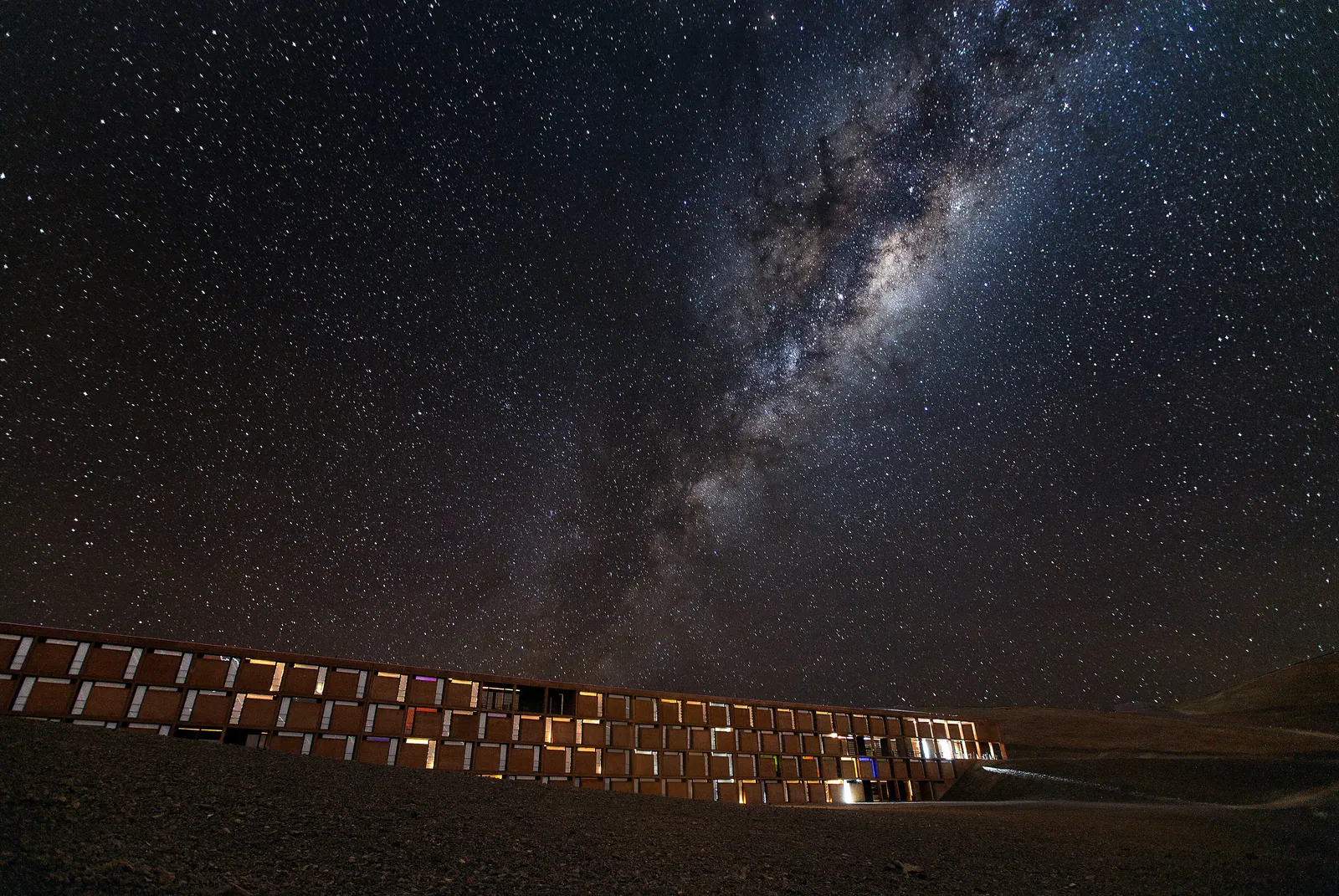
The midnight start is a deliberate choice: it puts climbers at the crater rim at dawn, and the firm cold scree is easier to ascend than the afternoon sand that slides back underfoot. But the first hour, leaving the warmth of the tent at midnight into the Tanzanian high-altitude darkness, is the moment when every climber briefly reconsiders. The stars above the African plateau are extraordinary — no light pollution, and the Milky Way is so bright it casts shadows — but they are quickly eclipsed by the demands of the climb: one foot, then the other, hour after hour, breathing into the cold.
The final push from Stella Point to Uhuru can take forty-five minutes to an hour. The altitude at this stage makes conversation difficult and movement slow. Many climbers experience a narrowing of perception to the next step, the next breath, the guide's boots ahead. When the wooden signpost appears at Uhuru Peak, the emotional response is often disproportionate to anything that can be explained rationally — a flooding of relief, exhaustion, and something like gratitude. The descent the same day covers four thousand metres of altitude loss by afternoon, and most climbers reach the lower camp walking through fog, their legs moving on instinct alone.
Ethics, porters, and the mountain community
Kilimanjaro National Park supports one of the largest porter workforces in Africa, and the conditions these men and women work under have historically been a serious concern. The Kilimanjaro Porters Assistance Project and the KINAPA regulations now set minimum standards for porter pay, equipment, and treatment — but enforcement is uneven and the choice of operator remains important. We work exclusively with operators who pay above the minimum wage, provide adequate cold-weather gear, and limit porter loads to the regulated 20-kilogram maximum. This is not charity; it is the baseline for ethical expedition travel.
The mountain's permit and concession fees support the Kilimanjaro National Park, a UNESCO World Heritage Site since 1987, and the broader Maasai and Chagga communities who have lived around its slopes for centuries. The Chagga people have cultivated the fertile lower flanks of Kilimanjaro with coffee, banana and bean gardens since at least the sixteenth century — their distinctive homesteads are visible from the forest path on the first day. Arriving at the mountain as a guest of that community, rather than simply as a consumer of its geology, is the correct frame of mind.
Quick answers
How fit do you need to be to climb Kilimanjaro?
The physical demand is aerobic endurance rather than technical strength. You should be able to walk six to eight hours a day for six consecutive days with a light daypack, some of that time at significant altitude. People of a wide range of ages and fitness backgrounds successfully summit every year. The best preparation is long, slow hiking with elevation gain — not running or gym training. Arriving with no respiratory illness matters more than raw fitness.
Which route is best for acclimatisation and summit success?
The Lemosho and Machame routes (seven to eight days) have higher success rates than the shorter Marangu route, primarily because their itineraries include a 'high-low' acclimatisation profile and more days on the mountain. The Rongai route from the north is a good alternative in the rainy season. Any route attempted in fewer than six days carries significantly elevated risk of altitude sickness and lower summit success rates.
What is the best time of year to climb?
The two main climbing seasons are January to mid-March and June to October. Both offer generally clear summit weather and firm conditions. The long rains from April to May and the short rains in November can make lower trails muddy, though the summit can still be reached year-round. December and January bring the additional pleasure of wild flowers on the moorland. July and August are the busiest months.
What happens if I get altitude sickness on the mountain?
Mild acute mountain sickness — headache, nausea, poor sleep — is common above 3,500 metres and usually manageable with rest and the correct pace. If symptoms worsen (severe headache, vomiting, loss of coordination or balance, difficulty breathing at rest), descent is the only treatment and must happen immediately. Professional guides carry supplemental oxygen and are trained to assess AMS daily. Climbers should never push through worsening symptoms to reach the summit.
Are tips and porter pay included in expedition costs?
Most expedition operators include park fees and basic gratuities in their pricing, but tipping guides and porters separately is standard practice and important. A widely-used guideline is approximately USD 20-25 per climbing day for your lead guide, around USD 15 for assistant guides, and USD 10 for porters, divided among the crew at the end of the climb. Always check what your operator includes and follow the KINAPA-recommended rates.
Let the reading become a route.
When an article sparks something, our planners are the next step. Tell us what you are dreaming of.