Eating Across a Ninety-Day Journey: How the Palate Travels
On a journey that crosses continents over three months, food is not a series of meals but an arc. Here is how your appetite changes, and how to eat in a way that sustains you to the end.
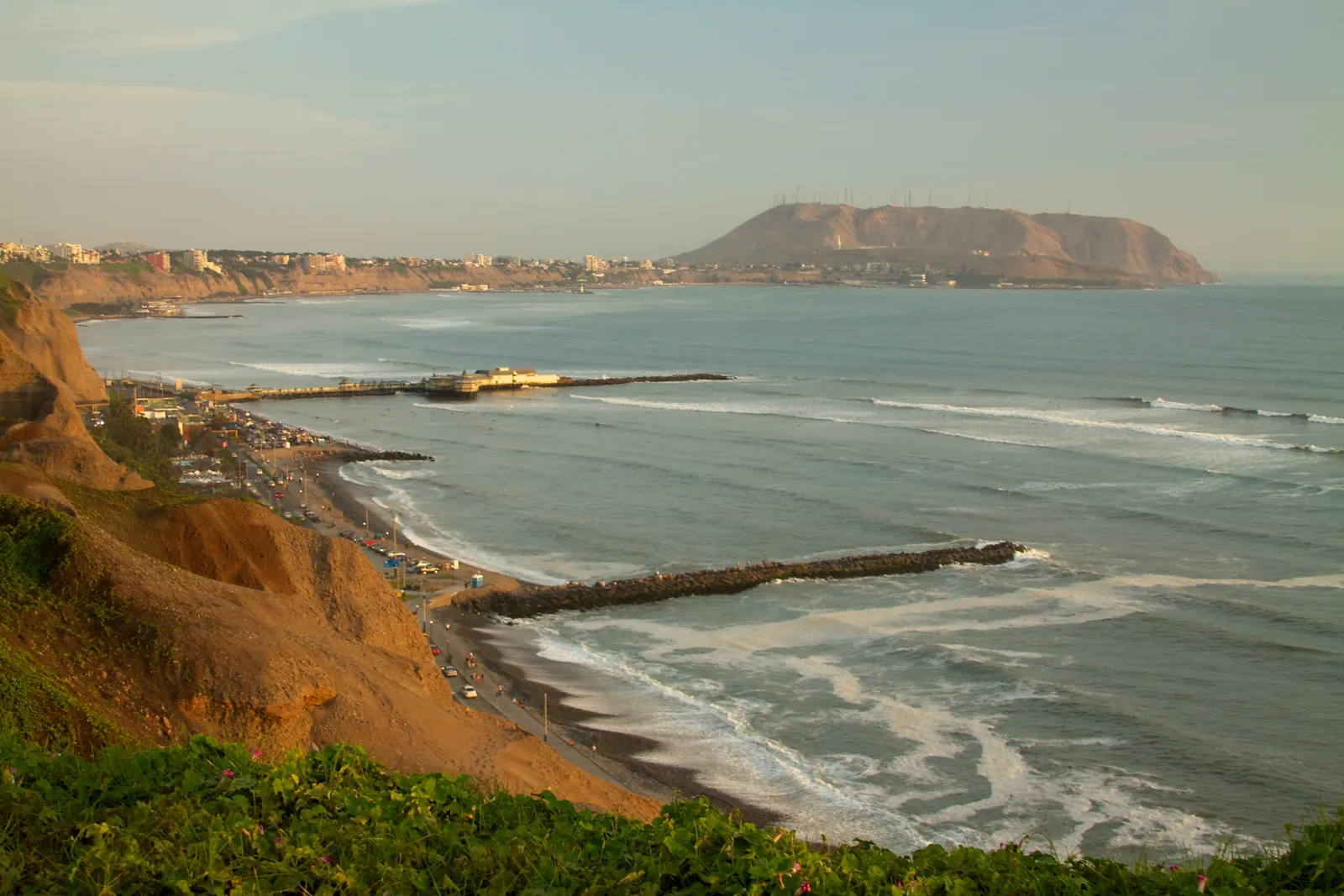
On a grand journey of ninety days, food becomes one of the clearest measures of distance. A traveller might begin with ceviche on the Pacific coast, pass through Andean soups, cross to noodle stalls and rice tables, and end somewhere else entirely — and the palate, given time, travels just as far as the body does. The honest advice is to let it.
Eating across a long journey is its own small discipline. It asks for adventurousness and good sense in roughly equal measure: the curiosity to keep saying yes to the local table, and the steadiness to eat in a way that keeps you well over weeks and months. Done thoughtfully, the food becomes one of the journey's deepest threads rather than one of its hazards.
The honeymoon, the dip and the deep enjoyment
Appetites have a shape on a long journey. The first weeks are usually a kind of honeymoon — everything is new, every market is thrilling, and it is easy to eat enthusiastically. Somewhere in the middle, many travellers hit a quieter patch: the body is tired, the novelty has worn slightly, and there is a genuine pull toward the familiar. This is normal, not a failure of spirit.
What tends to follow, for those who travel slowly, is the best phase of all. By the later weeks the palate has recalibrated. You have learned how a region eats, you order with confidence, you have your own small rituals, and the food becomes a steady pleasure rather than a daily decision. Knowing this curve exists makes the middle stretch much easier to ride out — it passes.
Eating with the seasons and the map
A long journey moves through climates and cuisines, and the smartest approach is to eat with the place rather than against it. Coastal regions mean the day's catch — eat seafood where it is landed and at the time of day it is freshest. High, cold country means hearty soups, starches and slow-cooked meat, food that suits both the climate and, at altitude, your physiology. Hot regions lean on grilled food, fresh fruit and cooling dishes for good reason.
Seasonality is part of this too. Markets tell you plainly what is at its peak; a fruit in abundance and cheap is a fruit worth eating now. The pleasure of a journey like The Long Way East or The Pacific Arc is precisely that the table keeps changing under you. Trying to eat the same way throughout is both harder and far less rewarding than moving with the map.
Staying well over the long run
Over ninety days, the goal is not to avoid local food but to eat it wisely, because the local table is one of the chief reasons to travel at all. The principle is simple: heat makes food safe, and a busy stall with high turnover is a good sign. Favour things freshly and thoroughly cooked, be sensible about water and the things made with it, and you can say yes far more often than no.
Mild stomach upset is common on a long journey and is usually a brief inconvenience rather than a real illness — rest, fluids and plain food generally settle it within a day or two. Some travellers find their digestion needs an occasional gentle day: a plain breakfast, a familiar dish, an early night. Treat that not as defeat but as maintenance. A body that is looked after a little can keep eating adventurously for three months.
The comfort of routine, and the courage to break it
Long-haul travellers almost all develop food rituals, and they are worth cultivating. A reliable breakfast, a familiar style of tea or coffee, the habit of carrying a few trusted snacks for long road and transfer days — these small anchors steady the appetite and give a shifting journey a sense of rhythm. There is no shame in a quiet, familiar meal when you need one.
But the routine is there to be broken. The single best meals of a long journey are rarely the safe ones; they are the market stall someone pointed you toward, the festival dish that appears for only a few days a year, the home-style lunch in a town with no other reason to stop. The art of eating across ninety days is to keep enough routine to stay well and enough openness to keep being surprised.
Letting food carry the journey
Food is one of the best memory-keepers a long journey has. Tastes attach themselves to places more firmly than photographs do, and a traveller who pays attention to what they eat ends up with a far richer map of where they have been. Keeping a few notes — the name of a dish, the market where you found it — costs nothing and pays back for years.
It is also a way to understand the people you travel among. To be fed is to be welcomed, and on a long escorted journey, shared meals — with fellow travellers, with hosts, with a local cook who explains a regional dish — are where a great deal of the journey's warmth actually lives. Eating well, over ninety days, is not a logistical problem to be solved. It is one of the principal things you came to do.
Quick answers
Will I get tired of the food on a three-month journey?
Many travellers go through a mid-journey patch where novelty fades and the familiar feels appealing — this is normal and usually passes. Because a grand journey moves through many countries and cuisines, the table keeps changing, which helps. Building in a few simple, familiar meals when you need them, while staying open to local food the rest of the time, keeps eating enjoyable for the full journey.
How do I avoid getting sick from food over such a long trip?
The core habits are straightforward: favour food that is freshly and thoroughly cooked, choose busy places with high turnover, and be thoughtful about water and anything made with it, such as ice and salads. Mild stomach upset is common and usually brief, settling with rest, fluids and plain food. These habits let you eat local food adventurously across months while staying well.
Should I bring my own food for a long journey?
There is no need to carry meals, but a small supply of trusted snacks is genuinely useful for long road days, early starts and transfers when timing is unpredictable. Beyond that, the pleasure and the point of a grand journey is to eat what each region eats. A few familiar items as a backstop, and an open mind for everything else, is the right balance.
Let the reading become a route.
When an article sparks something, our planners are the next step. Tell us what you are dreaming of.