Ethical Wildlife Encounters: A Traveller's Code
Watching wild animals is a privilege that carries responsibilities. Here is a clear, practical code for encountering wildlife well — keeping animals safe, supporting real conservation, and knowing which experiences to refuse.
Every wildlife encounter changes the animal, however slightly. The question for a thoughtful traveller is not whether to leave a trace but how to make that trace as small and as positive as possible — and how to tell a genuine, well-run encounter from one that exploits animals for a photograph.
Ethical wildlife watching rests on a simple principle: the animal's welfare and the health of its population come before our convenience or our camera. From that principle flow a set of practical rules, and the good news is that following them does not diminish a wildlife experience. It almost always improves it, because calm, undisturbed animals behave naturally — and natural behaviour is what we travelled to see.
Keep your distance and let the animal choose
The foundation of every ethical encounter is distance. Stay back far enough that the animal can carry on its life as if you were not there, keep to marked paths and viewing areas, and never surround, corner or block the route of a wild creature. If an animal stops what it was doing to watch you, moves away, or shows signs of stress, you are too close — quietly give ground.
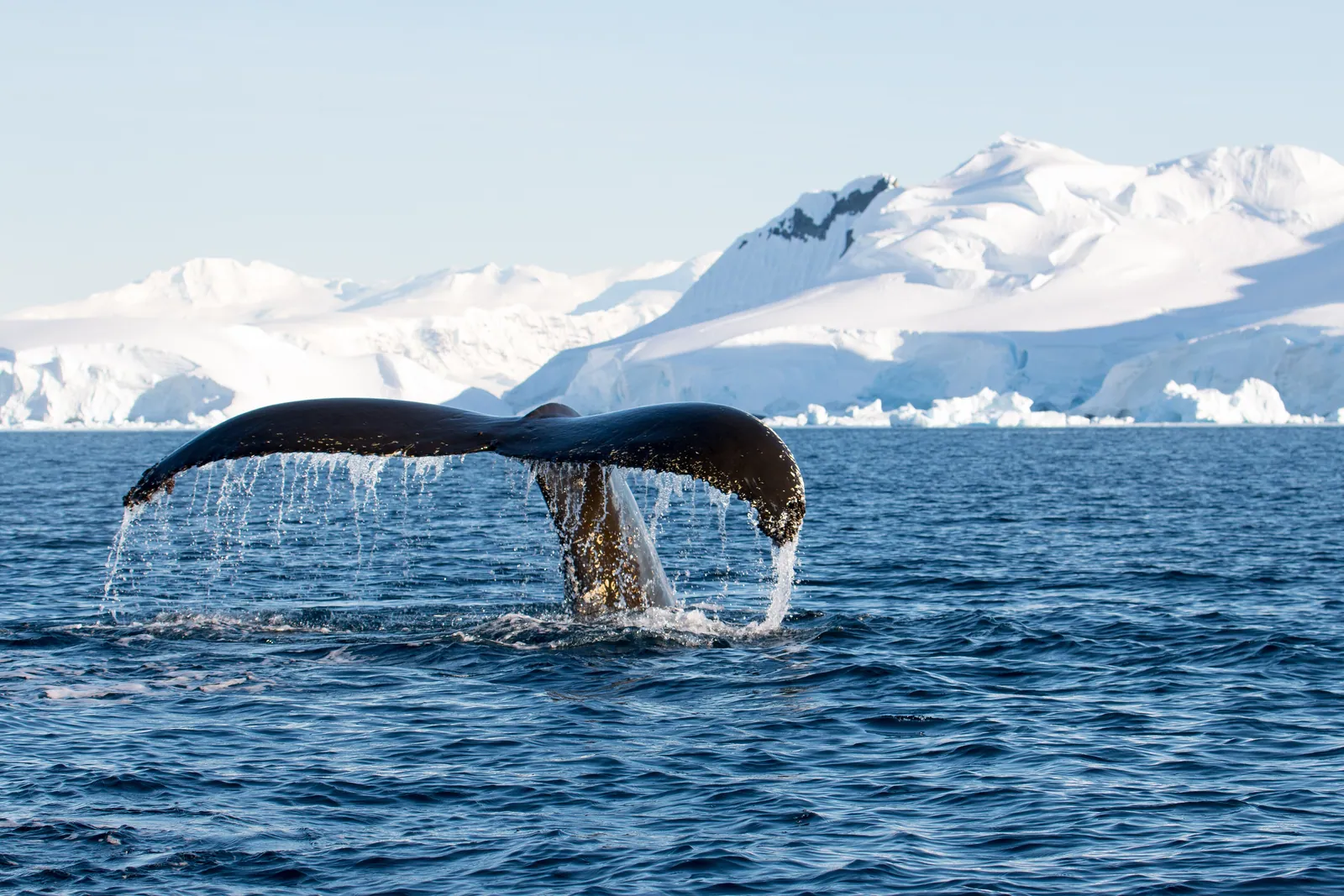
Let approach be the animal's decision, never yours. A curious penguin or whale that comes near a still, quiet observer is offering a genuine encounter; a creature you have pursued is simply trying to escape. Distances matter: Antarctic guidance keeps visitors several metres from penguins and seals, and similar logic applies everywhere. When in doubt, step back.
Never feed, touch or bait wild animals
Feeding wildlife seems kind and is almost always harmful. It alters natural behaviour, draws animals dangerously toward people and roads, spreads disease, damages health with unsuitable food, and can make animals aggressive or dependent. The same goes for baiting an animal into view for a photograph. A fed animal is a changed animal, and often a doomed one.
Touching wild animals stresses them, can transmit disease in both directions, and erodes the wariness that keeps them alive. Be cautious, too, with sound and light: avoid playing recorded calls to lure birds during breeding season, and never use flash on nocturnal animals, whose eyes are highly sensitive. The rule is simple — observe, do not interfere.
Protect the place, not just the animal
An animal cannot thrive in a degraded home, so ethical wildlife watching extends to the whole landscape. Keep to trails to avoid trampling nests, dens and fragile plants. Take all litter away, including food scraps, which attract and harm wildlife. Keep noise low. Clean boots and gear between sites to avoid carrying seeds, soil or disease — a biosecurity step taken seriously on journeys to places like Antarctica.
Be especially careful around breeding animals. A disturbed parent may abandon eggs or young, or leave them exposed to cold and predators. Nesting birds, seal pups and denning mammals deserve a wide and quiet berth. The best evidence you watched well is that the place is exactly as you found it.
Knowing which encounters to refuse
Some popular wildlife attractions are built on suffering, and a traveller's most powerful tool is the decision not to buy a ticket. Be wary of any experience that lets you hold, ride, hug or pose with wild animals; of big cats that are unnaturally docile; of performing animals; and of facilities that breed wildlife for tourist contact rather than for genuine, regulated release.
Ask hard questions. A reputable sanctuary does not allow direct handling of wild animals, does not breed for the tourist trade, is transparent about where its animals came from, and prioritises rehabilitation and release or lifelong care. If a place is evasive about these points, treat that as your answer. Photographs with captive wild animals, however charming, almost always have a hidden cost.
Make your visit count for conservation
Done well, wildlife tourism is a force for good: it gives wild animals and wild places a measurable economic value, funds protection, and gives local communities a direct stake in conservation. The choices a traveller makes determine which way that influence runs.
Favour operators who employ and train local guides, channel money into conservation and communities, follow recognised guidelines, and limit group sizes and disturbance. Our journeys are built around protected areas and the people who steward them, because a wildlife encounter should leave the animal undisturbed, the place intact, and the case for its future a little stronger than before.
Quick answers
How do I know if a wildlife sanctuary is ethical?
A genuine sanctuary does not let visitors hold, ride or pose with wild animals, does not breed animals for tourism, and is transparent about where its animals came from and what happens to them. Its focus is rehabilitation and release, or lifelong care for animals that cannot return to the wild. Evasiveness about any of this is a warning sign.
Why is feeding wild animals harmful if they seem to want the food?
Feeding changes natural behaviour, draws animals toward people and traffic, spreads disease, and can damage their health with unsuitable food. Animals can become dependent or aggressive, and habituated animals are more likely to be killed as nuisances. An animal accepting food is not the same as that food being good for it.
Does wildlife tourism actually help conservation?
It can, significantly. Well-managed wildlife tourism gives animals and habitats an economic value, funds protection, and gives local communities a reason to conserve rather than exploit. The benefit depends on how a trip is run: small groups, local employment, low disturbance and real conservation funding are what turn tourism into a genuine conservation ally.
Let the reading become a route.
When an article sparks something, our planners are the next step. Tell us what you are dreaming of.