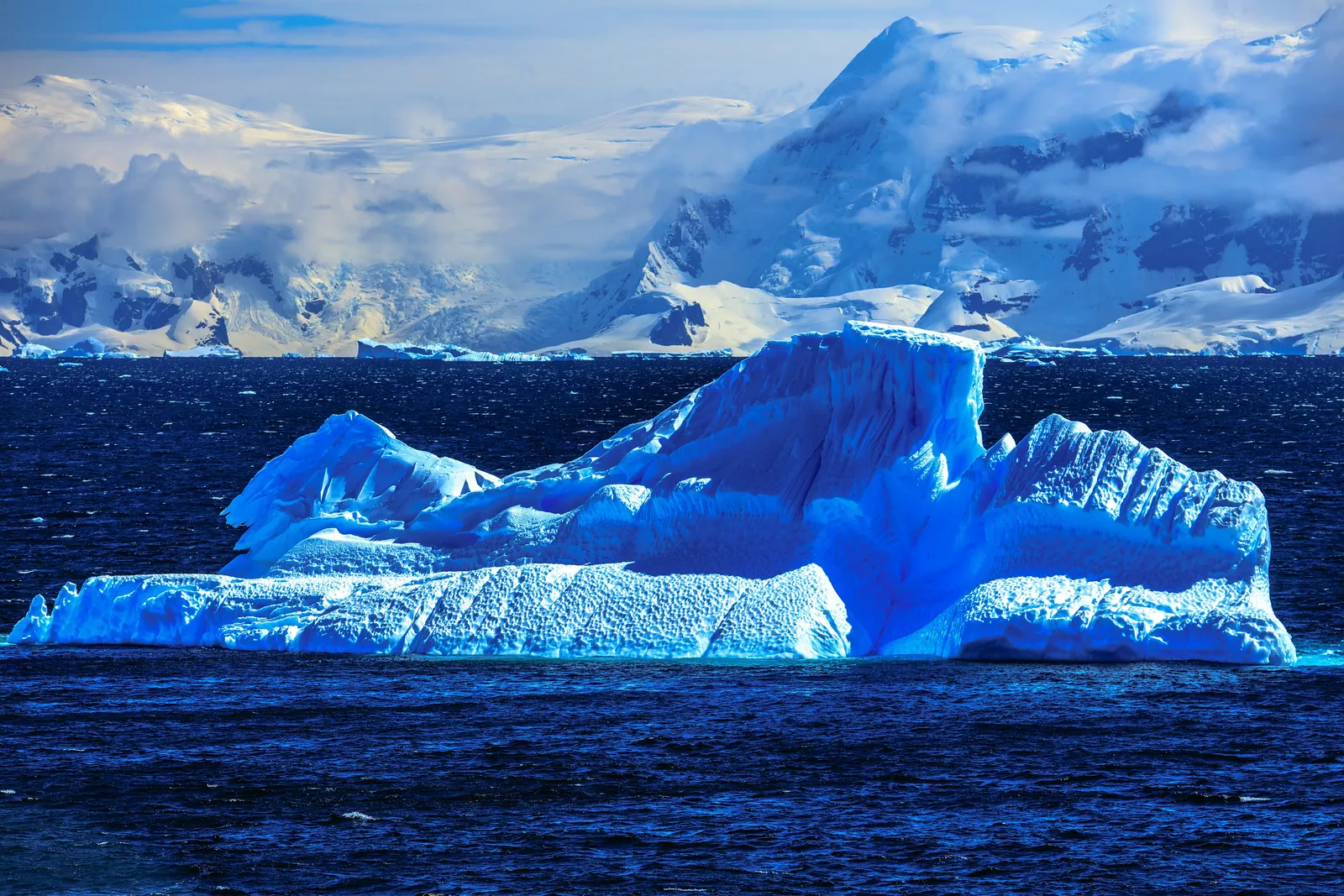
How the Antarctic Treaty and IAATO Protect the Continent
Antarctica belongs to no country and runs on an unusual idea: a continent reserved for peace and science. Here is how the Antarctic Treaty and the tourism body IAATO keep it safe — and what that means for travellers.
Antarctica is the only continent governed not by nations but by a treaty. The Antarctic Treaty, signed in 1959 and in force since 1961, sets the whole continent aside for peace and science, freezes all territorial claims, and bans military activity. A later agreement, the Madrid Protocol, designates Antarctica a natural reserve and prohibits mining there.
Tourism sits inside this framework and adds a second layer of its own. The International Association of Antarctica Tour Operators, known as IAATO, is the industry body whose members agree to operate to strict shared standards. Together the treaty and IAATO are the reason a traveller can visit one of the planet's most fragile places without harming it — and they shape every day of an Antarctic voyage.
A continent for peace and science
The Antarctic Treaty grew out of the cooperative spirit of the International Geophysical Year and was signed by twelve nations active in Antarctica at the time. Its core terms are striking: Antarctica is to be used for peaceful purposes only, military activity and nuclear testing are banned, and scientific findings are to be shared freely.
The treaty also sidesteps the question of ownership. Several countries had made overlapping territorial claims; the treaty does not resolve them but freezes them, so that no claim is advanced or denied while the treaty is in force. Many more countries have since joined, and the treaty has held for over six decades — a rare and durable example of international cooperation.
The Madrid Protocol and environmental protection
The Protocol on Environmental Protection to the Antarctic Treaty, agreed in Madrid in 1991 and in force from 1998, is the environmental heart of the system. It designates Antarctica as a natural reserve devoted to peace and science, and it prohibits any activity relating to mineral resources other than scientific research — in effect, a ban on mining.
The protocol sets out environmental principles that govern all activity on the continent, tourism included: requirements to assess environmental impact, to protect Antarctic wildlife, to manage waste, and to prevent marine pollution. It is the legal backbone behind the practical rules a visitor experiences as biosecurity checks and landing guidelines.
What IAATO is and what it does
IAATO was founded in 1991 by a group of tour operators who wanted Antarctic tourism to be done responsibly and to a common standard. It is a member organisation, not a government body, but its members commit to detailed operational procedures that often go beyond the letter of the law.
Among the best-known IAATO measures: a limit of 100 visitors ashore at any one landing site at one time; ships carrying more than 500 passengers may not land guests at all; vessels coordinate their schedules so that sites are not crowded; and members follow strict guidelines on wildlife watching, activity briefings and biosecurity. These are the rules that quietly shape the rhythm of a voyage.
Biosecurity and the rules ashore
Much of what a traveller does on an Antarctic voyage is biosecurity in action. Before the first landing, outer clothing, boots, bags and walking poles are inspected and cleaned to remove seeds, soil and organic matter that could introduce non-native species. Boots are scrubbed and disinfected on the way ashore and on return to the ship.
Ashore, the guidelines are clear and consistent: keep a set distance from wildlife, never touch or feed animals, take nothing and leave nothing, stay clear of historic sites and research stations unless invited, and follow the staff who manage every landing. These are not bureaucratic hurdles; they are the working tools that keep the continent intact.
What this means for a traveller
Choosing a voyage operated by an IAATO member is the single clearest way for a traveller to ensure their trip meets recognised environmental and safety standards. It signals a commitment to the landing limits, the wildlife guidelines and the biosecurity practices that protect Antarctica.
On our Andes to Antarctica journey, the peninsula leg is run within this framework, and the briefings, boot-washing and small-group landings are part of what it means to visit responsibly. Travellers sometimes expect the rules to feel restrictive; in practice they feel like respect — the price, and the privilege, of being a guest on a continent that belongs to no one.
Quick answers
Who owns Antarctica?
No country owns Antarctica. Several nations have made overlapping territorial claims, but the Antarctic Treaty, in force since 1961, freezes all such claims and reserves the continent for peace and science. Antarctica is governed cooperatively through the Antarctic Treaty system rather than belonging to any single state.
Is tourism allowed in Antarctica?
Yes. Tourism is permitted and is regulated through the Antarctic Treaty system and the Madrid Protocol's environmental rules, alongside the standards of IAATO, the tour operators' association. IAATO members follow strict guidelines on visitor numbers ashore, wildlife watching and biosecurity, so responsible tourism can take place without harming the environment.
Why does it matter to travel with an IAATO operator?
IAATO members commit to detailed shared standards that protect Antarctica and keep visits safe: limits on how many people may be ashore at once, coordination so sites are not crowded, strict wildlife and biosecurity guidelines, and trained expedition staff. Choosing an IAATO operator is the clearest assurance that a voyage is run responsibly.

Let the reading become a route.
When an article sparks something, our planners are the next step. Tell us what you are dreaming of.