How to Reach Easter Island
It is one of the most isolated inhabited places on Earth, yet getting there is simpler than its reputation suggests — though it rewards planning. Here is the practical picture, from flights to entry rules to how long to stay.
There is essentially one way to reach Easter Island as a traveller: by air, on the scheduled flight to Mataveri International Airport. Rapa Nui sits roughly 3,500 kilometres off the coast of mainland Chile and about 2,000 kilometres from the nearest other inhabited island, Pitcairn. Almost all visitors arrive on the route from Santiago de Chile, a flight of around five and a half hours; a less frequent service connects the island with Pape'ete in Tahiti, which makes a trans-Pacific routing possible.
The island is fully open to visitors, but Chile manages tourism carefully to protect both the archaeological sites and the community. That means a small amount of paperwork before you fly, a national park ticket once you arrive, and a stay long enough to do the place justice. On The Pacific Arc, the Rapa Nui days are sequenced and arranged for you — but the logic below is worth understanding whoever you travel with.
The flights, and why they fill up
The Santiago–Rapa Nui route is operated by LATAM and is the island's lifeline, carrying residents, supplies and visitors alike. In the low season there may be only a handful of flights a week; in the southern summer and around the Tapati festival in February, frequency rises but seats are still finite on an island with strict visitor management. Book well ahead, particularly for travel between December and March.
The same aircraft often continues from Rapa Nui to Pape'ete, which is why a Tahiti connection exists at all. For travellers piecing together a Pacific itinerary independently, this single weekly-ish link is the hinge of the whole region — miss it and the alternatives are scarce. It is one reason an escorted journey, where the connections are already secured, removes a genuine source of stress.
Entry requirements and the paperwork
Rapa Nui is Chilean territory, so the entry rules for Chile apply: most visitors from Europe, the Americas and many other countries enter without a visa for tourism, but check your own nationality before you travel. Your passport should have comfortable validity beyond your trip.
There is also an island-specific step. Under Chile's Rapa Nui residence law, visitors must complete an entry form, hold a confirmed return or onward ticket, have a booked place to stay or a sponsor on the island, and may stay no longer than 30 days. The form is straightforward and is normally completed online before departure or at check-in. On an organised journey, this administration is handled as part of your travel arrangements.
The national park ticket
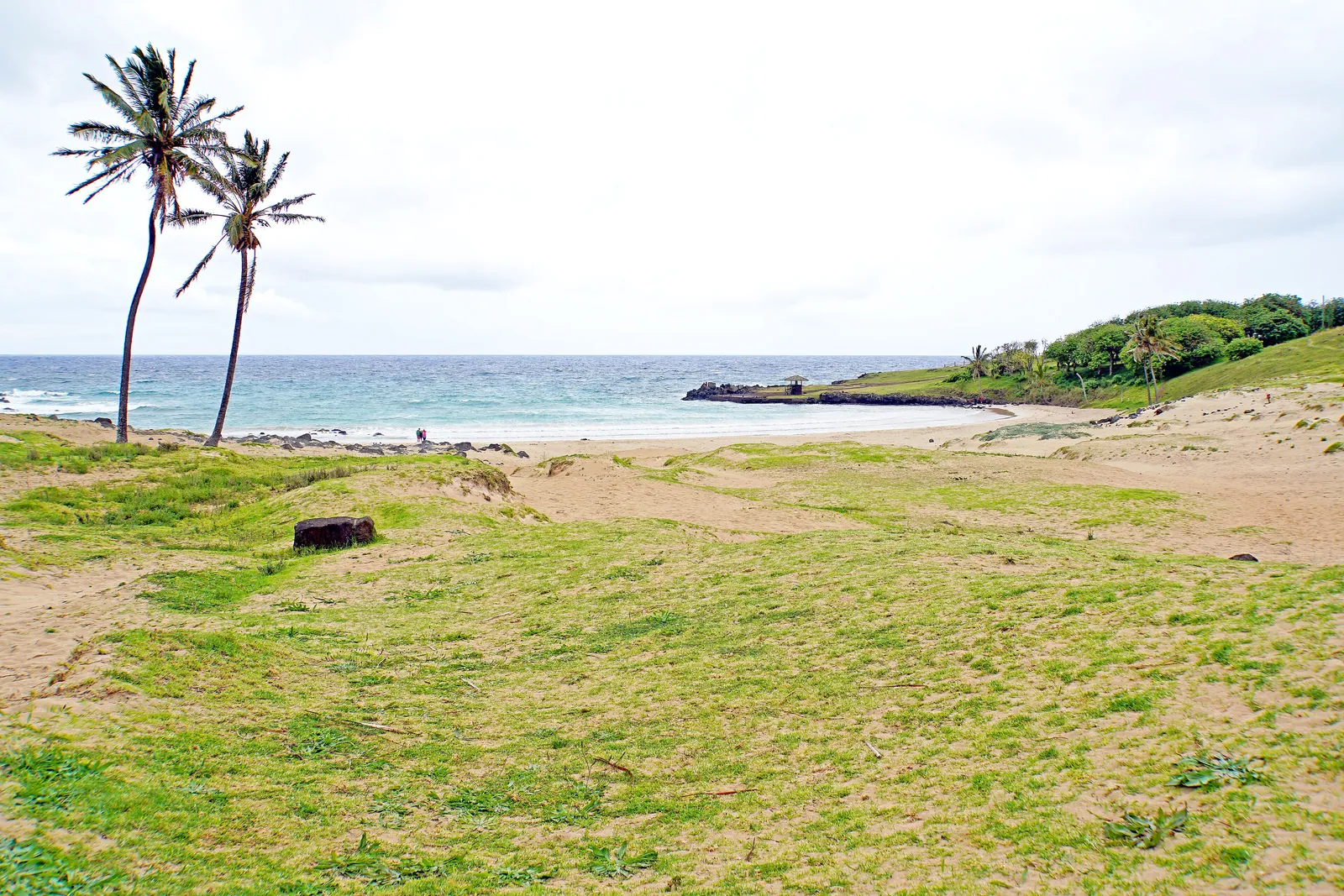
Almost every site a visitor comes to see — Rano Raraku, Orongo, the great ahu of Tongariki and Anakena — lies within Rapa Nui National Park, and entry requires a park ticket purchased on arrival, typically at the airport or in Hanga Roa. The ticket is valid for the duration of a normal stay and is your pass to the protected sites.
Two rules attached to that ticket matter. Rano Raraku and Orongo may each be entered only once on a single ticket, so they are not places to drop into casually — plan a proper visit to each. And the revenue is not incidental: it funds conservation and is shared with the Rapa Nui community, so buying and carrying your ticket is part of travelling here responsibly.
How long to stay
A common mistake is to treat Rapa Nui as a one- or two-night stop. The island is small, but its sites are spread across the whole of it, the light for photography and atmosphere is best early and late, and the once-only rule on the headline sites means you cannot rush them. Three full days is a sensible minimum; four or five lets you see the moai at dawn, walk Orongo unhurried, and still have time for the beach at Anakena or the coast on foot.
The Pacific Arc allows several unhurried days on the island precisely for this reason. Slow travel is not a slogan here but a practical necessity: Rapa Nui is too far to come, and too rich, to experience at a sprint.
Getting around once you arrive
Almost everyone lives in the single town of Hanga Roa, where the accommodation, restaurants and dive shops are. From there the island opens up by hire car, by guided tour, by bicycle for the fitter and by horseback in the Rapa Nui tradition. Distances are modest — the whole island is about the size of a small national park — but roads to some sites are unpaved and a sturdier vehicle helps.
A guide is worth far more here than transport alone. The moai and ahu are not self-explanatory, much of the meaning is oral and cultural rather than signposted, and a Rapa Nui guide turns a landscape of stone figures into a coherent human story. On our journey, that guiding is built in — and it is the single thing that most changes how the island reads.
Quick answers
Is there any way to reach Easter Island other than by plane?
Not as a practical traveller. There is no scheduled passenger ferry or ship service. The island is visited occasionally by expedition cruises and private yachts, but for virtually all visitors the only realistic option is the scheduled flight, almost always from Santiago de Chile and occasionally connecting via Pape'ete in Tahiti.
Do I need a visa for Easter Island?
Easter Island is part of Chile, so Chilean entry rules apply, and many nationalities can enter visa-free for tourism. Separately, every visitor must complete a Rapa Nui entry form and meet the conditions of the island's residence law: a return ticket, booked accommodation or a sponsor, and a stay of no more than 30 days.
When is the best time to visit Rapa Nui?
The island is a year-round destination with a mild subtropical climate. The southern summer, December to March, is warmest and busiest and includes the Tapati festival in February; April to June and September to November are quieter and pleasant. Whenever you go, book flights and accommodation early, as capacity is deliberately limited.

Let the reading become a route.
When an article sparks something, our planners are the next step. Tell us what you are dreaming of.