Huayna Picchu or Machu Picchu Mountain — Which Summit to Climb
Two peaks rise straight out of the citadel, and a combination ticket lets you climb one. They could hardly be more different. Here is an honest comparison to help you choose — or skip both.
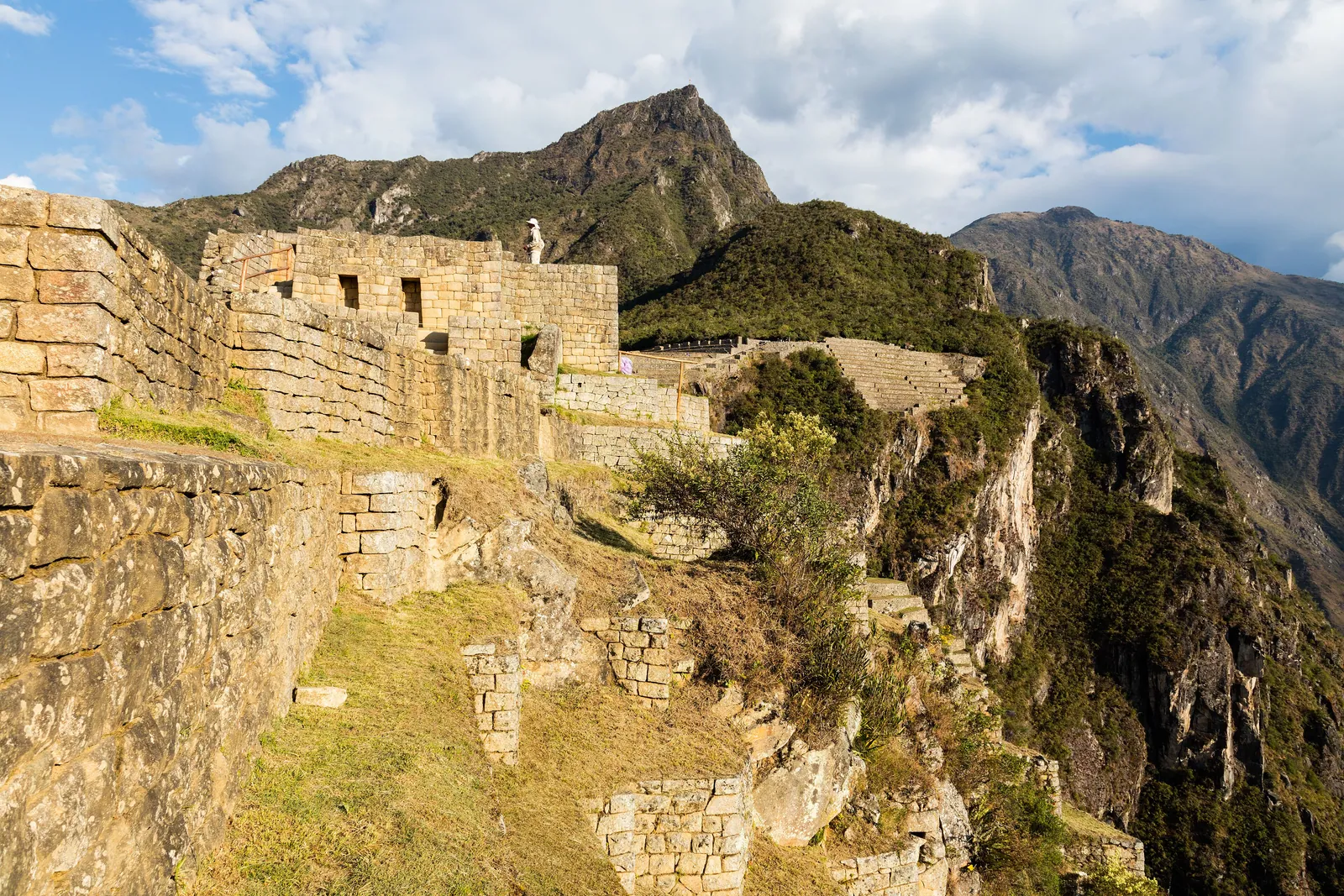
Stand at Machu Picchu's classic viewpoint and two mountains frame the scene. Huayna Picchu is the sheer green pinnacle directly behind the ruins — the one in every photograph. Machu Picchu Mountain is the broader, taller summit at your back, rising on the opposite side of the site.
Each can be climbed only with a combination ticket, capped and timed, that must be reserved when you book your entry. They demand different things: Huayna Picchu is short, steep and exposed; Machu Picchu Mountain is longer, higher and steadier. Choosing well depends entirely on your head for heights and your legs.
Huayna Picchu: the iconic spire
Huayna Picchu rises about 260 metres above the citadel to a summit near 2,690 metres. The climb is short in distance but intense: a relentless ascent on steep, narrow, often slick Inca stairways, with sections of cable and a famously tight passage near the top. Allow roughly an hour and a half to two hours for the round trip.
The reward is a thrilling bird's-eye view straight down onto Machu Picchu, the whole citadel laid out like a map. The Inca built terraces and a temple near the summit, and reaching them is part of the experience. The cost is exposure: vertical drops, no real margin for error, and a route that genuinely unsettles those who fear heights.
Machu Picchu Mountain: the higher, gentler giant
Machu Picchu Mountain is the larger climb, topping out around 3,060 metres — roughly 600 metres above the citadel. The trail is longer, taking about three hours round trip, but it is a wider, more graded path of stone steps without Huayna Picchu's vertigo-inducing exposure.
From the top the perspective is grander and more distant: Machu Picchu appears small below, set within a sweeping panorama of the surrounding peaks and the Urubamba's deep gorge. It is the better choice for steady walkers who want a real summit and a wide view, and who would rather work hard than feel exposed.
An honest comparison
Choose Huayna Picchu for drama, the famous straight-down view of the ruins, and a shorter but genuinely exposed climb. Choose Machu Picchu Mountain for a longer, more aerobic ascent, a higher vantage point and a far gentler relationship with the edge.
Both add real effort to your visit and both run to their own timed entry window, separate from your main circuit. Combining a summit with a thorough tour of the citadel makes for a long, demanding day — manageable, but not to be underestimated, especially at altitude.
Permits, fitness and conditions
Both peaks are capped at a limited number of climbers per day and split into timed groups; the tickets sell out fastest of all Machu Picchu categories, Huayna Picchu especially in dry season. They must be booked far ahead and cannot be added once you are in Peru.
Neither climb is technical, but both reward acclimatisation — these are 2,700 to 3,000-metre summits, and you will feel the thin air on the steps. In the wet season the stone can be slippery and cloud can erase the view entirely. Solid shoes, an early-enough start and a steady pace matter more than raw fitness.
And the case for climbing neither
It is worth saying plainly: many travellers should skip both. Machu Picchu's standard upper circuit already delivers the great classic view without any summit climb, and the citadel itself is the reason you came. A combination ticket is an addition, not a requirement.
On Andes to Antarctica the decision is made deliberately rather than by default. For confident climbers a peak can be a magnificent extra; for others, the better use of the morning is an unhurried walk through the temples and terraces. We help you choose honestly, and book the right ticket months ahead, because by the time you reach Peru the popular slots are long gone.
Quick answers
Which is harder, Huayna Picchu or Machu Picchu Mountain?
They are hard in different ways. Huayna Picchu is shorter but steeper and far more exposed, with vertical drops that unsettle anyone afraid of heights. Machu Picchu Mountain is longer and higher, around 3,060 metres, but follows a wider, safer stepped path. Choose Huayna Picchu for drama, Machu Picchu Mountain for a steadier ascent.
Do I need a special ticket to climb these peaks?
Yes. Each peak requires a combination ticket that pairs citadel entry with the mountain, capped at a limited number of climbers per day and assigned a timed slot. These combination tickets sell out earliest, so they must be reserved when you first book your Machu Picchu entry.
Is it worth climbing a peak at all?
Only if a summit genuinely appeals to you. The standard upper circuit already gives the famous elevated view of the citadel without any climb. A peak is a rewarding extra for confident, acclimatised walkers, but skipping both in favour of unhurried time among the ruins is an entirely good choice.
Let the reading become a route.
When an article sparks something, our planners are the next step. Tell us what you are dreaming of.