Keeping Your Documents Safe on a Long Journey
Passport, visas, insurance, tickets, cards: a long journey runs on paper and data. A simple system for storing, copying and backing it all up turns a lost wallet into a minor setback.
The single most useful habit in this article is also the simplest: before you leave home, make copies of every important document — on paper, on your phone, and in secure storage online — and keep them apart from the originals. A traveller who has done this can recover from a lost passport or stolen wallet in an afternoon. One who has not may lose days.
Document security on a long journey is not about suspicion or fear. It is about building enough redundancy that no single mishap — a pickpocket, a forgotten bag, a soaked daypack — can derail the trip. The system below takes an hour to set up before departure and then quietly protects you for every week of the journey.
The documents a long journey depends on
Start by knowing exactly what you are protecting. The core set is your passport and any visas; your travel insurance policy and its 24-hour emergency assistance number; your flight and journey itinerary and booking confirmations; your debit and credit cards; and any vaccination certificate a destination requires. To these add a second tier: a driving licence if you intend to use one, spare passport photographs, and emergency contact details.
Write the list down and treat it as the inventory you back up and check against. A long, multi-country journey such as The Long Way East accumulates more paperwork than a short trip — extra visas, more tickets, more confirmations — so a clear inventory is the foundation of keeping all of it accounted for.
Copies, in three forms
Make three kinds of copy of your key documents before you travel. A paper copy, carried in a different bag from the originals, works when phones and screens fail. A digital copy stored on your phone — clear photographs of your passport photo page, visas, insurance policy and tickets — is instantly to hand. And a secure online copy, in trusted encrypted cloud storage or your own email, can be reached from any device anywhere.
Leave a fourth set with a trusted person at home, who can send you details at short notice if every copy you carry is lost. The principle is simple redundancy: keep the copies physically and digitally separate from the originals and from each other, so that no single loss takes all versions at once. This is the groundwork that makes everything else recoverable.
Storing the originals on the road
Carry only the documents you need for the day, and store the rest securely. The originals you are not using — and any spare cash and cards — are best kept in your accommodation's safe, or split discreetly within your luggage, rather than carried everywhere. When you do carry a passport, a money belt or a zipped pocket worn under clothing is far safer than a back pocket or an outer bag, particularly in busy markets and crowds.
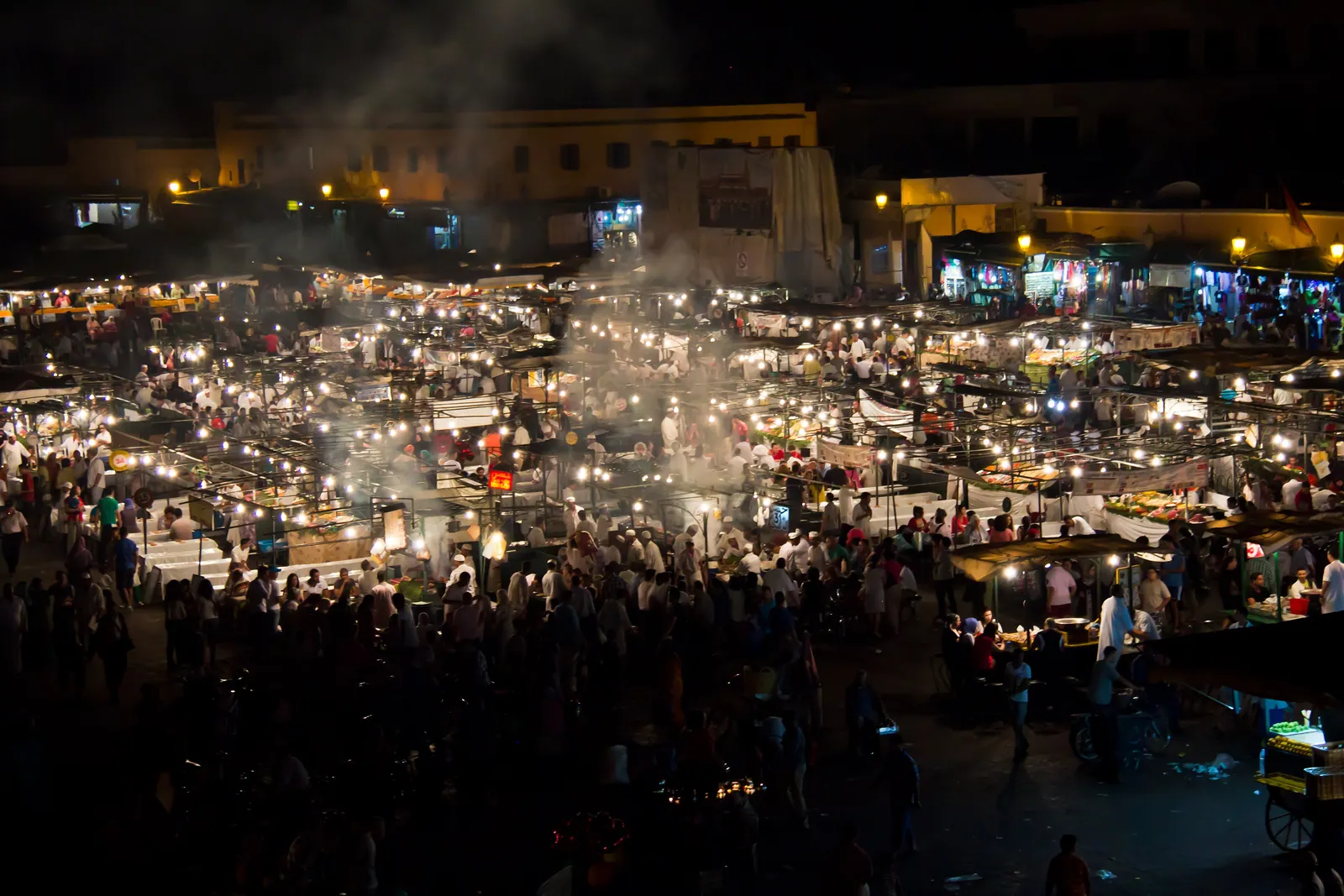
Divide your valuables so they are never all together: cards in two places, some cash separate from the rest, a passport apart from your wallet. The cities on our routes are, by and large, no more dangerous than any other busy place, but the lively souks of Marrakech and crowded transport hubs everywhere reward simple, sensible habits. Spread the risk, and a single theft can never take everything.
Protecting the digital side
Your documents are increasingly data, so protect the data too. Lock your phone with a strong passcode and enable the feature that lets you locate or erase it remotely if it is lost. Use a password manager, or another secure method, rather than relying on memory or a note in your bag, so a stolen phone does not also surrender your accounts.
Be cautious on public wifi: an open café or airport network is fine for reading a map and poor for opening a bank account, so save anything sensitive for a trusted connection. Make sure you can still receive verification codes — many services demand one to log in — and keep recovery options up to date. A digital backup is only as useful as your ability to reach it securely from the road.
If a document is lost or stolen
Knowing the steps in advance turns a loss into a process. For a stolen passport, report it promptly to the local police — many embassies require a police report — and contact your country's nearest embassy or consulate to arrange an emergency travel document; your copies and spare photographs will speed this considerably. For lost or stolen cards, call the issuer's international number at once to cancel them, which is why you noted those numbers separately.
Tell your tour manager or guide immediately as well. Our guides know the location of embassies and police along each route, can help with translation and local procedure, and our office can support you and liaise with your insurer. A lost document is stressful, but with copies in hand and the right people informed, it is a solvable problem — rarely more than a delay, and almost never the end of a journey.
Quick answers
What is the best way to back up my travel documents?
Make three copies of your key documents before you leave: a paper copy carried separately from the originals, clear photographs stored on your phone, and a secure copy in encrypted cloud storage or your own email. Leave a further set with a trusted person at home. Keeping the copies separate from the originals and from each other means no single loss can take every version at once.
Where should I keep my passport during the journey?
Carry only what you need for the day, and store the rest — including your passport when you are not required to have it — in your accommodation's safe or split discreetly in your luggage. When you must carry a passport, use a money belt or a zipped pocket worn under your clothing rather than an outer bag or back pocket. Dividing cards and cash across more than one place adds further protection.
What should I do if my passport is lost or stolen abroad?
Report it to the local police promptly, as many embassies require a police report, then contact your country's nearest embassy or consulate to arrange an emergency travel document — your copies and spare photographs will speed this up. Cancel any lost cards immediately by calling the issuer. Tell your tour manager or guide too: they know the local embassies and procedures and our office can help and liaise with your insurer.

Let the reading become a route.
When an article sparks something, our planners are the next step. Tell us what you are dreaming of.