Kruger and the Private Reserves: South Africa's Wildlife Heartland
The greater Kruger ecosystem is one of the largest protected wildlife areas in Africa — and the private reserves that share its unfenced western border offer a style of safari, and a quality of guiding, that has set the standard for the continent.
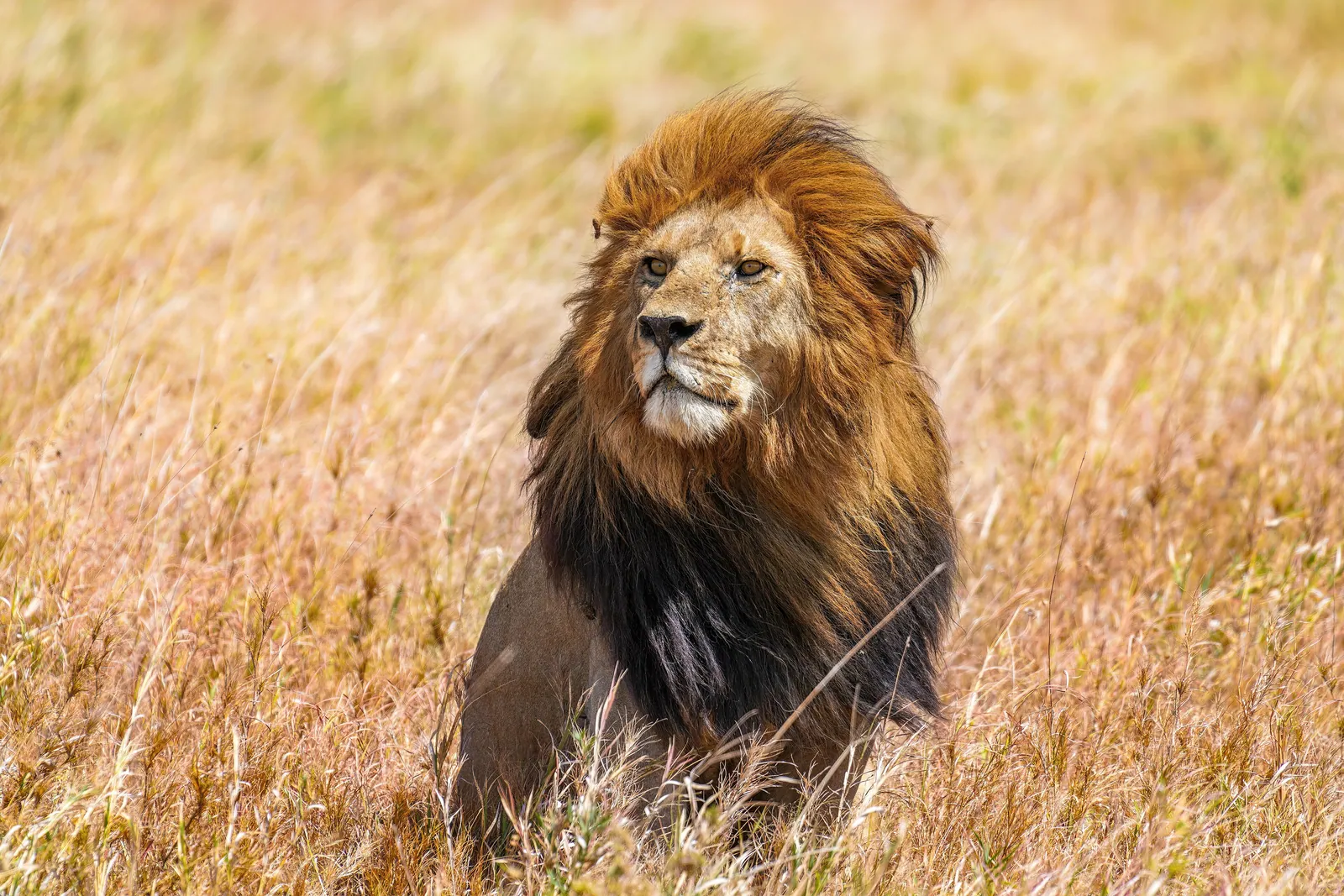
The Kruger National Park is the size of Wales, and its western boundary has no fence. Along that boundary, sharing habitat and wildlife freely with the national park, lie the private game reserves — the Sabi Sand, Timbavati, Klaserie, Thornybush, and others — where game-viewing lodges of exceptional quality have developed a model of safari that the rest of Africa has spent decades trying to replicate. The combination of the two — public park and private reserve — produces the greatest diversity of accessible wildlife habitat in southern Africa, and the quality of encounters it offers, particularly with the African leopard, is arguably unmatched anywhere else on earth.
South Africa's wildlife story is one of remarkable recovery. By the early twentieth century, the game that had covered the lowveld in numbers comparable to the Serengeti had been reduced to remnant populations by hunting, farming, and the rinderpest epidemic. The proclamation of the Sabi Game Reserve in 1898 by Paul Kruger's government — the precursor to what became Kruger National Park in 1926 — began the long reversal. Today, the greater Kruger ecosystem holds over 147 mammal species, more than 500 bird species, and all five of the so-called Big Five: lion, leopard, elephant, buffalo, and rhinoceros, including both white and black rhino. It is also one of the few places in Africa where you are genuinely as likely to see all five on a single day as not.
The public park: self-drive Kruger
Kruger National Park is one of the finest self-drive safari destinations in the world. Its network of tarred and gravel roads, its well-maintained rest camps with accommodation, restaurants and fuel, and its density of wildlife make it accessible to any traveller with a standard car (though a higher vehicle with better visibility is preferable) and the patience to drive slowly and stop often. The southern sections — Skukuza, Satara, Lower Sabie — are the most visited and generally offer the highest game densities, particularly around the Sabie River and the open plains of the Satara region, which host the park's largest lion prides.
The ethos of self-drive Kruger is fundamentally different from a guided safari: you are the tracker, navigator, and interpreter, and what you find is a product of where you go and how well you read the bush. Experienced self-drivers know to spend the first and last hours of daylight on the road, to stop at any elevated lookout point for long enough to let the landscape reveal itself, and to watch the behaviour of other animals for clues about predator presence. The park opens and closes to vehicles at sunrise and sunset, and the rest camp gates follow the same schedule — late return incurs a fine, a rule that, pleasantly, enforces the discipline of being back in time to watch the light change over a sundowner.
The private reserves: what changes when the fence comes down
The private reserves bordering Kruger's western boundary share the same wildlife, but operate under fundamentally different rules — and those rules create a fundamentally different experience. In the private reserves, vehicles leave the road. Off-road tracking is the core of what guides do here, and it transforms the game-viewing experience in ways that are hard to overstate. A leopard in a tree is spectacular on a tar road at 100 metres; at 15 metres, off-road, with an expert tracker reading every footprint that led to it, the encounter achieves a different dimension entirely.
The guides who work the major private reserves are among the most skilled in Africa. The Field Guides Association of Southern Africa (FGASA) qualification system, pioneered largely in these reserves, has become the benchmark for professional wildlife guiding on the continent. An FGASA Professional Field Guide is a qualified tracker, naturalist, first-aid responder, dangerous game handler, and bush ecologist — the knowledge base required is comprehensive and the training is serious. The ratio of guides to guests in the private lodges (typically one vehicle per lodge, maximum six guests per vehicle) allows a quality of attention and explanation that group safaris in public parks cannot replicate.
Leopards, lions, and the Big Five in detail
The Sabi Sand is the most famous of the private reserves and has built its reputation primarily on leopard sightings. The leopards here are not habituated in the sense of being tame — they are fully wild, apex predators — but they have been seen regularly by vehicles since the reserve began operations, and generations of animals have learned that the vehicles present no threat. The result is that leopard encounters in the Sabi Sand are close, prolonged, and behavioural in a way that is extraordinarily rare elsewhere in Africa: a female with cubs, a male dragging prey into a marula tree, a youngster learning to hunt in the golden grass.
Lions are present throughout both the park and the private reserves, with the largest populations in the open plains areas where prey is most abundant. Elephants move freely across the unfenced boundary, and encounters can be intimate and complex — especially with bull elephants in musth, a condition of heightened testosterone and aggression that guides read carefully. Black rhinoceros are far rarer and require effort to find; white rhino, by contrast, are frequently seen in open areas grazing in the early morning. Buffalo herds number in the hundreds, moving in dusty columns across the park's clay plains — at dusk, with lions following the herd's margin, they create scenes of raw ecological drama.
Choosing between lodge types and safari styles
The private reserves offer a spectrum of accommodation from exclusive-use family camps to large formal lodges with spa facilities, and the choice affects the safari character significantly. Smaller camps — four to six suites — allow more flexibility in game drives, faster vehicle response to sightings, and a more intimate atmosphere. Larger lodges offer more amenities and sometimes a wider social experience, though vehicle numbers can make the most popular sightings crowded. All-inclusive pricing (accommodation, meals, game drives, park fees, and laundry) is standard in the private sector, which simplifies budgeting but masks the substantial difference in daily rates between lodges — rates range from moderate to among the most expensive in Africa.
Beyond the standard twice-daily game drive, the better lodges offer walking safaris — moving through the bush on foot with an armed ranger, at an entirely different pace and sensory register from a vehicle. Walking allows for tracking, for the observation of insects and plants and small details that a vehicle passes without pause, and for the particular quality of alertness that comes from moving through lion territory without metal around you. Bush walks are offered as a morning activity and require reasonable fitness for three to four hours of slow movement through varied terrain.
Beyond the Big Five: birds, reptiles, and the detail of the bush
Kruger is a serious birding destination, with over 500 species recorded — a figure that encompasses everything from the martial eagle and bateleur (both enormous raptors, often seen soaring over the plains) to the lilac-breasted roller, the saddle-billed stork, and the ground hornbill, which walks in small family groups through the long grass with the gravity and intelligence of a bird that might be thinking something important. The birding is best in the summer months from October to February, when migrant species are present and the bush is lush and active.
The herpetofauna — snakes, lizards, tortoises, chameleons — is spectacular and largely invisible to the untrained eye. A good guide's ability to spot a Nile monitor lizard frozen against a tree trunk, or to identify a mozambique spitting cobra in the track ahead, adds a layer of encounter to every drive. The smaller mammals — dwarf mongoose colonies, honey badgers, African civets glimpsed in the headlights on a night drive — are themselves a reminder that the bush is simultaneously familiar and entirely strange, even to experienced travellers.
When to go and how to combine the reserves with wider South Africa
The dry season from June to October is widely considered the best time to visit Kruger and the private reserves. Vegetation thins, animals concentrate around remaining water sources, and sightings are more predictable. The winter nights can be cold (occasionally chilly in the Lowveld of Kruger's south), but days are clear and bright. The summer months from November to March bring rain, green grass, and breeding activity — extraordinary for birding and for seeing young animals — but the dense vegetation makes game harder to spot and roads in the southern park can be affected by flooding.
South Africa's geographic compactness makes it one of the most logistically efficient safari destinations in Africa. Kruger's Skukuza Airport receives direct flights from Johannesburg (under an hour), meaning the bush can be reached within a few hours of arrival in the country. A ten-to-fourteen-day itinerary might logically combine three or four nights in a private reserve, a night in the public park, and then move to Cape Town for the Winelands and the Cape Peninsula — giving a journey that holds both wilderness and one of the world's great coastal cities, without excessive transit.
Quick answers
What is the difference between Kruger National Park and the private reserves?
Kruger National Park is a public park where visitors self-drive on a road network; off-road driving is not permitted. The private reserves on its western border (Sabi Sand, Timbavati, and others) share the same unfenced wildlife area but are run by private lodge operators. In the private reserves, professional guides take small groups off-road for tracking and close-up encounters, particularly with leopards. The private reserves are generally more expensive but offer a more immersive, expert-guided experience.
Is the Sabi Sand the best private reserve?
The Sabi Sand is the most famous and has the strongest reputation for leopard sightings, but other reserves offer excellent experiences. The Timbavati is known for its lion prides and was the source of the first documented white lions in the wild. The Thornybush and Klaserie reserves are less visited and can offer a quieter experience. The quality of guiding and accommodation matters as much as the specific reserve. Our guides can help match the right lodge to the style and priorities of each journey.
Can I see all of the Big Five in Kruger?
Yes, all five — lion, leopard, elephant, buffalo, and both white and black rhinoceros — are present throughout the park and private reserves. Lion, elephant, buffalo, and white rhino are regularly seen by most visitors who spend three or more days in the ecosystem. Leopard is the most elusive in the public park but is reliably seen in the private reserves. Black rhino is genuinely rare and a sighting requires luck and good guidance, but the population is slowly recovering across the ecosystem.
Is self-drive Kruger suitable for first-time safari travellers?
Yes. Kruger is one of the most accessible and forgiving self-drive safari environments in the world. The roads are well-maintained, the rest camps are comfortable, the wildlife is abundant, and the experience of finding your own sightings is deeply satisfying. A first-time visitor should plan for at least three or four nights to allow time to adjust to the pace and develop the skills to read the bush. Combining a few nights of self-drive with one or two nights in a private lodge gives the best of both models.
Let the reading become a route.
When an article sparks something, our planners are the next step. Tell us what you are dreaming of.