Managing Expectations on a Wild Journey
The gap between the journey you imagine and the journey you get is where disappointment lives — or where wonder does. How to set expectations that make a wild trip better, not smaller.
Every traveller arrives carrying a picture: the clear-sky summit, the breaching whale, the perfect light on an ancient stone. That picture is not the problem. The problem is holding it so tightly that the real journey, which will be different, registers as a letdown.
Managing expectations is not about expecting less. It is about expecting accurately — understanding what a wild journey can and cannot promise, so that the unplanned and the imperfect land as part of the adventure rather than as a failure of it. Done well, it does not shrink the trip. It opens it up.
Where the picture in your head comes from
The image most travellers carry is assembled from photographs, and photographs lie by omission. They are the single best frame from a long shoot, taken in the rare perfect moment, often after days of waiting. They do not show the grey mornings, the missed sightings, or the patience that preceded the shutter.
Knowing this is not cynicism; it is calibration. The breaching whale and the cloudless peak are real and do happen. But they are the highlights of a wild experience, not its baseline. Expecting the highlight reel as the standard day is the surest way to feel let down by a journey that is, in fact, going well.
What a wild journey can and cannot promise
A well-run journey can promise a great deal: expert guides, careful logistics, real access to extraordinary places, and the time and flexibility to give them their best chance. These are the things within human control, and a good operator delivers them reliably.
What no journey can promise is the behaviour of the natural world. Weather, wildlife, ice and sea state are not on the payroll. On The Great Rift the migration may be a day's drive from where the calendar predicted; in Antarctica a planned landing may bow to the wind. An honest journey is precise about this line — confident about what it controls, candid about what it does not.
The trap of the single must-see moment
The most fragile way to travel is to pin the whole trip to one image — this one animal, this one view, this one perfect day. Stake everything on a single moment and you hand the natural world a veto over your happiness, and you stop noticing everything else while you wait for the one thing.
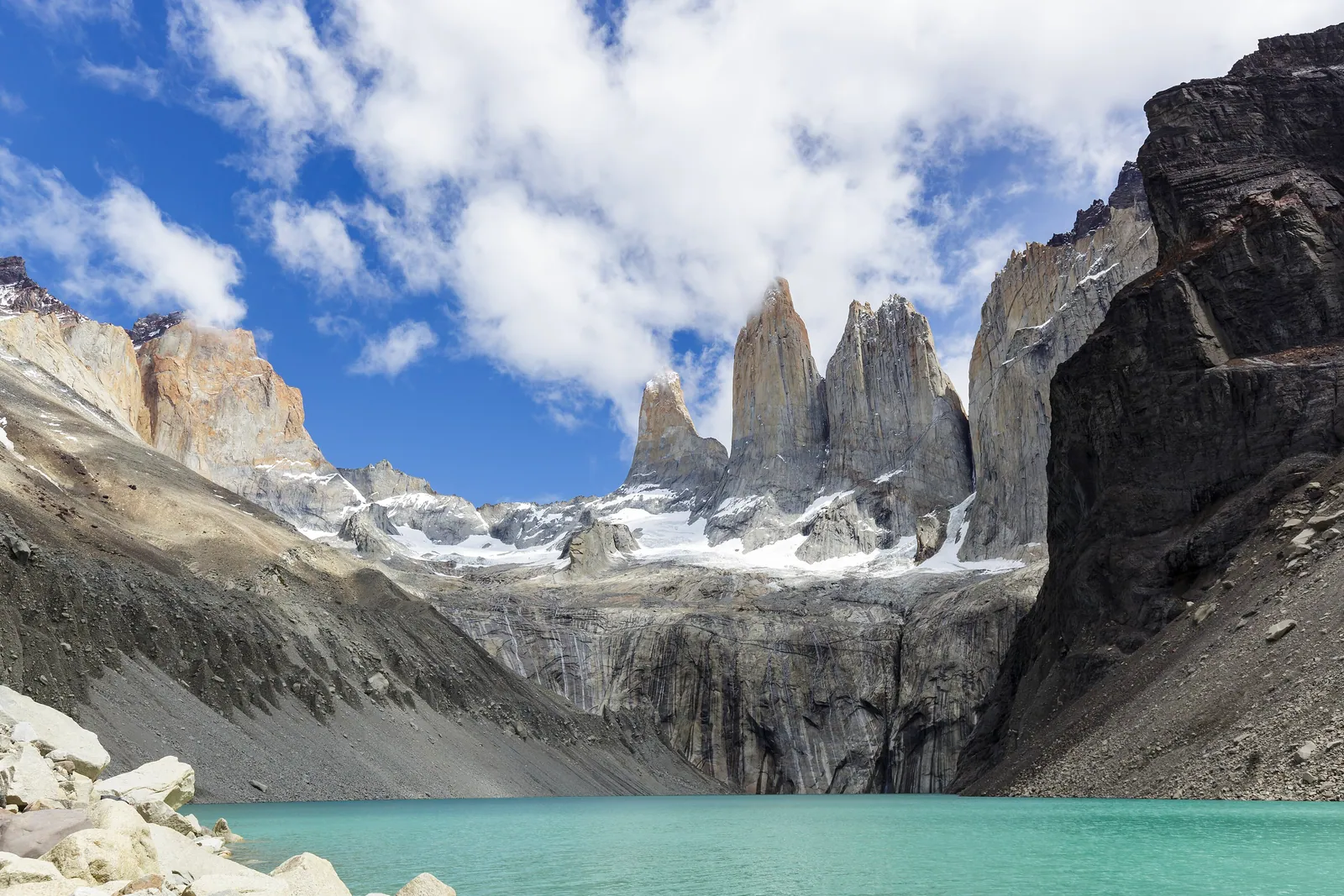
The steadier approach is to travel for the whole, not the fragment. A journey to Patagonia is the wind, the light, the guanacos, the long walks and the changing sky — the Torres at dawn would be a gift, not a quota. Travellers who hold the highlight loosely tend, paradoxically, to be the ones present enough to notice when it actually arrives.
Letting the unplanned become the highlight
Ask seasoned travellers for the best moment of a long journey and they rarely name the headline sight. They name the thing that was not on the itinerary — the condor that appeared on an ordinary afternoon, the village welcome, the storm watched from a warm window, the conversation over a long dinner.
These moments cannot be planned, only allowed. They arrive when a traveller is not so fixed on the expected highlight that they miss the unexpected one. Managing expectations, at its best, simply means leaving enough room in the picture for the journey to surprise you — and a wild journey almost always will.
Setting expectations before you go
Expectation management starts at home. Read your operator's material closely and notice the careful, conditional language — phrases like weather permitting and subject to conditions are not evasions but honesty. Ask direct questions before departure: what does this day look like in poor weather, and how often does the marquee sighting actually happen?
Then arrive with the right internal posture: high expectations of the people and the planning, open expectations of the natural world. Travellers who set that balance before they leave are far harder to disappoint and far easier to delight — which is, in the end, the whole point of getting it right.
Quick answers
How do I avoid being disappointed by a wild journey?
Expect accurately rather than expecting less. Hold high expectations of the things within human control — guiding, logistics, access, flexibility — and open expectations of the things that are not, such as weather and wildlife. Avoid pinning the whole trip to a single must-see moment, and leave room for the unplanned to become the highlight.
Is it wrong to have a must-see sight in mind?
Not at all — a hoped-for sight gives a journey focus. The risk is holding it so tightly that everything else becomes mere waiting and the natural world is handed a veto over your happiness. Treat the must-see as a gift you hope for, not a quota the trip owes you, and the journey stays whole whatever happens.
Why do operators use phrases like “weather permitting”?
Because they are being honest. Conditional language marks the genuine line between what a journey can promise — expert guides, careful logistics, real access — and what no one can promise, such as weather, wildlife and sea state. Far from an evasion, that candour is a sign the operator is setting your expectations accurately.
Let the reading become a route.
When an article sparks something, our planners are the next step. Tell us what you are dreaming of.