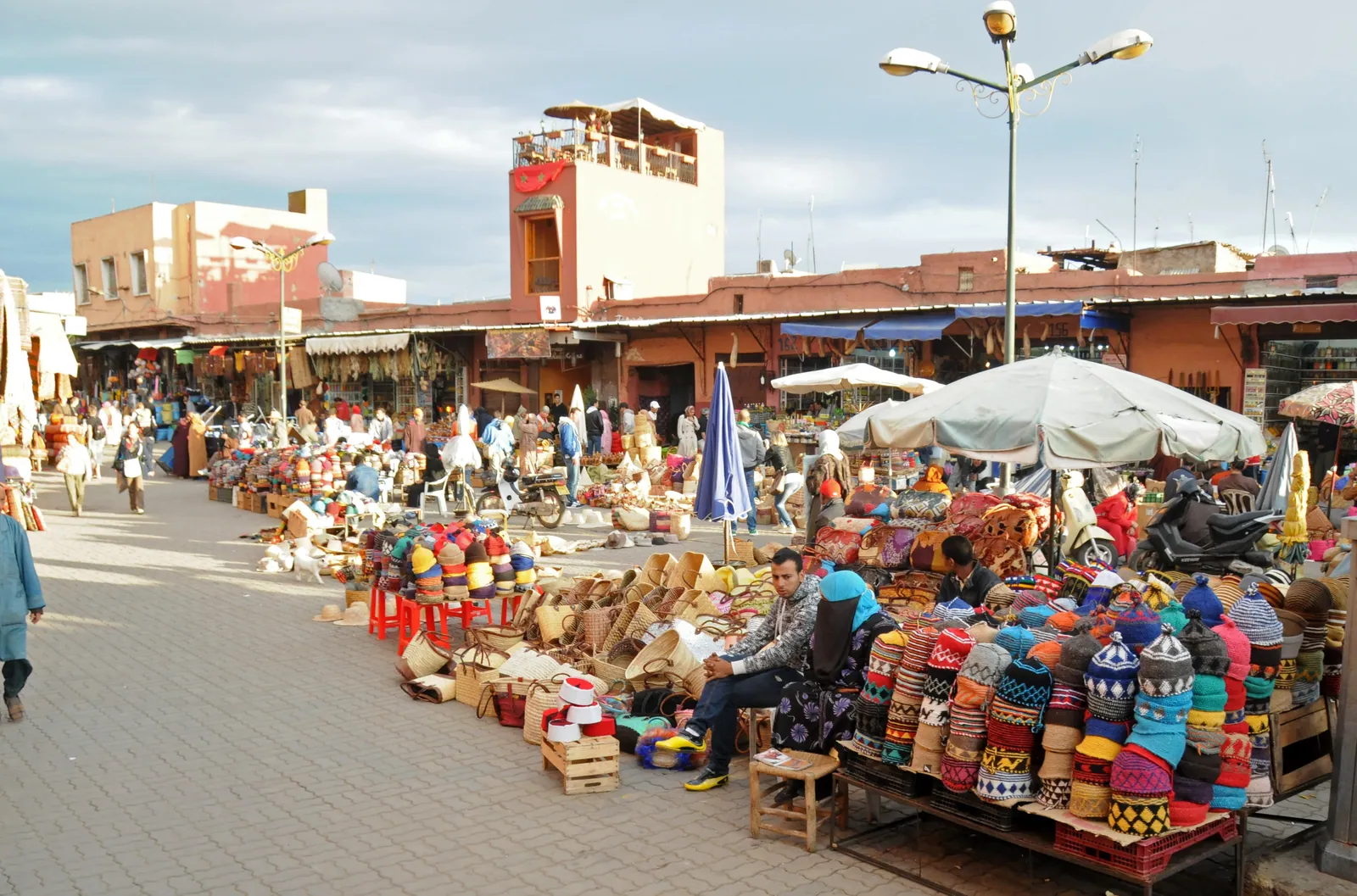
The Market as a Way to Understand a Place
Walk into a food market anywhere on a grand journey and you are reading the place directly — its land, seasons, history and appetites laid out on tables. Here is how to use a market as a traveller's compass.
If you have only one free morning in an unfamiliar city, spend it in the food market. A market is the most honest portrait a place offers: it shows what the surrounding land grows, what the nearby water yields, what the season is doing right now, and what the people genuinely eat — not what a menu thinks a visitor wants. On every Viajes Globales journey, the market is among the most reliable ways to understand where you are.
Markets reward a particular kind of attention. You do not need to buy much, or anything; you need to look closely and ask a few questions. Done well, an hour in a market teaches a traveller more about a region's geography, history and daily life than an afternoon of monuments.
A market is a map of the land
Everything on a market table came from somewhere nearby, and the spread is a kind of geography lesson. Cusco's San Pedro market shows the Andes directly — dozens of native potato varieties in improbable colours, mountains of maize and quinoa, bundles of altitude-loving herbs. A coastal market in Lima is dominated instead by the cold Pacific: corvina, octopus, scallops, the morning's catch on ice.
Read the proportions, too. A market heavy with dried goods, preserved fruit and nuts speaks of a harsh climate and a need to store against winter or drought — much of the Silk Road bazaar is exactly this. A market overflowing with soft, perishable produce speaks of a kinder climate and short supply lines. Before you have read a word about a region's agriculture, the market has shown it to you.
A market keeps the calendar
Markets tell the season with absolute precision. What is piled high, cheap and prominent is what is at its peak this week; what is scarce and expensive is out of season or imported. A traveller who notes the abundant produce is being handed a free, accurate guide to what to eat now — and a reason to eat it before moving on.
This is also how to eat a journey at its best. The same market visited in spring and autumn looks like two different places, and on a long journey across changing latitudes the markets keep re-drawing the menu under you. Following the market's calendar means you are always eating a region at its most generous moment, which is rarely true of a fixed restaurant menu.
A market holds the history
Markets carry the past plainly. The spice stalls of a Moroccan souk — cumin, saffron, ras el hanout, preserved lemons — are a direct inheritance of centuries of Saharan and Mediterranean trade. The bazaars of Samarkand and Bukhara, heaped with dried fruit, nuts and rice, sit on the literal ground of the Silk Road and still trade in many of the goods that route once carried.
Layers of migration show up here too. A Lima market with a chifa stall and Chinese vegetables alongside Andean tubers tells the story of nineteenth-century immigration without a plaque. Markets rarely curate their own history, which is exactly why it is so legible: the past is simply still for sale.
How to read a market well
Arrive early. Markets are freshest and most alive in the first hours, when restaurant cooks and home shoppers do their buying and the produce is at its best. Walk the whole market once before doing anything — note what dominates, what is seasonal, where the locals cluster — and only then return to what drew you.
Find the cooked-food section, almost always present, and eat there: a market lunch counter, busy with local workers, serves a region's everyday food honestly and cheaply, and high turnover means it is fresh. Ask vendors what something is and how they cook it; most are glad to tell you, and it is the quickest route into local knowledge. Watch what local shoppers choose and how they choose it. Carry small change, and a few words of the language for please, thank you and how much.
Markets on the journeys
Across the Viajes Globales journeys the same lesson repeats. San Pedro market in Cusco explains the Andean table; Surquillo in Lima explains the coast. Marrakech's souks unpack Moroccan cooking and the trade that shaped it. The Siab Bazaar in Samarkand and the food lanes of Central Asia lay out the Silk Road pantry. Kyoto's Nishiki Market, a long covered arcade of pickles, tofu, tea and seasonal produce, shows the ingredient side of Japanese cuisine with great clarity.
A good market visit also sharpens every meal that follows. Once you have seen the raw potatoes, the live fish, the spice cones and the seasonal fruit, a restaurant dish becomes legible — you know where it came from and why it tastes of this place. The market is not a detour from understanding a destination. For a traveller paying attention, it is one of the most direct routes in.
Quick answers
What is the best time of day to visit a food market?
Early morning. Markets are at their freshest and most active in the first hours of the day, when restaurant cooks and local households do their shopping and produce is at its peak. Arriving early also means cooler temperatures, livelier stalls and a better sense of how the market really functions, before the quieter afternoon.
Is it safe to eat at a market food stall?
Often it is among the better places to eat. A market food counter that is busy with local workers has high turnover, which means fresh food, and you can usually see it being cooked. Favour stalls that are popular and serving food freshly and thoroughly cooked, be sensible about water and uncooked items, and a market lunch is both safe and one of the best of the day.
Do I need to buy something at a market?
No. Markets are public, working places and you are welcome to walk and observe without buying. That said, a small purchase — some fruit, a snack, a portion from a cooked-food stall — is an easy courtesy, a good way into conversation with a vendor, and usually delicious. Always ask the price first, and carry small change.
Let the reading become a route.
When an article sparks something, our planners are the next step. Tell us what you are dreaming of.