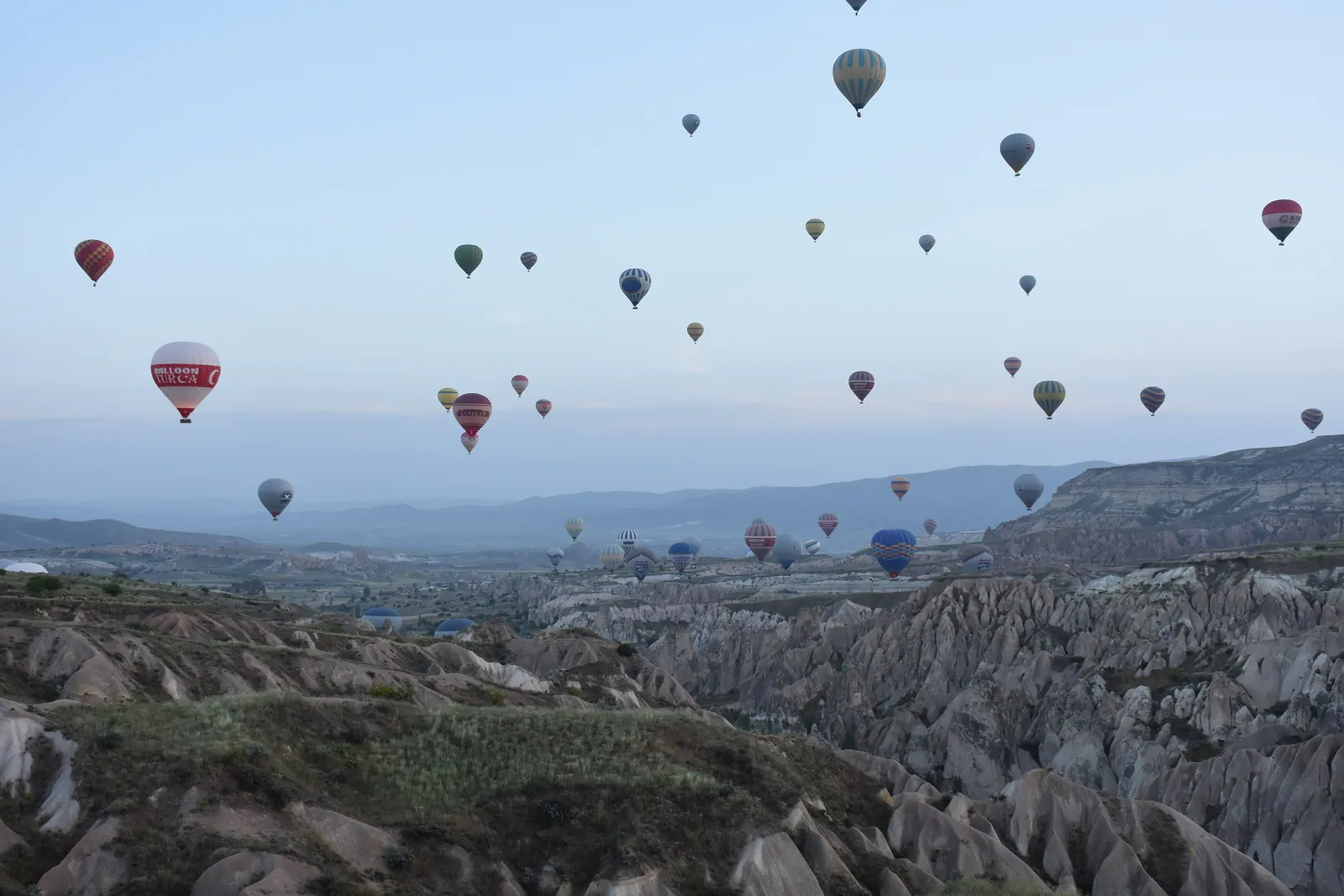
Monsoons, Trade Winds and the Rhythms of Asia
Half the world's weather runs on great seasonal winds — the monsoons that once drove the sailing trade and still govern when to travel. A guide to the wind systems that shape an Asian journey.
Across much of Asia, the season is not a temperature but a wind. The monsoon — from an Arabic word for season — is an enormous reversal of wind direction that swings one way for half the year and the other way for the rest, dragging the rains with it. For thousands of years it set the rhythm of trade and travel, and it still decides, today, when a journey through these regions is comfortable and when it is not.
If you are timing a journey across Asia, the monsoon calendar matters more than the thermometer. The summer monsoon brings the heavy rains; the winter monsoon brings the dry, settled months that are usually best for travel. Understanding which wind is blowing — and when it turns — is the key to choosing your window.
What a monsoon actually is
A monsoon is a seasonal reversal of the prevailing wind, driven by the different ways land and sea respond to the sun. In summer the great Asian landmass heats far faster than the surrounding oceans; the hot air over the continent rises, and moist air sweeps in off the sea to replace it, bringing the rains. In winter the land cools faster than the sea, the flow reverses, and dry air streams outward from the continent.
The result is not a storm but a season — months of a steady wet pattern, then months of a steady dry one. The classic example is the South Asian monsoon, but monsoon-type climates shape a broad sweep of the continent, and each region's wet and dry months are set by when its own wind turns.
The trade winds and the age of sail
Beyond the monsoon belt run the trade winds — bands of remarkably steady winds that blow toward the equator and curve westward, a near-permanent feature of the tropical oceans. Together, the trades and the monsoons made long-distance sea travel possible long before engines.
Mariners learned to ride the monsoon: sail one way on the summer wind, wait out the season, and return on the winter reversal. The maritime Silk Road and the Indian Ocean spice routes ran on this rhythm, and ports rose and emptied in time with the wind. To plan a journey by the monsoon today is to plan it the way merchants have for two thousand years.
Reading the monsoon calendar as a traveller
For the traveller, the practical division is simple. The summer or wet monsoon brings the heavy rains — often spectacular, sometimes disruptive, with humid air and the risk of flooded roads. The winter or dry monsoon brings the settled, clearer, more comfortable months that are generally the best window for travel.
The catch is that the calendar shifts from region to region. The wind arrives, peaks and withdraws on different dates depending on latitude and geography, so the dry season for one part of an Asian route will not line up with the dry season for another. A long journey crossing several monsoon zones has to be sequenced to follow each in turn, rather than assuming one season fits the whole continent.
Central Asia: beyond the monsoon's reach
Not all of Asia answers to the monsoon. The deep interior — the deserts and steppes of Central Asia that The Silk Road Reborn crosses — lies far from any ocean and beyond the monsoon's moisture. Its climate is continental rather than monsoonal: hot, dry summers, cold and often severe winters, and relatively little rain in any season.
There the timing logic is different again. The best months are the shoulder seasons, spring and autumn — April to June and September to October — which sidestep both the punishing summer heat of the oasis cities and the hard cold of winter. A journey running from monsoon Asia into continental Asia therefore crosses a genuine climatic boundary, and the season that suits one stretch will not be the season that suits the other.
Timing an Asian journey across the wind systems
An Asian crossing such as The Long Way East threads through more than one wind system, and its departure windows reflect that. Spring and autumn are favoured because they catch the dry, settled months across much of the route while avoiding both the heart of the summer monsoon and the continental winter — and, conveniently, they carry the cherry blossom and the autumn colour of the journey's eastern end.
The principle is the one that underlies all our seasonal planning: a route is sequenced so each leg falls in its best local season. When you read the month-by-month notes for an Asian journey, you are reading a path traced through monsoons, trade winds and continental extremes — and our team is glad to explain why a given departure sits where it does in that larger pattern.
Quick answers
What is the difference between the wet and dry monsoon?
They are the two halves of the same seasonal wind reversal. The summer, or wet, monsoon draws moist air off the ocean onto the heated continent and brings the heavy rains. The winter, or dry, monsoon reverses the flow, sending dry air outward from the cooled landmass and bringing the settled, clearer months. For most travellers the dry monsoon is the better window.
Does the whole of Asia have the same monsoon season?
No. The monsoon arrives, peaks and withdraws on different dates depending on a region's latitude and geography, so wet and dry months vary considerably across the continent. And the deep interior — Central Asia's deserts and steppes — lies beyond the monsoon altogether, with a dry continental climate of hot summers and cold winters. A long Asian journey crosses several of these patterns and is sequenced to suit each.
When is the best time for a journey across Asia?
Spring and autumn are generally best for a long Asian crossing. They catch the dry, settled months across much of the route, avoid both the summer monsoon rains and the severe continental winter of the interior, and — at the eastern end — coincide with cherry blossom in spring and autumn colour in the maples. This is why The Long Way East is timed to these shoulder seasons.
Let the reading become a route.
When an article sparks something, our planners are the next step. Tell us what you are dreaming of.