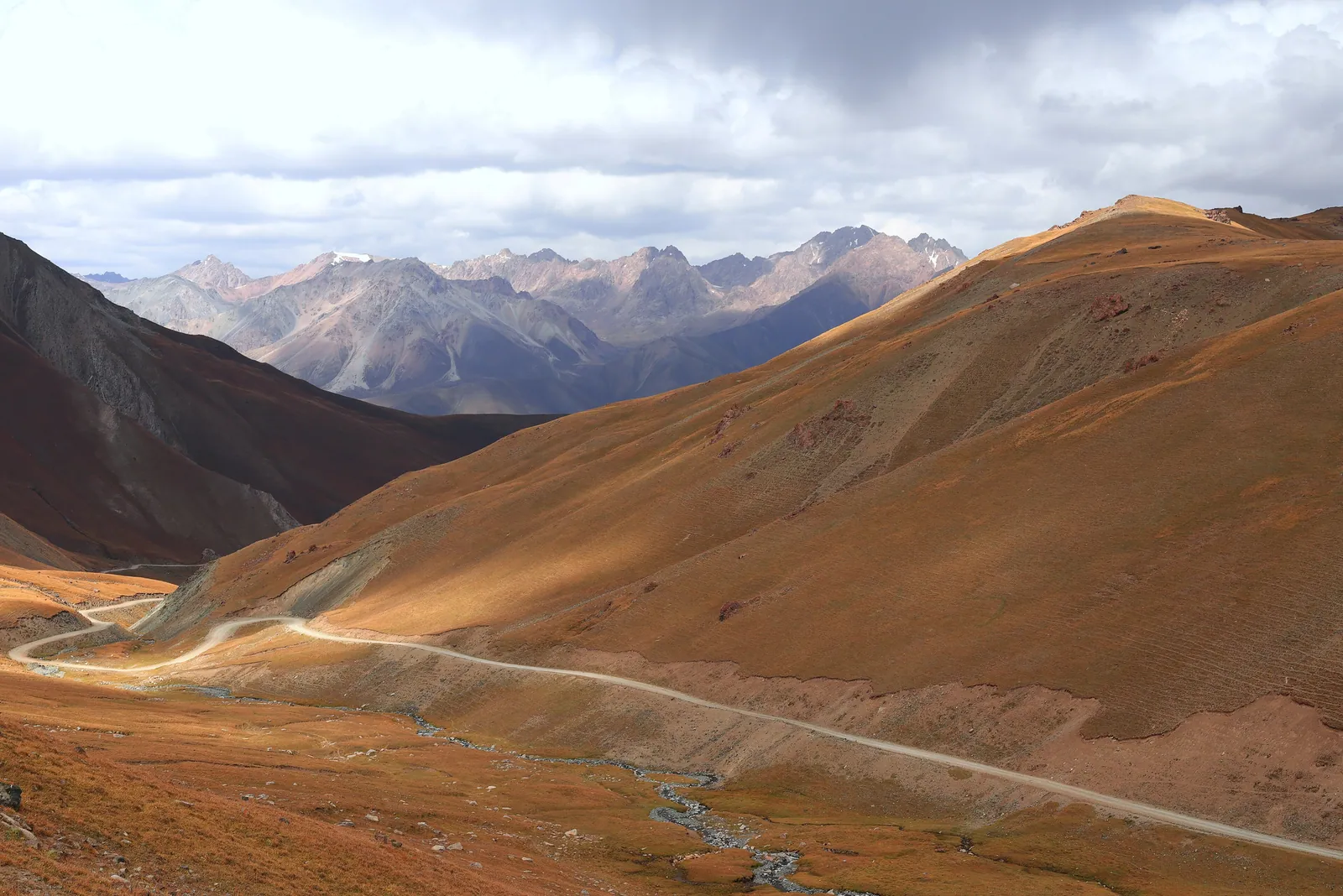
Mountain Peoples and the Tradition of High Hospitality
In the high mountains of Asia, a guest is something close to sacred. A guide to the peoples of the Himalaya and the Tian Shan — and to receiving their hospitality with the grace it deserves.
Travel high enough into the mountains of Asia and you notice something before any view: the welcome. Across the Himalaya and the Tian Shan, in cultures otherwise very different, hospitality toward the traveller is treated as a serious duty — a near-sacred obligation rooted in the simple fact that, in hard country, the stranger at the door may genuinely depend on it.
For a Viajes Globales traveller, these encounters are often the most lasting part of a mountain journey. They are also a responsibility. Understanding the peoples of the high country, and the customs of their hospitality, lets you receive it well — as a good guest rather than a passing tourist.
Why hospitality runs so deep in the mountains
Hospitality customs are strongest where life is hardest, and the high mountains are demanding country. For centuries, travellers crossing the Himalayan and Central Asian ranges — pilgrims, herders, Silk Road traders — moved through a landscape with no inns and little shelter, where weather could turn lethal. A household's willingness to take in a stranger was, quite literally, part of the infrastructure of survival.
Out of that necessity grew a deep cultural value. To offer food, warmth and a place to sleep became a matter of honour, and to be a good guest in return became a matter of respect. The tradition long outlived the danger that created it, and a traveller today is, in a real sense, a beneficiary of it.
The Sherpa and the peoples of the Himalaya
The Himalaya is home to many peoples — among them the Sherpa of the Everest region, of Tibetan origin, who settled the Khumbu some five centuries ago. Renowned worldwide for their mountaineering skill and altitude-bred endurance, the Sherpa are also Buddhist communities with a strong tradition of generosity toward travellers, expressed in the warmth of their lodges and homes.
Across the range live Tibetans, Tamang, Gurung, Magar, Ladakhi and others, each with their own language and customs, most sharing a Buddhist or mixed religious heritage. A respectful traveller does not flatten this variety into a single 'mountain people'. Learning even which community's valley you are walking through, and a word or two of greeting, is a courtesy that is always noticed.
The Kyrgyz and the herders of the Tian Shan
North in the Tian Shan, the dominant mountain culture is Kyrgyz — historically a nomadic, herding people whose summers are still spent on the high jailoo pastures, living in felt yurts among their flocks. Kyrgyz hospitality, like that of many Central Asian peoples, is famously open: a guest is welcomed, fed and given the best place by the stove almost as a reflex.
On The Silk Road Reborn, the Tian Shan stage is spent as guests in herders' yurts at Song-Köl, and the encounter is the substance of the visit. You will be offered bread, dairy and very probably kymyz, the fermented mare's milk of the Kyrgyz summer. The drink is an emblem of welcome; accepting at least a taste, with thanks, is the gracious response.
The courtesies of being a guest
Receiving hospitality well is mostly common sense offered with attention. Accept what is offered — food and especially tea — even if only a little; outright refusal can read as a rejection of the welcome itself. Use your right hand to give and receive. Remove your shoes when entering a home if your hosts have. Follow your hosts' lead on where to sit, and let them seat you, as the guest's place is often a place of honour.
A few words of the local language — a greeting, a thank-you — are worth far more than their effort. Modest dress is appreciated everywhere, particularly near anything religious. And photographs of people are a request, never a right: ask first, accept a 'no' easily, and remember you are in someone's home, not a gallery.
Hospitality as exchange, not transaction
It matters to understand mountain hospitality as a relationship rather than a service. A herding family hosting you is not running a hotel; they are extending a tradition. The right response is engagement — curiosity about their life, a hand offered with a task, time spent in the room rather than retreating to a screen — far more than money pressed awkwardly into a hand.
Viajes Globales arranges its mountain stays through long-standing relationships with the families and communities themselves, so the hosting is fairly arranged and genuinely benefits the valley. Our guides, who are local, brief every group on the customs of each place. The hospitality of the high mountains is a gift; the traveller's part is simply to receive it with grace, and to leave the welcome intact for whoever comes next.
Quick answers
Why is hospitality so important in the mountains of Asia?
In the high Himalaya and Tian Shan, travellers historically moved through harsh country with no inns and little shelter, where a household's willingness to take in a stranger could be a matter of survival. Out of that necessity grew a deep cultural value: offering food and shelter became a point of honour, and the tradition has long outlived the danger that created it.
Should I accept food and drink offered by mountain hosts?
Yes — accepting at least a little is the courteous response, as outright refusal can be read as rejecting the welcome itself. This includes tea throughout the Himalaya and kymyz, fermented mare's milk, in the Kyrgyz Tian Shan. If you have a genuine dietary or health reason to decline, do so warmly and with thanks, and your hosts will understand.
How do Viajes Globales mountain homestays benefit local communities?
Our mountain stays — including the herders' yurts on The Silk Road Reborn — are arranged through long-standing relationships with the host families and communities themselves, so the hosting is fairly compensated and the benefit stays in the valley. Our local guides also brief every group on the customs of each place, so travellers arrive prepared to be good guests.

Let the reading become a route.
When an article sparks something, our planners are the next step. Tell us what you are dreaming of.