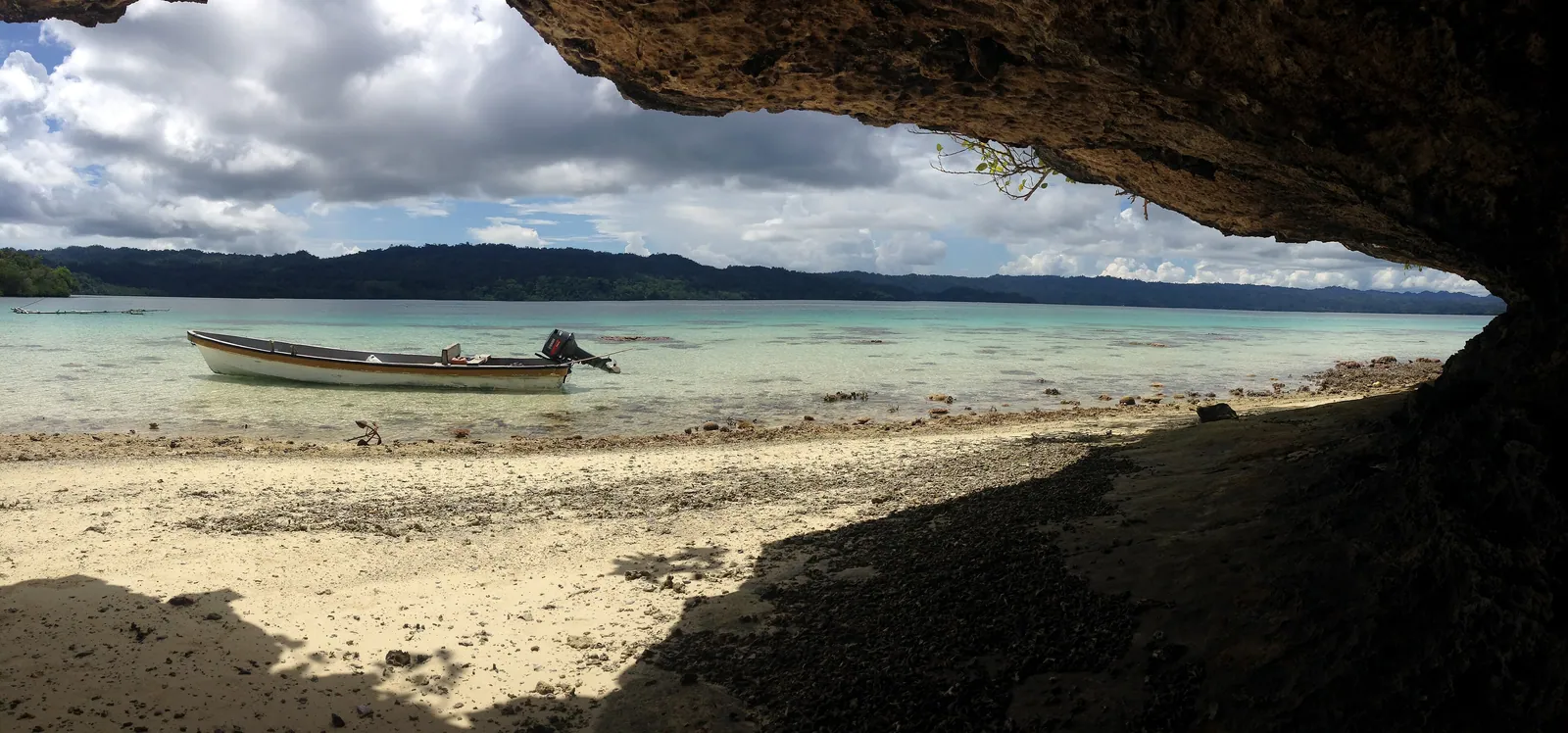
Raja Ampat and the Coral Triangle: The Richest Sea on Earth
The Coral Triangle holds more marine life than anywhere else on the planet, and Raja Ampat sits at its glittering centre. Here is what makes this Indonesian archipelago so extraordinary.
The Coral Triangle is a roughly triangular region of tropical sea spanning parts of Indonesia, Malaysia, the Philippines, Papua New Guinea, Timor-Leste and the Solomon Islands. It is the global epicentre of marine biodiversity: it contains around three-quarters of all known coral species and the highest diversity of reef fish on Earth, which has earned it the nickname 'the Amazon of the seas'.
Within that vast region, the archipelago of Raja Ampat — off the north-western tip of Indonesian Papua — is the single richest spot of all. Surveys here have recorded well over a thousand species of reef fish and several hundred species of coral, often within a single bay. For travellers, the short answer is that Raja Ampat offers the most concentrated marine abundance available anywhere, set among some of the most beautiful island scenery in the tropics.
Why the Coral Triangle is so rich
Several factors converge here. The region sits at the meeting point of the Pacific and Indian Oceans, where warm currents mix and ferry larvae between reefs, constantly seeding new life. Its scatter of thousands of islands creates an enormous variety of habitats — sheltered lagoons, current-swept channels, mangrove fringes, seagrass meadows and deep walls — and habitat variety drives species variety.
The region has also been geologically stable and warm for a very long time, giving evolution an unusually long, uninterrupted runway. The result is a centre of marine biodiversity from which species have radiated outward across the wider Indo-Pacific. Protecting the Coral Triangle is, in effect, protecting the nursery of much of the world's tropical reef life.
What makes Raja Ampat exceptional
The name Raja Ampat means 'Four Kings', after its four largest islands — Waigeo, Batanta, Salawati and Misool. Around and between them lie hundreds of smaller islands and islets, many of them dramatic jungle-topped limestone karst rising sheer from clear water. The famous viewpoints over the Wayag and Piaynemo islands, where clusters of mushroom-shaped islets fill a turquoise sea, are among the most photographed in Indonesia.
Beneath the surface, the numbers are staggering. The reefs here hold the highest recorded fish diversity of any reef system surveyed, alongside extensive hard and soft corals in vivid health. Manta rays gather at known cleaning stations, reef sharks are common, and the soft-coral gardens of the southern Misool area are considered among the finest in the world.
Diving, snorkelling and the role of currents
Raja Ampat's richness is partly powered by current. Strong tidal flows sweep nutrients across the reefs and feed the dense schools of fish, which means dive sites are often planned around the tide, and some are best at slack water. This makes Raja Ampat thrilling but also a place where local knowledge matters: reputable operators time dives carefully and brief thoroughly.
It is not, however, a diver-only destination. Many of the best reefs begin in shallow water, so snorkellers floating above a healthy reef edge see manta rays, turtles, schooling fish and brilliant coral with nothing more than a mask. Both liveaboard boats, which roam the wider archipelago, and land-based eco-resorts and homestays offer access; the choice depends on how much you want to move and how much comfort you want.
Conservation and the people of Raja Ampat
Raja Ampat is widely cited as a conservation success story. A network of marine protected areas now covers a large share of its waters, and these have helped fish populations and shark numbers recover markedly. The area has also adopted a no-take and shark-and-manta sanctuary approach, and visitors pay an entry permit fee that helps fund patrolling and supports local communities.
Those communities are central. Many reefs sit within traditional tenure recognised by local Papuan villages, and community-run homestays have given residents a direct stake in keeping reefs healthy. Travelling here responsibly — choosing operators with strong conservation credentials, using reef-safe sunscreen, never touching coral or chasing wildlife — is part of how this richness is sustained.
Getting there, and when to go
Raja Ampat is genuinely remote. The usual route is a flight to Sorong, on the Papuan mainland, followed by a ferry or boat transfer to the islands. The remoteness is precisely what has protected the reefs, and reaching them is part of the journey rather than an inconvenience.
The most settled diving and cruising conditions generally fall between October and April, when seas are calmer, though Raja Ampat can be visited across much of the year. The southern Misool region and the northern Waigeo and Wayag region have slightly different seasonal sweet spots, which is one reason an itinerary planned with local operators pays off. On The Pacific Arc journey, time on or beside this sea is built around calm-water months and partnered with operators committed to the region's conservation.
Quick answers
Do I need to be a diver to enjoy Raja Ampat?
No. While Raja Ampat is a world-renowned dive destination, many of its richest reefs start in shallow water, so snorkellers regularly encounter manta rays, turtles, reef sharks and dense coral. Calm bays, island viewpoints and beaches add to the appeal. Diving opens up more sites and depths, but it is far from essential to experience the area's marine life.
What is the Coral Triangle?
The Coral Triangle is a region of tropical ocean spanning six countries in South-East Asia and the western Pacific. It holds the greatest marine biodiversity on Earth, including around three-quarters of all known coral species and the highest diversity of reef fish. Raja Ampat, in Indonesia, lies at its biological heart.
When is the best time to visit Raja Ampat?
Raja Ampat can be visited for much of the year, but seas are generally calmest and conditions most settled between roughly October and April. Different parts of the archipelago, such as the southern Misool islands and the northern Waigeo area, have slightly different optimal windows, so it is worth planning with knowledgeable local operators.

Let the reading become a route.
When an article sparks something, our planners are the next step. Tell us what you are dreaming of.