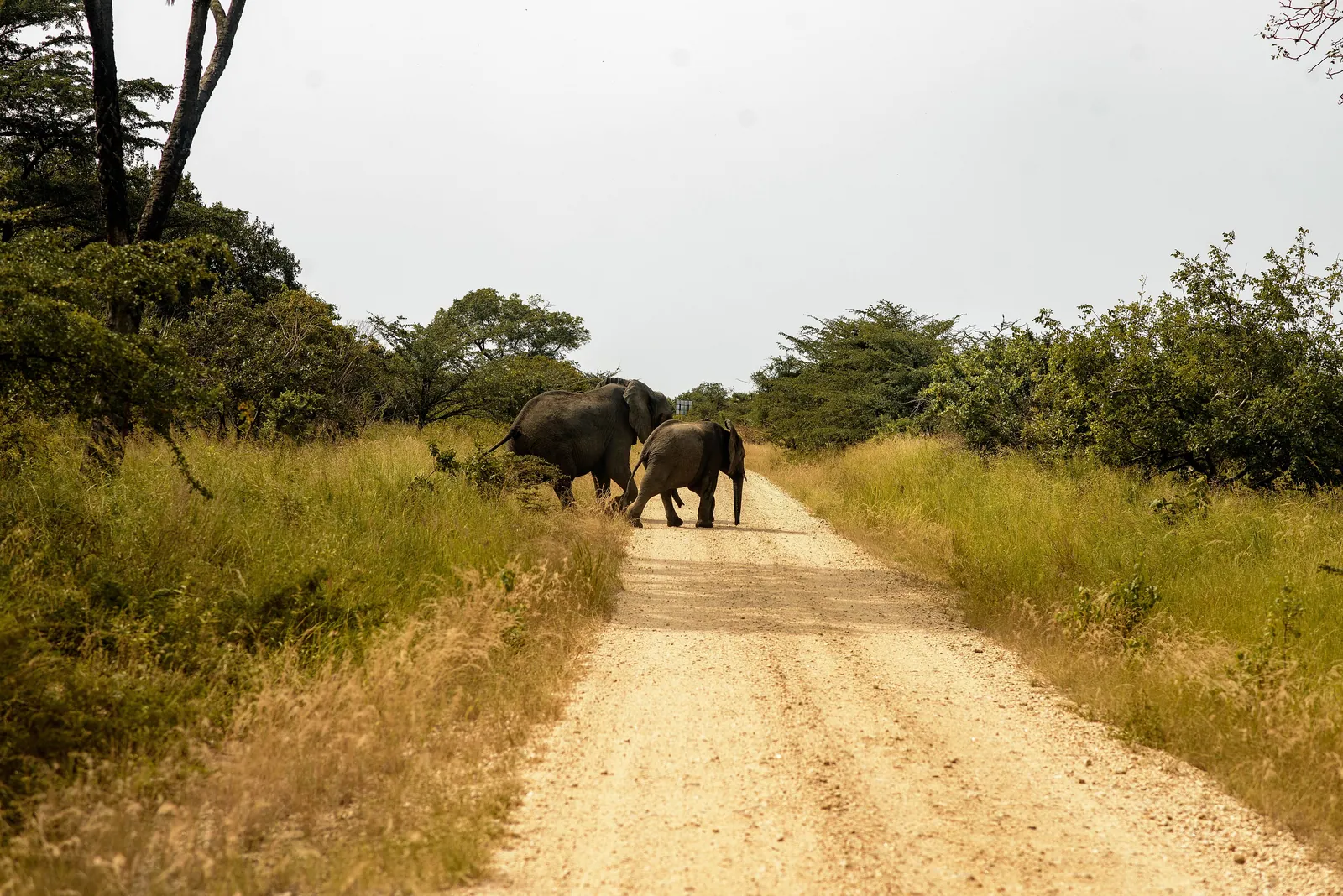
Safari Photography and the Etiquette of the Game Drive
Good safari photographs and good safari behaviour are the same thing. Here is how to make better images on the Serengeti plains while putting the wildlife and your fellow travellers first.
The first thing to understand about safari photography is that the picture is never worth the cost of a disturbed animal or a spoiled sighting for others. The Serengeti's wildlife is wild, not staged, and the traveller's job is to witness it without changing it. Almost everything that makes a photograph better — patience, stillness, low light, a calm vehicle — is also exactly what good etiquette asks of you.
This is a practical piece, not a technical manual. The aim is a handful of habits that will measurably improve your images and, just as importantly, make you a guest the bush and your travelling companions are glad to have along.
Light is everything: shoot the edges of the day
The Serengeti gives its best light in the first and last hours of daylight — the so-called golden hours — when the sun is low, warm and soft. Midday light is harsh and flat, throwing hard shadows and washing out colour. This is the single biggest reason game drives start at dawn and run again in late afternoon, and it is why those hours are non-negotiable for serious photography.
Position matters with light. Shooting with the sun behind you lights the animal evenly; shooting towards a low sun can produce dramatic rim-lit silhouettes, especially of an acacia or a lone giraffe. Tell your guide what you are after — a guide who knows you want the light behind you, or want to be side-on to a backlit scene, can position the vehicle accordingly.
Steadiness, distance and the right reach
Most safari photography happens from a vehicle, and the enemy of a sharp image is movement — your own and the vehicle's. Ask the driver to switch off the engine when you are shooting; even an idling engine transmits a faint shake. A beanbag rested on the window frame or roof hatch steadies a long lens far better than holding it freehand.
Reach helps, because you should never ask to approach an animal more closely than it is comfortable with. A longer lens — or simply cropping a good sensor's image afterwards — lets you fill the frame without crowding the subject. A phone camera will struggle with distant wildlife; for landscapes, herds and atmosphere, though, it does well, so do not feel you must own a long lens to come home happy.
The etiquette of the vehicle
A game-drive vehicle is a shared space, and good manners make everyone's day. Keep your voice low — sound carries, and it disturbs both animals and other guests. Take turns at the best window or hatch rather than monopolising it. Do not stand up suddenly, lean across someone for an angle, or block another passenger's view; coordinate quietly so everyone gets the shot.
Never ask the driver to do something the guide is reluctant to do — to go off-road where it is not permitted, to drive between a predator and its prey, to edge closer to a hunting cat. The guide is balancing the wildlife's welfare, park rules and your safety. A traveller who pressures a guide for a better photograph is asking them to compromise all three.
Reading and respecting the animals
Wild animals signal stress, and learning to read it is part of photographing them well. An elephant that spreads its ears, lifts its head, or makes a short mock charge is telling you it is uneasy; a cheetah that abandons its scan and moves away is being pushed; birds that flush, or a cat that repeatedly looks at the vehicle, are signs to back off. The right response is always to give space.
Keep noise to a minimum, never call out or whistle to make an animal look at the camera, and never feed wildlife. Switch off camera sounds and, in low light, do not use flash on animals — it can dazzle and distress nocturnal eyes. The best wildlife photographs show natural behaviour, and natural behaviour only happens when the animal has forgotten you are there.
Photographing people, and going home with more than pictures
If your journey brings you among Maasai communities or other local people, the same respect applies. Always ask before photographing a person, accept no for an answer gracefully, and do not treat people as scenery. A genuine exchange — a few words, an introduction through your guide — is worth more than a furtive snapshot, and where a fee or arrangement is customary, follow your guide's lead.
Finally, remember to put the camera down. Some of the Serengeti's finest moments — the sound of a lion at night, the scale of the plains at dusk — are not improved by being photographed. On The Great Rift journey, we encourage travellers to alternate between the lens and the simple act of looking. The photographs will be better for it, and so will the memory.
Quick answers
Do I need an expensive camera for a safari?
No. A modern phone or compact camera handles landscapes, herds and atmosphere well. For frame-filling images of distant wildlife, a longer lens helps, but it is not essential — a good sensor lets you crop, and a thoughtful eye matters more than gear. Come for the experience first; the right equipment is whatever lets you enjoy it.
What is the most important rule of game-drive etiquette?
Put the wildlife's welfare ahead of your photograph. That means keeping quiet, never pressuring your guide to approach too closely or break park rules, and backing off the moment an animal shows stress. Within the vehicle, share the best viewing spots and keep your movements calm so everyone — animals and people — has a good experience.
Can I use flash to photograph animals?
Avoid it. Flash can dazzle and distress wildlife, especially nocturnal animals whose eyes are adapted to darkness. In low light, raise your camera's ISO or steady the lens on a beanbag instead. Switching off camera sounds and flash also keeps you a quieter, less disruptive presence on the drive.
Let the reading become a route.
When an article sparks something, our planners are the next step. Tell us what you are dreaming of.