The Art of Being a Respectful Guest
A grand journey crosses many cultures, each with its own ideas of courtesy. A practical guide to the etiquette that travels well — dress, photography, sacred places, the table — so you arrive everywhere as a welcome guest.
The single most useful thing a traveller can pack is the posture of a guest. A grand journey crosses dozens of cultures, each with its own unspoken rules about how to dress, how to greet, how to behave in a temple and what to do at a table — and no traveller can memorise them all. But the underlying attitude is portable, and it carries you almost anywhere.
This is a practical guide to the etiquette that travels well. It will not make you an expert in any one culture, but it will help you avoid the common, avoidable missteps — and, more importantly, it sets out the habits of attention that let you read a new place and respond to it with grace.
The traveller's posture: watch, ask, follow
Most etiquette questions on the road have a simple answer: watch what local people do, and do likewise. Are people removing their shoes at the threshold? Lowering their voices? Covering their heads? The cues are usually visible if you slow down enough to notice them. When the cue is not obvious, ask — a guide, a host, a shopkeeper. Few questions are more warmly received than an honest one about local custom.
This posture also means accepting that you will sometimes get it wrong, and that getting it wrong with evident goodwill is almost always forgiven. The traveller who gives offence is rarely the one who made an honest mistake; it is the one who never looked up to check. Curiosity and humility cover a great deal of ground.
Dress: modesty, sacred sites and reading the room
Dress is the most visible signal a traveller sends, and standards vary widely. Religious sites are the clearest case: many mosques, temples, churches and monasteries expect shoulders and knees covered, and some ask women to cover their hair or visitors to remove shoes. A light scarf and a pair of long trousers in the day bag solve most of these situations on the spot.
Beyond sacred sites, norms differ between a cosmopolitan city and a conservative village, between a beach and a market. The reliable approach is to dress a notch more modestly than you might at home, and to take your cue from local people of your own age. On journeys through Morocco, the Middle East and parts of Asia, our pre-departure notes set out specifics country by country.
Photography: the ethics of the camera
A camera is a powerful thing to point at a stranger, and the basic rule is consent: ask before photographing people, and accept a refusal gracefully. A smile and a gesture toward the camera usually communicate the request across any language barrier. Be especially careful with children — ask the accompanying adult — and with people at prayer or in mourning.
Some sites prohibit photography outright, or ban flash and tripods, particularly where light damages pigments or where images are sacred; signs and guides will tell you. Where someone makes their living from being photographed — a costumed performer, a musician — a small payment is fair and expected. And it is worth occasionally lowering the camera entirely: not every moment needs to be captured, and some are better simply witnessed.
Sacred places: thresholds and quiet
Places of worship reward a little preparation. Beyond dress, watch the threshold: shoes are removed at mosques and at many Asian temples, and there may be a customary foot to step in with or a sill not to tread on. Inside, keep your voice low, silence your phone, and move to the edges during prayers or services rather than through the middle of them.
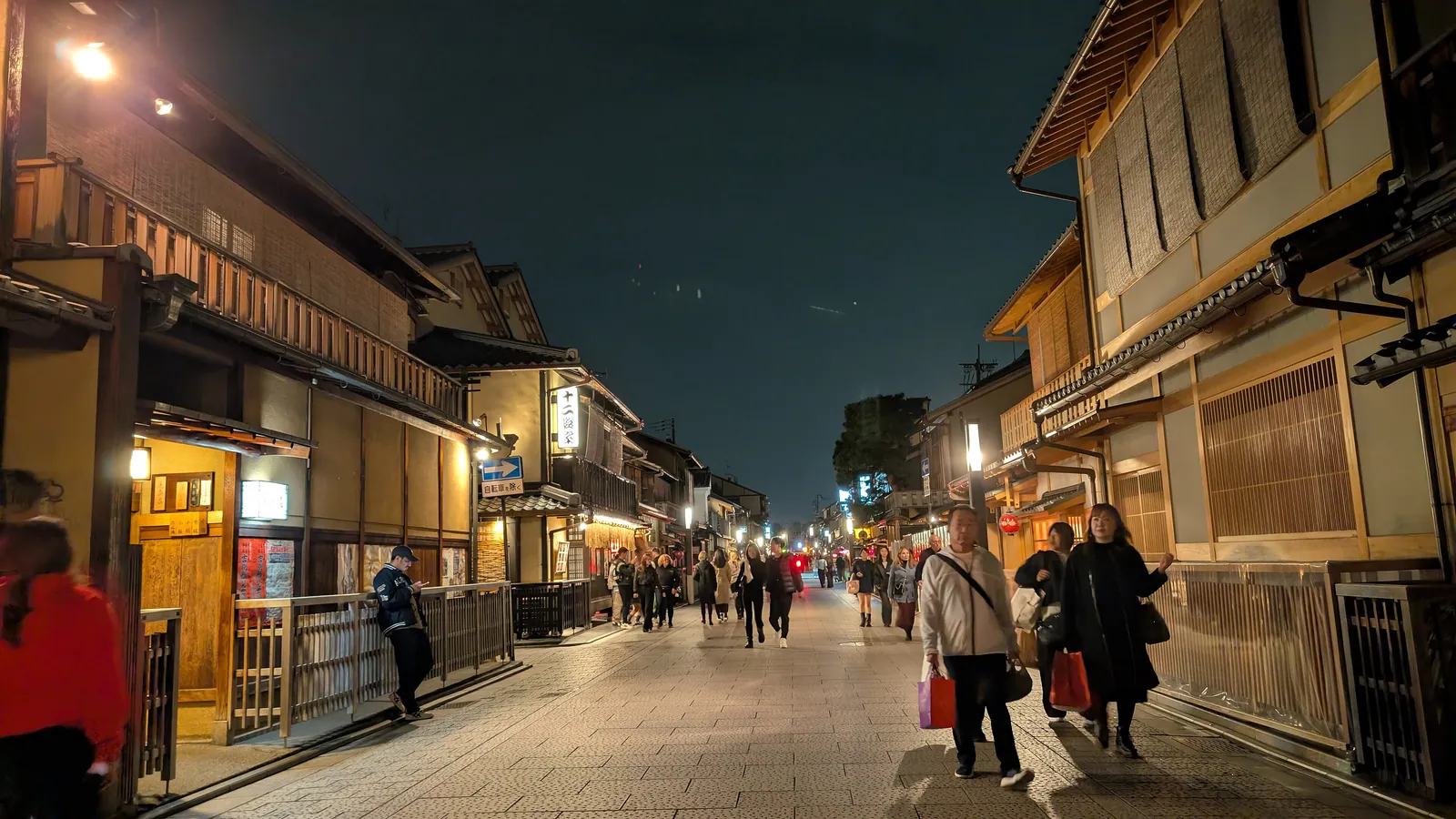
Be aware that some spaces are restricted — to worshippers, to one gender, or entirely — and that this is not yours to override. Photography in sacred places follows the rules above and then some: when in doubt, do not. Many of the most extraordinary buildings on our journeys, from the mosques of the Silk Road to the temples of Kyoto and the rock-hewn churches of Lalibela, are living places of worship first and monuments second, and behaving as though you are in someone's spiritual home is exactly right.
The table, the greeting and the gift
Hospitality is where cultures most often differ in detail and most often agree in spirit. A few widely useful habits: accept what you are offered, at least to taste, since refusing food or tea outright can read as a rejection of the host. In much of the Middle East, North Africa, India and beyond, the right hand is used for eating and passing; the left is considered unclean. Wait to be shown where to sit, and follow the host's lead on when to begin.
Greetings vary — a handshake, a bow, a hand to the heart, cheek kisses — and it is fine to let your host set the form; watch and mirror. If you are invited into a home, a small gift is gracious in most cultures, though the appropriate gift differs, and your guide can advise. Above all, learn a few words of the local language: a greeting and a thank-you, however imperfectly pronounced, are received everywhere as a sign of respect.
When you get it wrong
You will, at some point, breach a custom you did not know existed. The recovery is simple and the same everywhere: notice, apologise briefly and sincerely, correct course, and move on without dwelling on it. A short, genuine apology resolves almost any honest mistake, and most hosts are quick to forgive a guest who clearly meant well.
What does not recover well is defensiveness — arguing that a custom is unreasonable, or treating local norms as obstacles. The respectful guest holds their own assumptions lightly, treats difference as interesting rather than wrong, and remembers that they are, for these few weeks, a visitor in places where other people live their whole lives. That stance, more than any checklist, is what makes a traveller welcome.
Quick answers
What should I wear to visit religious sites?
Plan to cover shoulders and knees, and carry a light scarf and long trousers or a long skirt in your day bag. Some mosques and temples also ask women to cover their hair, and many require shoes to be removed at the threshold. Standards vary by site and country; our pre-departure notes give specifics, and guides advise on the day.
Is it ever acceptable to photograph people without asking?
As a rule, no — ask first, and accept a refusal gracefully. A smile and a gesture toward your camera usually convey the request. Take particular care with children, with people at prayer or in mourning, and at sites where photography is restricted. Where someone earns a living from being photographed, a small payment is fair.
What if I accidentally offend someone?
Notice, offer a brief and sincere apology, correct yourself, and move on. Honest mistakes made with evident goodwill are almost always forgiven. What causes real offence is defensiveness — arguing that a local custom is unreasonable. Hold your own assumptions lightly and treat cultural difference as interesting rather than wrong.

Let the reading become a route.
When an article sparks something, our planners are the next step. Tell us what you are dreaming of.