The Art of the Long Travel Day
Every grand journey contains them: the fifteen-hour transfers, the dawn flights, the long roads between wonders. Here is how to turn the hardest days of an expedition into days you do not dread.
On any journey worth taking, some days are simply about getting there. A crossing of the altiplano, a flight chain through three airports, a long road over a Himalayan pass — these days move you between the wonders, and they are part of the journey, not an interruption of it.
The travellers who suffer on long days are usually the ones who treat them as dead time to be endured. The travellers who do well treat them as a discipline with its own small craft: prepare the body, manage the mind, and let the day itself become something to watch. A long travel day, handled with intent, can be quietly one of the best.
Why long days are unavoidable — and worth it
The greatest places on Earth are, almost by definition, hard to reach. That is part of why they remain great. Antarctica lies beyond the Drake Passage. The high Andes sit days from any coast. The Silk Road cities are strung across a continent. Distance is the price of wonder, and the long travel day is how that price is paid.
It helps to reframe the day entirely. You are not losing a day to transit; you are spending a day crossing the very ground that gives the next place its meaning. The long road between two wonders is the thread that connects them, and on a slow-travel journey the thread matters as much as the beads.
Preparing the body the night before
A good long day begins the evening before. Sleep is the single biggest variable, so protect it: pack before bed rather than at dawn, set out tomorrow's layers, and resist the late night that a 4am start will punish. Hydrate well the day before, because catching up on water in transit is far harder than staying ahead of it.
Eat sensibly. A heavy, late dinner before an early start rarely sits well; a moderate one does. In the morning, eat something even if the hour feels wrong — the body crossing time zones and altitude does better with fuel than without. Small, deliberate choices the night before decide how the long day feels by mid-afternoon.
What to keep within arm's reach
The comfort of a long day lives in a single small bag you never check and never bury. Into it goes water, snacks you actually like, any medication, a warm layer for over-cooled cabins and over-air-conditioned coaches, and the means to fill quiet hours — a book, downloaded music, a journal.
Equally important is what you leave out: nothing essential should be in the bag you cannot reach. On Andes to Antarctica and The Long Way East, where a single day may combine a flight, a transfer and a drive, the traveller with a well-built day bag moves through all of it calmly. The bag is small. Its effect on the day is not.
Managing the mind across the hours
The hardest part of a long day is rarely physical; it is mental. The antidote is to stop willing the day to be over and let it simply pass. Break it into stages — to the first airport, to lunch, to the pass, to the hotel — and tick them off. A day made of reachable segments is far lighter than one long blank to be survived.
Lower your expectations of productivity. A travel day is not the day to catch up on work or make decisions; it is a day to read, doze, look out of the window and let the journey carry you. Travellers who accept the slow pace of a transit day, rather than fighting it, arrive in far better spirits than those who spent the hours frustrated.
Letting the journey itself be the view
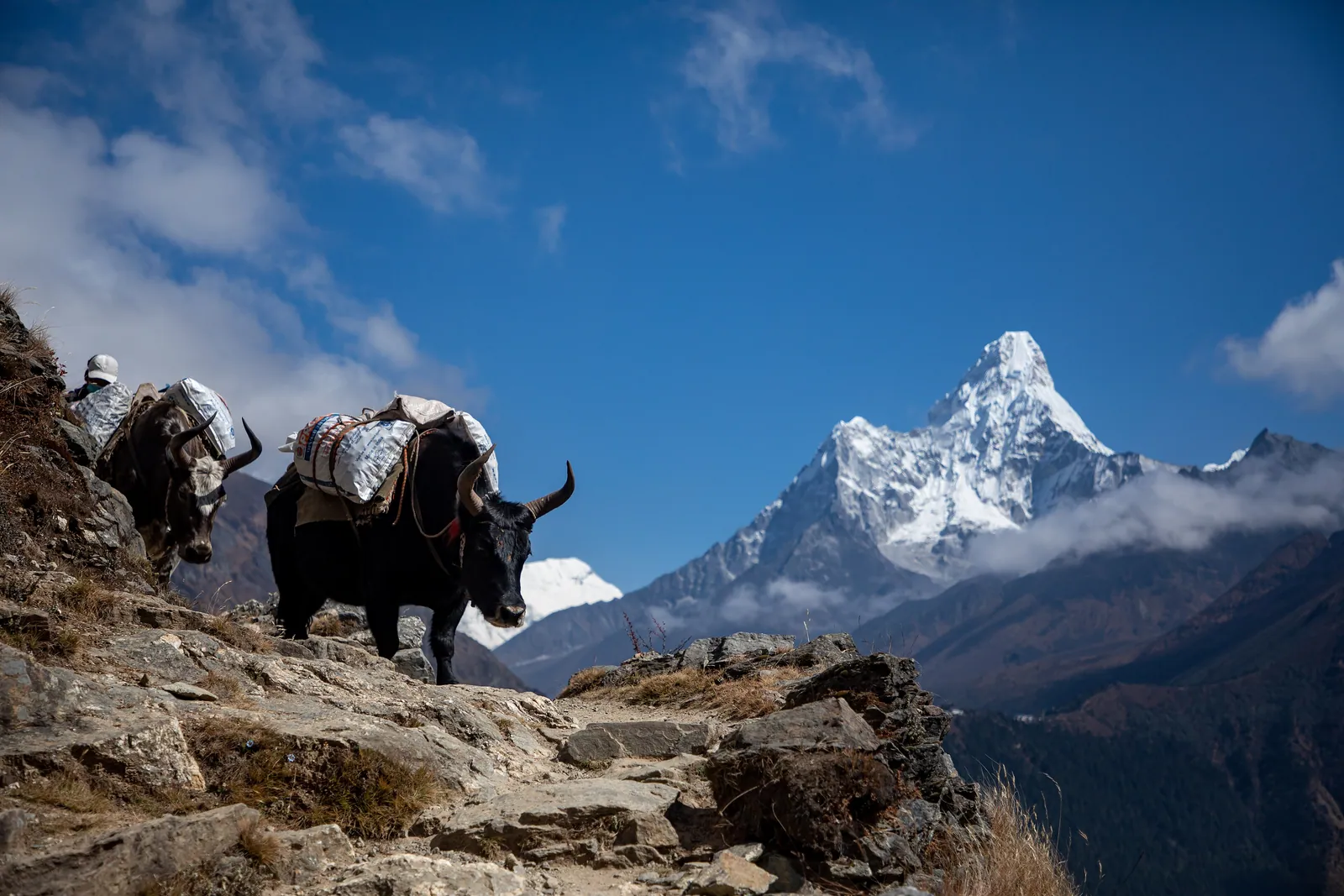
The window seat is underrated. The long roads of a grand journey cross country you would never otherwise see — the empty immensity of the altiplano, the geometry of the steppe, the slow unfolding of a mountain range from a coach. The transit is not separate from the scenery; very often it is the scenery.
There is also a particular pleasure in arrival earned the slow way. Reaching San Pedro de Atacama after a long desert drive, or a Patagonian lodge at the end of a hard travel day, lands differently than stepping off a quick hop. You have crossed the distance with your own patience, and the place receives you the better for it.
Quick answers
How do I cope with very early starts on a journey?
Prepare the night before — pack, lay out clothes, and protect your sleep by going to bed early rather than staying up. Eat something in the morning even if the hour feels wrong, and keep water and a warm layer within reach. Treat the early start as the first segment of the day to tick off, not as a hardship to resent.
What should I keep in my carry-on for long transfer days?
Water, snacks you genuinely enjoy, any medication, a warm layer for cold cabins and coaches, and something to occupy quiet hours such as a book or downloaded music. The principle is simple: anything you might need during the day should be in the one bag you keep with you, never in checked or stowed luggage.
Are the long travel days really part of the experience?
Yes. On a slow-travel journey the roads between wonders cross landscapes you would otherwise never see, and arriving the slow way gives a place more meaning. Reframing a transit day as a chapter of the journey, rather than an interruption of it, is the single biggest change you can make to how those days feel.
Let the reading become a route.
When an article sparks something, our planners are the next step. Tell us what you are dreaming of.