The Case for Shoulder Season Travel
The weeks on either side of peak season are quietly the best time to travel — thinner crowds, softer light, kinder prices and a landscape in transition. A defence of the shoulder months, and how to read them.
The shoulder season is the stretch between a destination's peak and its low season — typically spring and autumn in temperate places, the weeks bracketing the dry season in the tropics. It is the time most experienced travellers quietly prefer, and the time the calendar most rewards a slow traveller.
The case is straightforward. In the shoulder months you usually get most of the good weather with far fewer people, lower prices and a landscape caught in the act of changing. The trade-off is a little more variability — a wetter day, a cooler night, a site between its summer and winter selves. For a journey measured in weeks rather than days, that is a trade well worth making.
What 'shoulder season' actually means
Tourist calendars divide roughly into three: high season, when conditions and demand peak together; low season, when weather or daylight discourages most visitors; and shoulder season, the transitional weeks between. In temperate regions the shoulders are spring and autumn. In the tropics they are the cusps of the dry season, just before the rains end or just after they begin.
The shoulder is not a compromise so much as a different proposition. Peak season optimises for reliable weather and accepts crowds and cost; the shoulder accepts a little weather risk and gets, in return, space and value. Knowing which you are buying is the first step to choosing your month well.
Fewer people, and why that changes a place
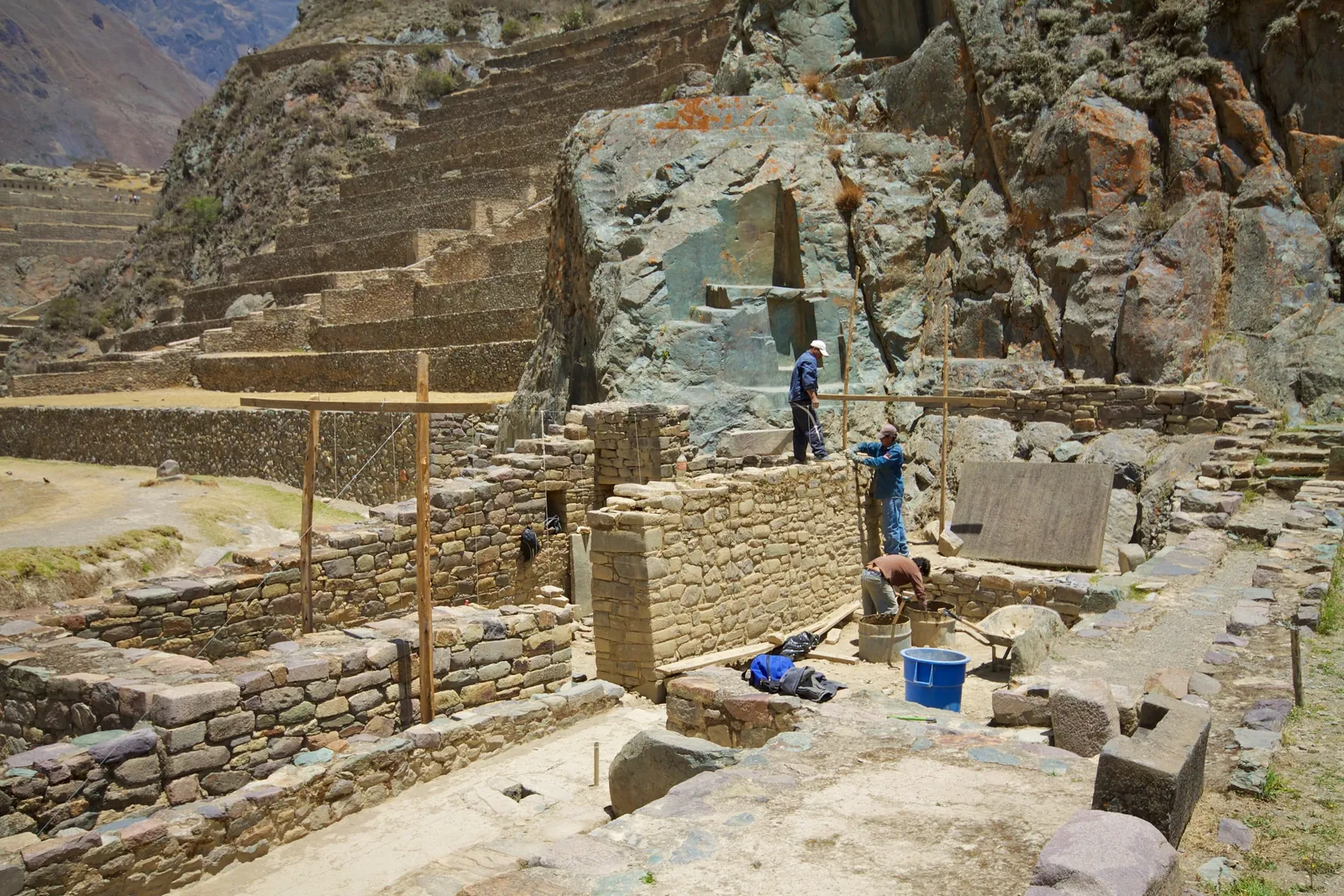
Crowding does not merely inconvenience a traveller; it changes the character of a place. A revered site visited at the shoulder — a temple in Kyoto on a quiet October weekday, a desert city of the Silk Road before the spring rush, Machu Picchu outside the peak Andean months — is a different and better experience than the same site at its busiest.
Thinner crowds also mean a slower pace is genuinely available. You can linger, return to a viewpoint, let a guide talk longer. For a company built on unhurried travel, the shoulder season is not a discount option but the natural home of the way we like to move.
Softer light and a landscape in transition
The shoulder months often hold the year's most beautiful light. Spring and autumn sit between the harsh high sun of summer and the low gloom of winter, giving longer golden hours and richer skies. Autumn in particular brings the slanting, amber light that photographers prize.
There is drama in transition, too. Spring is blossom, snowmelt and green returning to the steppe; autumn is the turning maples of Japan, the harvest in the Central Asian oases, the first dusting of snow on a high peak. A landscape mid-change is more interesting than a landscape at rest — and the shoulder season is when you catch it moving.
The honest trade-offs
Shoulder travel is not without cost. Weather is less predictable: a shoulder week can deliver a run of perfect days or an unseasonable cold snap or downpour, and you must travel ready for either. Daylight is shorter than at midsummer. Some seasonal services — a remote lodge, a particular boat, a high mountain route — may open late or close early at the margins of the season.
These are real considerations, not deal-breakers. They are managed by packing a proper layering system, by keeping an itinerary with a little flexibility built in, and by choosing the shoulder over the deep low season, where the trade-offs become genuine. The aim is to catch the quiet, not the closure.
Where the shoulder shines on our journeys
Several grand journeys are deliberately built in the shoulder months. The Long Way East favours spring and autumn precisely for blossom, autumn colour and the gap between continental extremes of heat and cold. The Silk Road Reborn is timed to April-June and September-October, sidestepping the desert cities' punishing summers and severe winters.
Even within a journey that runs in high season, the early and late departures behave like shoulder travel: an early-November Antarctic voyage on Andes to Antarctica trades the warmth of midsummer for pristine snow and courtship season, with fewer ships about. If you have any flexibility in your dates, ask us about the first and last departures of a season — they are often the connoisseur's choice.
Quick answers
When is shoulder season?
In temperate regions it is broadly spring and autumn — the weeks between the summer peak and the winter low. In the tropics it falls on the edges of the dry season, just before the rains end or shortly after they begin. The exact weeks vary by destination, so the shoulder for an Andean journey, an East African safari and a Central Asian route will all fall at different times.
Is shoulder season weather reliable enough for a long journey?
Generally yes, provided you travel prepared. Shoulder weather is more variable than the peak — expect the occasional cooler or wetter day — but it usually delivers most of the season's good conditions with far fewer crowds. A proper layering system and an itinerary with some built-in flexibility absorb the variability comfortably, which is why several of our journeys are timed to the shoulder months on purpose.
Will I miss out on anything by avoiding peak season?
Rarely the things that matter, and often you gain more than you lose. The main risks are shorter daylight than midsummer and a few seasonal services opening late or closing early at the margins. Set against thinner crowds, softer light, better value and a landscape in transition, most travellers find the shoulder season the richer experience — particularly on an unhurried journey.
Let the reading become a route.
When an article sparks something, our planners are the next step. Tell us what you are dreaming of.