The Golden Hour, and Learning to Read the Light
Photographers talk endlessly about the golden hour, but light is a subject all day long. Here is a field guide to the great hours of light, the blue hour few use well, and how to plan a journey around them.
Light is the real subject of every photograph. The same temple, the same peak, the same face changes utterly between the flat glare of noon and the warm rake of evening — and the photographer who learns to read those changes will make better pictures with any camera than one who chases equipment. The famous golden hour is only the most celebrated chapter of a longer story that runs from before dawn to after dusk.
This article is a guide to the day's light: when it is kind, when it is hard, and how to put yourself in the right place for each. The single most useful habit is to stop asking what you want to photograph and start asking what the light is doing — and then to plan a slow-travel day around the answer.
The golden hour, and why it flatters
The golden hour is the period after sunrise and before sunset when the sun sits low and its light travels a long, oblique path through the atmosphere. That long path scatters away the blue wavelengths and leaves the light warm and golden; it also softens the light and throws long shadows that model shape and texture. Faces glow, dunes turn to sculpture, stone reveals every grain.
Its length is not fixed. Near the equator — much of the Great Rift, parts of The Pacific Arc — the sun drops fast and the golden hour can be barely thirty minutes. In the far south of Patagonia in summer it stretches luxuriously long. Knowing roughly how long you have where you are standing is the difference between catching the light and watching it leave.
The blue hour, which most travellers waste
Before sunrise and after sunset, while the sun is just below the horizon, the world enters the blue hour: a soft, even, faintly cool light with no harsh shadow at all. Most travellers have put the camera away by then, which is precisely why blue-hour photographs feel uncommon. It is the magic hour for cities — when the sky still holds colour and the lights of streets, windows and lanterns balance it.
Istanbul at the start of The Long Way East is a blue-hour city: the domes and minarets in silhouette against a deep cobalt sky, the Bosphorus catching the last light, the lamps coming on. Stay out twenty minutes past the moment you would normally leave, and a whole register of photographs opens up that the daytime crowd never sees.
Hard light at midday, and how to use it
From mid-morning to mid-afternoon the sun is high and the light is hard: contrasty, with short black shadows and blown highlights, unkind to faces and landscapes alike. The instinct to put the camera away then is sound — but the hours need not be lost. Hard light suits some subjects well. It can render markets and street life with graphic punch, it makes water and tilework sing, and it is the right light for strong, simple shadow patterns.
When you must work in it, seek shade — open shade gives soft, even light for portraits and detail — or use the contrast deliberately, exposing for the highlights and letting shadows fall to black for a bold, graphic image. Better still, treat midday as it is treated on a well-built journey: the time for lunch, museums, interiors and rest, with the camera saved for the kinder hours.
Overcast, mist and weather as a gift
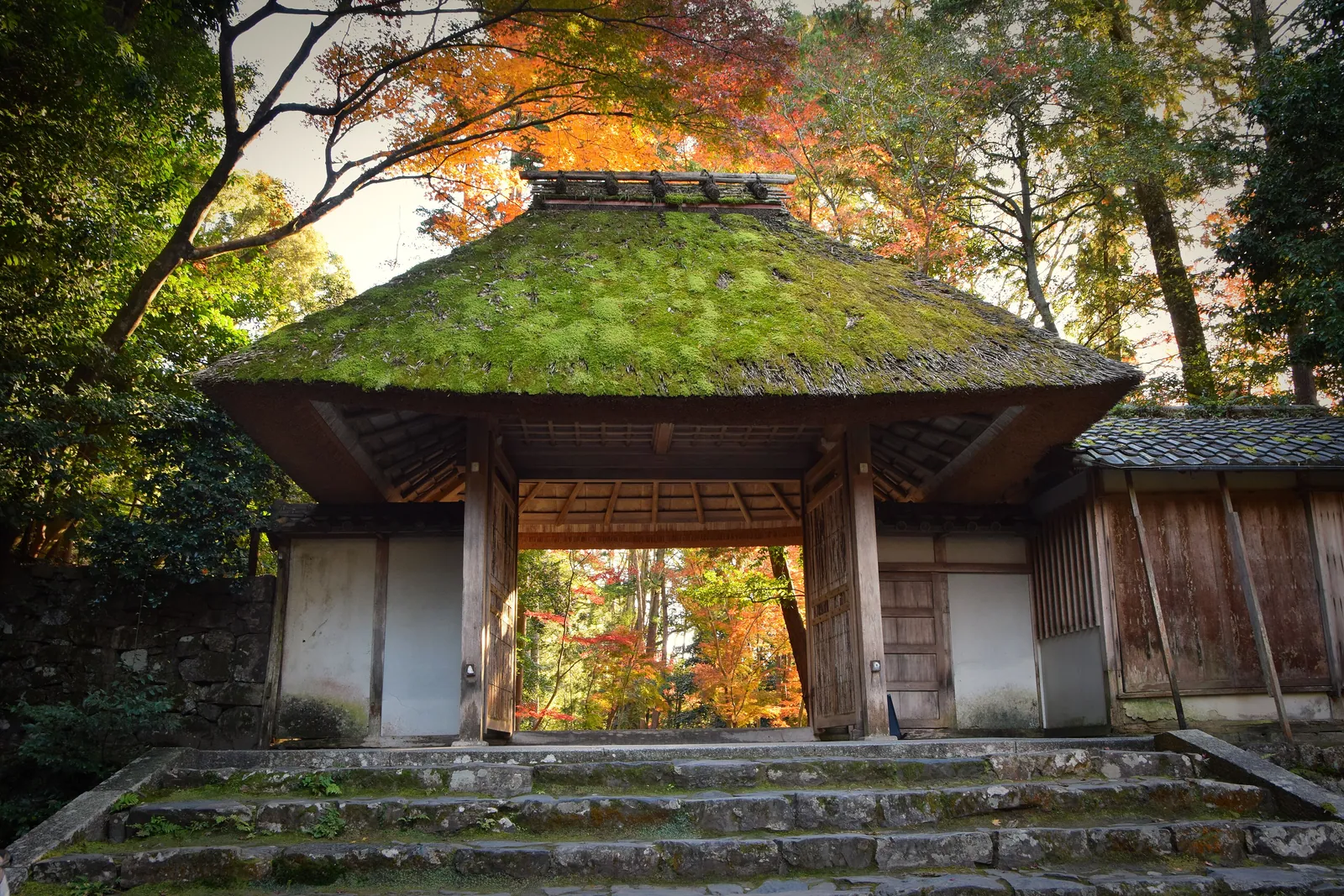
A grey sky disappoints the traveller and delights the photographer of certain subjects. Cloud is an enormous soft light source: it removes harsh shadow, lowers contrast and reveals subtle colour. It is the ideal light for forests, waterfalls, autumn maples, close detail and portraits — the temple gardens of Kyoto are arguably at their finest under soft cloud, the moss and leaves glowing without glare.
Mist, rain and storm are not failures of weather but opportunities. Mist simplifies a cluttered scene into clean layers and lends depth and mood; a break of sun through storm cloud is the most dramatic light there is. The slow traveller, unhurried and out in all conditions, is far better placed to catch these moments than the visitor racing a checklist.
Planning a day, and a journey, around the light
Reading the light is half observation and half planning. Before a place that matters to you, learn the times of sunrise and sunset and, just as important, work out which direction the light will come from — a free smartphone sun-tracking app shows exactly where the sun will rise and set and where shadows will fall, so you can be on the correct side of a peak or a square at the right hour. A front-lit facade and a back-lit one are entirely different photographs.
Then shape the day around the answer. Be in position for the golden hour rather than walking to it. Stay out into the blue hour. Spend the hard middle hours indoors or at the table. This is not a constraint that slow travel imposes on photography — it is a rhythm the two share. A grand journey that moves at a human pace gives you the one thing light most demands, which is the patience to wait for it.
Quick answers
What exactly is the golden hour, and how long does it last?
It is the period just after sunrise and just before sunset when the low sun gives warm, soft, directional light. Its length depends on latitude and season: roughly half an hour near the equator, far longer in the high-latitude summer of Patagonia. Check local sunrise and sunset times and be in position before the light arrives.
Is there any point photographing in the middle of the day?
Yes, for the right subjects. Hard midday light suits markets, graphic shadows, water and tilework, and open shade gives soft light for portraits and detail. But for landscapes and most architecture it is the least flattering light, so many travellers sensibly reserve those hours for meals, museums and rest.
How can I tell which way the light will fall at a place?
Use a free sun-tracking app on your phone. Enter a location and date and it shows where the sun will rise, set and sit at any hour, and which way shadows will point. This lets you plan to be on the lit side of a mountain, square or facade rather than discovering the light is wrong on arrival.
Let the reading become a route.
When an article sparks something, our planners are the next step. Tell us what you are dreaming of.