
The Milky Way Through the Year
Our galaxy does not look the same in every season — the bright core rises and sets with the calendar. A month-by-month guide to when, and from where, the Milky Way is at its most spectacular.
The Milky Way is visible on any clear, dark, moonless night of the year — but it is not equally impressive in every season. The galaxy's bright, textured heart, the part that makes people gasp, is a seasonal sight. It rides high in the night sky for one half of the year and is largely below the horizon for the other half, so timing a trip well makes an enormous difference.
The single rule worth carrying is this: the galactic core season runs broadly from late autumn to early autumn of the following year — roughly March or April to September or October — with the best months in mid-year. The hemisphere you are in shifts the detail, and a dark sky and a dark Moon remain essential. This is a working calendar for travellers, the rhythm behind the night-sky chapters of Beyond the Blue.
Why the galaxy has a season at all
We live inside the Milky Way, in its disc, about two-thirds of the way out from the centre. When we look toward the constellations Sagittarius and Scorpius we are looking inward, toward the crowded, luminous galactic core; when we look the opposite way, we see the thinner, fainter outer disc.
As Earth orbits the Sun, our night side faces different directions in space across the year. For part of the year the night sky is turned toward the core; for the other part, the core is up only during daylight and therefore invisible. That orbital geometry — not weather, not the Moon — is what gives the Milky Way its season.
Core season — the bright heart, roughly March to October
The galactic core becomes visible before dawn around February and March, climbs higher and rises earlier through the following months, dominates the mid-year nights, and sinks back toward the evening horizon by September and October. Outside that window, from about November to January, the core is essentially absent and only the fainter winter Milky Way is on show.
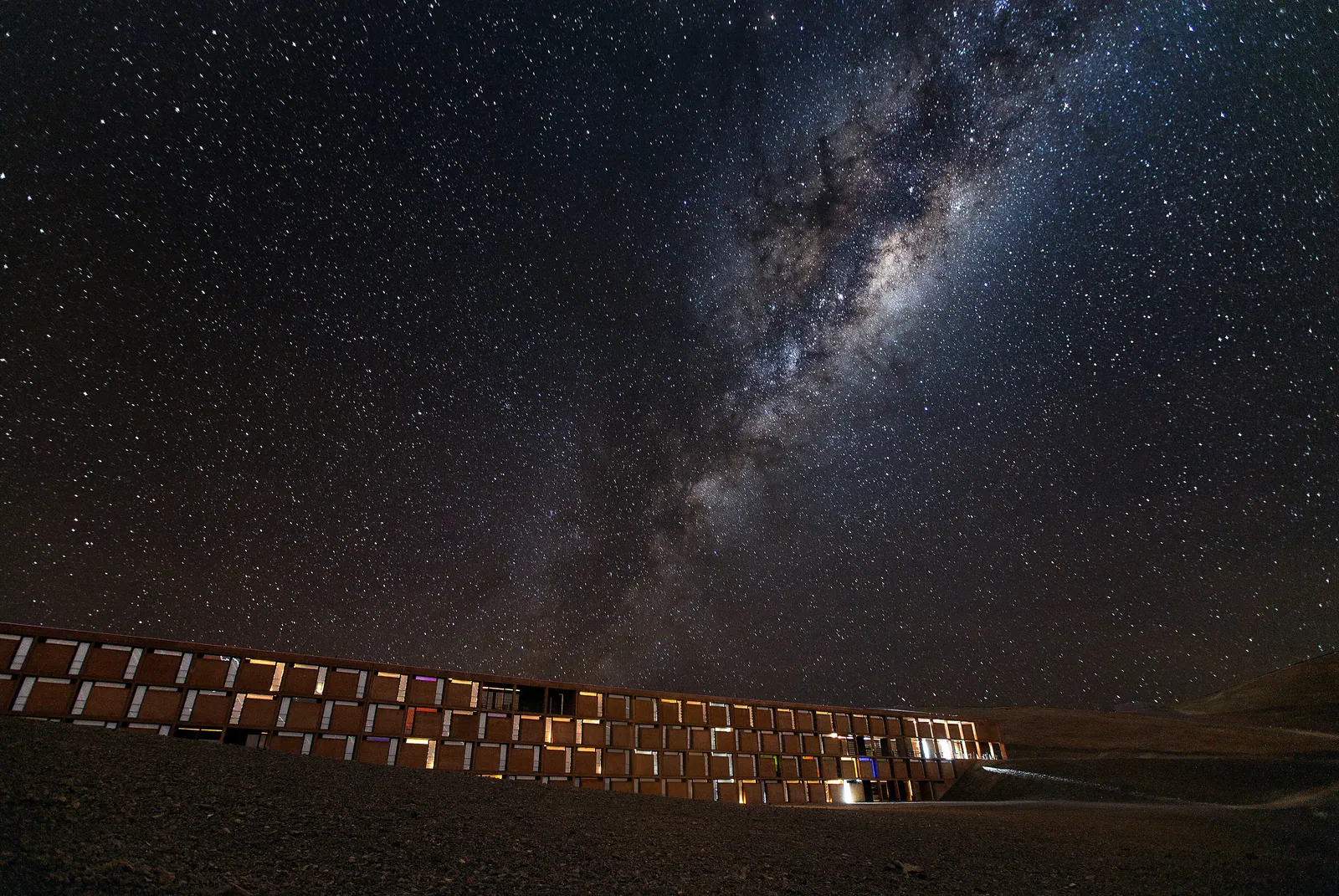
Within core season the prime months are mid-year. From the Southern Hemisphere — the better hemisphere for this — the winter months of roughly May through August place the core high overhead for much of the night. That is the window that delivers the postcard Milky Way: a dense, mottled band split by dark dust lanes.
A month-by-month rhythm
Late summer into autumn (around February to April in the south, the opposite in the north): the core returns, first as a pre-dawn sight, then rising earlier each week. This is the season for early risers.
Mid-year (roughly May to August in the south): peak season. The core is up for most of the night and stands high in the sky. Plan serious Milky Way travel here. Then, into early autumn (September and October), the core lingers in the evening sky after dusk but sets earlier, before the quiet months of November to January, when only the faint outer galaxy is visible.
Hemisphere matters — and the south wins
The Southern Hemisphere has the better view of the Milky Way, and it is not a close contest. The galactic core passes high overhead from southern latitudes, displayed against a dark sky for hours; from northern latitudes the same core skims much lower, closer to the horizon haze and visible for less of the night.
This is one of the quiet rewards of travelling in the global south. The Atacama, the Namib and the southern Andes combine a high-riding core with some of the darkest skies on Earth — a pairing the Northern Hemisphere simply cannot match for this particular sight.
Putting it together — Moon, sky and season
Three calendars must agree for a great Milky Way night. The seasonal calendar must place the core above the horizon; the lunar calendar must give you the dark nights around new Moon, since a bright Moon erases the galaxy's structure; and the local weather must hand you a clear sky. Miss any one and the night underperforms.
On Beyond the Blue, the Atacama chapter is timed inside the November-to-February journey window, and the desert's roughly 330 clear nights a year remove the weather worry almost entirely. Combine that reliability with attention to the Moon, and the galaxy becomes not a hope but a near-certainty.
Quick answers
When is the best time of year to see the Milky Way?
The bright galactic core is best during 'core season', roughly March or April to September or October, with the strongest views in the mid-year months. From the Southern Hemisphere that means about May to August, when the core rides high all night. The faint outer Milky Way is visible year-round, but the dramatic, textured core is a seasonal sight.
Why can't I see the Milky Way in winter?
It depends what you mean by winter and where you are. The faint Milky Way is visible year-round, but its bright core is only above the horizon at night for part of the year — during the other months the core is up during daylight and therefore invisible. Around November to January the night sky faces away from the core, so only the dimmer outer galaxy is on show.
Is the Milky Way better from the Southern Hemisphere?
Yes, distinctly. The galactic core passes high overhead from southern latitudes, so it is displayed against dark sky for hours; from the north the same core stays low and is seen for less of the night. Combined with the dark skies of places like the Atacama and the Namib, the Southern Hemisphere offers the finest naked-eye views of our galaxy.
Let the reading become a route.
When an article sparks something, our planners are the next step. Tell us what you are dreaming of.