The Ngorongoro Crater: A World Within a Wall
The Ngorongoro Crater is the largest intact volcanic caldera on Earth, and one of the densest concentrations of wildlife anywhere. Here is how this extraordinary natural amphitheatre formed, and what it holds.
The Ngorongoro Crater is what remains of a vast volcano that collapsed inward some two to three million years ago. The result is the largest unbroken and unflooded volcanic caldera in the world: a near-circular bowl roughly 18 to 20 kilometres across, with walls some 400 to 600 metres high enclosing a flat floor of about 260 square kilometres.
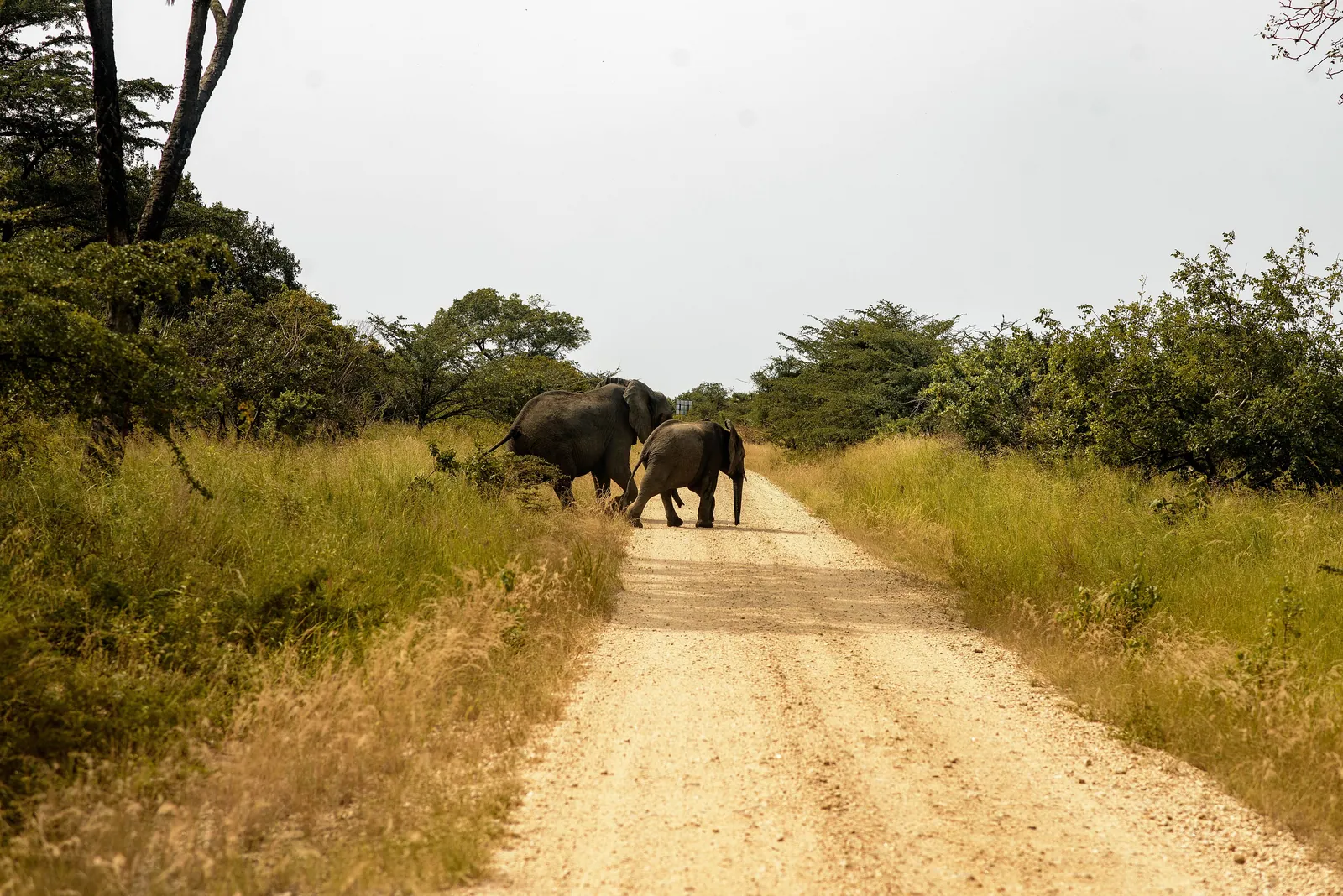
Within that wall lives one of the most concentrated wildlife populations in Africa — an estimated 25,000 large animals, including lion, elephant, buffalo, hippo, zebra, wildebeest and the critically endangered black rhino. The crater sits within the Ngorongoro Conservation Area, a UNESCO World Heritage Site, and forms a natural prelude or coda to the open Serengeti plains.
How the crater formed
Ngorongoro is a caldera, not an impact crater. Two to three million years ago a large volcano, possibly as tall as Kilimanjaro is today, emptied its magma chamber in a series of eruptions. With nothing left to support the summit, the cone collapsed downward into the void beneath it, leaving the immense circular depression we see now.
The caldera sits along the Great Rift Valley, the continental fracture where the African plate is slowly pulling apart, and volcanism of this kind is one of the rift's signatures. The same geological forces shaped the nearby highlands and the still-active volcano Ol Doinyo Lengai. The crater floor today is a self-contained landscape of grassland, soda lake, swamp, and a small surviving patch of acacia woodland.
Why so much wildlife is packed inside
The crater functions almost as a natural enclosure. Permanent water, fertile volcanic soils and year-round grazing mean most of its grazing animals have little reason to leave, so populations that would migrate across the open Serengeti instead stay resident here. The walls are not a true barrier — animals can and do climb in and out — but the abundance inside keeps most of them home.
That concentration is what gives a crater day its remarkable hit rate. In a few hours on the floor a traveller may see lion prides, elephants, buffalo herds, hippos in the pools, flamingos on the soda lake of Lake Magadi, and, with luck, black rhino. It is one of the few places in Africa where seeing all of the so-called Big Five in a single day is genuinely possible.
The black rhino, and a place of refuge
Ngorongoro is one of the most reliable places in Tanzania to see black rhino, a species hunted to the edge of extinction across much of its range. The crater's relatively contained floor allows the small resident population to be closely monitored and protected by rangers, and it has become a stronghold for the species.
Seeing a rhino here is a privilege rather than a certainty — the animals are few, and they often graze at a distance. Travellers should bring patience and binoculars, keep noise low, and follow guides' guidance on distance. The rhino's presence is a direct result of sustained conservation effort, and a quiet, respectful sighting is the right way to honour that.
People, cattle and a shared landscape
The Ngorongoro Conservation Area is unusual: it is a multiple-use area where wildlife conservation, tourism and human habitation are designed to coexist. Maasai pastoralists graze cattle within the wider conservation area and may bring herds down to water on the crater floor, though they do not live on the floor itself.
This makes Ngorongoro a working example of a difficult idea — protecting an extraordinary ecosystem while respecting the rights and livelihoods of the people who have long lived alongside it. The balance is contested and continually negotiated, and understanding it is part of travelling thoughtfully through this landscape.
Visiting the crater well
The crater rim sits at around 2,300 metres, and mornings there are genuinely cold, often misty; the floor, several hundred metres lower, is warmer. Layered clothing makes the descent comfortable. Game drives generally start early, descending one of the access roads at first light when animals are most active and the floor least crowded.
Because the floor is a confined and busy space, visitor numbers and vehicle behaviour are managed by the conservation authority, and travellers should expect to keep to the established tracks. On The Great Rift journey, Ngorongoro typically anchors the route as a counterpoint to the vast horizons of the Serengeti — an entire ecosystem held, astonishingly, within a single wall.
Quick answers
Is the Ngorongoro Crater part of the Serengeti?
Not exactly. The crater lies within the Ngorongoro Conservation Area, which borders the Serengeti National Park and forms part of the same greater ecosystem. The two are usually visited together, but they are administered separately — the Serengeti is a national park, while Ngorongoro is a multiple-use conservation area where people and wildlife coexist.
Can you see the Big Five in the Ngorongoro Crater?
It is one of the few places where seeing all five — lion, elephant, buffalo, leopard and rhino — in a single day is realistically possible. Lion, elephant, buffalo and black rhino are all resident on the crater floor. Leopard is the hardest, as the floor has limited woodland; it is more often seen in the surrounding highland forests.
How was the Ngorongoro Crater formed?
It is a volcanic caldera. Two to three million years ago a large volcano erupted and emptied its magma chamber, and the unsupported summit collapsed inward, leaving a vast circular depression. It is the largest intact, unflooded caldera in the world, lying along the geologically active Great Rift Valley.
Let the reading become a route.
When an article sparks something, our planners are the next step. Tell us what you are dreaming of.