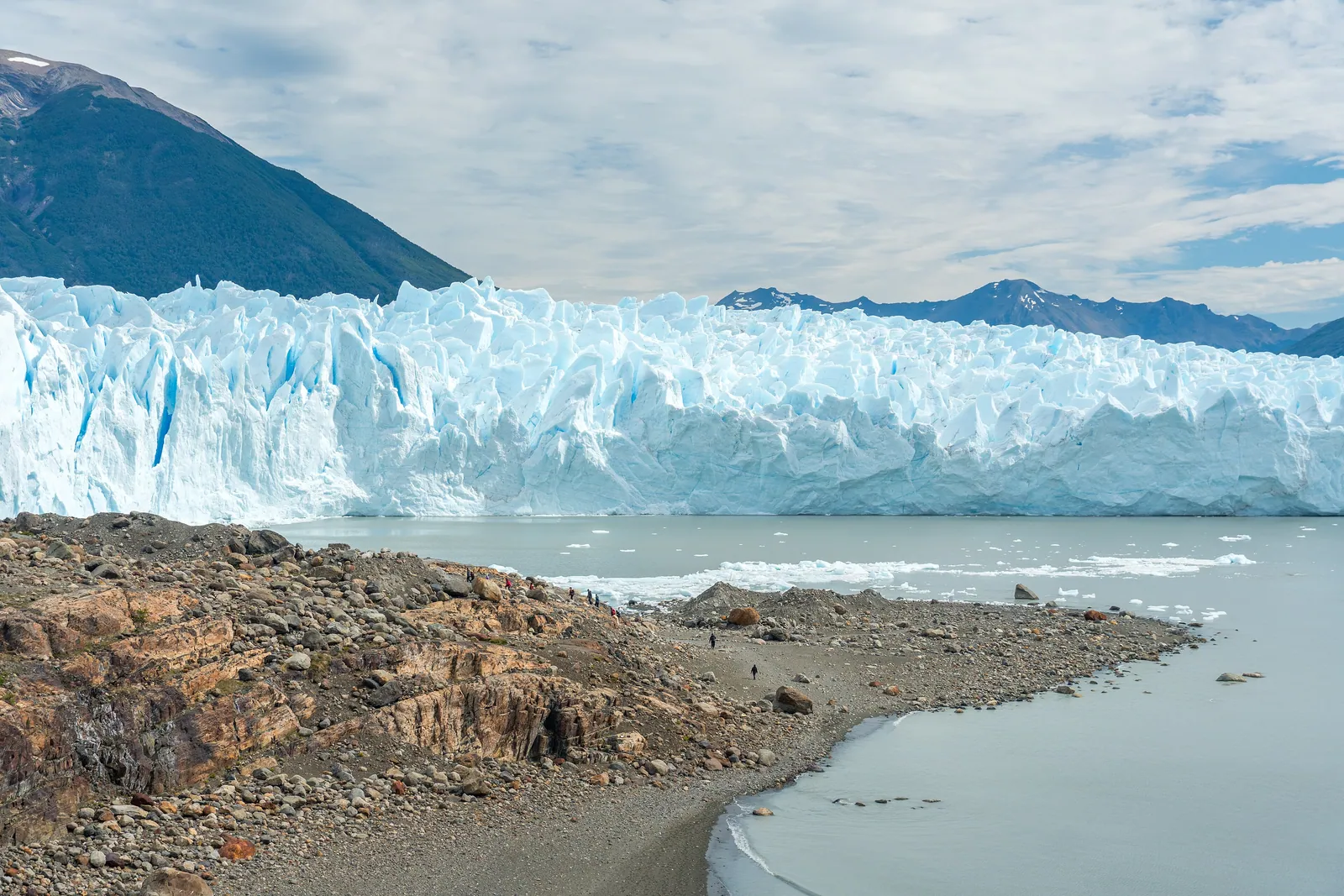
Torres del Paine, Season by Season
There is no single best time to visit Torres del Paine — only trade-offs. A clear-eyed look at the park through the southern year: daylight, wind, crowds, wildlife and what each season asks of a traveller.
Travellers planning a trip to Torres del Paine, in Chilean Patagonia, almost always ask the same question: when should I go? The honest answer is that the park has no perfect season, only a set of trade-offs between daylight, weather, wind, crowds and price. The right time depends on what you most want and what you are willing to accept in exchange.
Patagonia sits deep in the Southern Hemisphere, so its seasons are reversed: summer falls around December to February, winter around June to August. This guide walks through the park season by season — what each one offers and costs — so you can choose deliberately. It applies whether you visit independently or as part of the Patagonian leg of our Andes to Antarctica journey.
Summer (December to February): long days, strong wind, crowds
Summer is the high season, and for good reason. Daylight is generous — well over fifteen hours, with light lingering late into the evening — which gives long days for the big trails. Temperatures are at their mildest, the full network of refugios and services is open, and this is the most reliable window for the W and O treks.
The trade-offs are real, though. This is also when the Patagonian wind is at its strongest, so exposed sections can be genuinely demanding. The park is at its busiest, popular trails and viewpoints see crowds, and refugio beds must be booked many months ahead. Prices are at their peak. Summer suits travellers who want the longest days and the surest trekking conditions and will accept wind and company in exchange.
Autumn (March to May): colour, calm, shortening light
Autumn is a quietly favoured season among those who know the park. As temperatures cool, the southern beech forests — the lenga and nirre — turn deep red, orange and gold, and the park takes on a colour it shows at no other time. The wind tends to ease from its summer ferocity, and the crowds thin noticeably.
The cost is daylight and access. Days shorten steadily through the season, and by late autumn some services begin to wind down for winter, so itineraries need more care. Weather grows more changeable and cold returns. Early autumn — March into April — is often a sweet spot: still walkable, far quieter than summer, and lit by that turning forest.
Winter (June to August): silence, snow and limits
Winter transforms the park into a snow-dusted, deeply quiet landscape, with the towers and Cuernos often frosted and the crowds almost entirely gone. For photographers and for travellers who value solitude above all, it has a stark beauty the busy months cannot match.
It is also the most restricted season. Daylight is short, temperatures are cold, snow and ice affect the trails, and the long treks are generally not feasible in their usual form — the O Circuit in particular is a summer route. Many refugios close, and access is limited to shorter walks, viewpoints and wildlife drives, often with specialist operators. Winter rewards a specific traveller; it is not the season for a first trekking trip.
Spring (September to November): wildflowers, weather, fewer people
Spring is the season of renewal and, often, of unpredictability. Days lengthen quickly, wildflowers appear across the steppe, and the park reawakens with the crowds still light and prices below the summer peak. For wildlife it is a fine time: this is calving and birthing season for the guanacos, which in turn is an active period for pumas.
The catch is the weather, which in spring is at its most volatile — sun, rain, wind and snow can all arrive in a single day, and conditions on the higher trails can change fast. By late November the main trekking season is properly open. Spring suits travellers who want quieter trails, active wildlife and shoulder-season value, and who will meet changeable weather in good humour.
Choosing your season
Reduced to essentials: choose summer for the longest days and the most reliable trekking, and accept wind and crowds. Choose autumn for forest colour and calmer air, and accept shorter days. Choose spring for wildlife and quieter trails, and accept volatile weather. Choose winter only if snowbound solitude is the whole point and you are content with short walks rather than the great treks.
Whatever season you pick, two truths hold all year. First, the weather changes fast and a single day can deliver four seasons, so layered, windproof, waterproof clothing is essential always. Second, the marquee accommodation books out far ahead in every season but deep winter. On our journeys the timing, the refugios and the transfers are arranged with these trade-offs in mind, so the season you travel in is a deliberate choice rather than an accident of when a bed happened to be free.
Quick answers
What is the best time of year to visit Torres del Paine?
There is no single best time, only trade-offs. Summer (December to February) has the longest days and most reliable trekking but the strongest wind, biggest crowds and highest prices. Autumn brings forest colour and calmer air with shorter days. Spring offers active wildlife and quieter trails with volatile weather. Winter is for snowbound solitude and short walks only. Choose by what you most want.
Can I do the W or O trek outside the summer season?
The W can often be walked in shoulder seasons — late spring and early autumn — with cooler, more changeable weather and reduced services, and it is best confirmed with operators for your dates. The O Circuit is effectively a summer route, roughly November to March, because of snow on the John Garner Pass and limited northern refugios. Neither long trek runs in its usual form in deep winter.
Does the weather really change that much in one day?
Yes. Torres del Paine is famous for delivering sun, wind, rain and even sleet within a single day, in any season. This is a direct result of its far-southern, wind-exposed position. Whenever you visit, you should carry a layered clothing system with a windproof and waterproof shell, warm mid layers, and a hat and gloves, and be ready for conditions to shift quickly.
Let the reading become a route.
When an article sparks something, our planners are the next step. Tell us what you are dreaming of.