Travelling With the Weather, Not Against It
On a grand journey the sky is not an obstacle to be defeated but a partner to be read. Here is how experienced travellers stop fighting the weather and start working with it.
Most travellers treat weather as a verdict — a good day or a ruined one. The expedition mindset treats it as information. A sky is not for or against you; it simply tells you what today is best for, and a journey that listens will almost always find something worth doing.
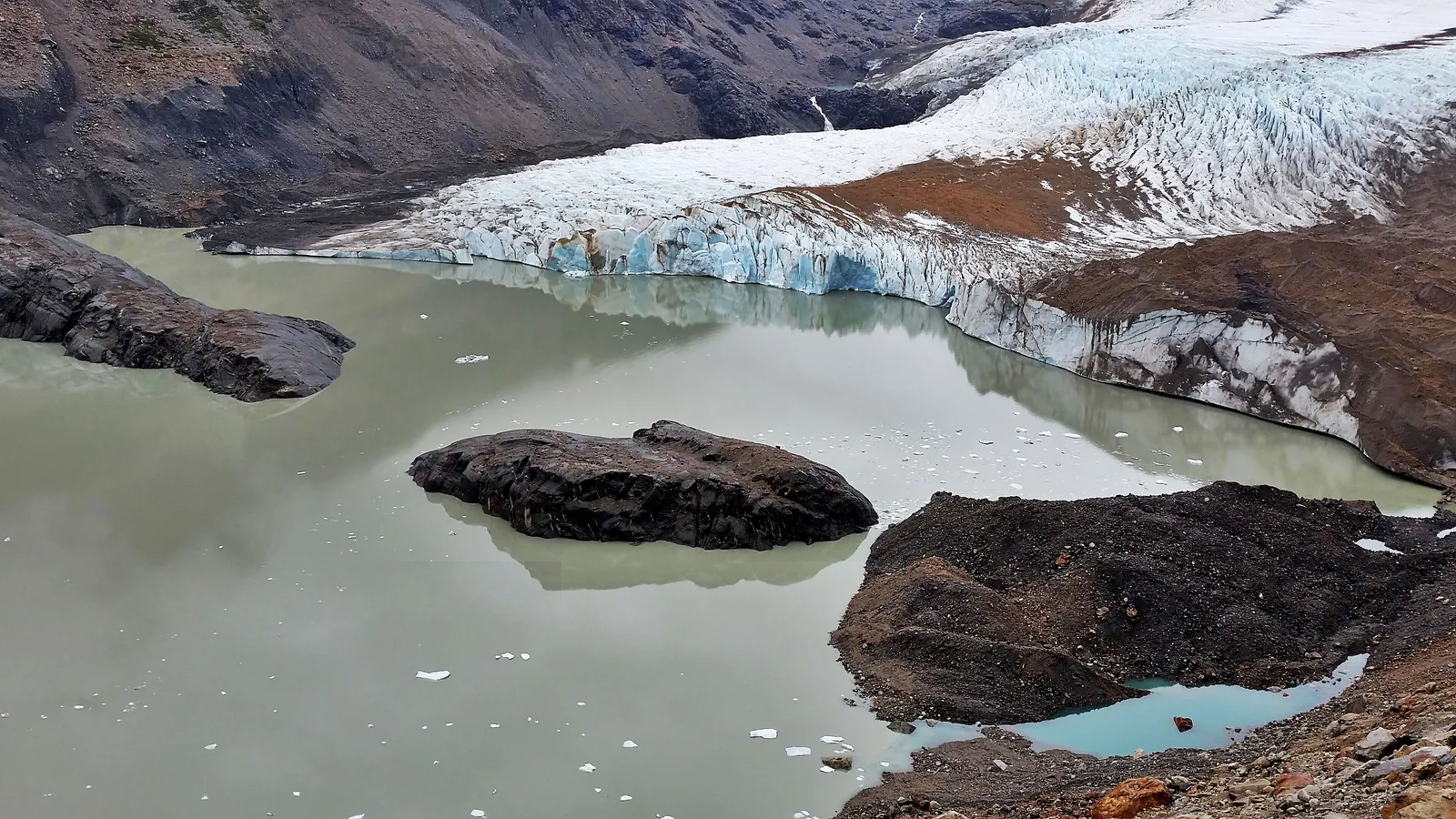
The shift is small but transforming. Instead of locking a plan to a date and hoping the clouds cooperate, you hold the plan loosely and let the conditions choose the order. The Torres del Paine massif on a clear morning and the same massif under driving rain are not a success and a failure. They are two different days, and both belong to the journey.
Why the calendar cannot promise a sky
A travel itinerary is built months ahead, on averages. Averages are useful — they tell you that Patagonian summer brings long daylight, or that the Atacama is reliably dry — but no average can tell you what Tuesday will look like. Weather is local, fast-moving and indifferent to bookings.
This matters most in the wildest places, and the wildest places are precisely where our journeys go. Patagonia can serve four seasons before lunch; the Drake Passage writes its own rules; a Himalayan valley can be clear at dawn and white by noon. Accepting that the calendar fixes the chapter but not the weather is the first honest step.
Reading the sky like a guide
Experienced guides do not consult a single forecast and call it settled. They watch the trend across several days, they note wind direction far more than temperature, and they pay attention to the sky in front of them — the lenticular cloud stacking over a peak, the way the light goes flat before a front.
You do not need their training to borrow their habit. Ask what the wind is doing and where it is coming from. Notice whether conditions are improving or decaying. A traveller who reads the sky as a moving story, rather than a fixed sentence, makes calmer and better decisions all day long.
Letting conditions choose the order of the day
The practical art is sequencing. When a journey holds a few interchangeable possibilities — a viewpoint, a valley walk, a town, a sheltered museum — the weather can decide which comes first. Clear morning: take the high view while it is offered. Front moving in: bring the indoor or low-altitude option forward and save the summit for the clearance behind it.
On The Pacific Arc and Beyond the Blue, where so much depends on sea state and light, this flexibility is the whole craft. Our guides routinely reshuffle a day at breakfast, spending the calm window on the water and the blowy afternoon ashore. Nothing is lost; the pieces are simply rearranged into the shape the day actually offers.
The gift of bad weather
A grey day is not a write-off, and seasoned travellers come to value it. Rain turns Patagonian waterfalls thunderous and the steppe a deep, saturated green. Mist gives the temple gardens of Kyoto a hush that midday sun never delivers. A storm over the Drake Passage is, for many, the most memorable hour of the entire crossing.
Difficult weather also clears the crowds, sharpens the air after it passes, and produces the dramatic light — shafts, rainbows, dark skies behind bright peaks — that calm blue days never will. The traveller who has made peace with weather discovers that the so-called bad days hold some of the journey's best.
Packing so the weather cannot stop you
Working with the weather requires being equipped for all of it. A reliable waterproof shell, warm mid-layers, a hat and gloves and proper footwear are not pessimism — they are what let you say yes to a walk when the sky turns. The traveller who is dressed for the day is rarely defeated by it.
Equally, build a small mental list of weather-proof pleasures before you need them: a long lunch, a market, a museum, a conversation with your guide about what the journey has been so far. When you are ready for any sky, the weather stops being something that happens to you and becomes something you simply travel alongside.
Quick answers
What happens to my itinerary if the weather is bad?
On an escorted journey it adapts rather than collapses. Our guides reorder the day to put weather-sensitive activities into the best windows and bring sheltered or low-altitude options forward when a front moves through. The chapters of the journey stay the same; their sequence flexes to match the sky.
Should I check the forecast obsessively before and during a trip?
Check it, but lightly. A forecast more than a few days out is a rough guide at best, and refreshing it hourly tends to create anxiety rather than information. Look at the trend, note the wind, and then trust your guide's local reading on the day — they combine the forecast with what the sky is actually doing.
Can a wild-weather destination still be enjoyable?
Often it is more enjoyable. Places like Patagonia, the Drake Passage and the Himalaya owe much of their drama to changeable weather. Storms, mist and clearing light create the scenes travellers remember most. Being properly equipped and mentally prepared turns rough weather from a disappointment into part of the experience.
Let the reading become a route.
When an article sparks something, our planners are the next step. Tell us what you are dreaming of.