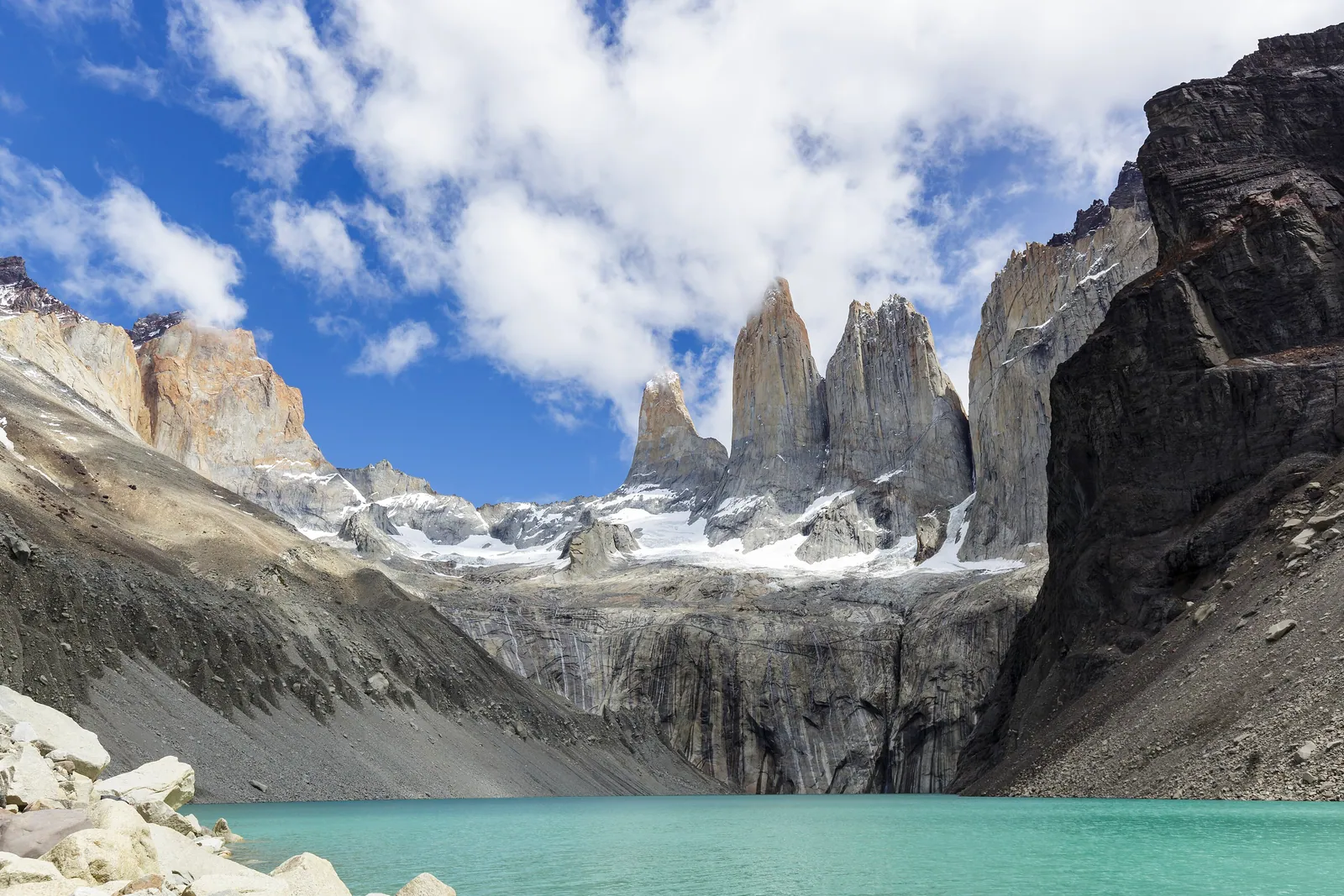
Walking Yourself Fit: The Everyday Method
You do not need a gym membership or a training app to prepare for a walking journey. You need the most natural exercise there is, done with a little structure. Here is how to walk yourself ready.
There is a quiet truth at the heart of expedition preparation: the best training for a walking journey is walking. Not running, not the gym, not a complicated regime — walking, done regularly and with a little intention. It is the most specific possible preparation, it is free, it suits almost every body, and it can be folded into a life that already feels full.
This article is for the traveller who finds formal training plans daunting or simply impractical. It sets out an everyday method: how to turn the walking you might do anyway into preparation that genuinely readies you for the trails of Andes to Antarctica, The Pacific Arc or The Long Way East. As with any increase in activity, if you have a health condition or have been inactive, check with your doctor before you begin.
Why walking is the ideal preparation
Training is most effective when it resembles the activity you are training for — a principle exercise scientists call specificity. For a walking journey, nothing resembles the goal more closely than walking itself. It trains the precise muscles, joints and movement patterns you will use on the trail, in the precise way you will use them.
Walking is also remarkably kind to the body. It carries a low risk of injury, places gentle and progressive load on joints, and can be sustained for the long durations that build genuine endurance. A traveller who simply walks more, and walks with gradually increasing challenge, will arrive at the start of a journey well prepared — without ever having set foot in a gym.
Building walking into an ordinary week
The everyday method begins with making walking the default. Walk the journeys you would otherwise drive or ride: the commute, the school run, the trip to the shops. Get off the bus a stop early. Take the stairs every time, everywhere — stairs are hill training hiding in plain sight. None of this feels like exercise, yet it steadily accumulates.
Then add intention. Three or four times a week, take a walk that exists purely as a walk: brisk enough that your breathing deepens, lasting at least thirty to forty-five minutes. Walk in the evening, at lunchtime, with a friend, with a podcast — whatever makes it likely to happen. Consistency is the whole game. A modest walk taken four times a week beats an ambitious one taken once.
The weekend long walk
The single most valuable habit in the everyday method is the weekend long walk. Once a week, take a walk noticeably longer than your midweek ones, and let it grow over time. If you start at an hour, add ten or fifteen minutes every week or two, building towards three or even four hours as your journey approaches.
Make this walk count by choosing terrain that resembles your destination: hills rather than flat, paths and trails rather than pavement, varied and uneven ground rather than smooth. The long walk is where endurance is built and where your feet, in particular, learn what a real day on the trail asks of them. Treat it as the anchor of your week and protect its place in your diary.
Adding challenge without adding complexity
As walking becomes easy, the everyday method keeps you progressing through three simple levers, applied gradually and one at a time. Add distance: let your walks run longer. Add gradient: seek out hills, steps and slopes, which build the legs far faster than flat ground. Add load: carry the daypack you intend to take on your journey, starting nearly empty and adding a little weight each week.
These three adjustments — longer, steeper, heavier — are all the progression most travellers need. They require no equipment beyond a pack and good footwear, and no expertise. The art is patience: change one thing at a time, give your body a week or two to absorb it, and resist the urge to leap ahead. Steady progression is what prevents the niggles that derail training.
Listening to your body and your feet
Walking is low-risk, but it is not no-risk, and the everyday method depends on paying attention. Some muscle tiredness after a long walk is normal and welcome. Sharp or persistent pain in a joint, a tendon or the sole of the foot is a signal to ease back, rest, and seek advice if it does not settle. Trained-then-recovered is the pattern you want; steadily-more-sore is not.
Pay particular attention to your feet, because they will carry the whole journey. Use the long walks to confirm your footwear fits and your socks suit you, and to learn where hot spots form so you can address them before they become blisters. A traveller who has walked themselves fit arrives with strong legs, durable feet and the simple, settled confidence of having already done, many times, the very thing the journey asks.
Quick answers
Is walking really enough, or do I also need strength training?
For most of our moderate journeys, regular walking that includes hills and a loaded pack is genuinely enough — hill walking with weight is itself effective leg strengthening. That said, a little dedicated strength work for the knees, ankles and core is a worthwhile addition, especially if your journey has long descents or you have a history of joint trouble. Walking is the foundation; strength work is a useful complement, not a substitute.
How many steps a day should I aim for?
Step counts are a helpful prompt rather than a precise prescription. Building towards seven to ten thousand steps on most days is a reasonable everyday target, but for journey preparation the quality of walking matters more than the raw count: a long, hilly, weighted walk prepares you far better than the same number of flat steps around the house. Use a step count to stay honest, not as the whole plan.
I live somewhere completely flat. How do I train for hills?
Flat terrain is a real limitation but a solvable one. Stairs are excellent hill substitutes — find a tall building, a stadium or a multi-storey car park and walk up and down repeatedly. A treadmill set to an incline works well. Even motorway footbridges, canal-bank ramps and the longest gentle rises you can find add up. Failing all else, carrying a heavier pack on flat ground partly mimics the extra effort of a climb.
Let the reading become a route.
When an article sparks something, our planners are the next step. Tell us what you are dreaming of.