When the Light Is Best: A Traveller's Guide to Seasonal Light
Light is the most overlooked variable in timing a journey. How the sun's angle, the season and the latitude shape what you see — and how to choose months and hours when the world looks its finest.
Most travellers time a journey by temperature and rainfall. Fewer think about light — yet light is what you actually experience. The same valley, temple or dune looks ordinary under a harsh midday sun and extraordinary an hour after dawn, and the difference between seasons can be just as great as the difference between hours.
The short version: the best light comes when the sun sits low in the sky. That happens early and late in the day everywhere, and it happens for longer stretches in the shoulder seasons and at higher latitudes. If how a place looks matters to you — and on a once-in-a-lifetime journey it should — then light is worth planning for, not just hoping for.
Why a low sun is a kind sun
When the sun is high overhead, its light travels a short, direct path through the atmosphere. It is bright, bluish-white and almost shadowless — the harsh, flattening light of tropical noon. Colours wash out, contrast turns brutal, and a landscape looks its plainest.
When the sun is low, its light passes through far more atmosphere, which scatters away the blue and leaves the warm tones behind. The result is the soft, golden, long-shadowed light that flatters almost everything: it models terrain, deepens colour and gives the world dimension. This is why the hour after sunrise and the hour before sunset — the golden hours — are the photographer's standby, and why a thoughtful itinerary puts you in the right place at those times.
The season changes the light too
Latitude and season decide how high the sun ever climbs. In high summer the midday sun is steep and the harsh-light window long; in spring and autumn the sun rides lower even at noon, so the flattering golden quality extends across more of the day. Winter light is lower still, though daylight is short.
This is a quiet argument for shoulder-season travel. Spring and autumn are not only kinder for crowds and prices — they bathe a landscape in better light for more hours. Autumn in particular, with its low amber sun and the turning leaves of a place like Kyoto, is one of the loveliest light seasons anywhere, which is part of why The Long Way East is timed to catch it.
Latitude, day length and the polar light
The farther you travel from the equator, the more dramatically day length swings with the season — and the more remarkable the light can become. Near the poles in summer the sun barely sets, circling low for hours and stretching the golden hour into a golden evening that lasts most of the night.
On Andes to Antarctica, a peninsula voyage in the austral summer brings 20 hours or more of usable light, much of it low-angled and beautiful. In the tropics, by contrast, day length hardly changes and the sun climbs steeply, so the good light is concentrated into short windows at dawn and dusk. Knowing which kind of light a destination offers helps you plan the rhythm of each day.
Light in deserts, mountains and on the water
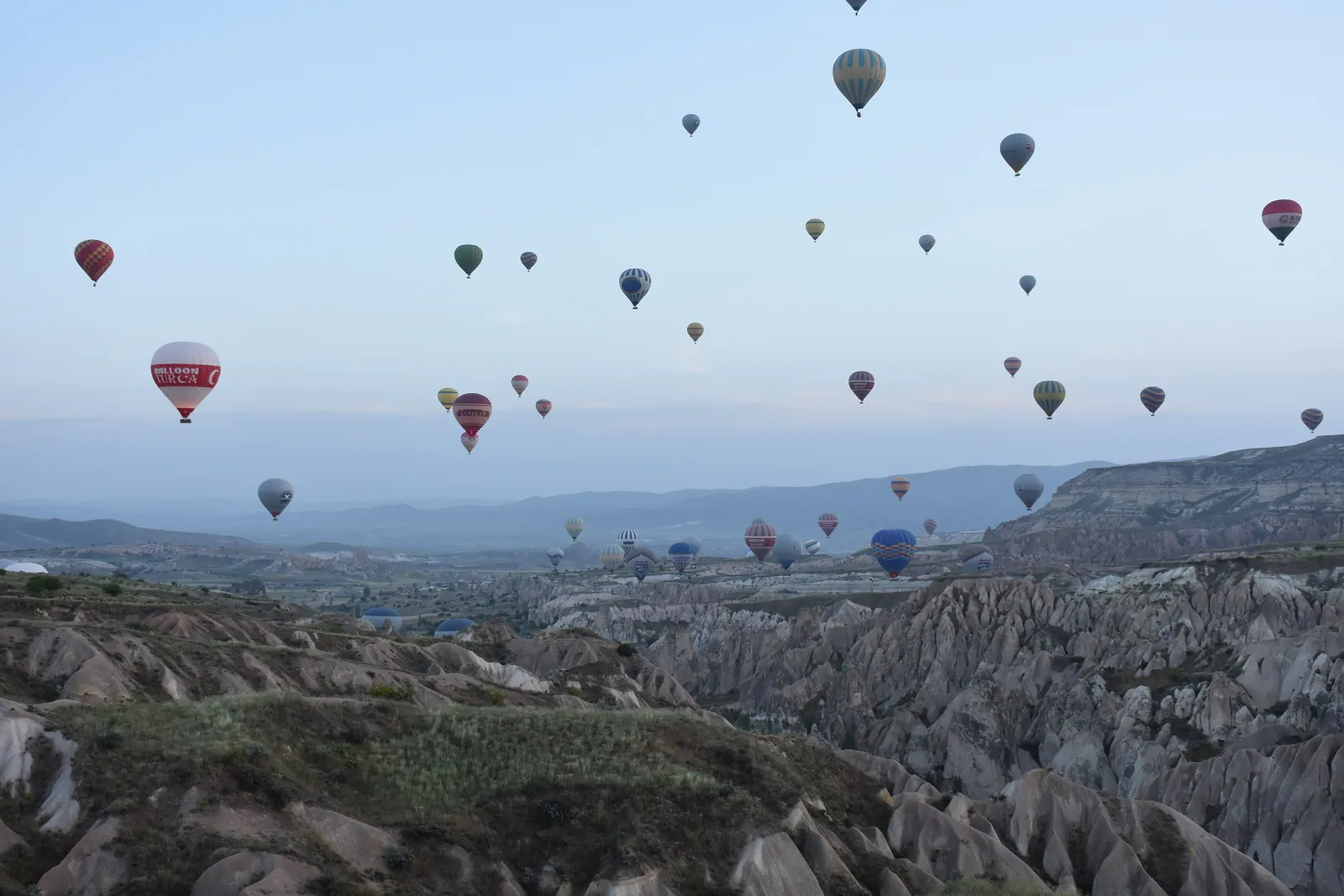
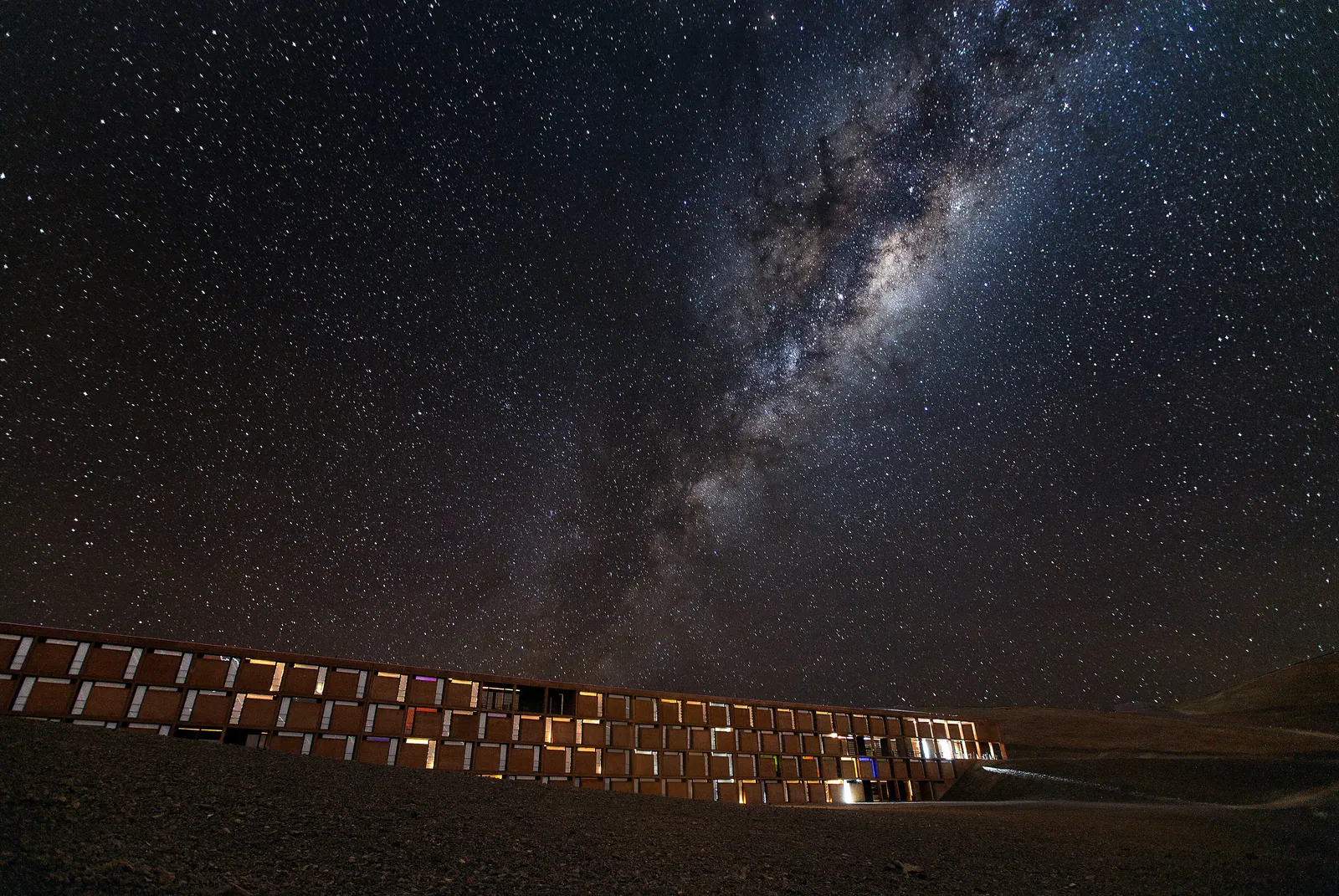
Different landscapes handle light in their own ways. Deserts and salt flats are about clarity and shadow: low sun rakes across dunes and rock to reveal every ripple and ridge, which is why dawn at a place like the Atacama or a balloon ascent over the rock spires of Cappadocia is timed for first light. The Uyuni salt flat adds a mirror, doubling whatever the sky is doing.
Mountains are about the alpenglow — the moment at sunrise or sunset when low light strikes high peaks and sets them briefly aflame while the valleys stay in shadow. Water and snow are about reflection and glare, gentle in low light and dazzling at noon. In every case the principle holds: arrive early, stay late, and let the low sun do the work.
Building light into a journey
Good itineraries are quietly organised around light. Dawn starts at the great sites are not a hardship invented to fill the day; they place you there in the best light and, often, the smallest crowds. Late-afternoon viewpoints, sundowner stops on safari, a temple kept for the end of the day — these are timing decisions about light as much as anything else.
When you plan a journey, you can think the same way at the larger scale: a shoulder-season departure for longer golden hours, a high-latitude leg for the lingering polar light, the right month for autumn colour or spring blossom. Tell us if photography or simply seeing places at their most beautiful is a priority, and we will weight the daily rhythm and the departure date toward the light.
Quick answers
When is the best light for photography on a journey?
The golden hours — roughly the first hour after sunrise and the last before sunset — give the warm, soft, long-shadowed light that flatters most landscapes, because a low sun scatters away harsh blue tones. Midday light is bright but flat and contrasty. Across the seasons, spring and autumn keep the sun lower for longer, extending the good light, which is one reason shoulder-season departures are rewarding.
Why do so many itineraries start before dawn?
Dawn starts put you at a site during the best light of the day and usually before the crowds arrive. A low morning sun models terrain, deepens colour and gives landscapes depth that the flat overhead light of midday cannot. Early starts at places like Machu Picchu, the Atacama or the balloon launches of Cappadocia are timing decisions made for the light, not arbitrary scheduling.
How does latitude affect the light I will see?
The farther from the equator, the more day length and the sun's angle change with the season. Near the poles in summer the sun barely sets, stretching golden light across many hours — as on an Antarctic voyage. In the tropics, day length hardly varies and the sun climbs steeply, so the finest light is concentrated into short windows at dawn and dusk. Each calls for a different daily rhythm.
Let the reading become a route.
When an article sparks something, our planners are the next step. Tell us what you are dreaming of.