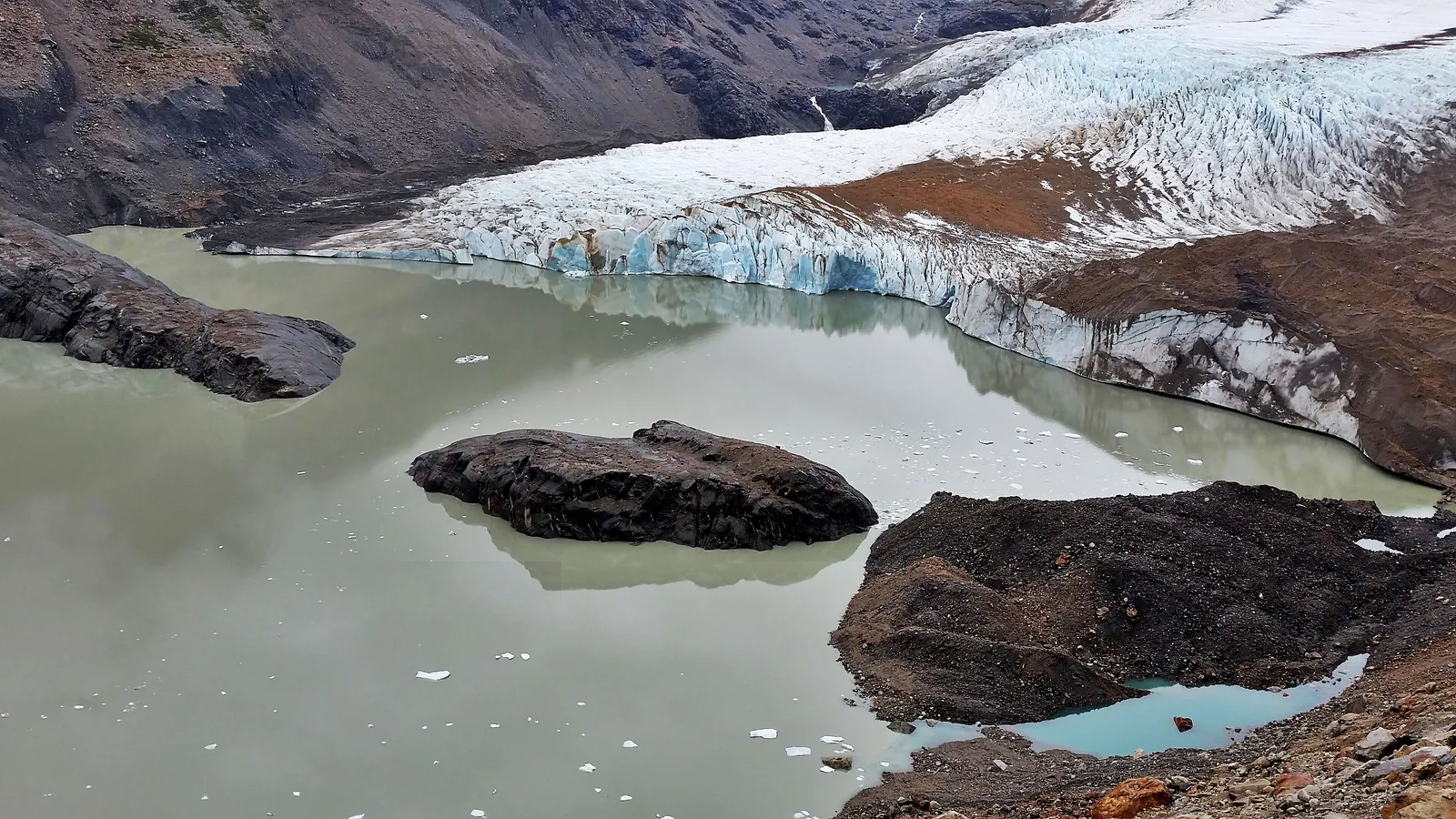
When the Plan Changes — and Why That Is Often the Best Part
A changed plan is the moment most travellers brace for disappointment. Veterans of long journeys have learned the opposite reflex — because the detour, the delay and the diversion are where so many of the best stories begin.
There is a moment on every grand journey when the plan you were promised quietly becomes a different plan. A pass closes. A landing is called off. A road washes out and the day reroutes. The instinct is to feel the trip slipping.
But ask anyone who has travelled long and far for their favourite memory, and it is rarely the thing the brochure promised. It is almost always the thing that happened instead. Changed plans are not the journey going wrong. Very often they are the journey going somewhere better than anyone could have booked.
Why plans change on a real journey
On a wild, far-reaching journey, change is not the exception; it is the operating condition. Weather shifts, sea state turns, borders slow, wildlife moves, a road gives way after rain. None of this is a planning failure. It is simply what it means to travel through living systems rather than around them.
It helps to expect this from the outset. A journey across the Andes, the oceans, the steppe and the high passes is moving through country that answers to nature, not to itineraries. The printed plan is the best intention, formed in advance. The real journey is what that intention meets when it arrives — and the meeting is the point.
The detour as discovery
A diversion takes you, by definition, somewhere you did not plan to go — and somewhere you would otherwise never have seen. The valley reached because the main route was closed. The town where a weather hold left you for an extra night. The unscripted afternoon when an excursion fell through.
These are the places that escape the highlight reel precisely because nobody chose them. On The Pacific Arc or The Great Rift, a guide rerouting around weather or conditions often opens a stretch of country no standard itinerary includes. The detour is not the journey minus a sight. It is the journey plus a place — one you came upon rather than queued for.
Why the unplanned moment lands hardest
There is a reason the diversion so often becomes the favourite memory. An expected highlight arrives pre-framed: you have seen the photographs, you know what you are meant to feel, and the real thing competes with an image already in your head. An unplanned moment arrives with no script at all.
Without expectation, attention sharpens. You notice more, because you were not braced for anything in particular. The condor on the rerouted road, the festival you stumbled into, the storm watched from a lodge you reached only because the original plan failed — these land with full force because nothing prepared you for them. Surprise is a kind of intensity.
Travelling well through a change of plan
The skill is the speed of the turn — how quickly you let go of the day you expected and engage with the day you have. Travellers who struggle tend to spend the changed day mourning the printed one, comparing every hour to a plan that is no longer happening. Travellers who do well close that book and open the new one.
Curiosity is the practical tool. When the plan changes, ask your guide what the new shape of the day is and what it makes possible. Treat the change as a fresh set of options rather than a loss, and the day reorganises itself in your mind from a disappointment into an opportunity — which, more often than not, is what it actually is.
Trusting the people who change the plan
A changed plan is almost never random. When a guide reroutes a day or stands down an activity, they are making a deliberate decision with information you do not have — a worsening forecast, a deteriorating sea, a hazard on the road ahead. The change is the expertise working, not failing.
This is the deeper case for an escorted journey: not that nothing goes wrong, but that when it does, experienced people turn the disruption into the best available day. The travellers who get the most from a grand journey are the ones who, when the plan changes, lean in with trust and curiosity — because that is exactly where the best stories tend to begin.
Quick answers
Why do plans change so often on a grand journey?
Because a wild, long-distance journey moves through living systems — weather, sea state, wildlife, borders, roads — that no itinerary can control. Change is the normal operating condition of expedition travel, not a planning failure. The printed plan is the best intention; the real journey is what that intention meets on the ground.
Will a changed plan ruin my trip?
Rarely, and often the reverse. Diversions take you to places no standard itinerary includes, and unplanned moments tend to land harder than expected highlights because nothing pre-frames them. Travellers who let go of the planned day quickly, and engage with the new one, frequently find the changed day becomes a favourite.
How should I respond when a guide changes the day's plan?
With curiosity and trust. A change normally means the guide is acting on information you do not have — a worsening forecast, a hazard, deteriorating conditions. Ask what the new shape of the day is and what it makes possible. Treating the change as a fresh set of options rather than a loss transforms how the day feels.
Let the reading become a route.
When an article sparks something, our planners are the next step. Tell us what you are dreaming of.