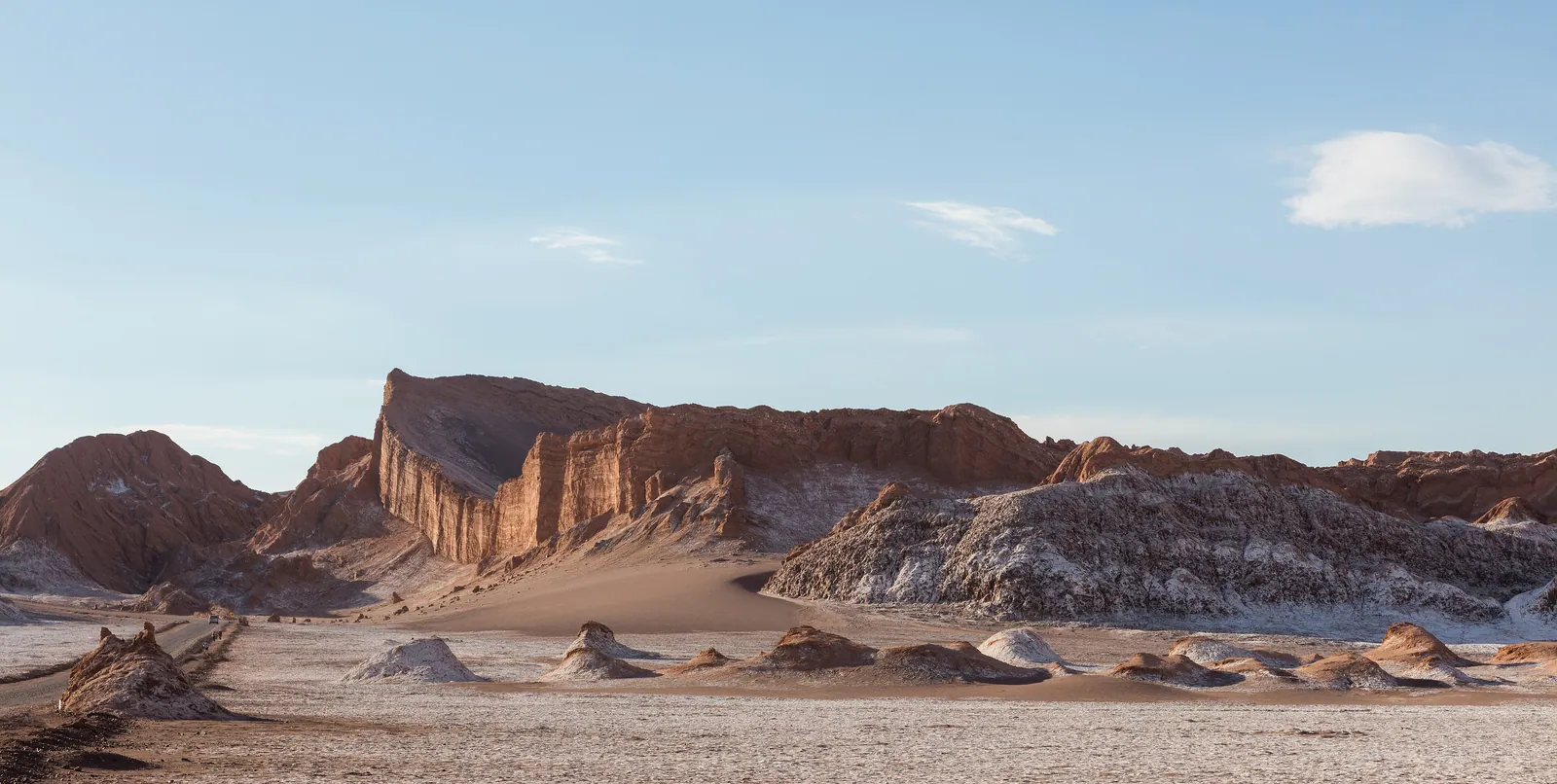
When to Visit the Atacama: A Season-by-Season Guide
The Atacama is a rare year-round destination — but each season has its own character. A month-by-month look at temperature, the brief summer rains, the night sky and the crowds, to help you choose well.
The short answer is that the Atacama Desert can be visited at any time of year. Its defining quality — being the driest non-polar desert on Earth, with more than 300 clear nights a year — means there is no true off-season and no month when the desert closes for weather.
But year-round is not the same as identical. Temperature, the brief summer rains, the darkness of the sky and the number of fellow travellers all shift through the year. This is a season-by-season guide to those differences, so you can match the timing of an Atacama visit to what you most want from it.
The shoulder seasons: April–June and September–November
If there is a best time to visit the Atacama, it is the shoulder seasons on either side of winter. From April to June, and again from September to November, daytime temperatures are at their most comfortable, the skies are reliably clear and dry, and the brief summer rains are absent. Nights are cold but not severe.
These months also fall outside the busiest holiday periods, so San Pedro de Atacama and its excursions feel calmer. For a traveller who wants the desert at its most temperate and its excursions — El Tatio at dawn, the altiplanic lagoons, Valle de la Luna — running smoothly, the shoulder seasons are the natural choice, and the window we most often build grand journeys around.
Southern summer: December–February
December to February is the southern summer, and the Atacama is at its warmest by day — pleasant for the lower excursions, though the desert sun is fierce and demands real sun protection. This is also peak holiday season in Chile, so San Pedro is at its liveliest and busiest, and lodges book up well ahead.
Summer carries one genuine caveat: the invierno boliviano, or Bolivian winter. Despite the name, this is the season when occasional thunderstorms build over the high Andes and altiplano, bringing brief downpours and even snow at altitude. The desert as a whole stays dry, but these storms can temporarily close high roads and disrupt excursions such as El Tatio and the altiplanic lagoons. A well-built itinerary keeps some flexibility in the schedule for exactly this reason.
Southern winter: June–August
Winter in the Atacama is bright, dry and clear by day, with crisp, comfortable afternoons under a strong sun. The trade-off comes after dark: at this altitude, winter nights are genuinely cold, often well below freezing, and the pre-dawn start for El Tatio is at its most bitter. Proper layers are essential year-round but never more so than now.
Winter has real rewards, though. The air is at its most stable and transparent, and the dark, dry skies are superb for stargazing. Outside the July holiday peak, the desert is also quieter. For travellers who do not mind cold nights and pack accordingly, winter offers the Atacama at its most luminous.
Choosing by what you want most
Let your priority guide the month. For the most comfortable all-round conditions and smooth-running excursions, choose the shoulder seasons. For the warmest days and the liveliest village atmosphere, choose summer — and accept a small chance of weather disruption from the Bolivian winter. For the clearest, darkest skies and a quieter desert, winter is hard to beat, provided you are ready for the cold.
One factor cuts across all seasons: the Moon. The desert's stargazing is finest on the nights around the new Moon, when the sky is darkest. If a night under the stars is central to your trip, it is worth checking the lunar calendar and timing your visit accordingly — the phase of the Moon often matters more than the month of the year.
How a grand journey schedules the Atacama
On Andes to Antarctica and The Pacific Arc, the Atacama Desert leg sits within a much longer route, and its timing is set by the journey as a whole — but the desert's reliability is precisely what makes it such a dependable link in that chain. There is no season in which the Atacama derails an itinerary.
Within the leg, the ordering still follows the seasons of the day rather than the year: a gentle Valle de la Luna sunset early on while the body adjusts to altitude, the demanding El Tatio dawn and the high altiplanic lagoons saved for later in the stay, and a clear, dark night set aside for the sky. Whatever month you arrive, the Atacama is paced from within to be enjoyed, not endured.
Quick answers
What is the best time of year to visit the Atacama Desert?
The Atacama is a year-round destination thanks to its reliably clear skies, but the shoulder seasons — April to June and September to November — bring the most comfortable temperatures and smooth-running excursions. The southern summer is warmer by day but is the season of the brief 'Bolivian winter' rains, which can occasionally disrupt high-altitude trips. Winter days are bright and pleasant, though nights are very cold.
Does it rain in the Atacama, and when?
Rarely. The Atacama is the driest non-polar desert on Earth. The main exception is the invierno boliviano, or Bolivian winter, of the southern summer (December to February), when occasional thunderstorms build over the high Andes and altiplano. The desert overall stays dry, but these storms can briefly close high roads and disrupt excursions such as El Tatio, so summer itineraries should keep some flexibility.
When is the best time for stargazing in the Atacama?
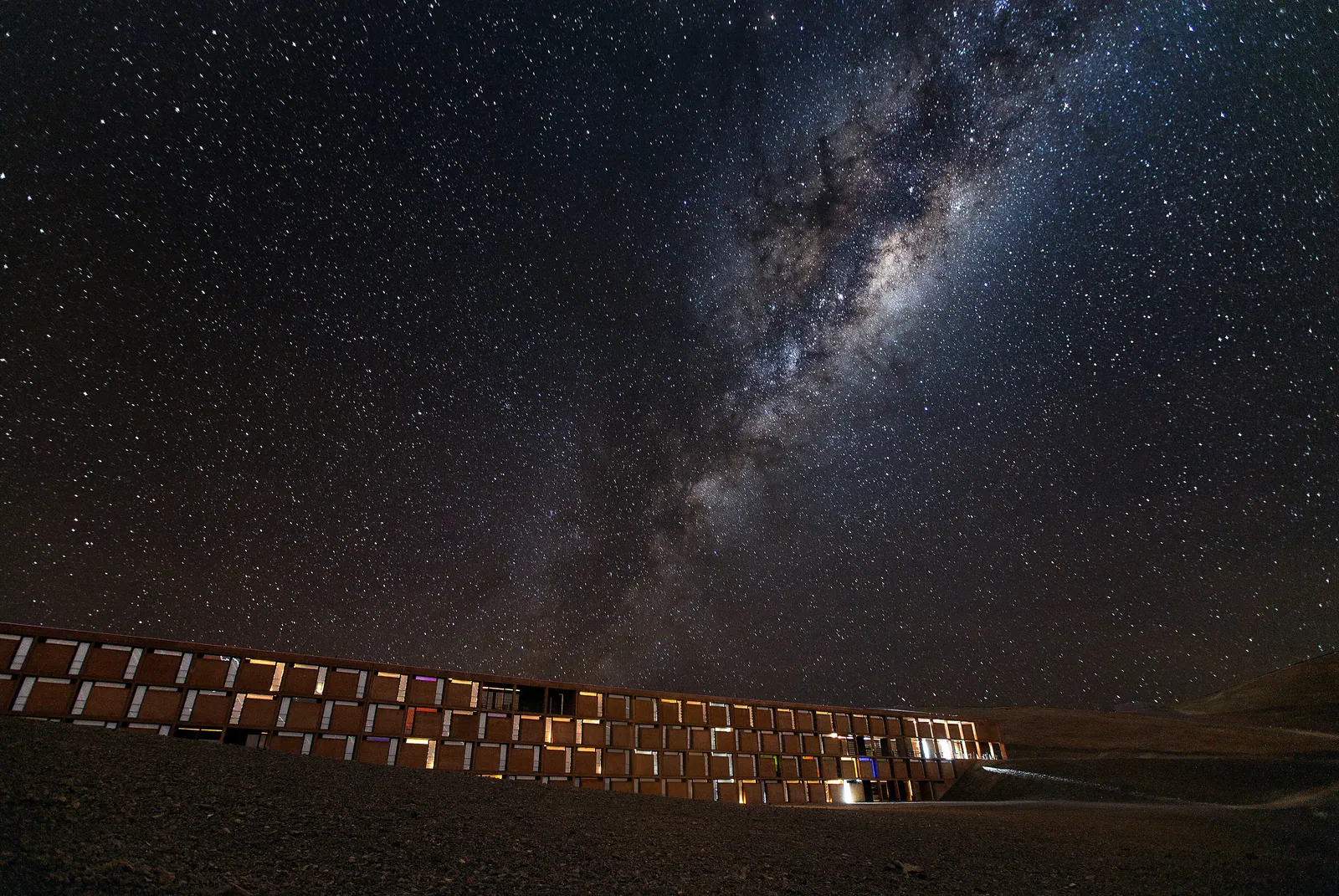
The Atacama has clear, dark skies in every season, so the most important factor is not the month but the Moon. The sky is darkest, and faint objects like the Milky Way and the Magellanic Clouds clearest, on the nights around the new Moon. Winter offers especially stable, transparent air. If a night under the stars is central to your visit, plan it around the lunar calendar.
Let the reading become a route.
When an article sparks something, our planners are the next step. Tell us what you are dreaming of.