Beyond the Blue — a grand journey from The Atacama Desert, Chile to The edge of space
Grand Journey 06

Beyond the Blue

Thirty days to the planet’s extremes and past them — the darkest skies, the deep ocean, the polar night, Antarctica, and a crewed balloon flight to the edge of space.

Sea level → 35 km above it

30Days, escorted
4Countries
6Chapters
9.0kKilometres
The route

For five grand journeys we have travelled the long way around the world, on the quiet conviction that the far side of the Earth is best reached slowly. Beyond the Blue begins from a different idea: that “the other side of the world” was always only the beginning. The horizon was never the limit — it was the doorway.

This journey reaches for the planet’s edges and the thin places just past them. It descends a kilometre into the dark of the open Pacific in a crewed submersible; it stands beneath the clearest night skies on Earth and inside the long Arctic polar night; it sails the ice of Antarctica; and it ends with a slow, silent ascent by pressurised balloon to roughly 35 kilometres — high enough to see the curve of the Earth and the black of space above a blue so thin it looks painted on.

We are honest about what this is and is not. There is no orbital spaceflight here, no fiction. Every stage is something that experienced operators do today or are bringing into service now: world-class observatories, certified deep-sea submersibles, polar expedition ships, and stratospheric balloon capsules of the kind already flying. Beyond the Blue is visionary, but it is built entirely from the real.

AtacamaThe Deep OceanThe Polar NightThe PolesEdge of SpaceThe Cosmos

The Atacama Desert, Chile  →  The edge of space

Chapter by chapter

The journey, told the way it is travelled.

Scroll east through every leg of the route — drag, swipe or use the arrows. Each chapter is a place, a story, and where you sleep.

The Darkest Skies — Atacama Desert, ChileDays 1–6
Atacama Desert, Chile · 23°S 68°W

The Darkest Skies

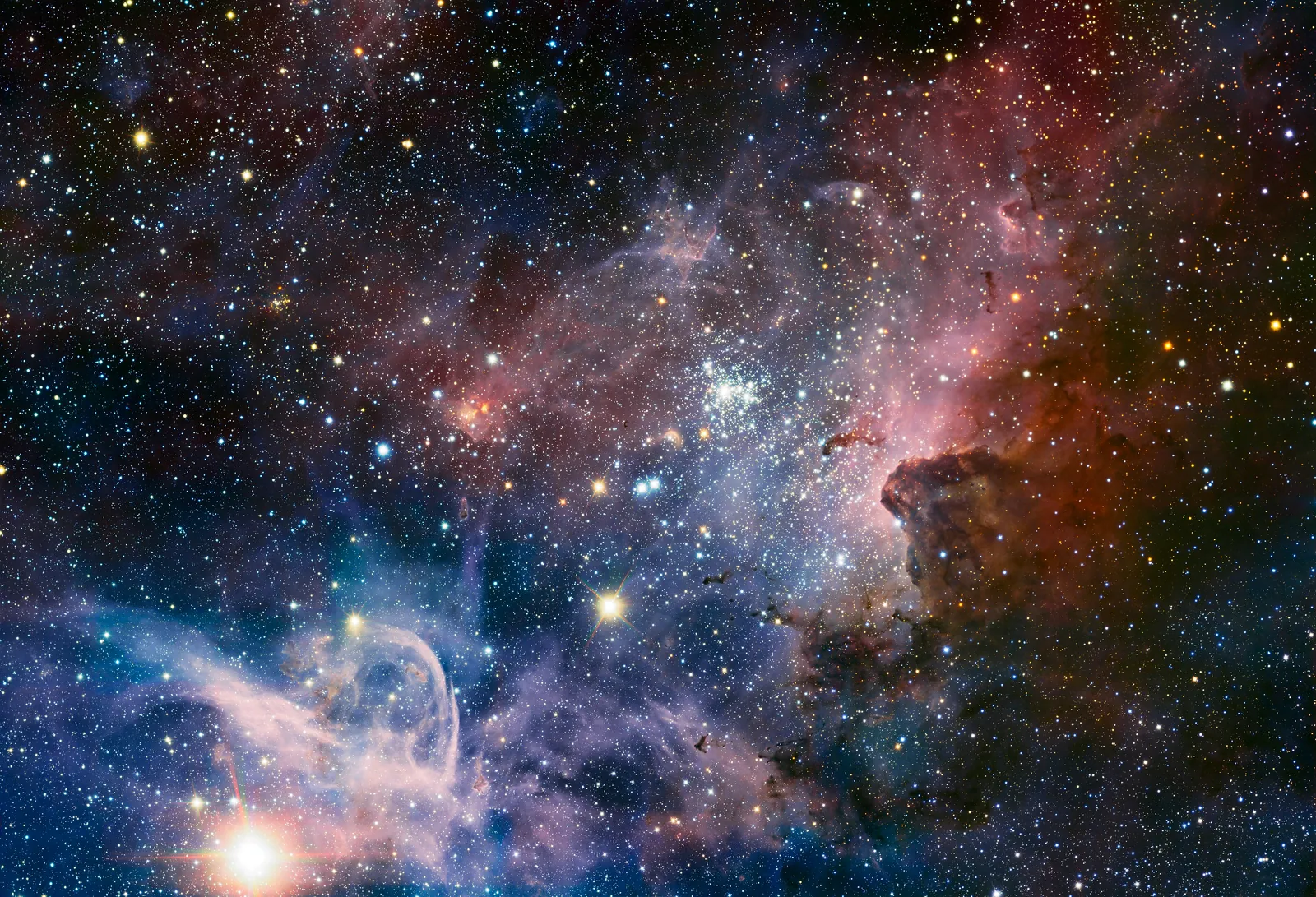
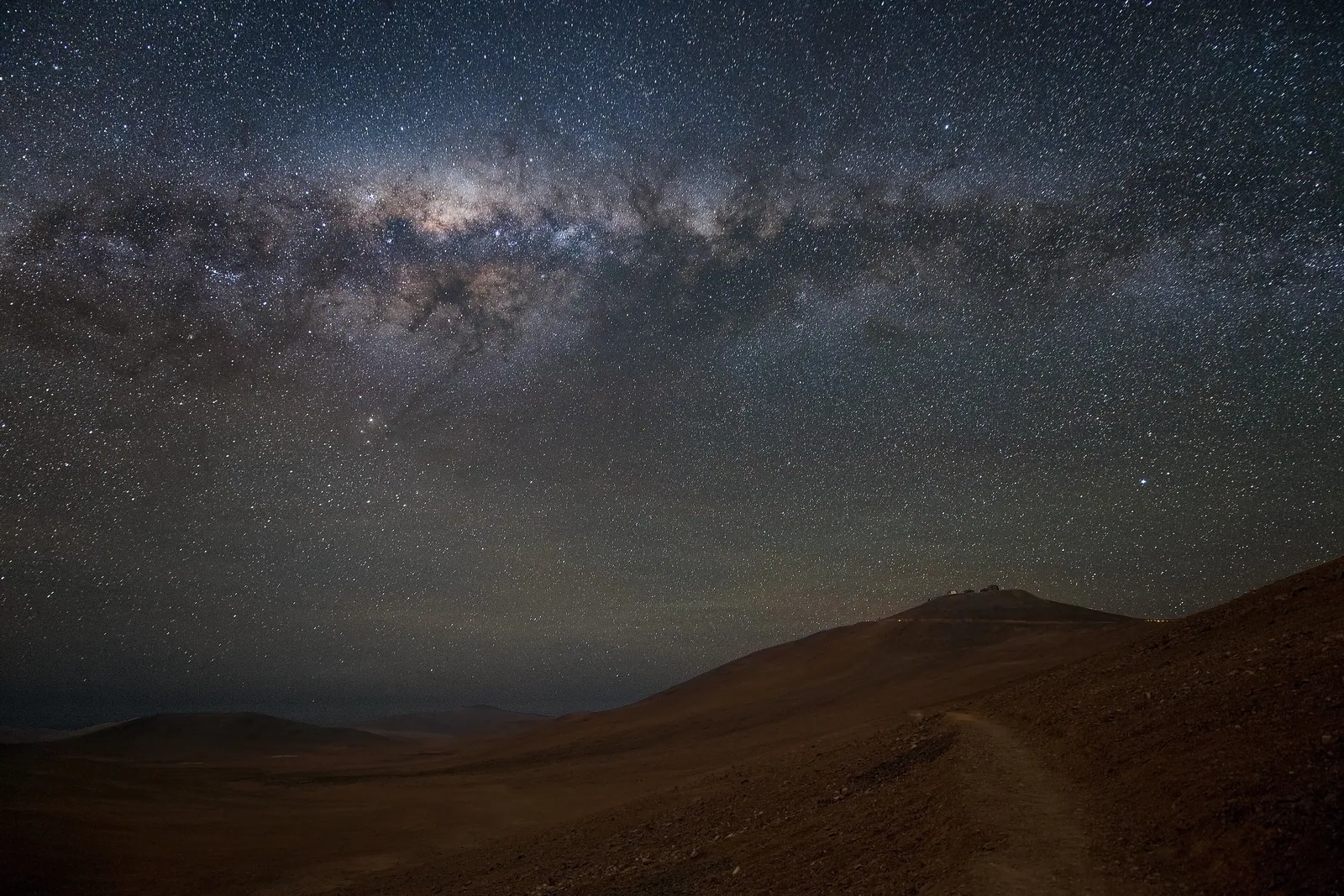
The journey opens in the Atacama, the driest desert on Earth and home to the clearest, darkest skies anywhere — the reason the world builds its great observatories here. You acclimatise to altitude, learn to read the southern sky, and spend nights at professional and visitor telescopes where the Milky Way casts a shadow. It is the right beginning: before you go to the extremes, you learn to look up.

Elevation2,400 m
Clear nights≈ 330 per year
SkyBortle 1 — pristine
The Deep Ocean — The open PacificDays 7–12
The open Pacific · —

The Deep Ocean

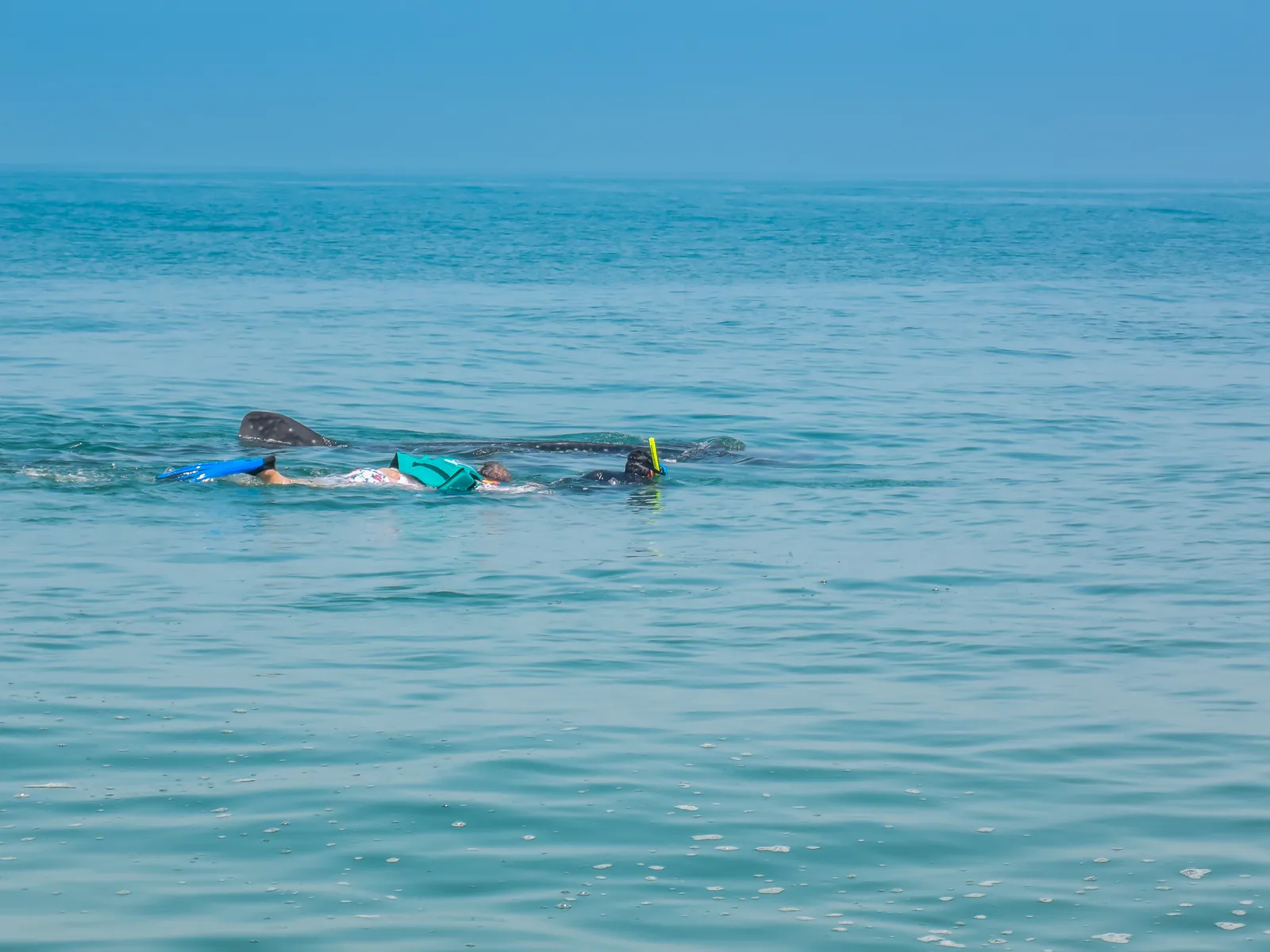
From the highest dry place you go to one of the deepest dark places. Aboard a support vessel in the open Pacific, you descend by certified crewed submersible into the bathyal zone — past the last of the sunlight, roughly a kilometre down, where the only light is the cold blue glow of the animals themselves. Each pilot-led dive carries a small crew; the descent is slow, narrated, and unforgettable.

Depth≈ 1,000 m
ZoneBathyal — the midnight zone
LightBioluminescence only
The Polar Night — Arctic NorwayDays 13–17
Arctic Norway · 69°N 18°E

The Polar Night

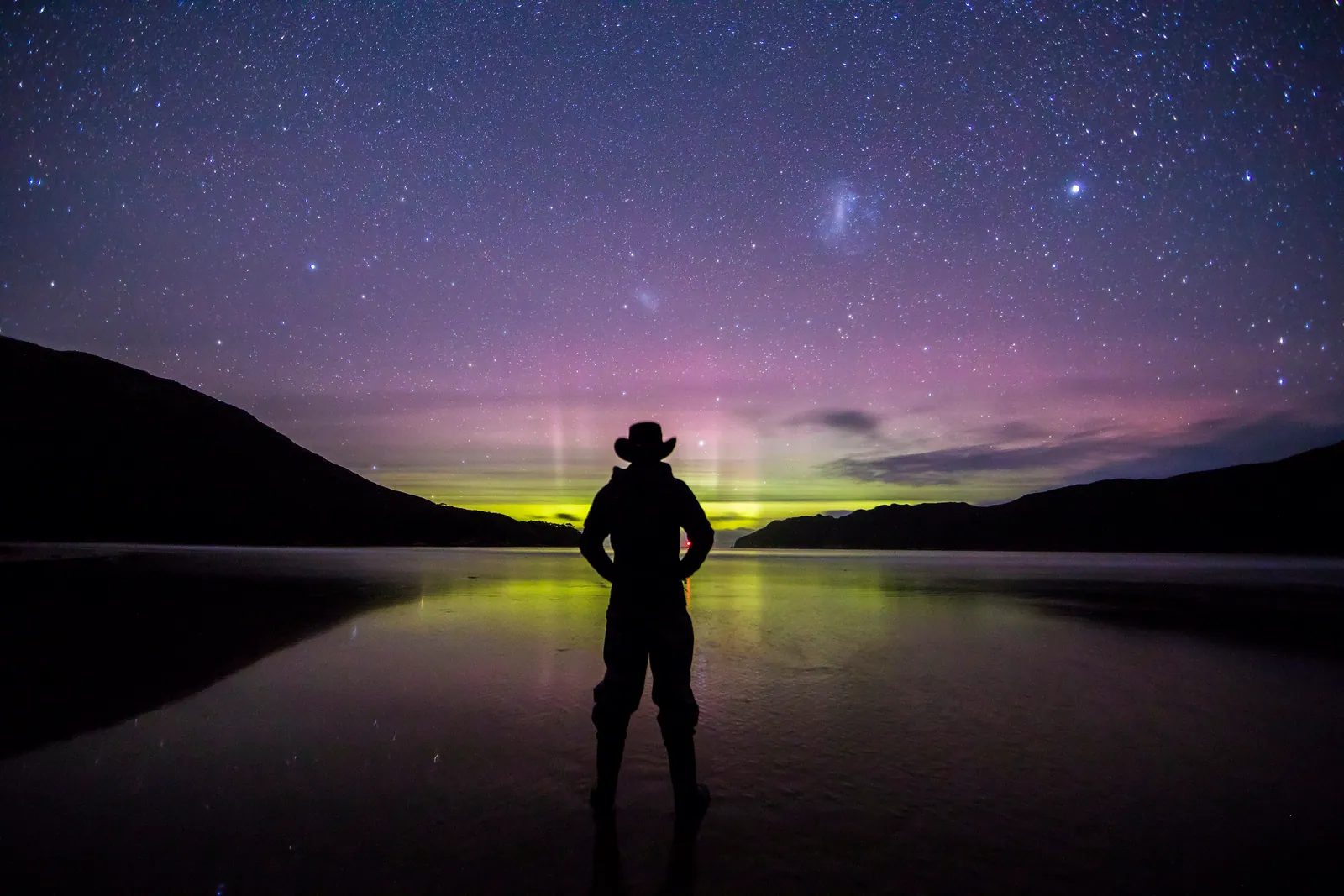
North to Arctic Norway and into the polar night — the weeks each winter when the sun never clears the horizon and noon is a long blue dusk. Under that darkness the aurora burns overhead, green and shifting, while you travel by sled and small ship between the fjords. It is a rehearsal in stillness for the cold journeys to come.

Latitude69° North
DaylightPolar night — no sunrise
SkyAurora borealis
The Frozen Poles — AntarcticaDays 18–24
Antarctica · 70°S

The Frozen Poles

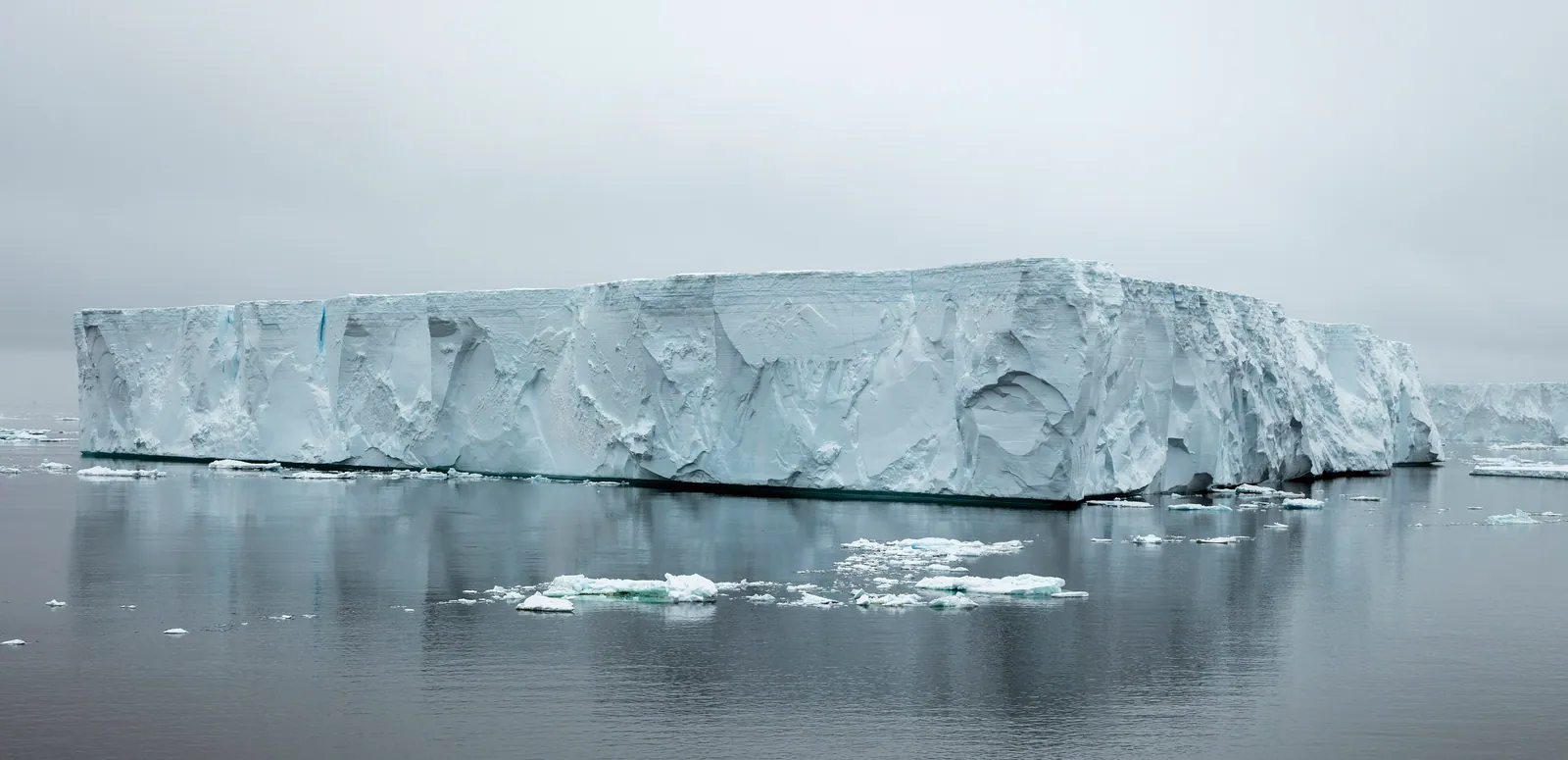
By expedition ship across the Southern Ocean to the white continent itself. Antarctica in the austral summer is a place of constant light, vast silence and a scale that resets the eye — tabular icebergs, glaciers calving into still water, and colonies of penguins and seals along the peninsula. You travel as guests of the ice, leaving nothing behind.

Latitude≈ 70° South
SeasonAustral summer
ContinentAntarctica
The Edge of Space — The stratosphereDays 25–28
The stratosphere · 35 km altitude

The Edge of Space

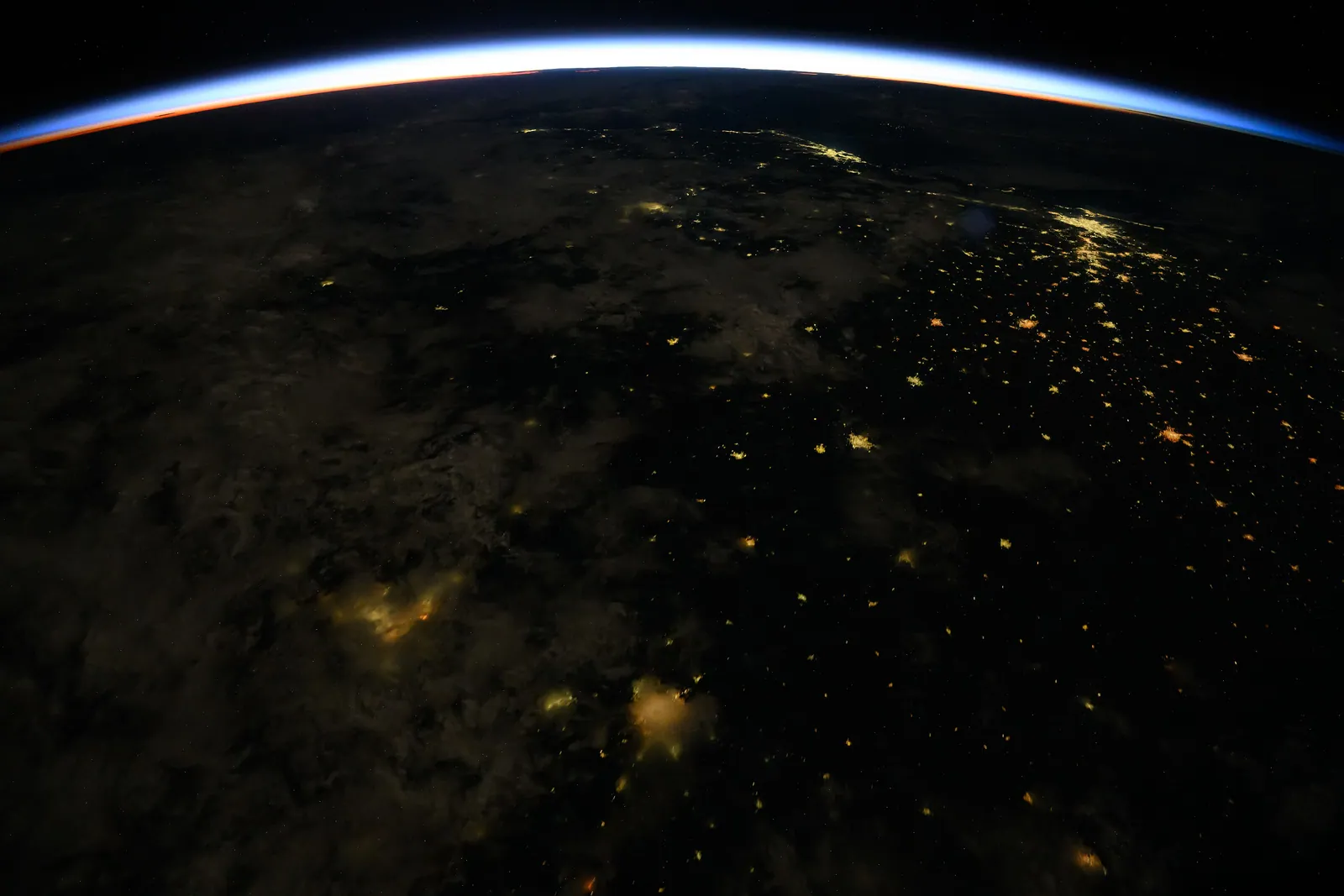
The ascent that the whole journey has been climbing toward. In a sealed, pressurised capsule lifted by a vast helium balloon, you rise for roughly two hours into the stratosphere — to about 35 kilometres, above 99 percent of the atmosphere. There is no rocket and no weightlessness; only a slow, gentle climb until the sky turns black, the horizon bends, and the blue of the Earth thins to a line beneath you.

Altitude≈ 35 km
AscentBy pressurised balloon
AtmosphereAbove 99 percent of it
The Cosmos — The night skyDays 29–30
The night sky · ∞

The Cosmos

The journey closes back where it began — under the sky, looking up. After the descent you return to dark-sky country for two final nights to absorb the whole arc: ocean, pole and stratosphere now folded into a single view of the heavens. Beyond the blue is the cosmos, and after thirty days at the planet’s edges you have seen, plainly, how thin and precious the blue really is.

ThemeReflection
ViewThe night sky, entire
EdgeWhere the atmosphere ends
The practical line

Everything you need to weigh it up.

BeginsThe Atacama Desert, Chile
EndsThe edge of space, then dark-sky country to close
Duration30 days — travelled in stages with rest and weather days built in
Best seasonNovember to February, for the Antarctic summer and stable flight windows
FitnessDemanding. No technical skill is required, but full medical screening is mandatory for the submersible dive and the stratospheric flight
Group sizePrivate, or a small group of up to 8
IncludedAll lodges, ships and flights, the crewed submersible dive, the stratospheric balloon ascent, expedition guides, specialist medical support, and all equipment
Intensity

Demanding — extreme environments, medical screening required

Best season

November to February

From

From €185,000 per person

Comprehensive — hotels, internal travel, guiding, permits. International flights quoted separately.

Field Notes

Beyond the Blue — your questions

Is the stratospheric balloon flight safe, and is it really spaceflight?

It is a balloon flight, not spaceflight — there is no rocket, no orbit and no weightlessness. A pressurised capsule rises gently under a helium balloon to roughly 35 kilometres and descends under a parawing. Operators developing these flights treat them as commercial aviation, with redundant safety systems and pilots. We will not claim more than that: you reach the edge of space, you see the curvature of the Earth, and you return the same afternoon.

How deep is the submersible dive, and is it dangerous?

The dive reaches the bathyal zone, around one kilometre down. It uses a certified, crewed submersible operated by a professional pilot — the same class of vehicle used for scientific and tourism dives today. The cabin stays at normal pressure throughout, so there is no decompression and no diving experience needed. The descent is slow, narrated and weather-dependent; a back-up window is always built into the schedule.

Who is this journey suitable for?

Beyond the Blue suits curious, adaptable travellers who are drawn to extreme environments and are comfortable with cold, altitude and confined spaces. No mountaineering or diving skill is required, but the submersible and balloon stages demand a clean medical screening, which our team arranges well before departure. It is our most demanding journey, and we are candid with every traveller about whether it is right for them.

What happens if weather closes a window for the dive or the flight?

Both the deep-sea dive and the stratospheric ascent depend entirely on conditions, so the thirty-day itinerary is built with spare days around each. If a window is missed, we use the reserve days; if conditions still do not allow it, the relevant stage is rebooked at no cost. We never pressure an operator to launch or dive outside safe limits.

Can I join only part of Beyond the Blue?

Yes. The journey is arranged in five stages — the Atacama skies, the deep ocean, the polar night, Antarctica, and the edge of space. Many travellers take a single stage, most often the Atacama with the balloon flight, and return for the rest in a later season. The full thirty-day arc is the complete experience, but it is not all-or-nothing.

Begin a journey

Travel Beyond the Blue.

Take the full arc, or a single chapter of it. Either way, the conversation is the first step.