National Geographic Endurance
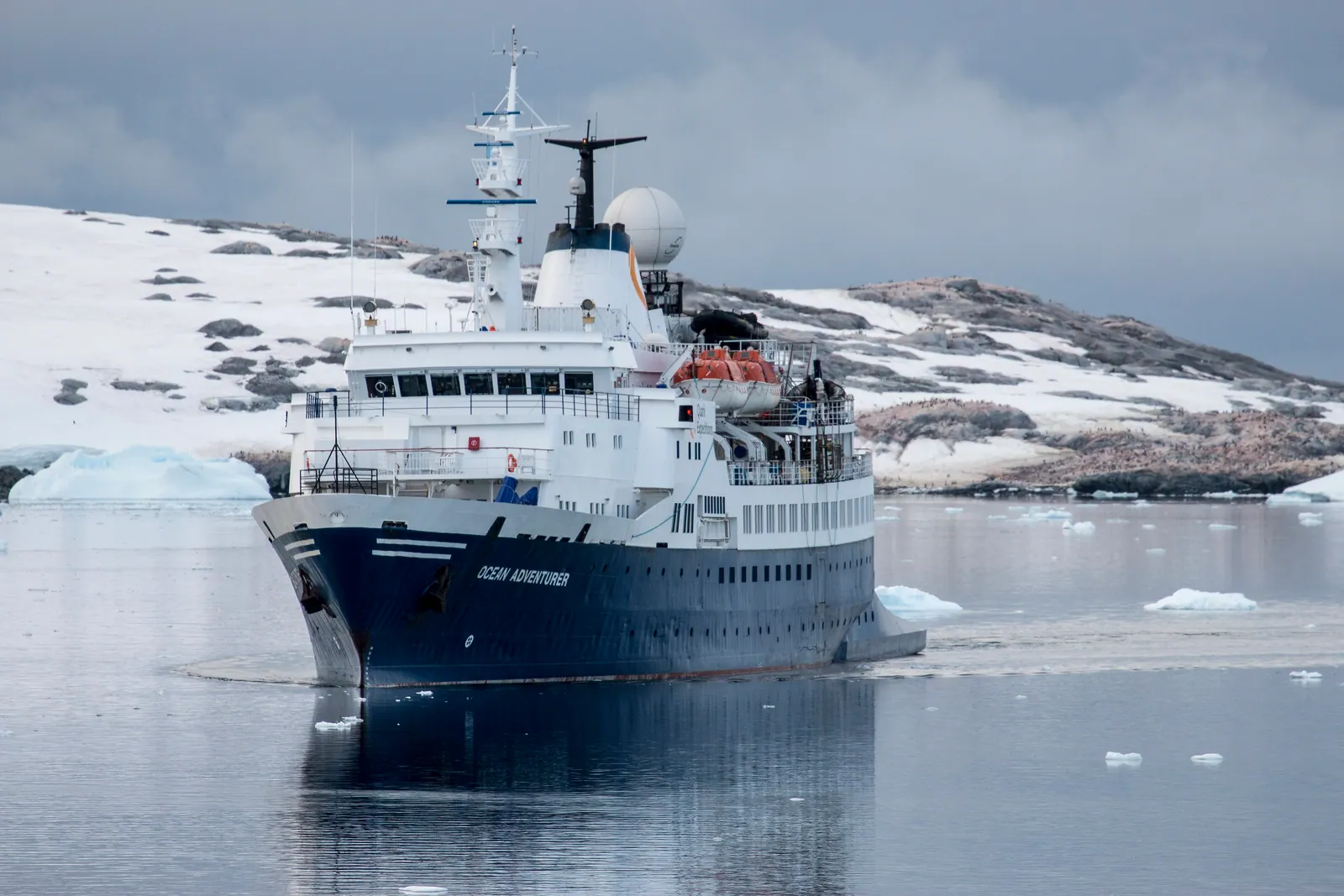
Expedition ship · €€€€A purpose-built polar vessel with an ice-strengthened X-Bow hull for a steadier ride, carrying around 130 guests with naturalists, kayaks and a fleet of Zodiacs.
64°49′S 63°29′W
The Antarctic Peninsula is the northernmost, most accessible reach of Antarctica, reached by expedition ship across the Drake Passage from Ushuaia, Argentina. It is by far the most-visited part of the continent, governed by the Antarctic Treaty and managed under the strict guidelines of IAATO, the International Association of Antarctica Tour Operators.
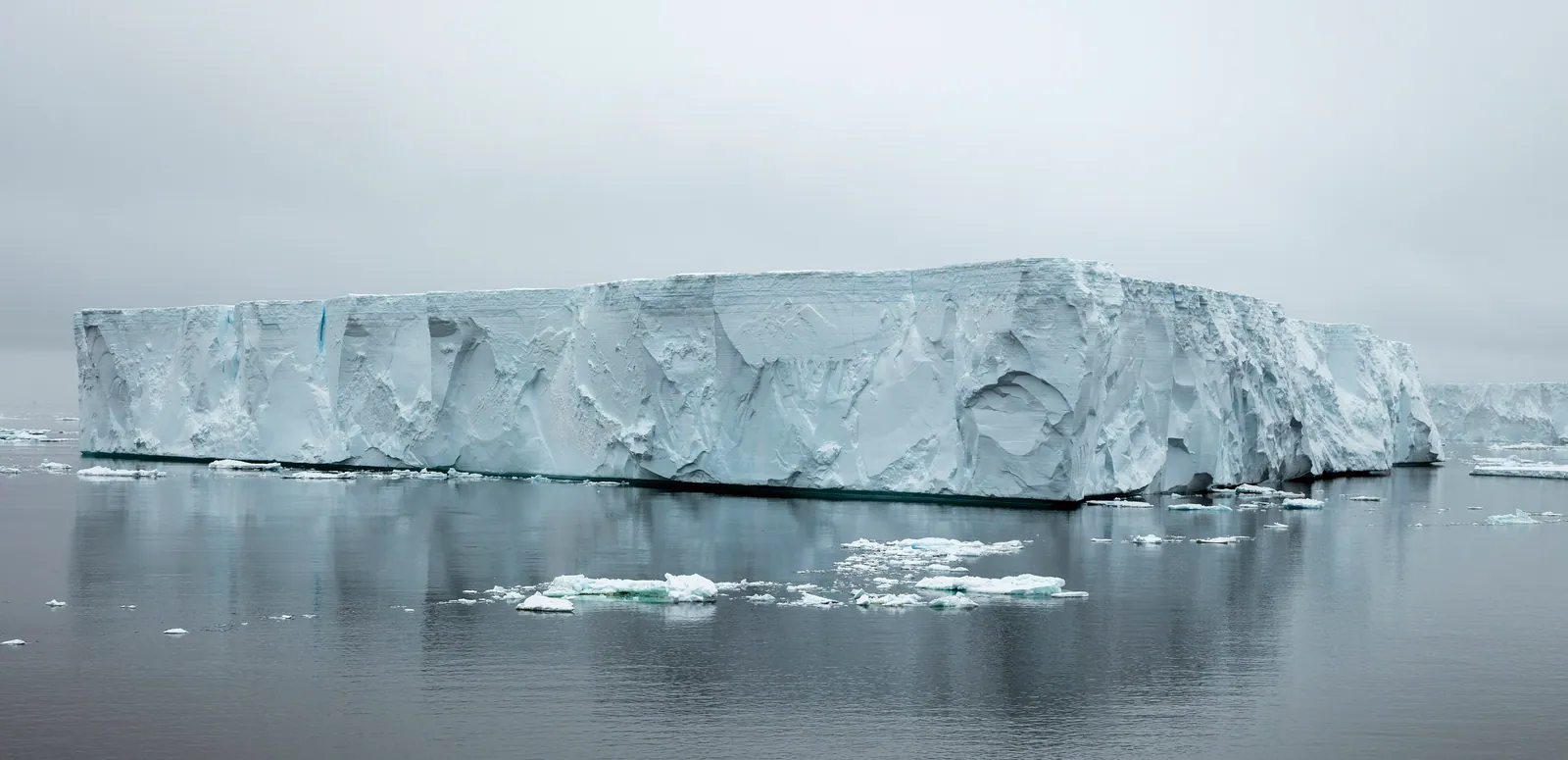
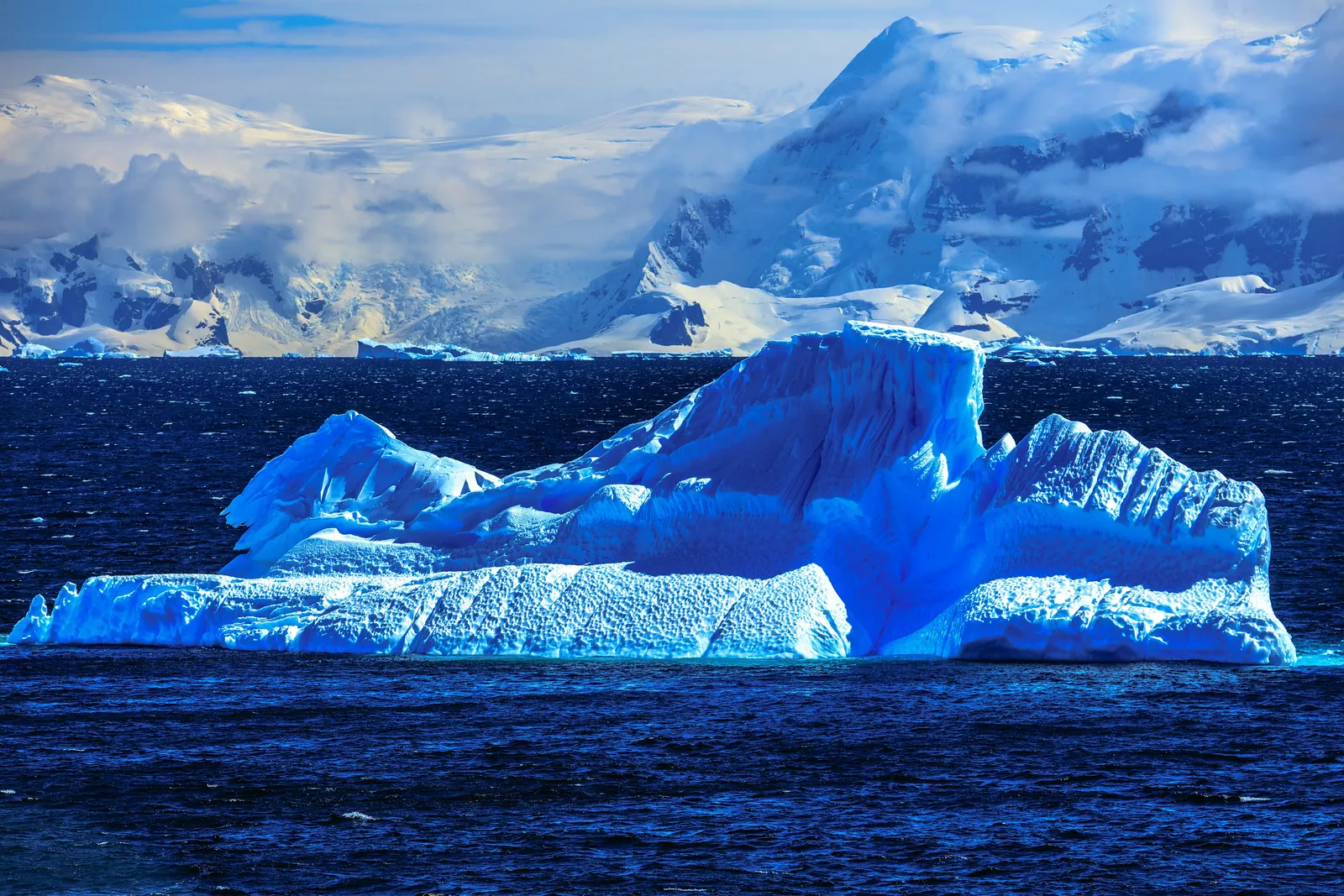
The Antarctic Peninsula is the long, mountainous arm of the continent that curls north toward South America — and it is the part of Antarctica nearly everyone who travels here ever sees. There are no towns, no hotels and no roads. You arrive by sea, you live aboard your ship, and the Peninsula reveals itself slowly: a coastline of tidewater glaciers, ice-choked channels and black volcanic shores, threaded with more wildlife than almost anywhere on Earth.
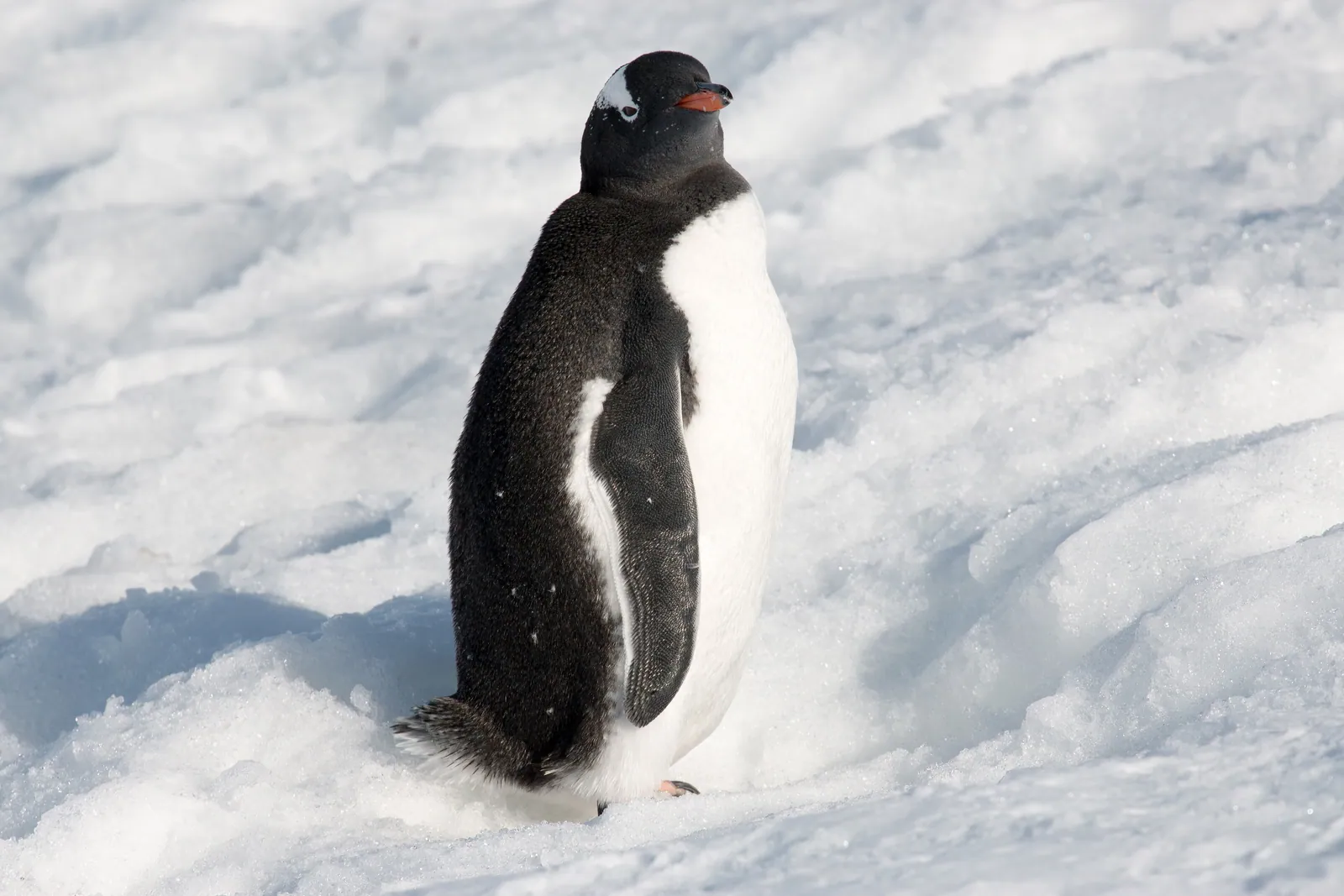
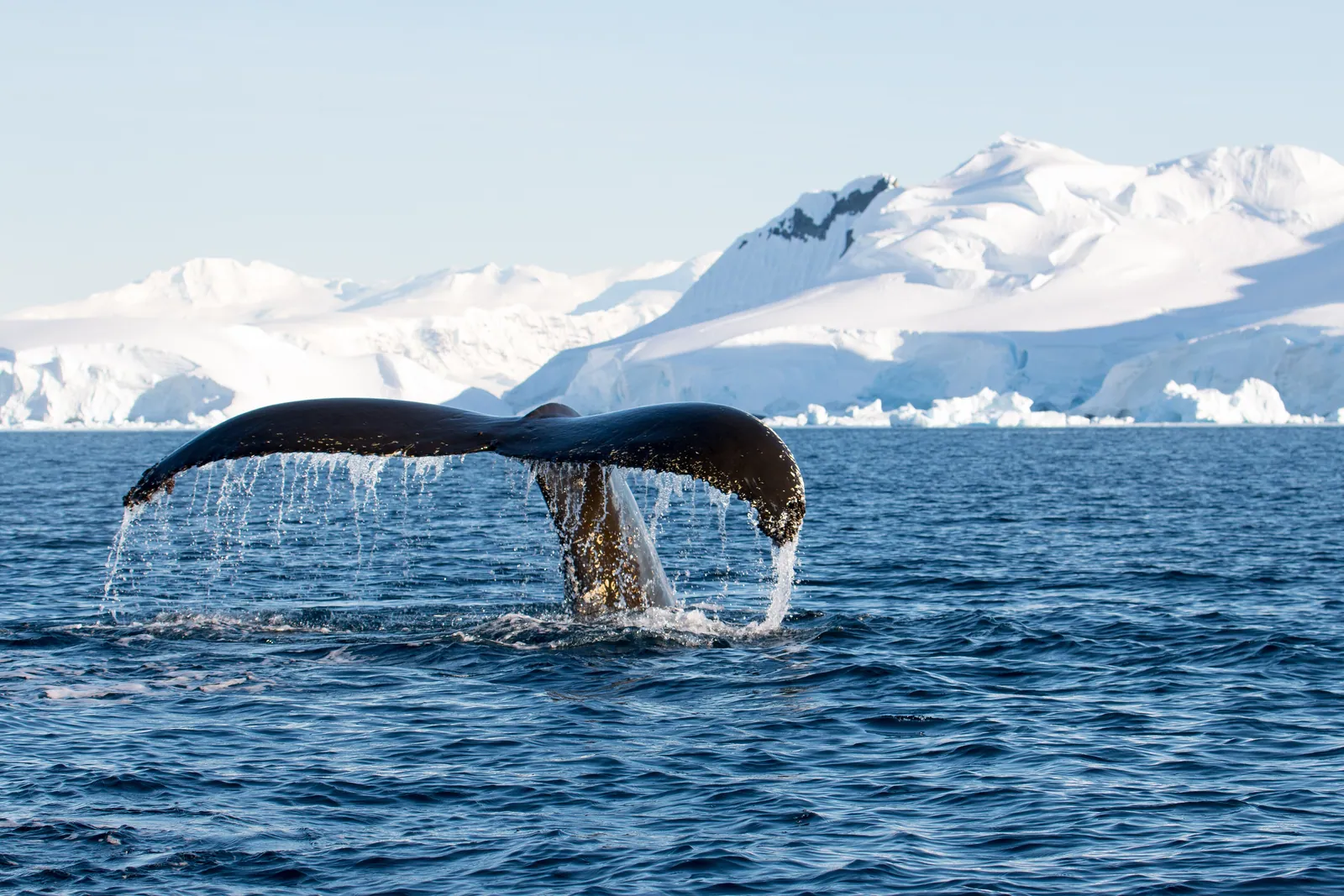
Getting there is part of the journey. Most voyages begin in Ushuaia, at the southern tip of Argentina, and cross the Drake Passage — roughly two days of open ocean, sometimes glassy, sometimes ferocious. What waits on the far side rewards the crossing many times over: humpback and minke whales feeding in still bays, leopard seals hauled out on floes, and penguin colonies tens of thousands strong. Every landing is made under Antarctic Treaty rules and IAATO guidelines, with small groups, biosecurity checks and a respectful distance kept from all wildlife.
A narrow, mountain-walled passage barely 1,600 metres wide at its tightest — mirror-still water, towering cliffs and floating ice. Travellers call it ‘Kodak Gap’ for good reason.
The Peninsula is explored in small inflatable Zodiacs — close to calving glaciers, sculpted bergs and resting seals, at the slow, quiet pace the landscape deserves.
Setting foot on the Antarctic mainland itself — not an island — at a site such as Neko Harbour or Brown Bluff is, for many, the journey’s defining moment.
A short film to set the scene — sourced from YouTube and credited to its maker.
Hand-picked places to sleep, from the iconic to the characterful — each chosen for position as much as polish.
A purpose-built polar vessel with an ice-strengthened X-Bow hull for a steadier ride, carrying around 130 guests with naturalists, kayaks and a fleet of Zodiacs.
A hybrid-powered, ice-strengthened expedition ship for roughly 500 guests, with a science centre, infinity pool and a long Norwegian polar pedigree.
A stabilised, ice-strengthened small ship carrying about 130 guests, named for the ocean scientist — built for citizen science and a high guide-to-guest ratio.
The sights that earn their fame — and a few the crowds miss.
A spectacular 11-kilometre strait between the mainland and Booth Island — sheer peaks, calm water and drifting ice make it the Peninsula’s most photographed sail.
A glassy, glacier-rimmed bay and one of the few places to step onto the Antarctic mainland — calving ice, gentoo penguins and reflections that justify the name.
A flooded volcanic caldera entered through a narrow gap called Neptune’s Bellows, with black-sand beaches, steaming shallows and the ruins of an old whaling station.
Home to one of the Peninsula’s largest gentoo penguin colonies — thousands of nesting pairs on a steep rookery, busy and noisy through the austral summer.
From landmark restaurants to the small rooms only locals mention.
All meals are served aboard. Dining rooms are relaxed and unhurried, often with picture windows onto the ice — chefs cater for every diet, and tables shift with the day’s landings.
Not a meal but a rite of passage — a brief, bracing leap into the Southern Ocean from the ship or shore, traditionally followed by hot drinks and a warming toast back on deck.
On rare calm days, expedition teams may serve hot drinks or a simple bite ashore. Under IAATO rules nothing is left behind, and all waste returns to the ship.
| Location | The northernmost arm of Antarctica, reaching toward South America |
|---|---|
| Reached from | Ushuaia, Argentina, by expedition ship across the Drake Passage |
| Famous for | Tidewater glaciers, icebergs, whales and vast penguin colonies |
| Governance | The Antarctic Treaty (1959); tourism managed under IAATO guidelines |
| Season | Late October to March, the austral summer; no winter tourism |
| Gateway port | Ushuaia, Tierra del Fuego — the world’s southernmost city |
The Antarctic Peninsula is a chapter of Andes to Antarctica.
It varies enormously. The crossing takes about two days each way and can be calm — the so-called ‘Drake Lake’ — or genuinely rough, the ‘Drake Shake’, as this is where three oceans meet with no land to slow the swell. Modern stabilised expedition ships handle it well, and motion-sickness remedies are widely available aboard.
The season runs from late October to March. November brings pristine snow and courting penguins; December and January offer the longest days, warmest weather and hatching chicks; February and March are best for whales and lower ice. Each month has its own character — there is no single best time.
Almost all voyages depart by expedition ship from Ushuaia, in Argentine Tierra del Fuego, crossing the Drake Passage. There are no commercial flights or ferries to the Peninsula itself, and no hotels — you travel and sleep aboard your ship for the entire journey.
Yes. ‘Fly-the-Drake’ voyages fly travellers from Punta Arenas, Chile, to an airstrip on King George Island in the South Shetlands, where they board the ship — cutting roughly two days of open-ocean crossing in each direction. Flights depend on Antarctic weather and can be delayed, so flexibility is essential.
Expect gentoo, chinstrap and Adélie penguins in large colonies, plus crabeater, Weddell and leopard seals on the ice. Humpback and minke whales are common, especially later in the season, alongside seabirds such as albatrosses, petrels and skuas. There are no polar bears — they live only in the Arctic.
Travel here as a chapter of a grand journey, or as a trip of its own. We will tailor it to your dates and pace.