Belmond Hotel Monasterio
Luxury · €€€€A 1592 former monastery a step from the Plaza de Armas, built around a serene cloister and a centuries-old cedar tree. Many rooms offer optional oxygen enrichment for the altitude.
13°31′S 71°58′W
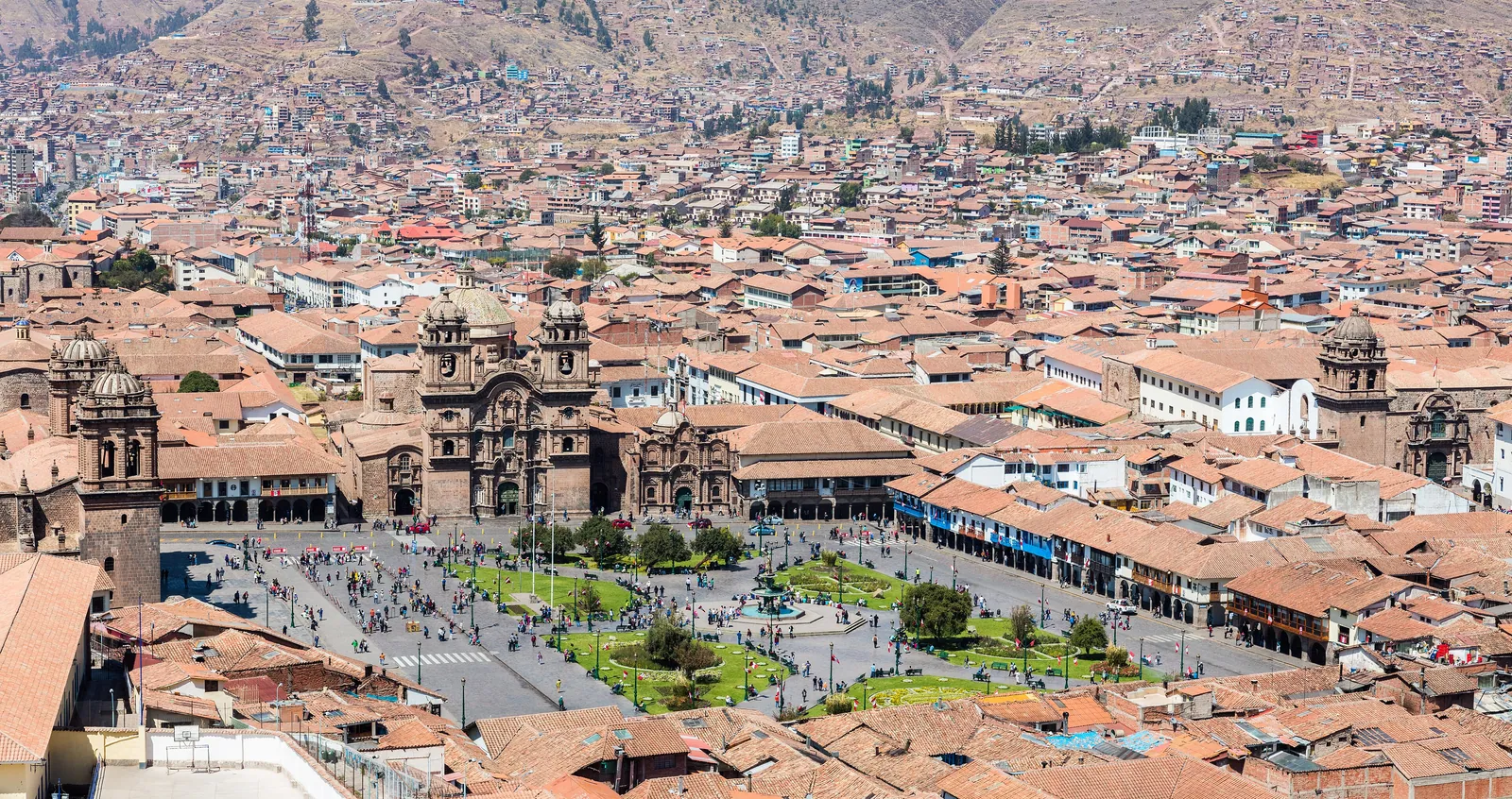
Cusco is a city in the southeastern Peruvian Andes, sitting at roughly 3,400 metres above sea level. Once the capital of the Inca Empire, it is a UNESCO World Heritage Site, listed in 1983, where Inca stonework and Spanish colonial architecture are layered together. It is the gateway to Machu Picchu and the Sacred Valley.
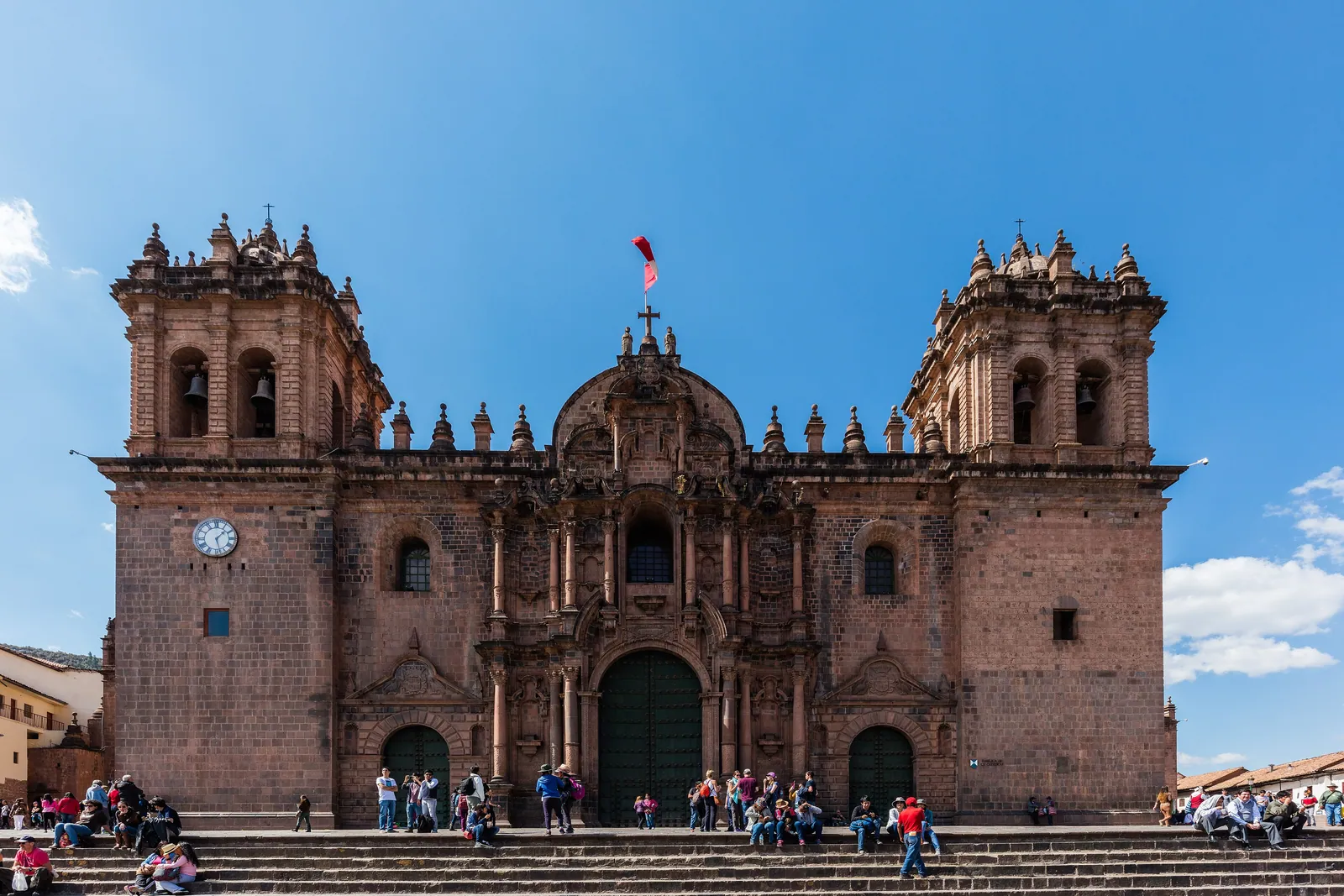
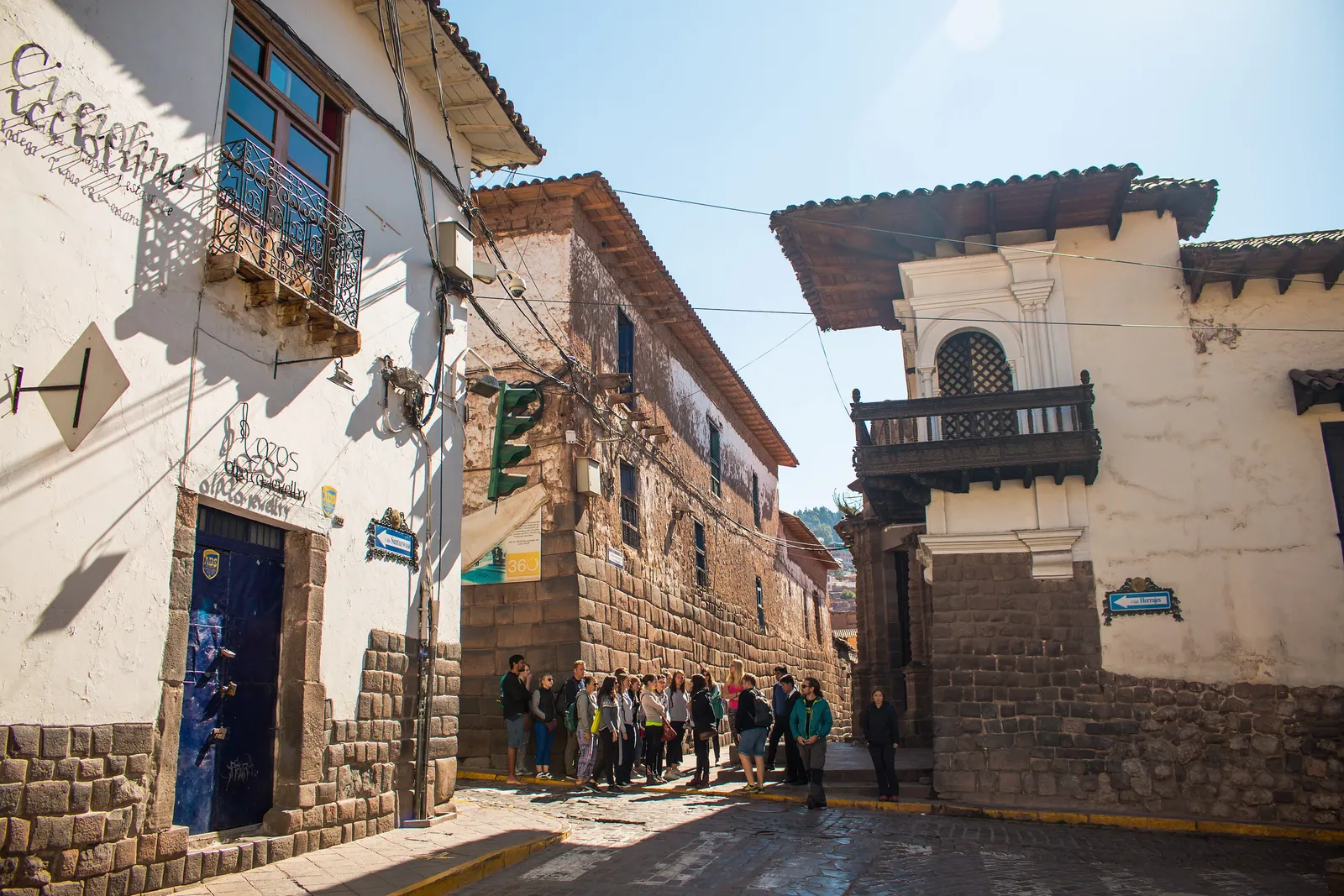
Cusco is a city built twice over. The Inca raised it as the political and sacred heart of Tawantinsuyu — their vast empire — laying down walls of interlocking stone so precise that no blade can pass between the blocks. When the Spanish arrived in 1533 they did not clear the city away; they built their churches and mansions directly on top of it, and so Cusco today is a single fabric of two civilisations, colonial arcades resting on Inca foundations.
It is also a city that asks something of you. At around 3,400 metres the air is thin, and most travellers need a day or two to settle before they climb anything. That pause is no hardship. Cusco rewards slowness — mornings in the Plaza de Armas, afternoons drifting up the cobbled lanes of San Blas, the long golden light on the surrounding hills — and it is the natural base from which to reach the Sacred Valley, Ollantaytambo and Machu Picchu beyond.
Give Cusco its due before any high trail or train. Two gentle days at altitude — coca tea, slow walks, early nights — turn the whole region from a challenge into a pleasure.
Climb the steep cobbled lanes above the centre to San Blas, the artisans’ quarter, for whitewashed walls, workshops, small plazas and the best light over the city’s rooftops.
Walk Hatun Rumiyoc lane to find the famous twelve-angled stone — a single block cut to lock seamlessly into its neighbours, the signature of Inca masonry.
A short film to set the scene — sourced from YouTube and credited to its maker.
Hand-picked places to sleep, from the iconic to the characterful — each chosen for position as much as polish.
A 1592 former monastery a step from the Plaza de Armas, built around a serene cloister and a centuries-old cedar tree. Many rooms offer optional oxygen enrichment for the altitude.
A grand colonial palace facing the Temple of the Sun, with deep history, a comfortable spa and an easy walk to the centre. Marriott’s Luxury Collection property in the city.
An intimate 16th-century manor house turned all-suite hideaway around a tranquil courtyard — Cusco’s first Relais & Châteaux, warm with fireplaces and heated floors.
The sights that earn their fame — and a few the crowds miss.
The arcaded heart of the city, ringed by colonial galleries. Its great Cathedral, begun in 1559 on an Inca palace site, holds a famous Last Supper painted with a guinea pig.
The Inca Empire’s holiest sanctuary, once sheathed in gold. The Spanish built the Santo Domingo convent on its walls, and the superb Inca masonry still survives beneath.
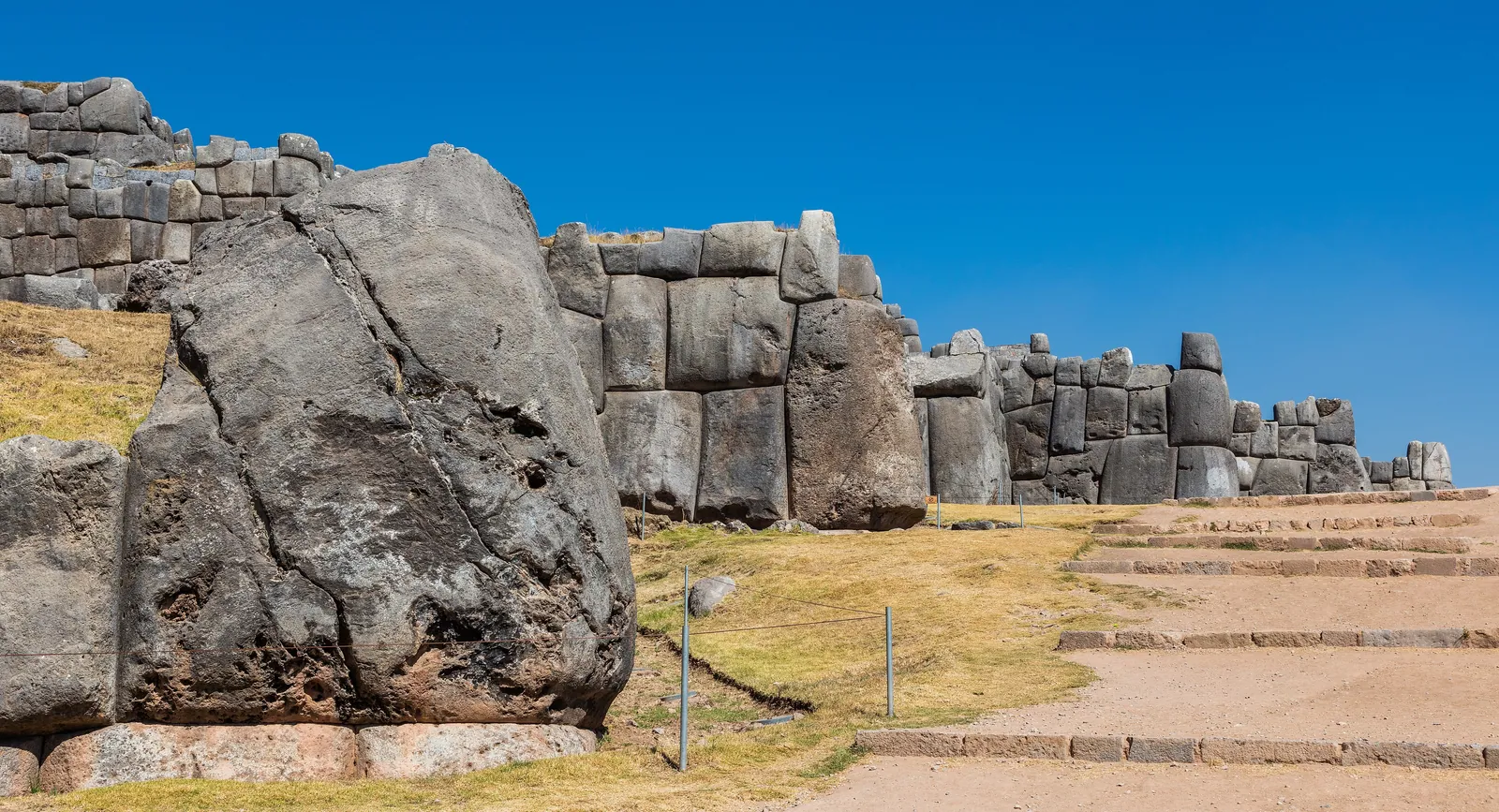
A vast Inca ceremonial complex on the hill above Cusco, built from immense limestone blocks — some over a hundred tonnes — fitted together without mortar.
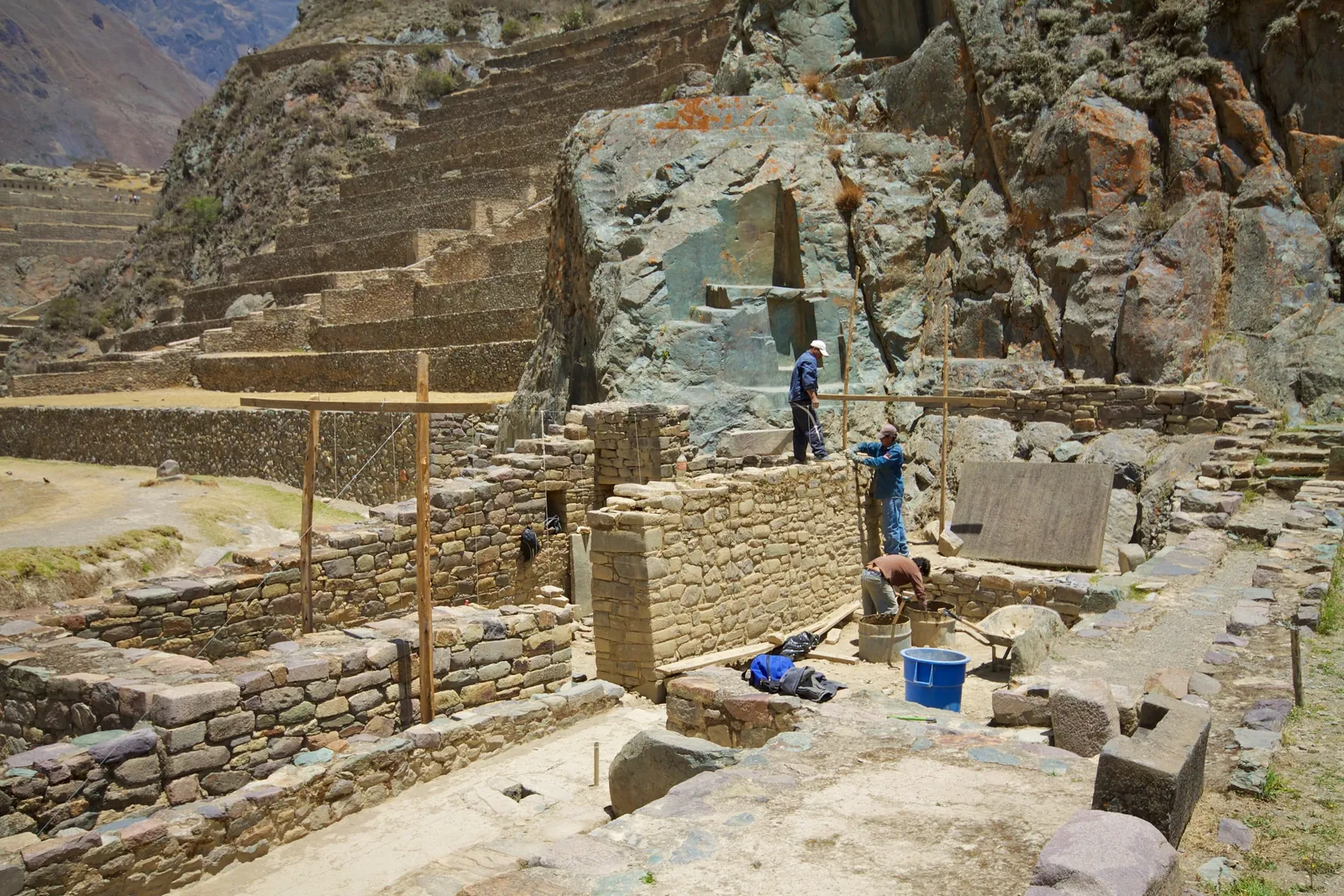
The fertile Urubamba valley north of Cusco, dotted with Inca terraces and towns. Ollantaytambo, with its terraced fortress, is also the rail gateway to Machu Picchu.
From landmark restaurants to the small rooms only locals mention.
Celebrated chef Gastón Acurio’s Cusco restaurant, on a balcony above the Plaza Regocijo, refining Andean ingredients — alpaca, trout, native potatoes — into modern Cusqueñan cooking.
A glass pavilion set in the courtyard of the Museo de Arte Precolombino — a quietly elegant tasting-menu room and one of the city’s most refined dinners.
A long-loved upstairs restaurant and tapas bar near Plaza Nazarenas, pairing Mediterranean technique with Peruvian produce in a warm, candlelit room.
| Location | Cusco Region, southeastern Peruvian Andes |
|---|---|
| Role in history | Capital of the Inca Empire (Tawantinsuyu) from the 13th century |
| Famous for | Inca stonework fused with Spanish colonial architecture |
| Recognition | UNESCO World Heritage Site, the City of Cusco, listed in 1983 |
| Conquered | Taken by Francisco Pizarro and the Spanish in 1533 |
| Gateway to | Machu Picchu, the Sacred Valley and Ollantaytambo |
Cusco is a chapter of Andes to Antarctica.
Acclimatise before exerting yourself. At around 3,400 metres, give yourself one to two quiet days on arrival — walk slowly, drink plenty of water and coca tea, eat lightly and avoid alcohol at first. Many hotels offer oxygen. If you can, spend your first nights lower in the Sacred Valley, then return to Cusco.
The dry season, roughly May to September, is best, with clear days and cold nights — ideal for the trails and for Machu Picchu, though it is also the busiest. The wet season runs November to March. June’s Inti Raymi festival is a spectacular but very crowded time to come.
Most travellers fly. Cusco’s Alejandro Velasco Astete airport has frequent flights from Lima, about 1 hour 20 minutes, and from other Peruvian cities. There are also long scenic bus and train routes from Puno and Arequipa. From Cusco, trains to Machu Picchu run via Ollantaytambo or Poroy.
Plan on three to four days for the city and its surroundings, and longer if you are visiting Machu Picchu. That allows time to acclimatise, explore the centre and San Blas, see Sacsayhuamán, and take a full day in the Sacred Valley before any onward travel to Machu Picchu.
Cusco is the living Andean city that was the Inca capital, where you are based. Machu Picchu is the 15th-century Inca citadel about 75 kilometres away, reached by train and bus from Cusco via the town of Aguas Calientes. They are separate places — Cusco is the gateway, not the site itself.
Travel here as a chapter of a grand journey, or as a trip of its own. We will tailor it to your dates and pace.