Acclimatisation, Day by Day: Your First Week in Thin Air
What is actually happening inside you on day one, day three and day seven at altitude — and the small, deliberate things to do on each of them so the high country feels like a pleasure rather than a trial.
Acclimatisation is not a single event but a sequence, and it keeps its own calendar. If you understand roughly what your body is doing on each day of your first week high — and match your behaviour to it — you will almost certainly feel well, and you will certainly feel better than the traveller who treats day one like day seven.
Here is that week, hour by hour and day by day, as it unfolds in places like Cusco at 3,400 metres or the Bolivian altiplano above 3,600. The headline is simple: go gently at the start, let the process run, and the mountains open up to you within a few days.
The first hours: arrival
The moment you step off the plane or train at altitude, your body already knows. Within minutes, sensors in the carotid arteries register the lower oxygen and quietly increase your breathing rate and depth — the hypoxic ventilatory response. You may not notice it, but you are already adapting.
Your only jobs in these first hours are restraint and water. Drop your bags, drink a litre, eat something starchy and resist every temptation to climb a tower, walk a steep lane fast, or ’just see one thing’. Acute mountain sickness, when it comes, usually appears six to twelve hours after arrival — so what you do now is felt tonight. A quiet first afternoon is the single highest-value decision of the whole week.
Day one and two: the patient pause
These are the days that earn the rest of the journey. Symptoms of mild altitude sickness — a headache, poor appetite, light sleep, a touch of nausea — are common now and are not a failure; they are simply the sound of the body recalibrating. They typically ease over twenty-four to forty-eight hours.
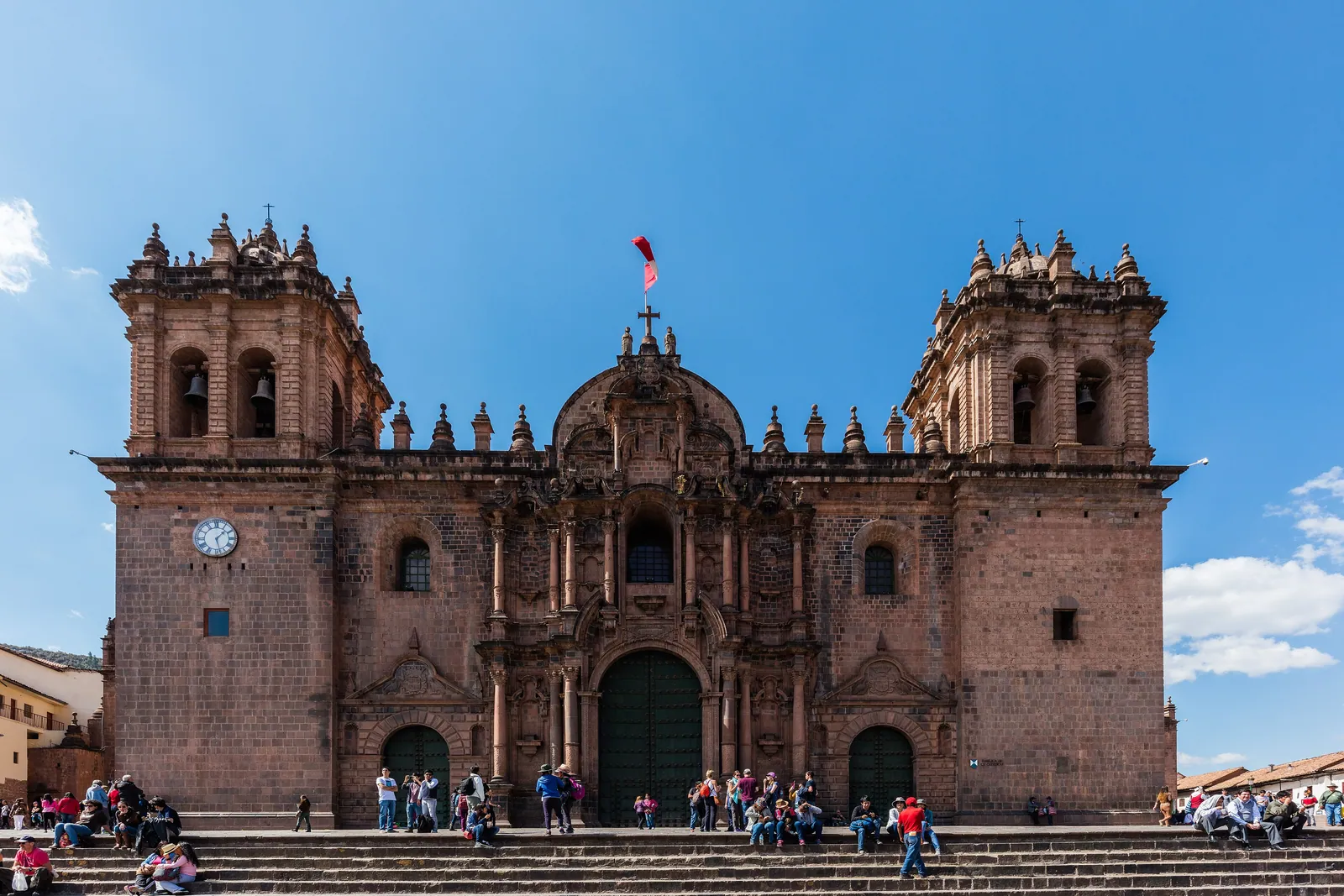
Move slowly and flat. In Cusco this means the arcades of the Plaza de Armas rather than the climb to Sacsayhuamán; on Andes to Antarctica we deliberately schedule these gentle days first. Drink steadily, favour carbohydrates, skip alcohol entirely, and go to bed early. The iron-clad rule of the whole week begins here: never move up to a higher sleeping altitude while you still have symptoms.
Day three to five: the turn
Somewhere around the third day most travellers feel the corner turn. The headache fades, appetite returns, sleep deepens. Underneath, your kidneys have been at work, excreting bicarbonate to rebalance blood made alkaline by all that extra breathing — a process that takes a few days and is the real engine of early acclimatisation.
Now you can begin to use the altitude rather than merely survive it. This is the window for a first proper walk, a higher viewpoint, the Sacred Valley or a Himalayan foothill day. Apply the climber’s maxim — climb high, sleep low — by all means spend the afternoon a few hundred metres up, but return to sleep at the altitude your body already knows.
Day six and seven: settled, and ready to go higher
By the end of a week at a given altitude you are, for practical purposes, acclimatised to it. Your bone marrow has begun producing extra oxygen-carrying red blood cells — a slower adaptation that continues for weeks — and the everyday business of walking, eating and sleeping no longer feels like work.
This is when a well-built journey makes its next move. Only now should the itinerary reach for a meaningfully higher altitude, and even then by no more than roughly 500 metres of sleeping height per day above 3,000 metres, with a rest day every third or fourth day. Acclimatisation gained at one altitude buys you a head start at the next — but it is not a permanent passport, and each significant step up asks for the same patience again.
When the schedule, not just the traveller, does the work
Most altitude trouble is really itinerary trouble — too high, too fast, with no slack for a bad night. A thoughtful route folds the day-by-day curve into its very shape: an arrival rest day, nights placed lower than the day’s high point, and a margin so that one traveller’s slow start does not derail the group.
This is why we never sell a one-day dash into high country. On Andes to Antarctica the ascent is staged — days in Cusco, nights down in the kinder air of the Sacred Valley, and Machu Picchu itself at a restful 2,430 metres, lower than Cusco, reached only once you are already adjusted. The week described here is not something you endure around the trip; it is built into the trip.
Quick answers
How fast can I safely go higher once I have acclimatised?
Once settled at a given altitude, a common guideline above 3,000 metres is to raise your sleeping altitude by no more than about 500 metres per day, with a rest day every third or fourth day. Day trips higher are fine — it is the altitude you sleep at that matters most. A well-planned itinerary builds these limits in so you never have to police them yourself.
Does being fit mean I will acclimatise faster?
No. Acclimatisation is a physiological process largely independent of fitness — strong athletes get altitude sickness as readily as anyone, sometimes more, because they push harder early. Fitness helps you enjoy walking once acclimatised, but it does not speed the kidney and blood adaptations. Patience does the work that training cannot.
Let the reading become a route.
When an article sparks something, our planners are the next step. Tell us what you are dreaming of.