Altitude Across the Generations: Children, Older Travellers and Thin Air
Whether a journey to the high Andes or the Tibetan plateau suits an eight-year-old or an eighty-year-old — a clear field guide to how age really affects acclimatisation, and what each end of the family needs.
The reassuring headline first: age, by itself, is a poor predictor of how well someone copes with altitude. Healthy children and healthy older adults both acclimatise broadly as well as anyone else, and our high journeys carry travellers across a wide span of ages every season. What matters far more than the number is health, pacing, and good observation.
That said, the very young and the older traveller each bring particular considerations — not barriers, but things worth knowing. This field guide walks through both, so a multi-generational family can plan a journey such as Andes to Antarctica with clear eyes rather than vague worry.
Children at altitude: capable, but harder to read
Children acclimatise much as adults do; the physiology is not dramatically different. The real challenge is communication. A young child cannot reliably tell you that their headache is worsening or that they feel oddly unsteady — they may simply turn quiet, clingy, off their food, or unusually fractious, and those changes are easy to mistake for ordinary tiredness or travel grumpiness.
The practical answer is closer watching. With children, treat any new irritability, poor appetite, broken sleep, vomiting or lethargy at altitude as possible mountain sickness until proven otherwise, and never let a child ascend to a higher sleeping altitude while out of sorts. Infants and toddlers in particular deserve a cautious, conservative approach and a frank pre-trip conversation with a paediatrician.
What helps younger travellers settle
The fundamentals are the same as for adults, simply applied with more attention: a genuine rest day on arrival, generous fluids, starchy snacks children will actually eat, and early nights. Children dehydrate quickly and often forget to drink, so make water a steady, prompted habit rather than an afterthought.
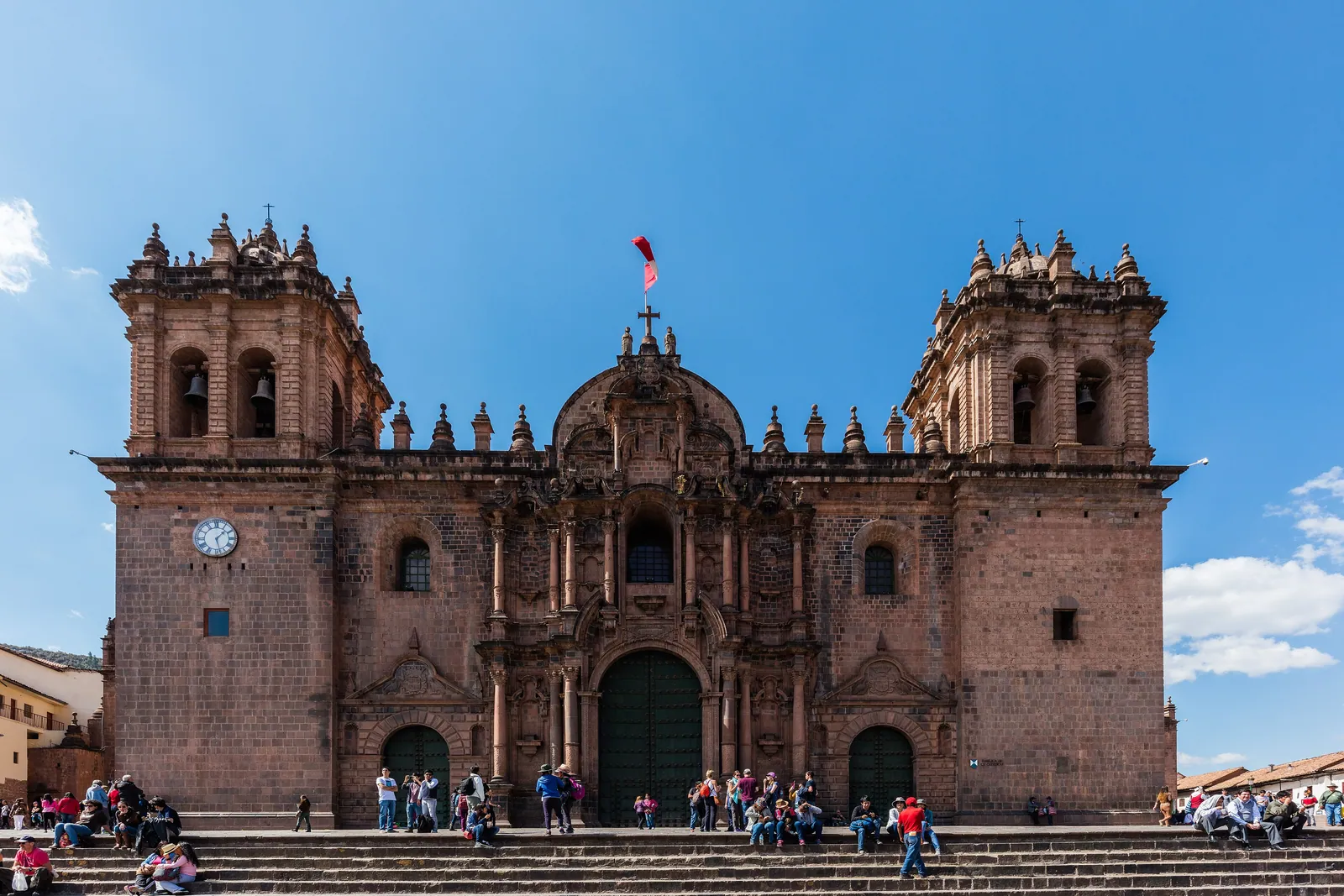
Pacing should bend around the youngest member. On Andes to Antarctica the staged ascent — nights low in the Sacred Valley before Cusco’s 3,400 metres, Machu Picchu lower still at 2,430 — suits families well, because it never asks a child to make a big altitude jump in a single day. A child who is eating, sleeping and playing normally is a child who is acclimatising well.
Older travellers: experience on their side
Older adults often do strikingly well at altitude — some research suggests the over-fifties are no more prone to acute mountain sickness than younger travellers, and sometimes less, partly because they tend to ascend at a more sensible pace and listen to their bodies. Age is not the issue; what matters is the health that comes with it.
The questions worth asking are about specific conditions rather than years. Well-controlled high blood pressure is generally compatible with altitude travel, though it can rise a little at first. Significant heart disease, chronic lung disease, or poorly controlled conditions need genuine medical assessment before a high journey. The honest distinction is between a fit seventy-five-year-old, for whom altitude is rarely a problem, and any traveller of any age with an unstable heart or lung condition, for whom it may be.
Medication and existing conditions
Older travellers more often arrive on regular medication, and altitude can interact with it. Some blood-pressure and diuretic drugs, and the way the body handles fluid at altitude, are worth reviewing; so is whether acetazolamide is suitable alongside an existing prescription or a sulfa allergy. None of this is a reason not to travel — it is a reason to plan.
The single best step, for both ends of the generational span, is a pre-departure appointment with your own doctor or a travel clinic, prescriptions and conditions laid out plainly. Our medical questionnaire for the high journeys is built to prompt exactly these reviews while there is still time to act on the answers.
Planning a multi-generational journey
A family spanning three generations can travel the high Andes together very happily, provided the itinerary is paced for its most vulnerable members rather than its strongest. That means an unhurried ascent profile, real rest days, and the willingness to let a grandparent or a child set the tempo on a given morning.
Our guides are accustomed to mixed-age groups and watch the youngest and oldest travellers with particular care, oximeter to hand. The deeper principle is the one that serves everyone at altitude regardless of age: ascend gradually, rest properly, observe honestly, and treat descent as an always-available friend rather than an admission of defeat.
Quick answers
Is it safe to take young children to high altitude such as Cusco?
Healthy children generally acclimatise much as adults do, and many families visit Cusco and the Sacred Valley happily. The key difference is that young children cannot describe their symptoms well, so any new irritability, poor appetite, vomiting or lethargy should be treated as possible altitude sickness. For infants and toddlers especially, discuss the trip with a paediatrician first.
Am I too old to travel to high altitude?
Almost certainly not on age alone. Healthy older adults acclimatise well, and many over-seventies travel our high journeys. What matters is your health rather than your age: significant heart or lung disease, or poorly controlled blood pressure, needs medical assessment first. A fit older traveller is generally well suited to a properly paced high itinerary.
How should an itinerary be paced for a mixed-age family?
Pace it for the most vulnerable traveller, not the fittest. That means a gradual ascent, genuine rest days, nights placed lower where possible, and freedom for a child or grandparent to set an easy tempo. Staged routes like Andes to Antarctica — Sacred Valley before Cusco, Machu Picchu lower still — suit multi-generational groups particularly well.
Let the reading become a route.
When an article sparks something, our planners are the next step. Tell us what you are dreaming of.