The Antarctic Season, Month by Month
Antarctica is open to travellers for roughly five months a year, and each part of the season has its own character. Here is how November through March unfolds — ice, light and wildlife — so you can choose your window.
The Antarctic travel season runs from late October or November to March — the long days of the Southern Hemisphere summer, when sea ice retreats enough to let ships reach the peninsula and wildlife crowds the shore. Outside that window the continent is dark, frozen in and effectively closed to expedition travel.
There is no single best month. Early season brings pristine snow, sculptural ice and courting penguins; the heart of the season brings hatching chicks and the warmest weather; late season brings the great whales and dramatic light. The right time to go depends on what you most want to see — so it helps to know what each stretch of the season actually offers.
Early season: late October to November
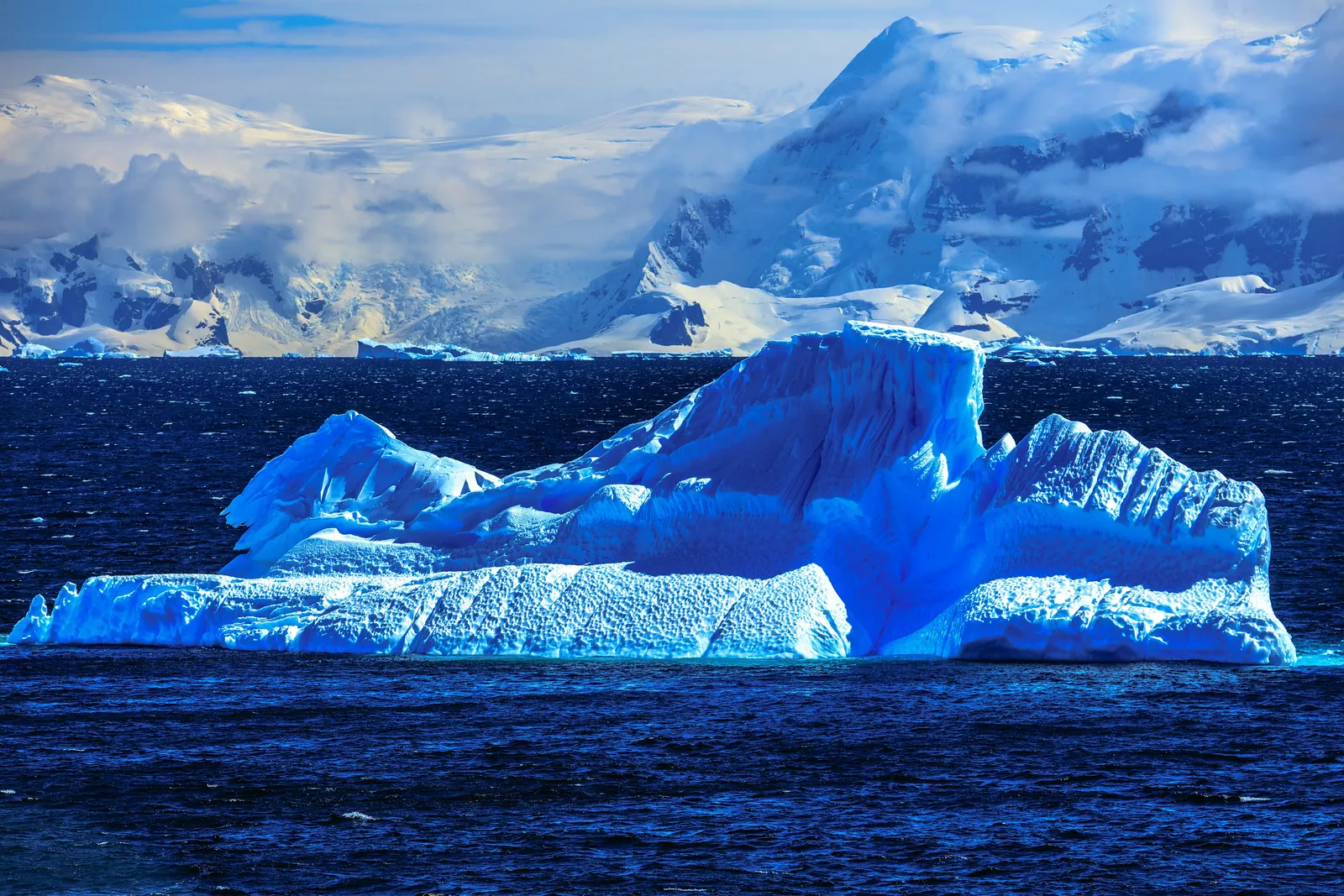
The first voyages of the season sail into an Antarctica still deep in winter's snow. The landscape is at its most pristine — unbroken white slopes, vast pack ice, and icebergs and fast ice still locked in place, which can make for spectacular ship cruising even where landings are harder to reach.
This is courtship season ashore. Penguins arrive at their rookeries, build nests of pebbles and begin to pair and mate; elephant and fur seals haul out and the beaches grow noisy. Days are cold and the light is crisp and low. For photographers and travellers who prize untouched scenery, November is quietly one of the most rewarding months.
Peak season: December and January
December and January bring the austral high summer. Around the solstice the peninsula has 20 hours or more of usable light, temperatures near the coast often hover around freezing rather than far below it, and the sea ice has opened up, giving ships their widest access to landing sites.
It is also the season of new life. Penguin eggs hatch from around late December, and the rookeries fill with downy chicks and the constant traffic of parents shuttling to sea for food. This is the warmest, busiest and most accessible part of the season — the window many first-time travellers instinctively choose, and with good reason.
Late season: February and March
By February the focus shifts to the sea. The Southern Ocean has had a full summer to bloom, krill is abundant, and humpback, minke and fin whales gather to feed in numbers — late season is widely considered the best time for whale watching on the peninsula.
Ashore, penguin chicks are large, comic and visibly moulting toward their first swim, and the long-lit days begin to shorten into spectacular low-angled light and richer skies. Snow ashore can look more weathered and rookeries more trampled, but receding sea ice often allows ships to push that little bit farther south. March voyages have a valedictory feel — the season, and the light, drawing gently to a close.
What stays constant all season
Whatever month you choose, some things hold true. The weather is genuinely changeable and a flexible itinerary is essential — captains and expedition leaders adjust the day's plans constantly around wind, ice and swell, and that adaptability is a feature, not a fault.
The peninsula and the South Shetland Islands are the heart of almost every voyage throughout the season, because they are the most reliably accessible part of the continent and astonishingly rich in wildlife. And the polar daylight is long across the whole window — even early and late, you are rarely short of light to see by.
Choosing your window
Match the month to your priority. Go in November for sculptural ice, deep snow and courtship. Go in December or January for hatching chicks, the warmest weather and the easiest access. Go in February or March for whales, large chicks and dramatic late light.
On our Andes to Antarctica journey the peninsula crossing is timed within this season, after the Andes and Patagonian legs, so travellers reach the ice in the depth of the southern summer. Whichever month you sail, the rhythm is the same: a short, intense, light-filled window in which the continent briefly opens its door.
Quick answers
When can you travel to Antarctica?
The Antarctic expedition season runs from roughly late October or November through March, the Southern Hemisphere summer, when sea ice retreats enough for ships to reach the peninsula and daylight is long. Outside this window the continent is dark and frozen in, and commercial expedition voyages do not operate.
What is the best month to see penguin chicks?
Penguin eggs on the Antarctic Peninsula generally hatch from around late December, so January and February are the prime months for downy chicks. By late February and March the chicks are large and moulting toward their first swim. November, by contrast, is courtship and nest-building season, before eggs are laid.
When is the best time for whale watching in Antarctica?
Late season — February and March — is widely considered best for whales. By then the Southern Ocean has had a full summer to bloom, krill is abundant, and humpback, minke and fin whales gather to feed along the peninsula in significant numbers. Whales are seen earlier too, but late season offers the highest concentrations.
Let the reading become a route.
When an article sparks something, our planners are the next step. Tell us what you are dreaming of.