Eating and Drinking Safely on the Road, Without Missing the Best of It
Local food is one of the deepest pleasures of a long journey, not a hazard to be endured. A few clear habits let you eat adventurously across continents while keeping your stomach firmly on your side.
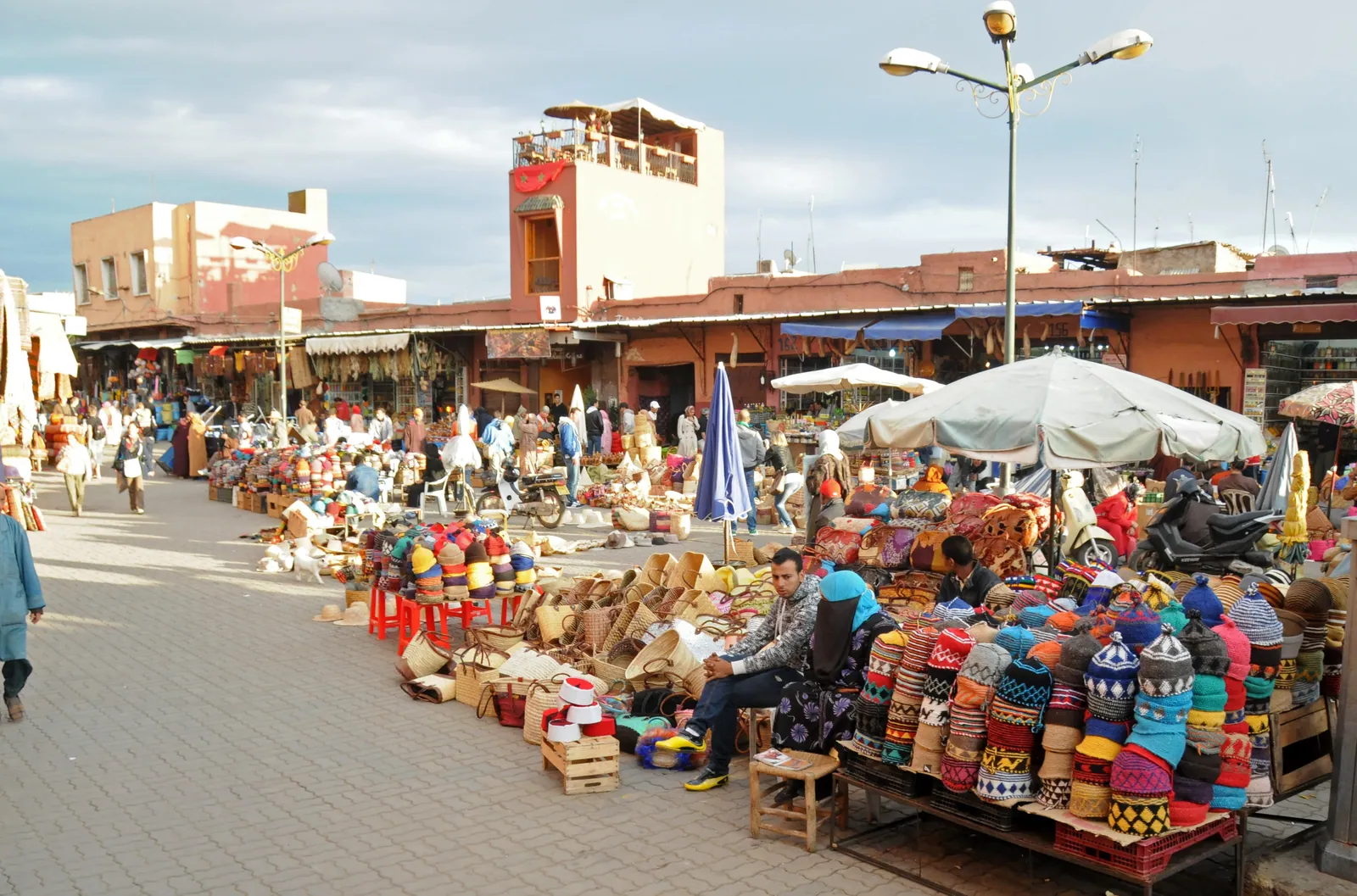
Here is the reassuring truth: you do not have to choose between eating well and staying well. The food markets of Marrakech, a roadside grill in the Andes, a bowl of noodles on the old Silk Road — these are not risks to be survived but among the finest reasons to travel slowly in the first place. Most food-borne upset comes from a small number of avoidable situations, and once you know them you can eat with confidence.
The single principle behind almost every food-safety rule is simple: heat makes food safe, and time and contamination undo it. Favour things that are freshly and thoroughly cooked, be thoughtful about water and the things made with it, and you can say yes to the local table far more often than you say no.
The water question, and what it touches
In many regions a grand journey passes through, tap water is not reliably safe to drink. The practical response is easy: drink bottled water with an intact seal, or water that has been boiled, properly filtered or treated. Where bottled water is the norm, our journeys keep it readily available, including on long road days.
Water reaches you in more ways than the obvious glass, and these are the ones travellers forget. Ice is often made from tap water, so be cautious with it unless you know its source. Use safe water to brush your teeth. Be aware that salads and raw fruit may have been rinsed in tap water, and that fresh juices and diluted drinks can carry it too. None of this means avoiding cold drinks — it simply means knowing where the water came from.
Hot, fresh and thoroughly cooked
The safest food is food that has been cooked hot, cooked through, and served promptly while still steaming. Heat reliably kills the organisms that cause most travellers' illness, which is why a fresh, sizzling dish from a busy grill is often a better bet than a cold buffet plate that has sat at room temperature.
Treat lukewarm food with caution, whatever its origin. Reheated dishes, food left standing under gentle warmers, and anything that has been cooked and then allowed to cool are where trouble tends to gather. The phrase worth carrying is the old one: cook it, boil it, peel it — or forget it.
Fruit, salads and the things eaten raw
Raw foods skip the protective step of cooking, so they deserve a little thought. Fruit you can peel yourself — bananas, oranges, mandarins — is an excellent and safe choice almost anywhere. Fruit and vegetables eaten with the skin on, and leafy salads, depend entirely on how they were washed, so they are safest where you trust the kitchen.
This is not a reason to live without freshness for weeks. In well-run hotels and restaurants, prepared salads are usually fine. On the road or where you are unsure, lean towards peelable fruit and cooked vegetables, and save the crisp salad for places whose standards you can see.
Street food and busy markets: how to do it well
Street food is not inherently risky, and avoiding it altogether would mean missing some of the most memorable meals of a journey through Morocco, the Andes or Central Asia. The trick is to read the stall. A busy vendor with high turnover is cooking fresh and selling fast; an empty stall with food sitting out is the opposite. Watch the food being cooked to order in front of you, and choose hot dishes over cold ones.
Pay attention to general cleanliness — the cook's hands, the surfaces, how money and food are kept apart — and trust the places where locals are queueing. Carry hand sanitiser for the many times you will eat without a sink nearby, and clean your hands before every meal. On our journeys, guides know which markets and grills have earned their reputation, and a good local recommendation is the best food-safety tool there is.
Seafood, dairy and a few specifics
A handful of foods warrant their own note. Be cautious with raw or undercooked seafood and shellfish, especially away from the coast or in hot weather; well-cooked fish is a different matter and often superb. Choose pasteurised milk and dairy, and be wary of unpasteurised cheeses and milk in regions where that is common. Cooked eggs are fine; runny ones are best where you trust the source.
Finally, do not arrive at every meal anxious. Anxiety spoils a journey faster than any stomach bug. These habits quickly become second nature, and within a few days you will apply them without thinking — which leaves all your attention free for the food itself, exactly where it belongs.
Quick answers
Is it safe to eat street food on your journeys?
Often yes, and it can be wonderful. Choose busy stalls with high turnover, watch food being cooked fresh and served hot, and favour cooked dishes over cold ones. Our guides also know which markets and vendors are well regarded, which makes the choice easier.
Can I drink the tap water?
In some destinations yes, in many no. Where it is not reliably safe, drink sealed bottled water or water that has been boiled, filtered or treated, and remember that ice, fresh juices and tooth-brushing involve water too. Our journeys keep safe drinking water available throughout.
Should I just avoid all raw fruit and salad?
No. Fruit you peel yourself is safe almost anywhere, and salads are usually fine in well-run restaurants and hotels. Be more cautious with raw, unpeeled produce on the road or where you cannot judge how it was washed. The goal is sensible, not joyless.

Let the reading become a route.
When an article sparks something, our planners are the next step. Tell us what you are dreaming of.