Gion and the Geisha Districts, Explained
Kyoto’s geiko and maiko are skilled performing artists, not a tourist attraction — and the lantern-lit lanes they work in deserve respect, not pursuit. A clear-eyed guide to the geisha districts, what they are, and how to visit them well.
Kyoto’s famous “geisha” are properly called geiko, and their apprentices maiko — and they are accomplished professional artists, masters of classical dance, music, song and the art of hosting. They are not, despite a persistent Western confusion, courtesans, and they are not performers staged for tourists. They are working women, and the districts where they live and work, the hanamachi or “flower towns,” are working neighbourhoods.
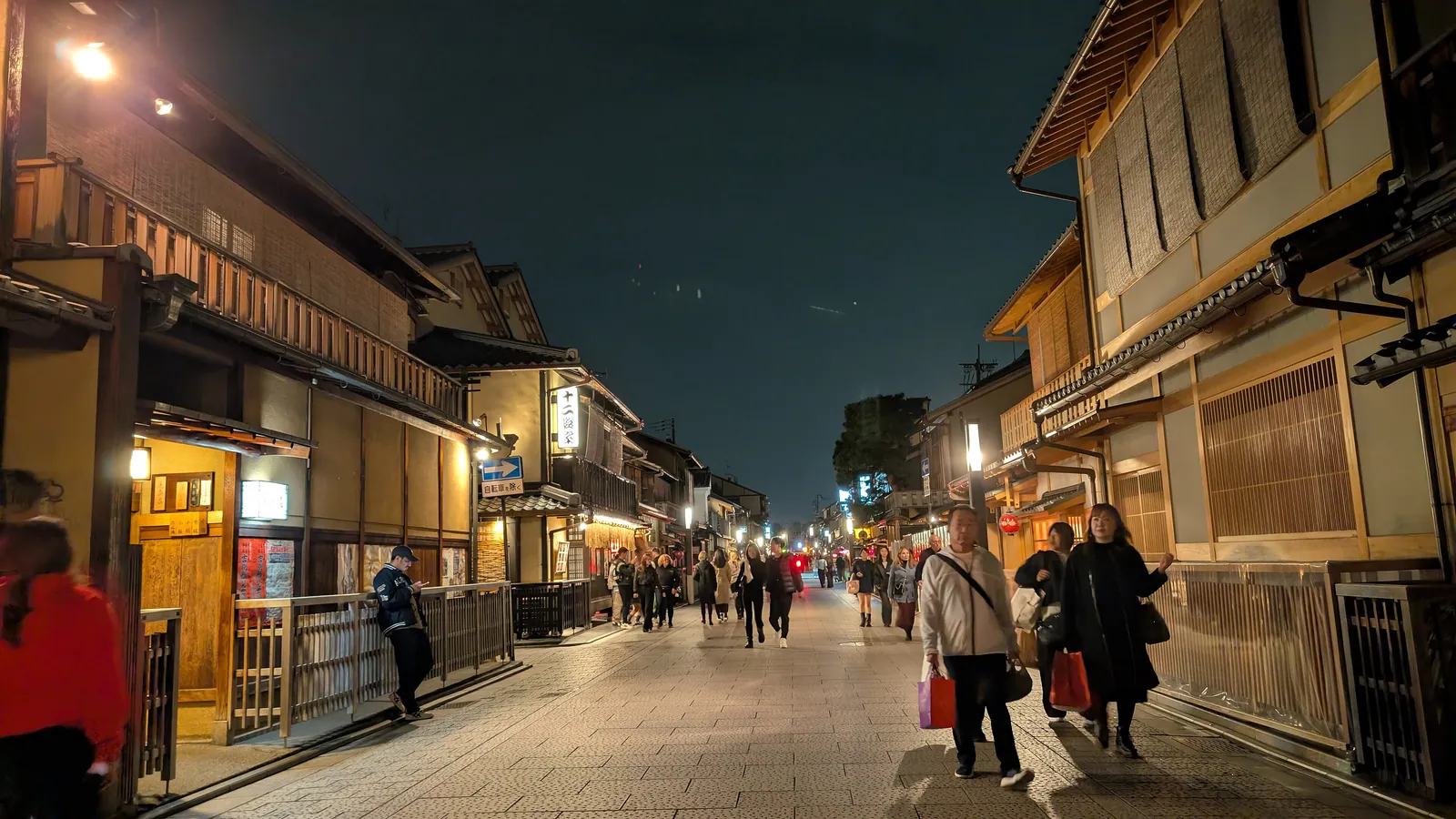
Gion is the best known of these districts, its wooden machiya townhouses and lantern-lit lanes among the most atmospheric streets in Japan. This article explains who the geiko and maiko are, how the districts function, where they are, and — most importantly — how to walk these lanes as a respectful guest rather than a nuisance.
Geiko and maiko: who they actually are
A geiko is a professional entertainer trained for years in the traditional Japanese arts — dance, the shamisen and other instruments, song, the tea ceremony, conversation and the subtle craft of hosting a gathering. A maiko is an apprentice, typically a young woman in her later teens, still in training, and distinguished by a more elaborate appearance: longer trailing obi, taller wooden okobo sandals, ornate hair ornaments and, often, more colourful kimono. A geiko’s look is more restrained.
Their world is structured and largely closed. Maiko live and train in an okiya, a lodging house run by its proprietress, and the arts themselves are taught at dedicated schools within each district. Entertainment takes place at exclusive teahouses, the ochaya, and at restaurants, where a geiko or maiko is engaged for an evening of dance, music, conversation and games. This is the work; the daytime glimpse a tourist may catch on the street is usually a woman simply travelling between an appointment and a lesson.
The five flower towns
Kyoto has five active hanamachi, or geisha districts. Gion Kōbu is the largest and most prestigious, centred on Hanami-kōji street. Gion Higashi is its smaller neighbour. Pontochō is a single narrow, intensely atmospheric lane running between a main street and the Kamo River, lined with restaurants. Miyagawachō lies just south of Gion, and Kamishichiken, near the Kitano Tenmangū shrine, is the oldest of the five.
Each district has its own crest, its own teahouses, and its own annual public dance performance — events such as the Miyako Odori in spring, staged in proper theatres, where geiko and maiko present classical dance to a ticketed audience. These performances are the single best and most respectful way for a visitor to actually see the artistry, rather than hoping for a fleeting street encounter.
Walking the lanes with respect
The hanamachi are exceptionally beautiful to walk — wooden facades, latticed windows, the glow of lanterns at dusk — and you are welcome to walk them. But they are residential and working districts, not an open-air museum, and in recent years pressure from visitors has become a genuine problem. Some private lanes in Gion have been closed to tourists altogether, and signage now sets out the rules clearly.
The courtesies are simple. Stay on the public streets and respect any signs barring private alleys. Do not block doorways or the narrow lanes. Keep your voice down, particularly in the evening. And above all, do not chase, surround, touch or photograph a geiko or maiko on the street — it is intrusive, it has been formally discouraged by the city, and it can carry fines. If you happen to see one, the gracious response is a quiet, brief acknowledgement and to let her pass.
How to genuinely experience the tradition
There are proper, respectful ways to encounter this world rather than ambushing it on the street. The seasonal public dances — the spring odori in particular — are theatrical performances open to anyone with a ticket and are the most reliable way to see geiko and maiko perform at their best. Some venues also offer afternoon performances aimed at visitors, with explanation in English.
It is also possible, through a ryokan, a high-end restaurant or a specialist arranger, to book an evening with a maiko or geiko — a meal accompanied by dance, music and traditional games. These engagements are costly and must be arranged in advance, but they are the authentic article: the artist is hosting you, as she would any guest. Viajes Globales can arrange such an evening, or theatre tickets, as part of a Kyoto stay.
Gion in the wider Kyoto evening
Gion sits naturally at the end of an eastern Kyoto day. A walk that begins at Ginkaku-ji, follows the Philosophers’ Path and visits Nanzen-ji can finish here as the light fades and the lanterns come on — Hanami-kōji and the riverside lane of Pontochō are at their most evocative at dusk. The Shirakawa canal, edged with willows and old houses, is the quietest and loveliest corner.
On The Long Way East, the Kyoto chapter includes such an evening in Gion, and where a traveller wishes it, a properly arranged maiko engagement or a seat at one of the seasonal dances. The district rewards the visitor who comes to admire its craft and its streets with care — and who remembers, walking those lanes, that this is somebody’s neighbourhood and somebody’s place of work.
Quick answers
What is the difference between a geiko and a maiko?
A geiko is a fully trained professional entertainer skilled in classical dance, music, song and the art of hosting. A maiko is her apprentice, usually a young woman in her later teens, still in training. Maiko wear a more elaborate appearance — trailing obi, tall okobo sandals, ornate hairpins and brighter kimono — while a geiko’s look is more restrained.
Can I photograph geiko and maiko in Gion?
Not on the street. Kyoto has formally discouraged photographing, chasing or surrounding geiko and maiko in the public lanes, some private alleys in Gion are closed to visitors, and fines can apply. They are working professionals, not an attraction. To see and photograph them properly, attend a ticketed seasonal dance performance instead.
How can I actually meet or see a geiko or maiko?
Two respectful routes: attend one of the seasonal public dance performances, such as the spring odori, which are ticketed theatre events; or book a private evening with a maiko or geiko through a ryokan, high-end restaurant or specialist arranger. The latter is costly and must be booked ahead, but it is an authentic, hosted encounter.

Let the reading become a route.
When an article sparks something, our planners are the next step. Tell us what you are dreaming of.