The Great Walks of New Zealand: A Field Guide to the Eleven
New Zealand's Great Walks are its premier multi-day trails — engineered, hut-served and booked out months ahead. Here is what the network is, how the eleven differ, and how to choose the one that suits you.
The Great Walks are a curated set of premier multi-day hiking trails managed by New Zealand's Department of Conservation, the agency known as DOC. There are eleven of them, spread across both main islands and Stewart Island in the far south, and together they pass through some of the country's finest country: fiords, volcanoes, beech forest, golden coast and braided river valleys.
What makes them distinct from New Zealand's thousands of other trails is the standard of the track itself and the infrastructure along it. Great Walks are well-formed and well-signposted, with serviced huts and designated campsites spaced at sensible day-walk intervals. They must be booked in advance, and the popular ones sell out within hours of bookings opening. Choosing the right one, and securing a place, is most of the work.
What 'Great Walk' actually means
A Great Walk is a grade of trail, not a difficulty rating. The designation guarantees a broad, benched and drained path, clear signage and bridged river crossings, which makes these the most accessible way to experience New Zealand's backcountry without specialist navigation or scrambling. They are still genuine multi-day walks, with real ascents and real weather, but they remove most of the route-finding risk.
Each walk has a network of huts — bunk-style shelters with mattresses, toilets and often a gas stove and running water — and most also allow camping at fixed sites. During the Great Walk season, roughly late October to late April, both huts and campsites must be booked, and rangers are usually present. Outside the season, fees drop, services are reduced and the walks become genuinely remote.
The famous three: Milford, Routeburn, Kepler
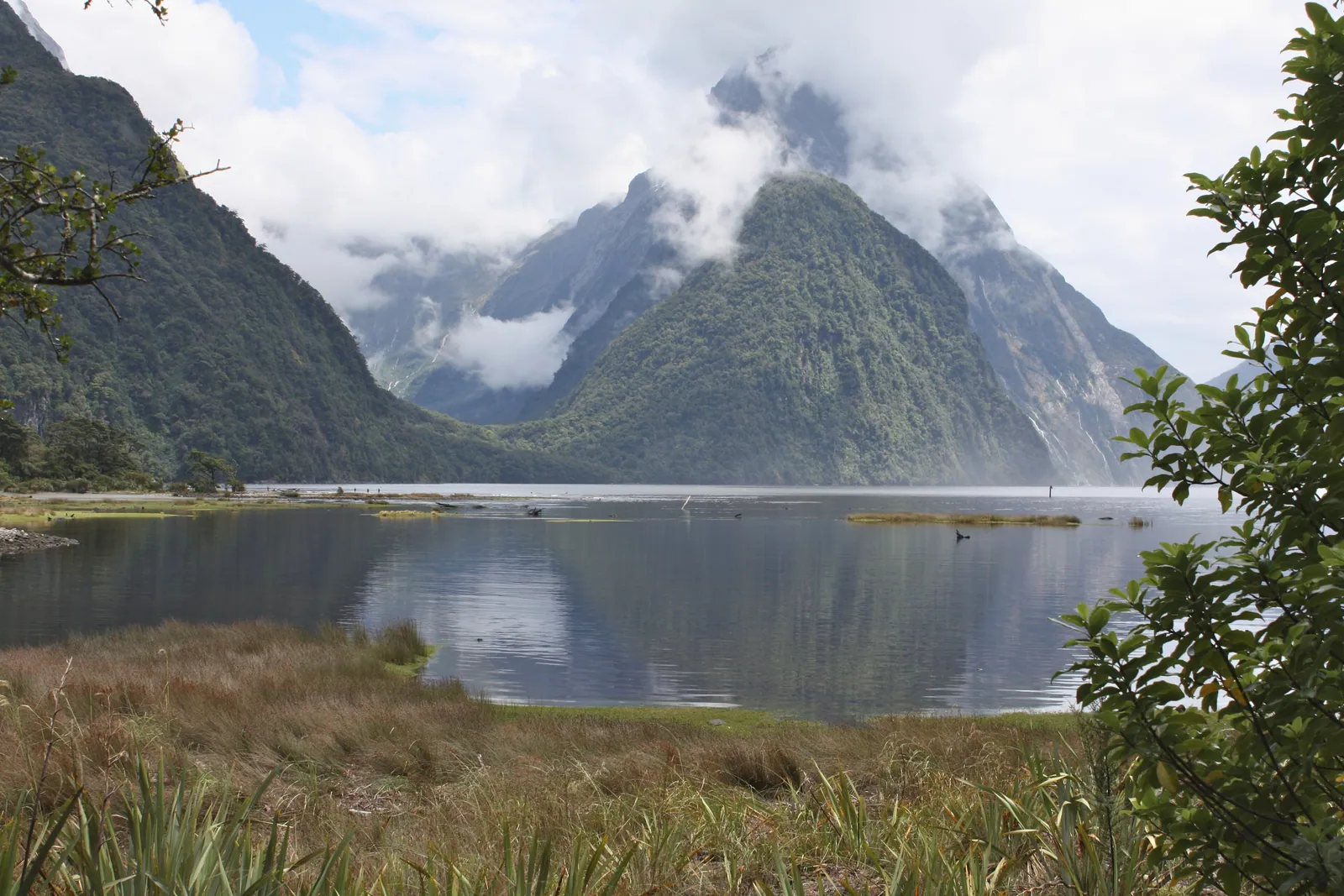
Three Great Walks cluster in and around Fiordland and are the most sought-after. The Milford Track, often billed as 'the finest walk in the world', runs 53.5 kilometres over four days from the head of Lake Te Anau to Milford Sound, crossing the Mackinnon Pass and passing Sutherland Falls, one of New Zealand's tallest. It is one-directional, capped at a strict daily quota, and books out almost instantly.
The Routeburn Track is a 32-kilometre traverse linking Fiordland and Mount Aspiral national parks, celebrated for alpine views from the Harris Saddle. The Kepler Track is a 60-kilometre loop near Te Anau, engineered in the 1980s specifically as a Great Walk, with a superb tussock-ridge section above the treeline. All three are best walked between November and April.
Volcanoes, coast and the deep south
Beyond Fiordland the eleven fan out in character. The Tongariro Northern Circuit, in the central North Island, loops around the active volcano Mount Ngauruhoe through a stark landscape of craters, lava and emerald-coloured lakes, and incorporates the celebrated Tongariro Alpine Crossing day section. The Abel Tasman Coast Track, at the top of the South Island, is the gentlest and sunniest of all — golden beaches, turquoise water and tidal estuaries, walkable in any season.
Others reward those willing to travel further. The Heaphy Track crosses Kahurangi National Park from beech uplands to nikau-palm coast. The Paparoa Track is the newest, combining alpine tops with limestone country. The Rakiura Track, on remote Stewart Island, and the two water-based Great Walks — the Whanganui Journey by canoe and the Lake Waikaremoana Track — round out a network that is far more varied than its reputation as 'just hiking' suggests.
Booking, and the reality of demand
Bookings for the Great Walk season open through the DOC website on set dates, usually in the southern winter. For the Milford, Routeburn and Kepler tracks, the most popular dates can be gone within an hour. The other walks are less frantic but still need planning weeks or months ahead, particularly for the summer holiday period from late December.
There are guided options on several walks, run by licensed operators who use private lodges with hot showers and cooked meals rather than the DOC huts, at a considerably higher price. For travellers who want the trail without the logistics of self-catering and hut bookings, this is a legitimate and comfortable way to do it.
How a Great Walk fits a wider journey
A full Great Walk takes three to six days and a fair amount of advance commitment, which does not suit every traveller or every itinerary. On The Pacific Arc journey we generally favour the best single-day sections — a day on the Routeburn from the Divide, or the high crossing of the Tongariro country — which deliver the signature landscapes without the multi-day hut logistics.
Travellers who specifically want to complete an entire Great Walk are best advised to build it in deliberately, either side of a wider journey, and to book the moment the season opens. The walks are popular for good reason, and they reward planning far more than spontaneity.
Quick answers
How many Great Walks are there, and do I have to do a whole one?
There are eleven Great Walks across New Zealand. You do not have to complete an entire walk — most have road-accessible ends or junctions that allow excellent day walks along their best sections. Doing a full Great Walk, however, means committing to three to six days and booking huts or campsites well in advance.
Are the Great Walks difficult?
They range from gentle to demanding. The Abel Tasman Coast Track is easy and suits most reasonably fit walkers; the Milford, Routeburn and Tongariro circuits involve sustained climbs and exposed alpine sections where weather can turn quickly. None require technical climbing skill, but all require decent fitness, proper footwear and genuine wet-weather gear.
Can I walk a Great Walk without booking?
During the Great Walk season, roughly late October to late April, huts and campsites must be booked in advance and the popular tracks sell out fast. Outside the season, bookings are not generally required and fees are lower, but services are minimal, bridges may be removed, and the walks become much more serious undertakings best left to experienced, well-equipped trampers.
Let the reading become a route.
When an article sparks something, our planners are the next step. Tell us what you are dreaming of.