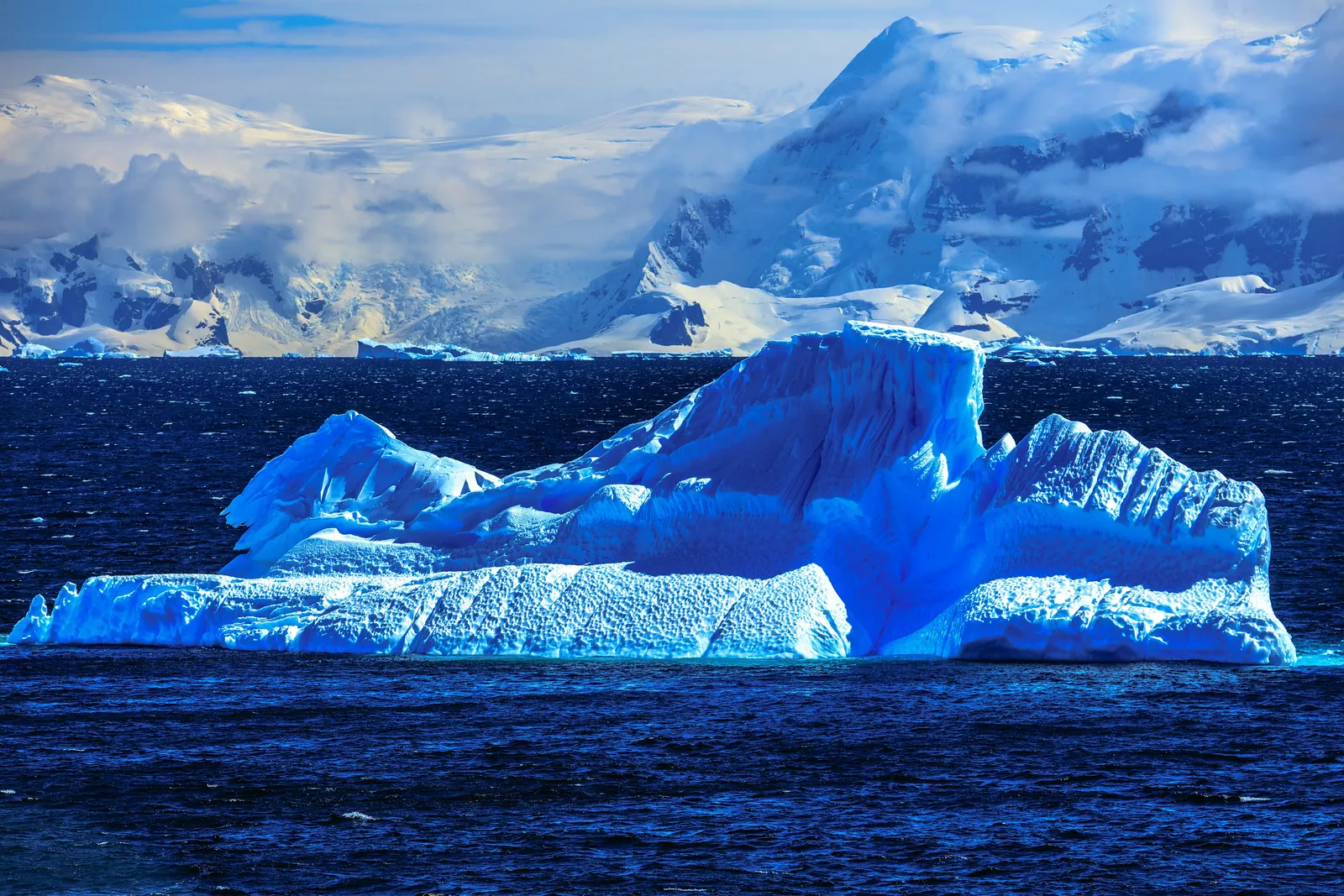
Packing for Antarctica: A Polar Kit List
Antarctica is colder and windier than its summer temperatures suggest, yet packing for it is surprisingly precise. A clear, item-by-item guide to dressing for the ice — and to what the ship will hand you when you arrive.
Travellers picture Antarctica as a feat of extreme packing, and then are quietly surprised. Summer on the Antarctic Peninsula is rarely as cold as a hard winter back home — temperatures often hover near freezing — but it is reliably windy, and it is wet at the water’s edge on every landing. The kit you need is not exotic; it is precise, and most of the bulkiest pieces you will not even pack.
What makes the polar leg work is the layering system, scaled up, plus a small set of pieces dedicated to keeping wind and spray off you. Get those right and an Antarctic landing is comfortable enough to give the place your full attention — which, faced with that scenery, is all you will want to do.
What the expedition vessel provides
The first thing to know is what you do not need to carry. On Andes to Antarctica, and on the polar leg of Beyond the Blue, the expedition vessel typically issues each guest an insulated, windproof outer parka to keep, and lends tall waterproof boots sized for shore landings. These are the two single largest items in any polar kit, and they are handled for you.
That changes the packing problem entirely. You are not assembling a polar wardrobe from scratch; you are bringing the layers that go underneath a parka and inside a boot. Always confirm the details on your own journey’s kit list, but plan from the start on the assumption that the outer shell and the footwear are supplied.
The layers underneath
Under the provided parka you build the same layering system you use elsewhere on the journey, simply with everything present at once. Against the skin, a mid-weight merino or synthetic base layer, top and bottom. Over that, insulation: a fleece and a packable down or synthetic jacket, which together do most of the warming. The ship’s parka is the windproof outer shell over the lot.
Two pairs of warm trousers serve the polar leg well — a base-layer legging plus an insulated or softshell trouser over it. The principle is unchanged from the rest of the journey. You are not learning a new way to dress for Antarctica; you are using the system you already know, with no layer left in the bag.
Hands, head and feet
Extremities lose heat fastest and matter most in the wind. For hands, a two-part system works best: a thin liner glove that lets you operate a camera, worn inside a warm, windproof insulated glove or mitten. Mittens are warmer than gloves because the fingers share heat. Bring a spare pair, since one wet glove on a landing should not end your day.
For the head, a warm hat that covers the ears, plus a neck gaiter or buff you can pull over your face against spray and wind. For the feet, thick wool socks worn inside the boots the ship provides — bring several pairs so each landing starts dry. A warm sock is the difference between a cold landing and a comfortable one.
The small things that make landings comfortable
Antarctic light is intense, doubled by its reflection off ice and water, so good sunglasses are essential and sunscreen for the face is not optional. Waterproof trousers, or rain trousers, keep spray off during the Zodiac transfer between ship and shore — a short, splashy ride on most landings. A dry bag protects a camera and a phone on that same crossing.
Pack hand-warmer sachets if you feel the cold, a small day-bag for layers and a water bottle, and lip balm against the dry wind. None of this is heavy. The polar kit, once the parka and boots are removed from your responsibility, fits easily within the luggage you are already carrying for the rest of the journey.
Why polar packing is precise, not extreme
It helps to set expectations. You are visiting in the austral summer, when the Peninsula is at its mildest and the days are long. You are not camping on the ice; you return each evening to a warm ship. The cold you must dress for is the cold of a windy landing of a few hours — real, but bounded, and entirely manageable with the right layers.
This is why the Antarctic leg of a journey like Beyond the Blue, for all its drama, does not demand a separate suitcase of specialist gear. It asks for the layering system you brought anyway, a handful of warm accessories, and a willingness to add every layer at once. Pack with that clarity and the ice becomes simply a place to be present in.
Quick answers
How cold does it actually get in Antarctica on these journeys?
Our Antarctic legs travel in the austral summer, when temperatures on the Peninsula commonly sit around freezing — often milder than a hard winter day at home. The challenge is wind and spray rather than extreme cold. Dress for a windy few hours ashore, knowing you return to a warm ship each evening.
Do I need to buy a polar parka and boots?
Generally no. Expedition vessels on our Antarctic legs typically provide an insulated, windproof parka for each guest to keep and lend waterproof boots for landings. These are the bulkiest items, so you mainly pack the layers that go underneath. Always confirm against your specific journey’s kit list.
What is the most overlooked item for an Antarctic landing?
Waterproof over-trousers and a dry bag. The transfer from ship to shore is by Zodiac, a short and often splashy ride, so keeping your legs and your camera dry matters as much as keeping warm. Spare gloves and several pairs of thick wool socks, so every landing starts dry, are close behind.
Let the reading become a route.
When an article sparks something, our planners are the next step. Tell us what you are dreaming of.