Packing for the Desert: Sun, Heat and the Cold That Follows
Deserts ask travellers to pack for two climates in one place — a fierce, bright heat by day and a surprising chill by night. A field guide to dressing for the Atacama, the Sahara and the dry lands our journeys cross.
The desert is the climate travellers most often misjudge. They pack for the heat — light shirts, shorts, sun cream — and are caught out twice: by how punishing the daytime sun is even in cool air, and by how sharply the temperature falls once it sets. A desert is not one climate to dress for. It is two, hours apart, in the same landscape.
Pack for both and the desert becomes one of the most rewarding places on any journey: the high clarity of the Atacama’s light, the silence of the Sahara at dusk. The kit is not large or complicated. It is built around two ideas — cover yourself from the sun, and carry a warm layer for the cold that follows it.
Why deserts are cold at night
The swing surprises people, so it is worth understanding. Desert air is very dry, and dry air holds little heat. With almost no humidity and few clouds to act as a blanket, the warmth the ground absorbs all day radiates straight back into a clear sky after sunset. The result is a daily temperature range that can exceed 20 degrees Celsius — a hot afternoon and a genuinely cold night.
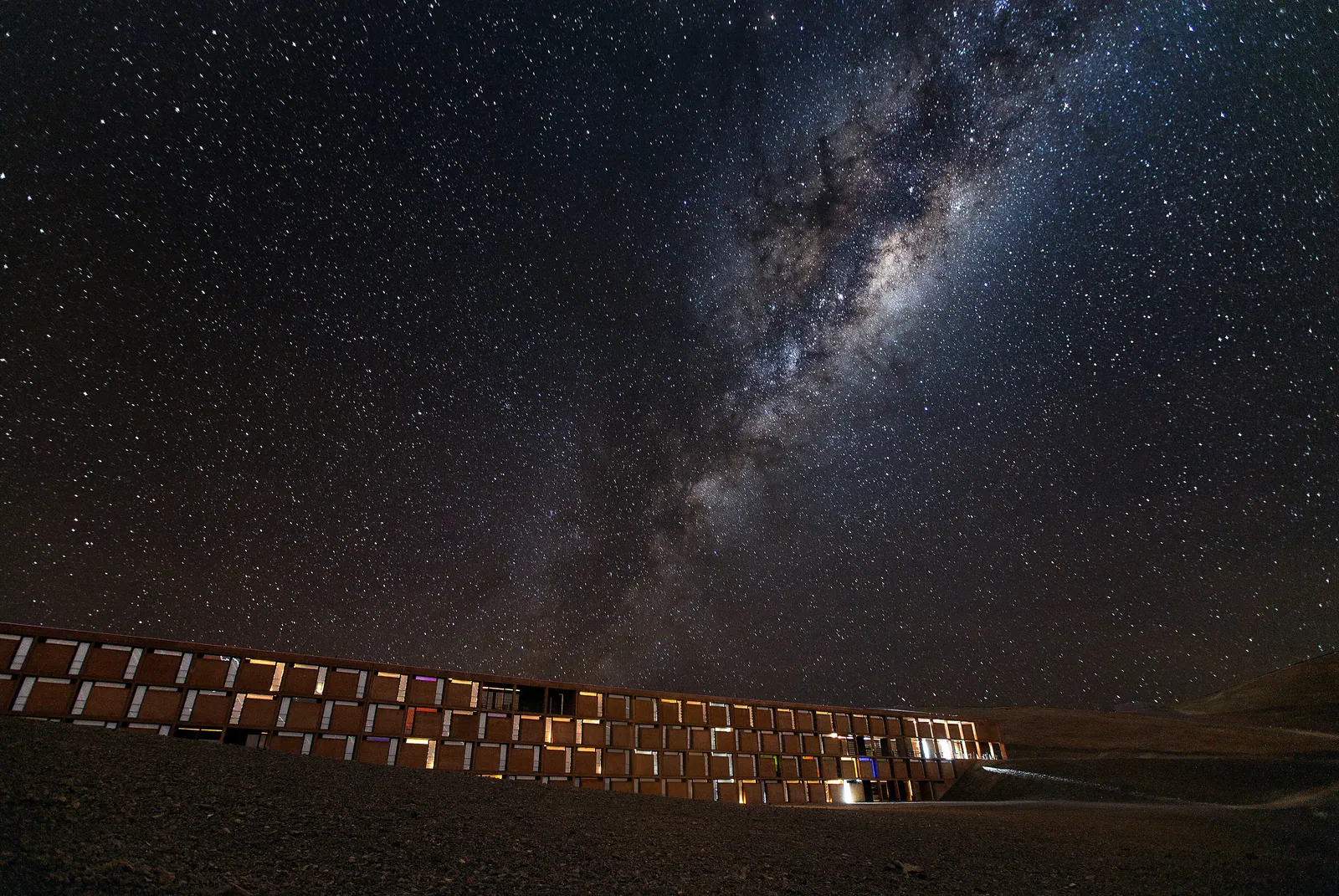
Altitude sharpens it further. The Atacama is not only a desert but a high one, much of it well above 2,000 metres and some of its sights far higher, and at altitude the thin air loses heat faster still. A traveller watching the stars on the Atacama plateau at night can be near freezing only hours after a shirt-sleeve afternoon. The warm layer is not optional desert kit; it is essential.
Dressing for the daytime sun
The instinct in heat is to wear less. In a strong-sun desert the better instinct is often to cover more — loosely. Lightweight, loose-fitting long sleeves and long trousers in a breathable fabric shade the skin while still letting air move and sweat evaporate, which is how the body cools. People have dressed this way in deserts for millennia, and it remains sound advice.
Choose light colours, which reflect rather than absorb the sun, and fabrics with a genuine sun-protection rating. A wide-brimmed hat that shades the face, ears and neck is far better than a cap; proper sunglasses protect the eyes against intense glare. Pack high-factor sunscreen and reapply it, and lip balm with sun protection. The desert sun is relentless, and skin cover is the first line of the kit.
The warm layer and the night kit
For the evening, bring the same insulation you would carry for a cool mountain night: a fleece or light insulated jacket, a warm hat, and a windproof shell, since desert nights are often breezy as well as cold. Long trousers and closed shoes replace the day’s lighter wear. None of this is bulky, and on a multi-climate journey it is gear you are carrying anyway.
Two small extras pay off. A buff or light scarf shields your face and neck from blowing sand and dust, and doubles as warmth after dark. And keep a head torch within reach — desert nights are profoundly dark, which is exactly their appeal for stargazing, but it means you want your own light to move around camp or a viewpoint safely.
Water, dust and the small practicalities
The dry air dehydrates you invisibly, with little obvious sweat, so carry more water than thirst suggests and drink steadily through the day. A robust refillable bottle, or two, belongs in every desert daypack. Fine dust is the other constant: it works into bags, cameras and electronics, so a few dry bags or sealable pouches inside the daypack are worth their negligible weight.
Footwear should be closed and comfortable, with socks, against both hot sand and sharp stone; sandals alone leave feet exposed to grit and sun. A small daypack carries the day’s water, sun kit and the warm layer for when the temperature turns. Pack moisturiser and perhaps eye drops, too — the dry air is hard on skin and eyes over consecutive days.
Deserts on our journeys
Several of our journeys cross true desert, and the same kit serves them all. Beyond the Blue begins in the Atacama, among the driest landscapes and clearest night skies on Earth — a place that demands full sun cover by day and real insulation for its high, cold, star-filled nights. The Silk Road Reborn threads the desert cities and dry steppe of Central Asia, hot and dusty by afternoon, cool after dark.
Marrakech and the country around it, a gateway on more than one of our routes, sits at the edge of the Sahara and shows the same daily swing. The reassurance is that desert packing folds neatly into the wider layering system: sun-protective clothing for the heat, the journey’s insulating layers for the night. One kit, used differently between noon and midnight, meets the desert in full.
Quick answers
Why do I need warm clothes for a desert?
Desert air is very dry, so it holds little heat. With no humidity and few clouds to trap warmth, the heat of the day radiates away fast after sunset, and temperatures can fall by more than 20 degrees Celsius. High deserts like the Atacama are colder still. A fleece, a warm hat and a windproof layer are essential desert kit.
Should I wear shorts and short sleeves in the desert heat?
Often the opposite is wiser. Loose, lightweight, light-coloured long sleeves and trousers shade your skin from intense sun while still letting air circulate to cool you. Add a wide-brimmed hat, sunglasses and high-factor sunscreen. Covering up, rather than stripping down, is the long-standing and effective way to dress in strong-sun deserts.
What is the most overlooked item for a desert journey?
A warm layer for the night, closely followed by a buff or scarf for blowing dust and a head torch for the dark. Travellers pack thoroughly for the heat and forget that the same desert turns cold and pitch-dark after sunset. Plenty of water and a few dry bags to keep fine dust out of electronics round out the kit.
Let the reading become a route.
When an article sparks something, our planners are the next step. Tell us what you are dreaming of.