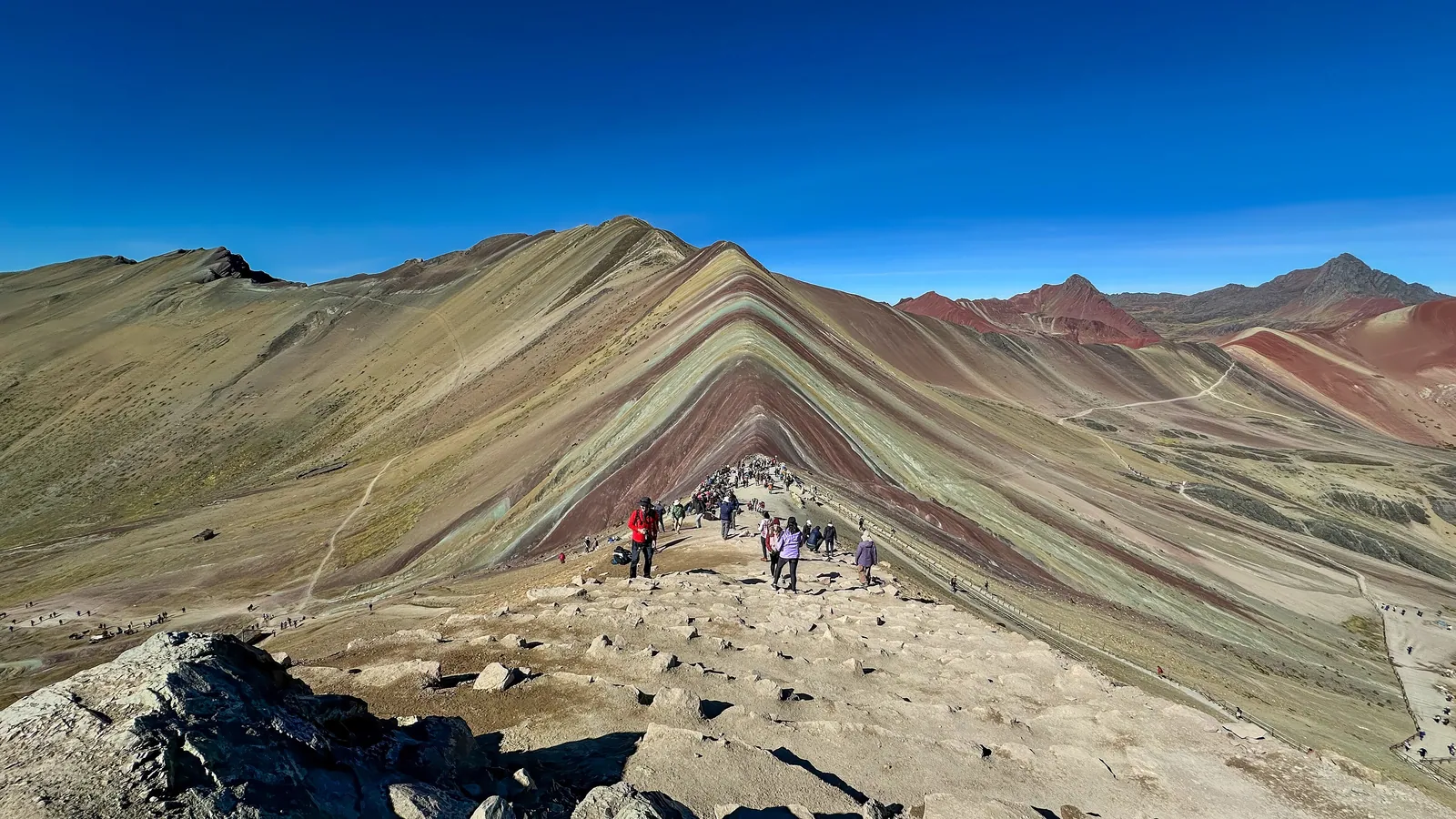
Beyond the Inca Trail: Salkantay, Lares and Choquequirao
When the Classic Inca Trail is sold out — or when you want something wilder, higher or quieter — three superb alternatives lead toward Machu Picchu. Here is how to choose between them.
The Classic Inca Trail is famous, finite and often fully booked. Fortunately it is far from the only way to walk into the Machu Picchu region. Three alternative treks — the Salkantay, the Lares and the Choquequirao — each reach the citadel's world by a different character of landscape, and none requires the Inca Trail's scarce permit.
Choosing between them is really a choice of experience. The Salkantay is the high, dramatic mountain route; the Lares is the gentle, cultural valley walk; the Choquequirao is the long, demanding expedition to a second lost city. Match the trek to the traveller and any of the three can outshine the original.
The Salkantay: high mountains and glaciers
The Salkantay trek is the most popular Inca Trail alternative, a four-to-five-day route named for the great glaciated peak of Salkantay, 6,271 metres. Its high point is the Salkantay Pass at roughly 4,600 metres — higher than anything on the Classic Trail — crossed in the shadow of the mountain itself.
From that austere alpine world the route descends dramatically into warm cloud forest, a transition from glacier to orchid in a single trek. It does not follow original Inca road and does not arrive through the Sun Gate; most itineraries finish at the town of Aguas Calientes, with Machu Picchu visited the next morning.
The Lares: villages and weaving
The Lares trek is the cultural choice, a shorter and gentler route — typically two to three walking days — through the highland valleys north of the Sacred Valley. It passes working Quechua communities where herding and traditional weaving are still the rhythm of daily life.
Several variations exist, and the Lares is often combined with a hot-spring stop and an end-on visit to Machu Picchu by train. It is the best alternative for travellers who want genuine cultural contact and beautiful scenery without the sustained altitude and effort of the high passes.
The Choquequirao: the long road to a second lost city
Choquequirao is Machu Picchu's remote sister — a large Inca complex spread across a remote ridge above the Apurímac canyon, far less excavated and visited by only a small number of trekkers each day. Reaching it means a serious expedition.
The classic out-and-back trek to Choquequirao is four to five tough days involving an enormous descent into the Apurímac gorge and an equally enormous climb out the other side. Longer traverses link Choquequirao onward to Machu Picchu over eight or nine days. This is the route for experienced, fit walkers who want solitude and a site they may have largely to themselves.
Permits, seasons and difficulty compared
None of these three treks requires the Classic Inca Trail permit, which is their great practical advantage — they can be arranged on shorter notice and run on dates the Inca Trail cannot. They do still need entry tickets for Machu Picchu itself, and the Salkantay route passes through a regulated area.
All are best in the May-to-September dry season; the rainy months bring mud, cloud and, on the Choquequirao, real river-crossing concerns. In rough order of difficulty: Lares is the most accessible, Salkantay the moderately hard high-altitude option, and Choquequirao decisively the most demanding of the three.
Choosing your route on a grand journey
On Andes to Antarctica the trekking days are scheduled after acclimatisation in Cusco and the Sacred Valley, so whichever route you walk, you arrive at the trailhead already adjusted to the thin air. That single piece of pacing transforms how the high passes feel.
If you want mountain drama, choose the Salkantay. If you want people and culture over passes, choose the Lares. If you want a true expedition to a citadel few travellers ever see, give the time to Choquequirao. Each ends, one way or another, at the same incomparable place.
Quick answers
Do the alternative treks need an Inca Trail permit?
No. The Salkantay, Lares and Choquequirao routes do not use the Classic Inca Trail and do not require its rationed permit, which is why they can be booked closer to departure. You still need a separate timed entry ticket for Machu Picchu itself, and the Salkantay area has its own regulations.
Which alternative trek is the hardest?
The Choquequirao trek is clearly the most demanding, with a vast descent into and ascent out of the Apurímac canyon and very basic infrastructure. The Salkantay is moderately hard, with a pass around 4,600 metres. The Lares is the gentlest and best suited to travellers wanting culture over high passes.
Do these treks arrive through the Sun Gate?
Generally no — that arrival is unique to the Classic and Short Inca Trails, which walk original Inca road to Intipunku. The Salkantay, Lares and Choquequirao routes typically end at Aguas Calientes, with Machu Picchu visited the following morning by the standard entrance.
Let the reading become a route.
When an article sparks something, our planners are the next step. Tell us what you are dreaming of.