Staying Well in Heat and Strong Sun
From the Saharan light of Marrakech to the high glare of the Atacama, heat and sun are constant travelling companions in much of the world. Here is how to enjoy them without letting them wear you down.
Heat and strong sun are not dangers to fear so much as forces to respect. The simple summary: drink more water than you think you need, stay out of the fiercest midday sun, cover up and use sunscreen, and pace yourself. Do those four things and a hot, bright destination becomes a pleasure rather than an ordeal.
What makes this worth a full article is that the sun catches travellers out in non-obvious ways — at altitude, on cool-feeling days, on water, in a desert breeze. Heat-related illness builds gradually and is largely preventable once you recognise the early signs. A little knowledge here protects some of the most memorable days of any journey.
How heat affects the travelling body
Your body sheds heat mainly by sweating, and sweating costs you water and salts. In a hot climate, especially while walking, exploring or simply being active, you lose fluid steadily and often without noticing — the air is dry, the sweat evaporates fast, and thirst lags behind real need. Add the exertion of travel and the effect compounds.
Heat also takes a few days to adjust to. Travellers arriving from a cool climate into the warmth of Morocco, the Nile valley or the Serengeti commonly feel more tired and less energetic for the first few days; this is normal acclimatisation, and it eases. The practical lesson is to go gently at the start of a hot segment and let your body settle rather than pushing hard on day one.
Hydration done properly
Drink regularly throughout the day rather than waiting until you are thirsty, and drink more on active days and in extreme heat. Water is the foundation. When you are sweating heavily for hours, you also lose salts, so include some source of electrolytes — oral rehydration salts, electrolyte tablets, or simply eating normally with your meals, since food replaces salt too.
A useful, low-tech gauge is your urine: pale and plentiful suggests you are well hydrated; dark and scant is a signal to drink more. Be modest with alcohol and strong coffee in intense heat, as both add to fluid loss, and enjoy them later in the day rather than under the midday sun. Our journeys keep safe drinking water available throughout, including on long road days, precisely so steady hydration is effortless.
Protecting yourself from the sun
Sun protection is about preventing both the immediate misery of sunburn and the longer-term harm of overexposure. Use a broad-spectrum sunscreen of high factor, apply it generously to all exposed skin, and reapply through the day — every couple of hours, and after swimming or heavy sweating. Sunscreen is not a one-application task.
Clothing is the most reliable shield of all. A wide-brimmed hat protects your face, ears and neck; loose, long, light-coloured clothing keeps the sun off while letting air circulate; good sunglasses protect your eyes. The sun is strongest for the few hours around midday, so plan demanding outdoor activity for the morning and late afternoon and use the middle of the day for lunch, shade and rest — which is also, conveniently, how the local rhythm of life tends to work in hot countries.
The places sun catches travellers out
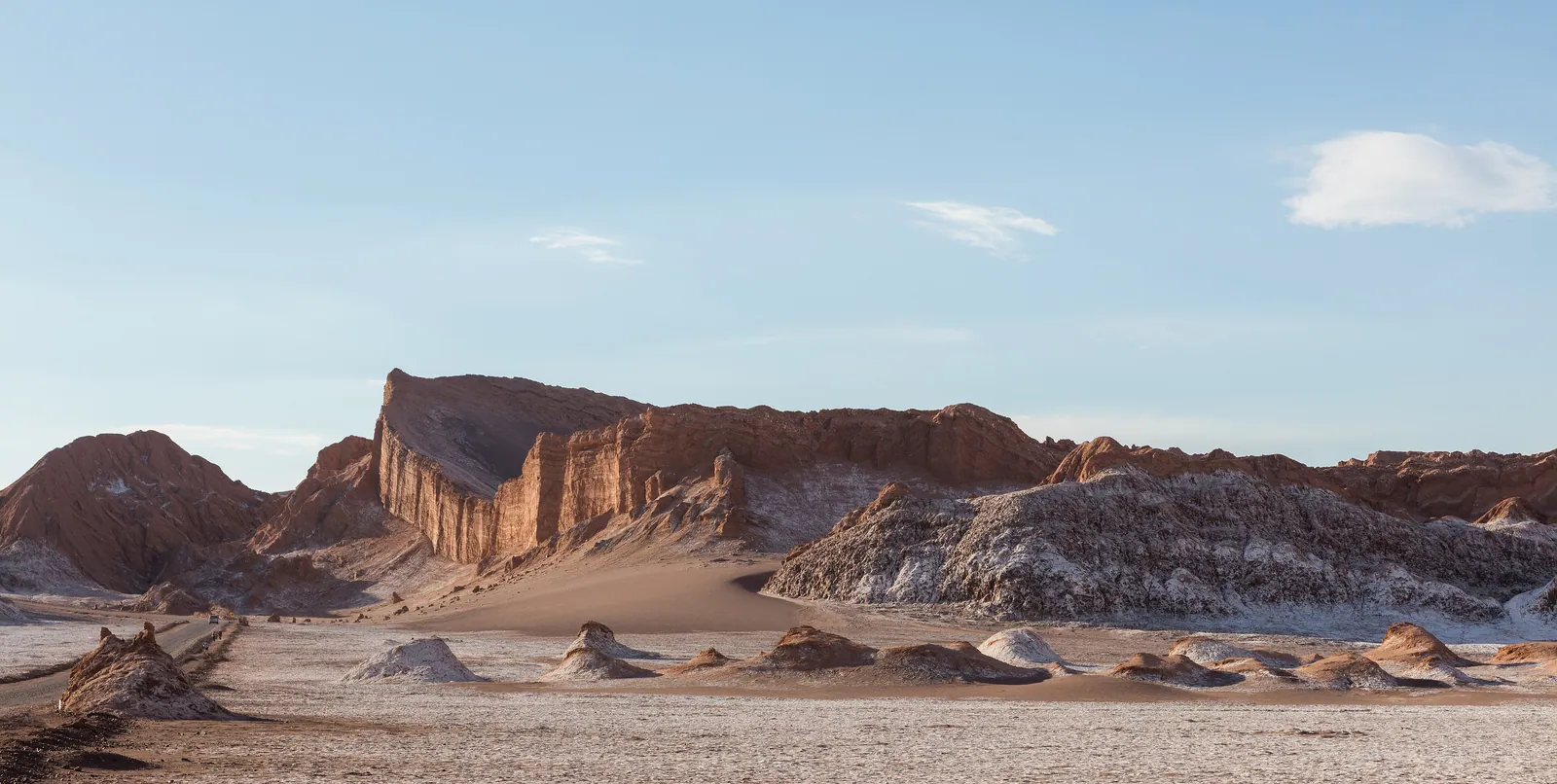
Sun is more intense, and more deceptive, than people expect in several settings. At altitude — the Andean stretches of Andes to Antarctica, the high desert of the Atacama — there is less atmosphere to filter ultraviolet light, so you burn faster even when the air feels cool. Cloud cover lets a great deal of ultraviolet through, so an overcast day is not a day off from sunscreen.
Reflective surfaces multiply exposure: water, pale sand and snow bounce sunlight onto your skin from below, reaching places a hat does not cover. A pleasant breeze can mask how much sun you are getting, so a comfortable feeling is no guide to safety. The takeaway is to protect yourself on all bright days, not only the obviously scorching ones.
Recognising heat illness and acting early
Heat illness exists on a spectrum, and catching it early keeps it minor. Heat exhaustion is the warning stage: heavy sweating, tiredness, dizziness, headache, nausea, muscle cramps, clammy skin. The response is prompt and simple — stop, get into shade or a cool place, loosen clothing, sip water or an electrolyte drink, and rest. Most people recover well with this.
Heat stroke is the serious stage and a medical emergency: very high body temperature, confusion, hot skin, sometimes a loss of sweating, collapse. It needs urgent cooling and immediate medical help. The way to stay well clear of it is to act at the heat-exhaustion stage and never push through it. Tell your guide at the first sign you are struggling in the heat — our guides watch for this, build shade and water into hot days, and would always rather you paused early than pressed on.
Quick answers
How much should I drink in a hot climate?
More than thirst suggests, and steadily through the day rather than in occasional large amounts. Increase your intake on active days and in extreme heat, and add electrolytes when you are sweating heavily for hours. Pale, plentiful urine is a good sign you are keeping up.
Do I need sunscreen on cloudy days or at altitude?
Yes to both. Cloud lets much of the sun's ultraviolet through, and at altitude there is less atmosphere to filter it, so you can burn faster even when the air feels cool. Protect yourself on every bright day, not just the obviously hot ones.
What is the difference between heat exhaustion and heat stroke?
Heat exhaustion is the warning stage — heavy sweating, dizziness, headache, nausea — and usually resolves with rest, shade and fluids. Heat stroke is a medical emergency, marked by very high temperature, confusion and collapse, and needs urgent cooling and medical help. Acting at the exhaustion stage prevents the serious one.
Let the reading become a route.
When an article sparks something, our planners are the next step. Tell us what you are dreaming of.