The Best Time to Take Each Grand Journey
Every one of our six grand journeys has a season when it is at its finest — and the right month is rarely an accident of the calendar. Here is when each journey comes into its own, and why.
Each of our grand journeys is built around a departure window chosen for one reason: it is when the route works best. Andes to Antarctica sails in the southern summer, December to March. The Long Way East and The Silk Road Reborn favour spring and autumn. The Great Rift hinges on the East African dry seasons. The Pacific Arc threads a path between two hemispheres, and Beyond the Blue is timed to calm seas.
If you are deciding when to travel, start not with your own calendar but with the journey's. The sections below set out the best months for each of the six, and the climate logic behind them, so you can match your year to the season that will reward you most.
Andes to Antarctica — December to March
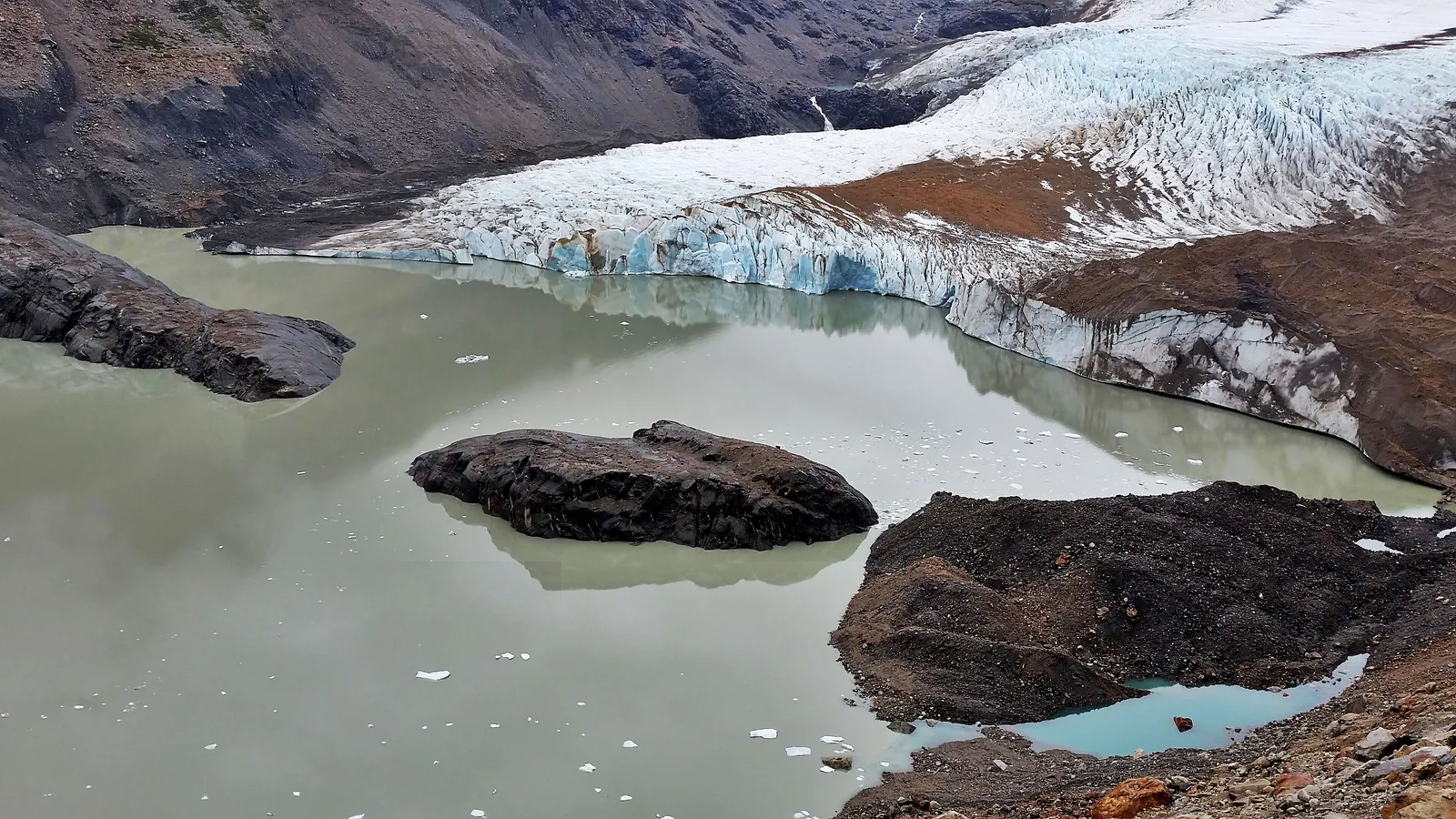
This journey crosses the high Andes and the Atacama before reaching Patagonia and the white continent, so it must be timed to the Southern Hemisphere summer. The Antarctic Peninsula is only reachable from roughly late October to March, when sea ice retreats and daylight is long; the depth of that window, December to February, brings the warmest weather and hatching penguin chicks.
The same months serve the rest of the route well. Patagonian summer, December to February, gives the longest days for the Torres del Paine trekking, though it is also the windiest stretch of the year. The Atacama and the Andean altiplano are high desert and travel well year-round, with cool, dry, brilliantly clear days. Aligning the whole journey to the austral summer is what lets a single itinerary run from Cusco to the ice.
The Great Rift — the East African dry seasons
The Great Rift, running from Egypt down through Ethiopia and into East Africa, is governed by the dry seasons of the savanna. In Kenya and Tanzania the long dry season runs from roughly June to October, when grass is short, wildlife concentrates around water and game viewing is at its reliable best. A shorter dry window falls in January and February, between the two rainy seasons.
Timing also shapes what you see of the great wildebeest migration, which circles the Serengeti and Masai Mara across the year. Egypt and the Nile, at the journey's northern end, are most comfortable from October to April, when the desert heat eases. June to October is the broadest sweet spot for the journey as a whole — dry skies over the savanna and a kinder season along the Nile.
The Long Way East — spring and autumn
This journey runs west to east across Asia, ending in Japan, and its finest windows are the shoulder seasons: April and May, then late September through November. These months avoid both the summer heat of the continental interior and the cold of its winters, and they carry the year's two great set-pieces — cherry blossom in spring and autumn colour in the maples.
Spring departures can be timed toward the sakura front as it moves north through Japan, typically late March to mid-April depending on the year. Autumn departures catch the koyo, the turning of the leaves, which sweeps south and down the mountains from roughly mid-October into early December. Either shoulder season is superb; the choice is mostly one of which spectacle you would rather walk into.
The Silk Road Reborn — April to June, September to October
The Silk Road Reborn traces the old caravan routes through Central Asia, a region of hot continental summers and cold, sometimes severe winters. The historic oasis cities — Samarkand, Bukhara, Khiva — are most rewarding in spring and autumn, when daytime temperatures are warm rather than punishing and the desert nights are merely cool.
April to June brings green steppe, blossom and snowmelt still feeding the rivers; September and October bring the harvest, golden light and markets piled with fruit. Midsummer in the desert cities can climb past 40 degrees Celsius, and the high passes toward the journey's eastern reaches carry snow well into spring. The shoulder seasons sidestep both extremes, which is exactly why the journey is timed to them.
The Pacific Arc and Beyond the Blue — timed to calm and to summer
The Pacific Arc swings across the Pacific and into the Southern Hemisphere, so its core legs favour the austral summer, roughly November to March, when New Zealand and the southern Pacific are warmest and the days longest. Tropical island stretches sit in their own dry seasons, and the itinerary is sequenced to follow fair weather rather than fight it.
Beyond the Blue, our most specialised journey, is timed above all to calm seas and stable conditions for its deep-sea and high-altitude stages. That generally means departures in settled-weather windows for each region it touches. For both journeys the principle is the same one that underlies all six: the date is chosen by the route, and the route is chosen by the season.
How to use the departure calendar
Because each journey already sits in its best season, your real decision is usually which journey to take in a given year rather than which month to take a chosen journey. If your travel window is fixed — a sabbatical, a retirement year, a particular set of free months — let that window point you toward the journeys whose seasons it overlaps.
If instead the journey is fixed and the timing is flexible, the published departure dates are your guide; they exist because someone has already done the seasonal arithmetic. Our team is glad to talk through the trade-offs of an early-season versus a late-season departure on any journey, since even within the right season each month has its own character.
Quick answers
Is there a single best month to travel with Viajes Globales?
No — the best month depends entirely on the journey. Andes to Antarctica must run in the southern summer, December to March; The Great Rift favours the East African dry seasons, broadly June to October; The Long Way East and The Silk Road Reborn are at their best in spring and autumn. Each journey is timed to its own ideal season, so the question is really which journey suits the months you have free.
Can I take a grand journey outside its usual season?
The published departure dates are set within each journey's best season for good reason — they follow the weather, the wildlife and, for Antarctica, the very window when travel is possible at all. We do not generally run journeys outside these windows. If your available months do not match a journey you have set your heart on, it is usually wiser to choose a different journey or a different year than to travel in a poor season.
Which journey has the widest range of good months?
The Great Rift is among the most flexible, because the high desert of the Atacama-style landscapes and the East African savanna both offer long usable seasons; June to October is the broadest sweet spot. The Silk Road Reborn, by contrast, has a narrower window, concentrated in spring and autumn, because Central Asia's summers and winters are both severe.
Let the reading become a route.
When an article sparks something, our planners are the next step. Tell us what you are dreaming of.