The Big Cats of the Serengeti
Lion, leopard and cheetah share the Serengeti but live utterly different lives. Here is how to tell them apart, where each is found, and how their contrasting strategies shape what you will see on a game drive.
The Serengeti is one of the best places on Earth to see big cats, and it holds three: lion, leopard and cheetah. They are often spoken of together, but they are not variations on a theme. Each has a different body, a different way of hunting, a different relationship with the open plain, and a different daily rhythm — and understanding those differences transforms a game drive.
In short: lions are social and powerful, living in prides and most active around dawn and dusk; leopards are solitary, secretive and tied to cover, often draped in trees; cheetahs are lightweight specialists of the open grassland, built for a sprint and active by day. Knowing which cat you are looking for tells you where to look and when.
Lion: the social hunter of the plains
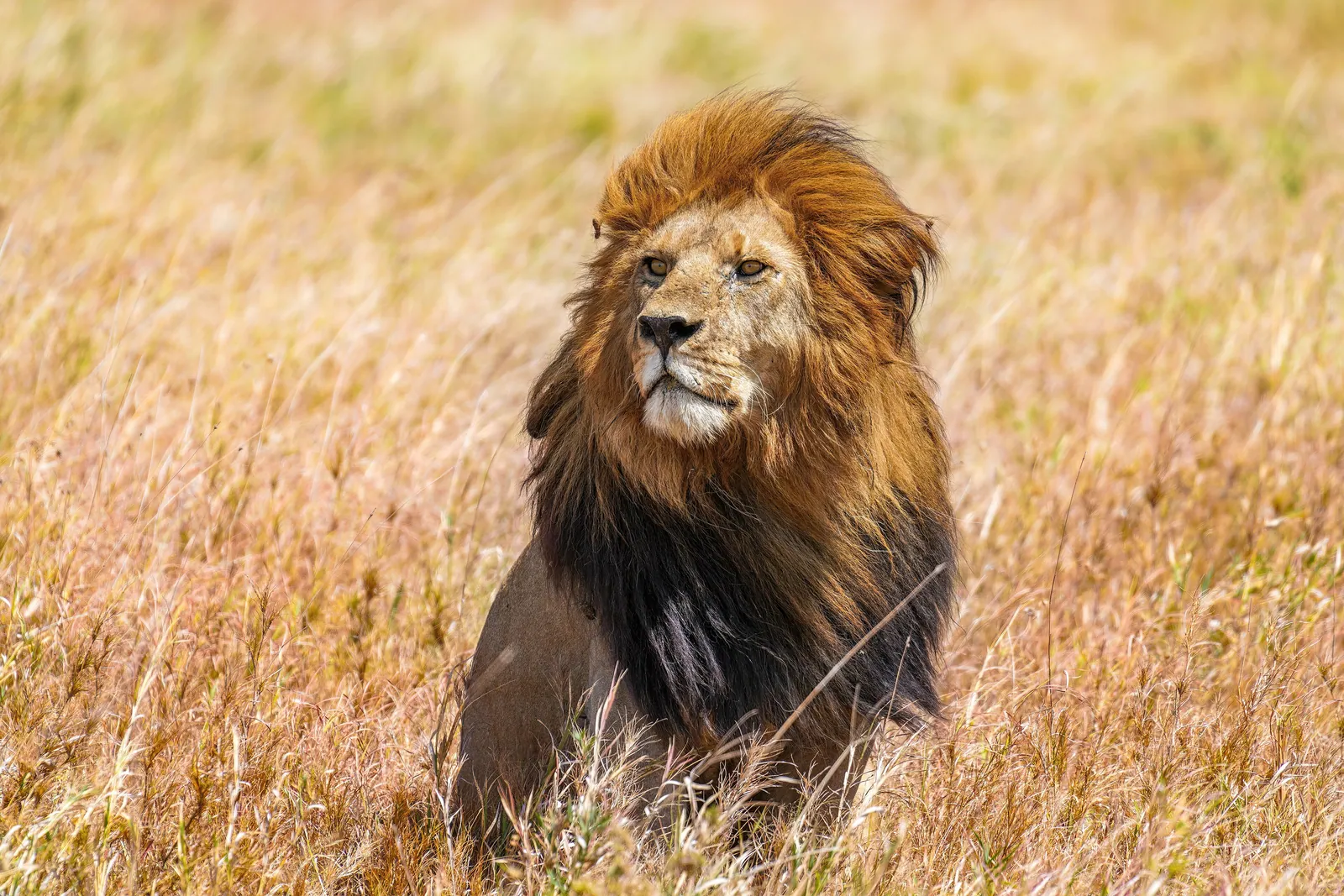
The lion is the only truly social cat, living in prides of related females, their cubs, and a coalition of one or more adult males. The Serengeti and the neighbouring Ngorongoro Crater hold a substantial lion population, and prides here are often relaxed around vehicles, which makes them the most reliably seen of the three cats.
Lions are largely nocturnal and crepuscular hunters; through the heat of the day they tend to do very little, sprawled in shade or on a kopje. The early morning and late afternoon are when prides stir, move and hunt, with females usually doing the cooperative hunting. A kopje — one of the granite outcrops that punctuate the plains — is a classic place to find a pride surveying its territory.
Leopard: the solitary ghost of the riverine forest
The leopard is the hardest of the three to see, and the most thrilling to find. It is solitary, secretive, largely nocturnal, and a creature of cover — most often encountered along the wooded watercourses that thread the Serengeti, particularly the riverine forest of the Seronera valley. Its rosette-patterned coat is superb camouflage in dappled shade.
Leopards are famous for hauling kills high into trees, out of reach of lions and hyenas, and a carcass wedged in a fork of an acacia is often the first clue to a leopard nearby. They are powerful and stocky, and unlike lions they are at ease in trees. Patience and a guide's sharp eye for a tail hanging from a branch are what turn up a leopard.
Cheetah: the daylight sprinter of the open grass
The cheetah is built for one thing — speed over open ground — and everything about it reflects that. It is lightly built, with a small head, a deep chest, long legs and a long tail for balance; it is the fastest land animal, capable of brief sprints that can exceed 100 kilometres per hour. The short-grass plains of the southern Serengeti are prime cheetah country.
Crucially, cheetahs hunt by day, often in the cooler morning and late-afternoon hours, partly to avoid competition with the stronger nocturnal cats. Because a cheetah cannot defend its kill, it eats fast and watchfully, and will abandon a carcass to a lion or hyena rather than fight. A cheetah on a termite mound, scanning the plain, is one of the Serengeti's signature sights.
Telling them apart at a glance
The quickest field marks are these. The cheetah is slender and small-headed, with solid round black spots and two distinct black 'tear lines' running from the inner eye down the muzzle; it stands tall and lean. The leopard is stockier and more muscular, with rosettes — broken ring-shaped markings — rather than solid spots, and no tear lines. The lion is plain tawny and far larger, the males maned.
Behaviour confirms it. A cat lounging in a tree by day is almost always a leopard. A cat sitting bolt upright on a mound in the open, by daylight, is very likely a cheetah. A group of cats, especially with cubs, resting in shade is a lion pride. Build is the surest guide: cheetahs look like sprinters, leopards like climbers, lions like the heavyweights they are.
Watching cats with care
Big cats reward stillness. A quiet engine, low voices and an unhurried approach let a relaxed cat stay relaxed; sudden noise or a crowd of vehicles pressing too close can disturb a hunt, separate a cheetah from cubs, or push a leopard out of view. Hunting cats in particular should never be crowded — a failed hunt caused by vehicles is a real cost to the animal.
Cheetahs deserve special restraint. As a vulnerable species that cannot afford to lose kills or be kept from feeding, they are easily stressed by too many vehicles. On The Great Rift journey, our Serengeti guides keep a respectful distance, limit time at a sensitive sighting, and prioritise the cat's natural behaviour over a closer photograph — which is, in the end, how you see the best behaviour anyway.
Quick answers
How do you tell a cheetah from a leopard?
Look at the coat and the build. A cheetah has solid round spots and two black 'tear lines' from eye to muzzle, and is slender and long-legged like a sprinter. A leopard has rosettes — broken ring-shaped markings — no tear lines, and a stockier, more muscular frame. Behaviour helps too: a cat resting in a tree is almost always a leopard, while a cheetah is usually seen upright on open ground by day.
What time of day is best for seeing big cats?
Early morning and late afternoon are best overall. Lions are most active at dawn, dusk and through the night, resting in the heat of the day. Cheetahs hunt by day, often in the cooler morning and afternoon hours. Leopards are largely nocturnal but are regularly found resting in trees during the day, which is when they are easiest to spot.
Which big cat is hardest to see in the Serengeti?
The leopard. It is solitary, secretive, largely nocturnal and tied to wooded cover, so it is far less often seen than lions. Your best chances are along riverine forest such as the Seronera valley, where a guide may spot a leopard resting in an acacia or a kill stashed in a tree.
Let the reading become a route.
When an article sparks something, our planners are the next step. Tell us what you are dreaming of.