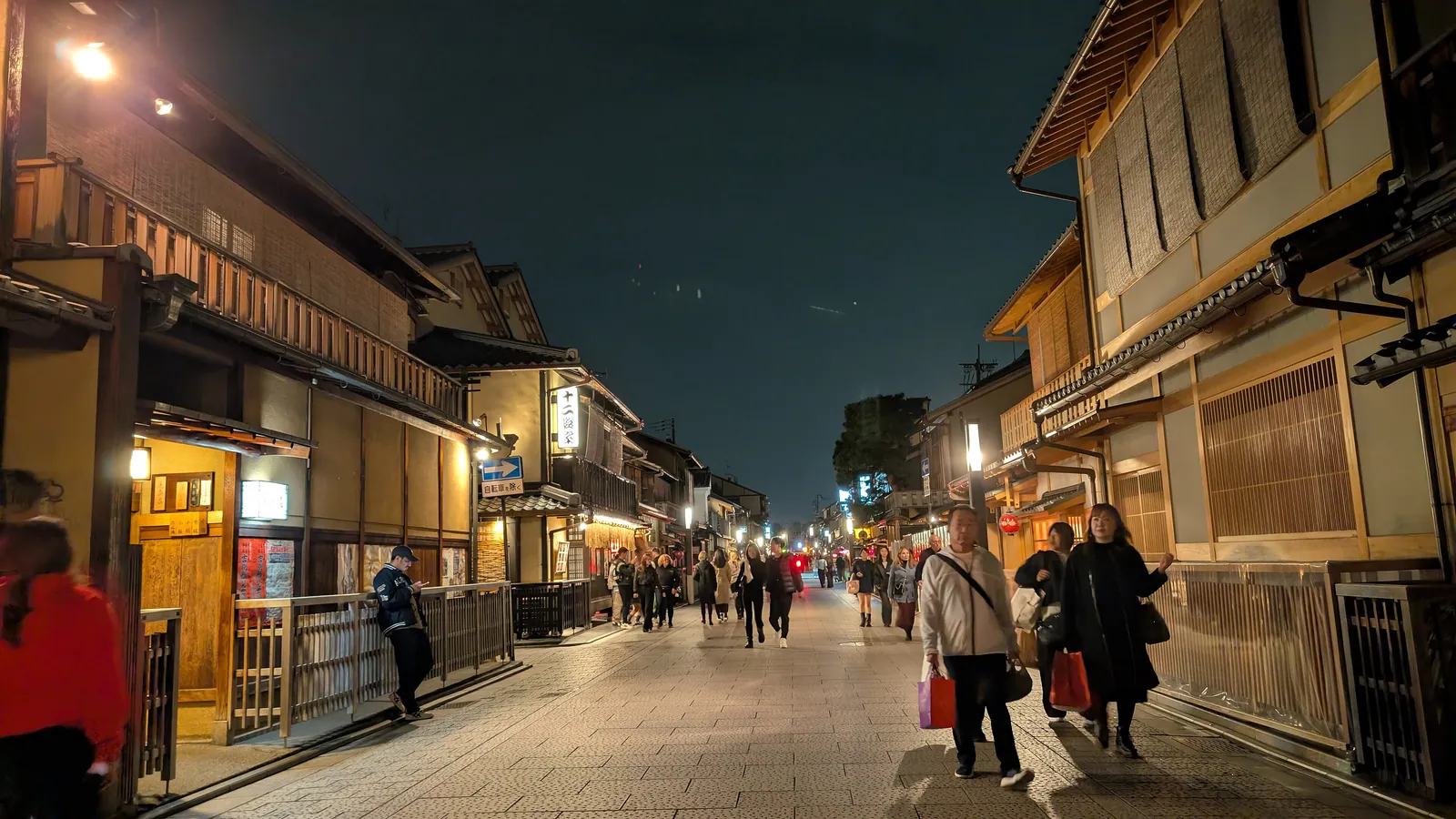
The Festivals of Japan: A Seasonal Calendar
Japan keeps a festival for every season — fire and float, lantern and drum. A calendar of the great matsuri, what they mean, and how to time the Japanese chapter of a journey to meet one.
The Japanese word for festival, matsuri, is rooted in the idea of an offering to the gods, and Japan keeps thousands of them across the year — most tied to a particular shrine or temple, and most marking a season. Together they form a calendar, and a traveller who understands that calendar can time a journey to arrive when a city is at its most alive.
This is a season-by-season guide to the great matsuri, with an emphasis on the festivals a traveller is most likely to be able to plan around. The headline acts are Kyoto's Gion Matsuri in July and the snow festival of Sapporo in February, but the year holds far more — and the quieter local festivals are often the most rewarding of all.
How a matsuri works
Most Japanese festivals belong to a shrine and follow a recognisable shape. The kami, the shrine's deity, is ritually transferred into a portable shrine called a mikoshi, which is then carried — often shouldered, jostled and chanted along — through the surrounding streets so that the deity blesses the neighbourhood, before being returned. Larger festivals add great wheeled floats, dancers, drummers and food stalls.
A matsuri is therefore both sacred and exuberant at once, and the noise, the crowds and the street food are not a distraction from the religious purpose but part of it. For a visitor, the etiquette is simple: keep clear of the teams carrying the mikoshi and floats, watch where local people watch, and treat the food stalls — the yatai — as an essential part of the experience.
Spring: the cherry blossom and the new year of growth
Spring in Japan is dominated less by formal festivals than by hanami, the custom of gathering beneath the cherry blossom to admire it. From late March into April, depending on the year and the latitude, parks and riverbanks fill with people picnicking under the trees — an informal, nationwide festival of impermanence rather than a fixed event.
Spring also brings shrine festivals such as Kyoto's Aoi Matsuri in mid-May, one of the city's three great festivals, in which a procession in Heian-period court costume walks between the Imperial Palace and the Kamo shrines. On The Long Way East, a spring passage through Kyoto can be timed to the blossom, with the understanding that no one can promise a flower opens on a fixed date.
Summer: floats, fire and the festival of the dead
Summer is the great season of the matsuri. Kyoto's Gion Matsuri runs through July, dating back over a thousand years to a rite against plague, and centres on two processions of towering yamaboko floats; the lantern-lit yoiyama evenings beforehand are its most atmospheric hours. Osaka's Tenjin Matsuri in late July adds a river procession and fireworks, and Tohoku's great August festivals — Aomori's illuminated Nebuta floats among them — draw enormous crowds.
August also brings Obon, the Buddhist observance when the spirits of ancestors are believed to return. Families clean graves and light lanterns, and communities dance the bon odori in the streets. It is a major travel period within Japan, so trains and lodging are busy, but the lantern rituals and circle dances are quietly moving.
Autumn and winter: harvest, snow and fire
Autumn festivals give thanks for the harvest, and many shrines hold their annual matsuri then; the season also brings the koyo, the maple colour that peaks in Kyoto in late November and functions, like the spring blossom, as an informal festival of looking. Takayama, in the mountains, holds one of Japan's most admired float festivals in both spring and autumn.
Winter turns to snow and fire. Sapporo's Snow Festival in early February fills the city with vast, intricately carved snow and ice sculptures. Elsewhere the cold months bring fire festivals and, around the New Year — the most important holiday in the Japanese calendar — the custom of hatsumode, the season's first visit to a shrine, when temple bells are rung and shrines fill through the night.
Timing a journey to a Japanese festival
If a particular festival matters to you, build the dates around it and book early: Kyoto during Gion Matsuri and Sapporo during the Snow Festival fill up months ahead, and prices rise. Be honest, too, about the weather — Kyoto in July is hot and humid, Hokkaido in February is genuinely cold — and pack for the season, not just the festival.
It is also worth remembering that you do not have to chase the headline events. Smaller neighbourhood matsuri happen constantly, especially through summer and autumn, and stumbling on one — a local mikoshi swaying down a lane, a few food stalls, a community out together — is often a warmer experience than the famous processions. On The Long Way East, the Japan chapter can be timed toward a major festival, but the unplanned local one is a gift in its own right.
Quick answers
When is the best time to see a festival in Japan?
Summer is the richest season for matsuri — Kyoto's Gion Matsuri runs all July, and August brings the great Tohoku festivals and Obon. February offers Sapporo's Snow Festival, and spring and autumn add float festivals and the informal festivals of cherry blossom and maple colour. There is something worth timing a visit to in every season.
Are Japanese festivals crowded, and how far ahead should I book?
The famous ones are very crowded. For Gion Matsuri in Kyoto or the Sapporo Snow Festival, book accommodation several months ahead, as host cities fill up and prices climb. Obon and the New Year are also busy travel periods within Japan. Smaller neighbourhood festivals, by contrast, need no planning at all.
What is the etiquette for attending a matsuri?
Keep well clear of the teams carrying the mikoshi or hauling the floats — they move with force and cannot easily stop. Watch from where local people watch, ask before photographing individuals, and embrace the food stalls as part of the event. A matsuri is both a religious rite and a celebration, so enjoy it while remaining a courteous guest.

Let the reading become a route.
When an article sparks something, our planners are the next step. Tell us what you are dreaming of.