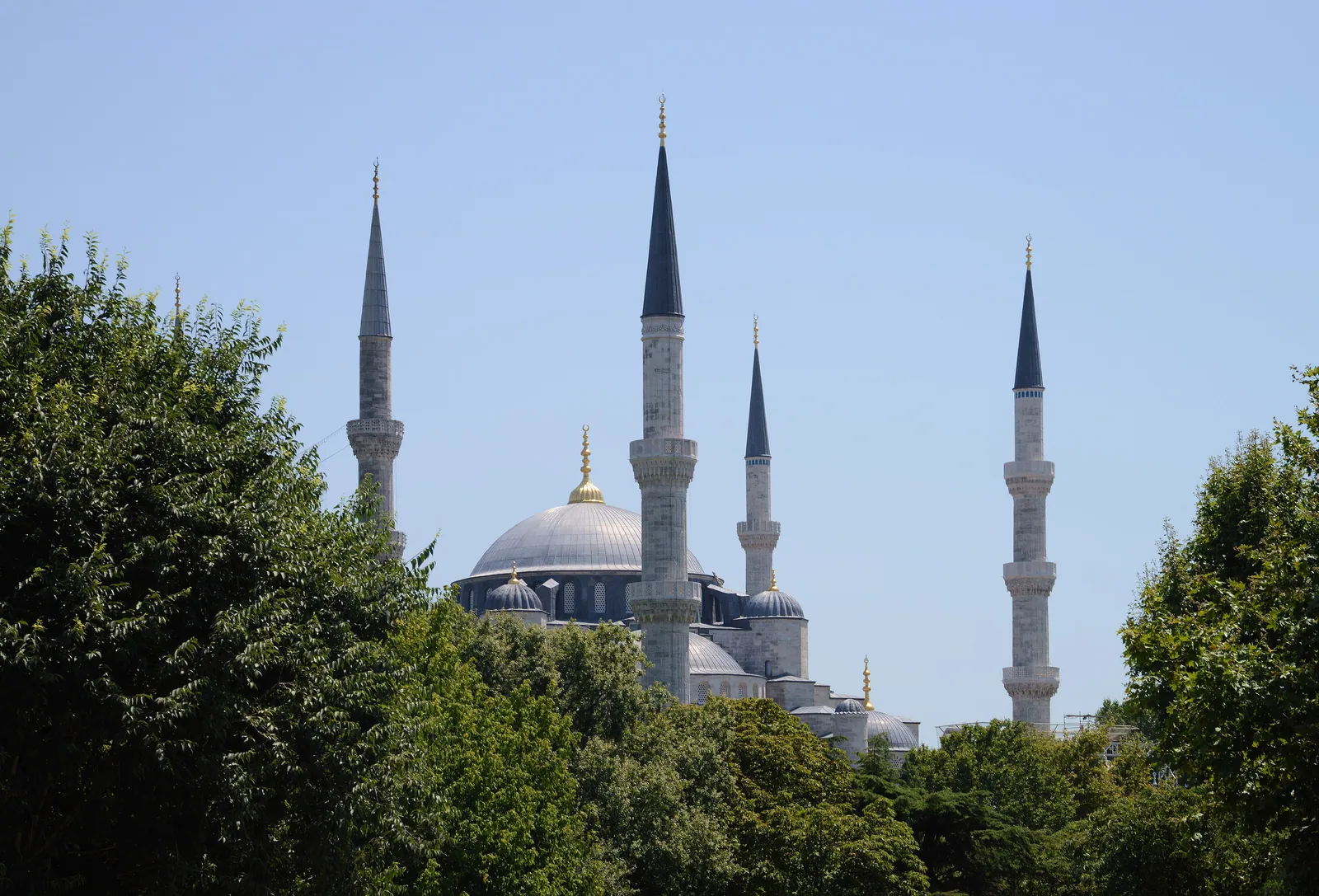
The Hammam and the Grand Bazaar: Istanbul's Old Rituals
Two of Istanbul's oldest institutions still work much as they did under the sultans — the Turkish bath and the covered market. Here is how to use both with confidence, and what they reveal about the city.
Istanbul has skyscrapers and a metro, but two of its most characteristic institutions are centuries old and still fully alive: the hammam, or Turkish bath, and the covered bazaar. Both are working places rather than museums, and both can feel opaque to a first-time visitor — which is a pity, because each is straightforward once you know the form.
The bath and the market also belong together. They grew up in the same Ottoman city, often endowed by the same sultans and viziers, and between them they explain a great deal about how Istanbul has organised cleanliness, commerce and sociability for five hundred years. This is a practical guide to using both well.
Why the hammam matters
The Turkish bath descends from Roman and Byzantine bathing culture, adapted by the Ottomans into the hammam — a place to wash, but also a social institution, somewhere neighbours met, news travelled and weddings were prepared for. Many of Istanbul's finest baths were built as charitable foundations attached to mosques, their entrance fees helping to fund the upkeep of the whole complex.
Some of the historic baths still in use are themselves significant architecture. The grandest were designed by the great Ottoman architect Mimar Sinan in the sixteenth century, and to bathe in one is to use a working building that has performed the same function, in the same domed marble rooms, for nearly half a millennium.
How a hammam visit works
The sequence is simple. You are given a thin checked cloth, the peştemal, to wrap around you, and shown to the hot room — a domed marble chamber with a large heated slab at its centre, the göbektaşı. You lie on the warm stone and let the heat and humidity open your skin; there is no rush.
If you have chosen the full service, an attendant then scrubs you vigorously with a coarse mitt, the kese, lifting away the dead skin, before a deep, foamy soap massage and buckets of warm water poured over you to rinse. You finish by cooling down, wrapped in dry cloths, often with tea. Men and women bathe separately, in different sections or at different times; modesty is maintained throughout, and you keep the peştemal on. Bring nothing — towels, soap and mitt are all provided.
The Grand Bazaar, a covered city
The Grand Bazaar — the Kapalıçarşı, the covered market — is one of the oldest and largest covered markets in the world, begun in the fifteenth century soon after the Ottoman conquest. It has grown into a roofed labyrinth of dozens of streets and several thousand shops, complete with its own mosques, fountains, cafés and former caravanserais.
It is organised, loosely, by trade: historically the gold and jewellery dealers clustered in their lanes, the carpet sellers in theirs, the leather and textile merchants in others, an arrangement that still partly holds. The oldest, most solid core, the Cevahir Bedesten, was the secure stone hall where the most valuable goods were kept. Getting lost is part of the experience — the bazaar is designed to be wandered.
Browsing, bargaining and buying
In the tourist-facing parts of the bazaar, polite bargaining is expected, and it is a courteous social exchange rather than a confrontation. Take your time, accept the offered glass of tea without obligation, and be willing to walk away — a genuine interest in the goods and an unhurried manner serve you far better than aggression.
For real treasures, look beyond the main thoroughfares into the quieter side lanes and the surrounding streets, and toward the nearby Spice Bazaar for dried fruit, nuts, teas and Turkish delight. Know roughly what a fair price is before you commit, especially for gold, carpets and anything described as antique, and buy because an object pleases you, not because the negotiation has carried you along.
Both rituals on The Silk Road Reborn
On The Silk Road Reborn, the bath and the bazaar are not box-ticking stops but a way of stepping into the everyday texture of Ottoman Istanbul — the city as the merchants and travellers of the historic Silk Road would have used it, where you cleaned off the road in a domed hammam and resupplied in a covered market.
We leave room for both to be done unhurriedly, because both reward time: an hour rushed through the bazaar teaches little, while a slow afternoon of getting lost teaches a great deal, and a hammam is wasted if you treat it as a quick wash. Approached gently, the two old rituals are among the most pleasurable hours Istanbul offers.
Quick answers
What should I expect at a Turkish bath, and what do I bring?
You will be given a thin cloth (peştemal) to wrap around you, then spend time on a heated marble slab in a domed steam room. A full service adds a vigorous exfoliating scrub with a mitt, a foam massage and a rinse. Men and women use separate sections or separate hours. You keep the cloth on throughout, and you do not need to bring anything — towels, soap and the scrubbing mitt are supplied.
Is bargaining expected in the Grand Bazaar?
In the tourist-oriented shops, yes — polite negotiation is normal and expected, especially for carpets, jewellery, leather and decorative goods. Treat it as a friendly exchange: take your time, feel free to accept tea without obligation, and be ready to walk away. Have a rough sense of fair value beforehand. Note that some fixed-price shops, and the food stalls of the Spice Bazaar, do not haggle.
How old is the Grand Bazaar?
The Grand Bazaar dates to the fifteenth century, established soon after the Ottoman conquest of Constantinople in 1453, with its oldest stone hall (the Cevahir Bedesten) at the core. Expanded over the centuries, it is now one of the world's oldest and largest covered markets — a roofed maze of dozens of streets and several thousand shops, with its own mosques, fountains and cafés.
Let the reading become a route.
When an article sparks something, our planners are the next step. Tell us what you are dreaming of.